
 Eric
Eric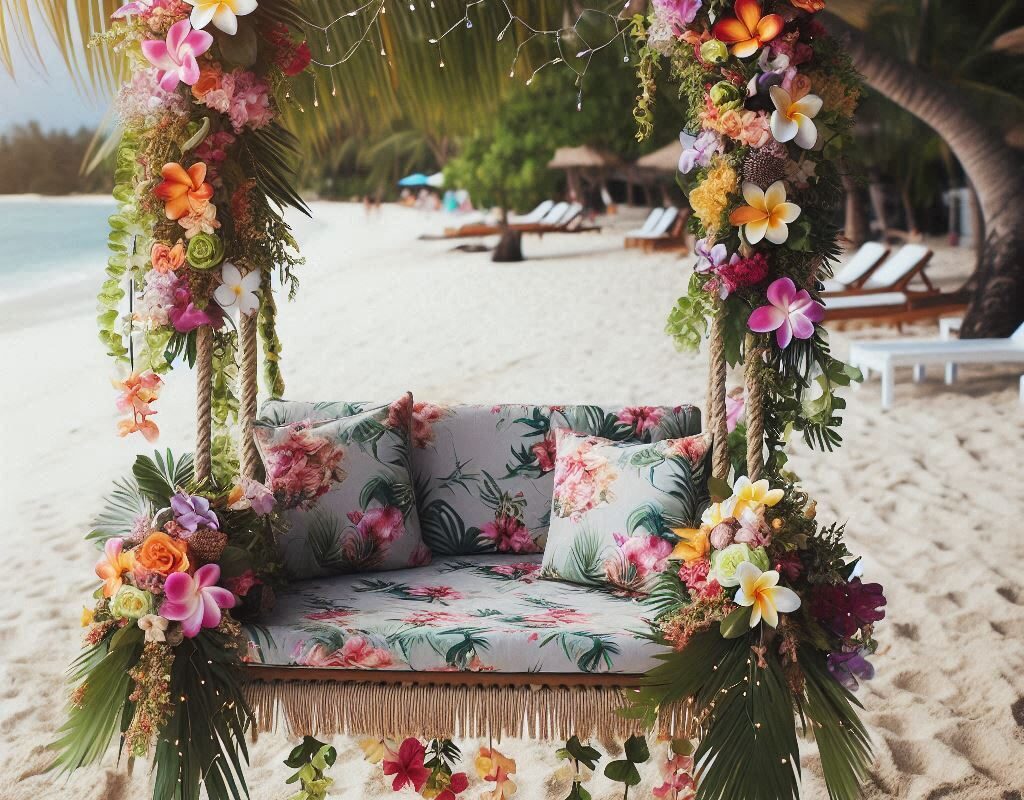
Tropical Luau invites you to experience the vibrant culture of Hawaii, where the essence of tradition and celebration blend seamlessly. From its rich historical roots to its modern-day festivities, a luau is not just a party; it’s an immersive journey into the heart of Hawaiian spirit.
The luau has evolved over centuries, once a sacred feast for Hawaiian nobility, now a communal celebration enjoyed by locals and visitors alike. Dive into the flavors, sounds, and colors that make this event a cherished experience, embodying the warmth and hospitality of the islands.
{The Historical Significance of a Tropical Luau}
The Tropical Luau is more than just a vibrant celebration; it is a deeply rooted tradition that reflects the history, culture, and spirit of Hawaii. Originating from ancient Polynesian customs, luaus initially served as a means to honor significant events, including victories in battle, childbirth, or the arrival of distinguished guests. Over time, these gatherings evolved into the communal celebrations we recognize today, blending historical significance with cultural festivities.
The term “luau” has its roots in the Hawaiian word “lau,” meaning leaves, which refers to the taro leaves traditionally used in a popular dish known as “lau lau.” In ancient times, luaus were exclusive to chiefs and their families, symbolizing status and power. As Hawaiian society evolved, the practice of hosting luaus became more widespread, allowing commoners to partake in the festivities. This shift reflected the changing dynamics of Hawaiian culture, where food, music, and dance served to unite the community.
{Cultural Significance of Luaus in Hawaiian Traditions}
Luaus embody the essence of Hawaiian culture, capturing the spirit of Aloha through shared experiences and communal dining. They celebrate important life milestones and serve as a reminder of the interconnectedness of families and communities. The rituals associated with luaus often include chanting, hula performances, and traditional feasts, further emphasizing their cultural importance.
Key elements of a traditional luau include:
- Hula Dance: A vital aspect of luaus, hula tells stories through movement, preserving Hawaiian history and legends.
- Traditional Feasts: Foods such as kalua pig, poi, and lomi-lomi salmon, rooted in ancient practices, symbolize hospitality and abundance.
- Community Gathering: Luaus foster a sense of togetherness, bringing family and friends together to celebrate heritage and culture.
Historically, luaus have witnessed significant events that have shaped their evolution. The arrival of missionaries in the 19th century introduced new culinary practices and customs, which were gradually incorporated into luau traditions. Additionally, the tourism boom in the 20th century transformed luaus into commercialized events, often featuring elaborate performances to entertain visitors while still striving to maintain the core spirit of Hawaiian culture.
“The luau is a celebration of life, a blend of past and present that honors the spirit of Aloha.”
Essential Elements That Make Up a Tropical Luau
A tropical luau is a vibrant and lively celebration steeped in Hawaiian culture, marked by rich traditions, delicious food, and spirited entertainment. Understanding the essential elements that comprise a luau can deepen appreciation for this unique gathering, where locals and visitors come together to celebrate life, community, and heritage.
Key Components of a Tropical Luau
Several core aspects define the essence of a tropical luau, including traditional cuisine, music, and dance, all of which work in harmony to create an unforgettable experience.
- Traditional Cuisine: Food is at the heart of luaus, reflecting cultural significance and communal spirit. A classic dish served is kalua pig, where a whole pig is slow-cooked in an underground oven, known as an imu. This method not only flavors the meat with smokiness but also symbolizes the importance of communal cooking.
- Music: The sounds of traditional Hawaiian music, featuring instruments like the ukulele and slack-key guitar, create the perfect atmosphere for a luau. Live performances often include traditional songs that narrate stories of the islands and their history.
- Dance: Hula dances are a central aspect of luaus, expressing stories and emotions through graceful movements. Each hula tells a story, often relating to nature, love, or the islands themselves, and is accompanied by chants or songs.
Traditional Foods Served During a Luau
The culinary offerings at a luau are diverse and deeply rooted in Hawaiian culture. These dishes not only provide sustenance but also represent the island’s rich agricultural heritage and historical trade routes. Some notable foods served include:
- Poke: A raw fish salad seasoned with various ingredients, poke showcases the island’s fishing culture and is often made with tuna or octopus.
- Lomi Lomi Salmon: This dish combines salted salmon with tomatoes and onions, served chilled, symbolizing the refreshing nature of island life.
- Haupia: A traditional coconut milk-based dessert, haupia is often served in blocks, providing a sweet finish to a hearty meal, reflecting the use of coconuts in Hawaiian cuisine.
Music and Dance in Luaus
Music and dance are integral to the luau experience, captivating guests and imparting cultural stories. The rhythmic tunes and vibrant dances serve to entertain and educate attendees about Hawaiian traditions.
“To sing and dance is to live, to embrace the spirit of Aloha.”
- Live Bands: Luaus typically feature live bands that play traditional Hawaiian music, creating an immersive environment where guests can feel the island’s spirit.
- Hula Performances: Dancers often wear flower leis and colorful costumes, bringing stories to life with their movements, showcasing the importance of oral tradition in Hawaiian culture.
- Fire Dancing: In many luaus, fire dancers perform breathtaking routines, symbolizing strength and passion, and captivating audiences with their skills and artistry.
Crafting the Perfect Tropical Luau Menu
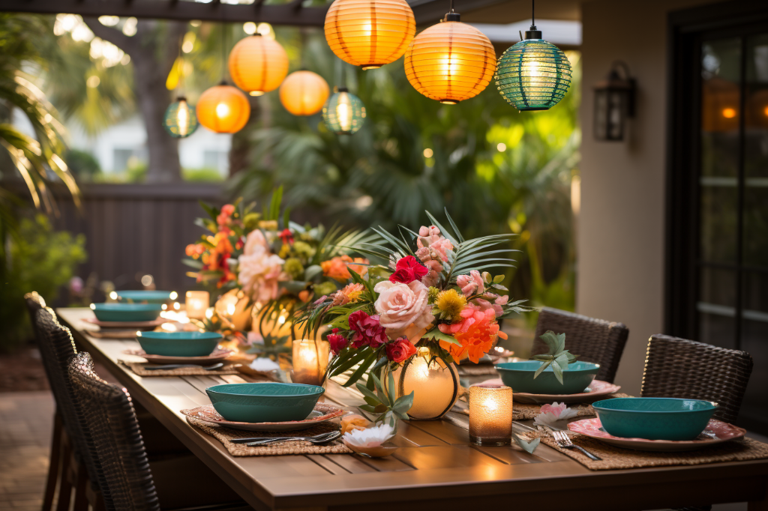
Creating a festive and delightful Tropical Luau menu is essential for setting the mood of your event. A well-designed menu not only showcases traditional Hawaiian cuisine but also serves as a representation of the rich culture and community spirit of the islands. Emphasizing flavor, freshness, and cultural authenticity, a well-curated menu can elevate your luau experience, captivating the taste buds of all your guests.
To achieve an authentic luau experience, it’s crucial to focus on traditional Hawaiian dishes that highlight local ingredients and flavors. The preparation methods often involve techniques that have been passed down through generations, ensuring each dish tells a story of its own. Emphasizing communal dining, the presentation and serving styles also contribute significantly to the overall enjoyment of the meal.
Diverse Menu Showcase
A Tropical Luau menu should feature a variety of dishes that cater to different tastes while staying true to Hawaiian traditions. Consider including the following signature items:
- Kalua Pig: A traditional dish cooked in an underground oven (imu) that results in tender, smoky meat. The flavors are enhanced by using banana leaves and rock salt.
- Poke: A raw fish salad typically made with cubed ahi tuna, soy sauce, sesame oil, and green onions, served fresh and chilled.
- Huli Huli Chicken: Grilled chicken marinated in a sweet and savory sauce that includes pineapple juice, soy sauce, and ginger.
- Lomi Lomi Salmon: A refreshing salad of salted salmon mixed with tomatoes, onions, and chili peppers, often served chilled.
- Macaroni Salad: A creamy side dish that complements the savory flavors, made with elbow macaroni, mayonnaise, carrots, and celery.
- Poi: A starchy dish made from taro root, pounded into a smooth paste, which serves as a traditional accompaniment to many meals.
Ingredient Sourcing and Preparation Methods
Authenticity in a luau menu begins with sourcing fresh, local ingredients. Hawaii is renowned for its agricultural bounty, so utilizing seasonal produce ensures the best flavors. Some key ingredients to include are:
- Taro: Essential for making poi, taro is a staple in Hawaiian diets.
- Pineapple: Known for its sweetness, it’s often used in marinades and desserts.
- Fresh Seafood: Ahi tuna and other local fish are ideal for poke and grilled dishes.
- Banana Leaves: Used for wrapping meats like kalua pig for cooking, imparting a unique flavor.
- Hawaiian Salt: A key seasoning that enhances the taste of various dishes.
Preparation methods like slow-roasting meats and using open flames for grilling are integral to achieving traditional flavors. For example, kalua pig involves a meticulous process of seasoning and cooking in an imu, which creates a unique taste that can’t be replicated through modern cooking methods.
Importance of Presentation and Serving Styles
The way a luau meal is presented can significantly influence the dining experience. Traditional Hawaiian cuisine is often served buffet-style, encouraging communal sharing. The presentation should evoke a sense of festivity and island spirit. Consider the following elements:
- Use of Colorful Platters: Brightly colored platters and bowls enhance the visual appeal of the dishes.
- Tropical Decor: Incorporating fresh flowers, tropical leaves, and woven baskets can create a beautiful table setting.
- Family-Style Serving: Large bowls and platters allow guests to serve themselves, fostering a sense of togetherness.
- Garnishing: Fresh herbs and edible flowers can add a vibrant touch to dishes, making them more inviting.
By focusing on these details, the luau menu becomes an integral part of the celebration, inviting guests to indulge in the rich culinary heritage of Hawaii while enjoying the laid-back atmosphere of island life.
Planning an Authentic Tropical Luau Experience
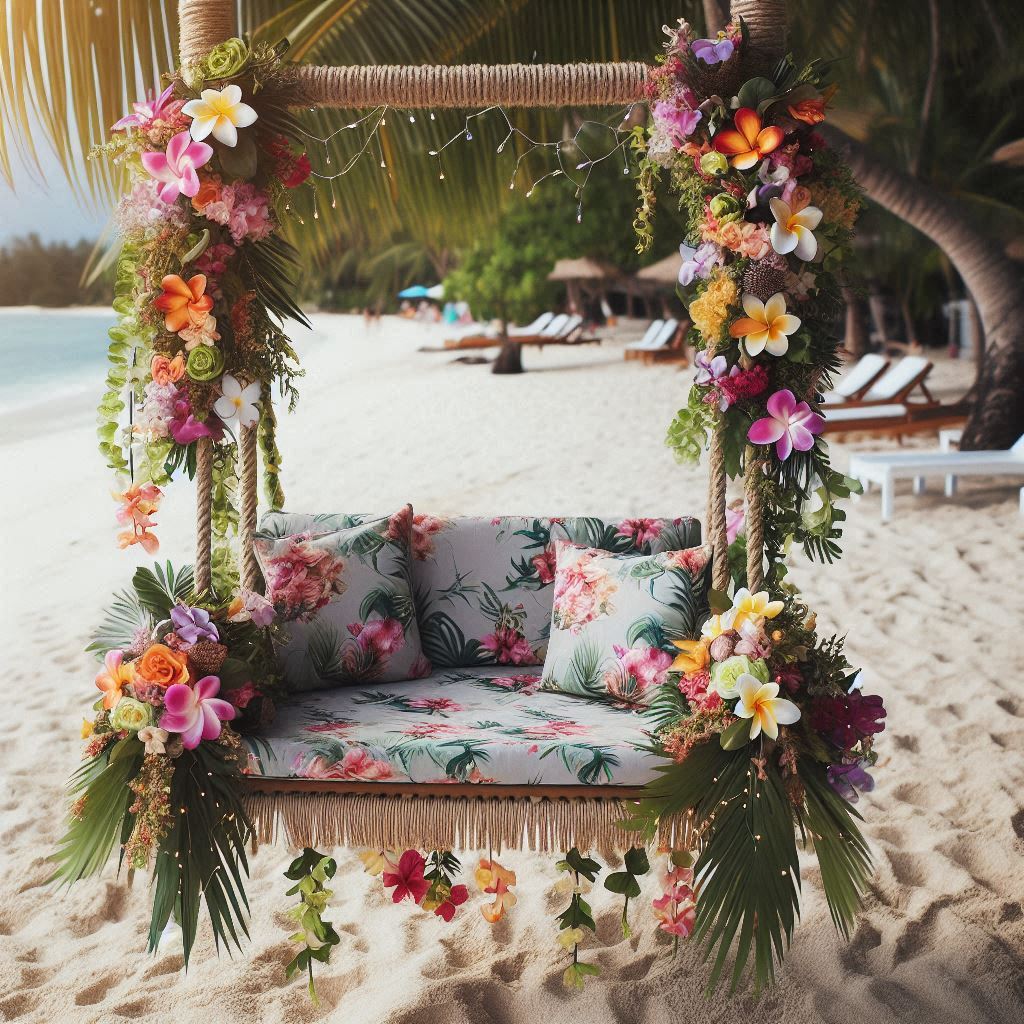
Creating a memorable tropical luau requires thoughtful planning and attention to detail. From selecting the right venue to incorporating traditional customs, every element plays a vital role in ensuring an authentic experience for your guests. By following a comprehensive checklist and engaging everyone in the festivities, your luau can truly transport attendees to a Hawaiian paradise.
Comprehensive Checklist for Organizing a Luau
Having a well-structured checklist is crucial for organizing a successful luau. This ensures that no detail is overlooked and that the event flows smoothly. Below is a checklist to guide you through each stage of planning.
- Select a date and time for the luau.
- Determine the guest list and send out invitations.
- Choose an appropriate location, such as a backyard, beach, or park.
- Plan the menu, including traditional Hawaiian dishes like poke, kalua pig, and tropical fruits.
- Arrange for entertainment, such as hula dancers and musicians.
- Gather decorations that reflect a tropical theme, including tiki torches, leis, and Hawaiian prints.
- Prepare activities like limbo contests and hula dancing lessons.
- Set up seating and dining areas to accommodate guests comfortably.
- Organize food and drink stations, ensuring there are options for various dietary needs.
- Plan for safety, including first aid and any necessary permits if on public property.
Selecting the Ideal Location and Decorations
The location of your luau sets the tone for the entire event, and the right decorations enhance the tropical atmosphere. Consider the following when choosing your venue and decorations.
When selecting a location, opt for spots that offer a natural backdrop reminiscent of Hawaii, such as sandy beaches or lush gardens. If you’re hosting at home, a backyard with good lighting and open space works well.
Decorations should echo tropical vibes, creating an inviting and festive environment. Some essential elements include:
- Tiki torches for lighting and ambiance.
- Colorful table settings with Hawaiian prints.
- Fresh flowers, such as hibiscus and orchids, to create centerpieces.
- Leis for guests to wear, welcoming them to the luau.
- Strings of lights to add a magical glow as the sun sets.
Engaging Guests in Traditional Luau Activities
To immerse your guests in an authentic luau experience, incorporating traditional activities is essential. By engaging everyone, you enhance the fun and cultural appreciation. Here are some activities to consider:
- Hula dancing lessons, where guests can learn basic moves and rhythms.
- Limbo contests to add a competitive yet playful edge to the event.
- Traditional Hawaiian games such as ‘Ulu Maika’ (stone rolling) or ‘Haka’ (chanting and dance).
- A storytelling session where local legends and traditions are shared.
- Food preparation demonstrations featuring traditional cooking methods, such as imu (underground oven) cooking.
“To truly honor Hawaiian culture, it’s essential to understand and respect its traditions.”
By carefully planning each aspect of your luau, you’ll create an enjoyable and authentic celebration that your guests will remember long after the last dance.
The Role of Attire in a Tropical Luau
Attire plays a vital role in the vibrant celebration of a tropical luau, reflecting both the rich cultural heritage of Hawaii and the festive spirit of the occasion. Traditional Hawaiian clothing not only serves aesthetic purposes but also embodies the values and customs of the islands, making it an essential aspect of any luau gathering.
Traditional Hawaiian attire is characterized by a few key elements that are significant to the culture and symbolism of the islands. The most notable pieces include the mu’umu’u, a loose-fitting dress often adorned with floral patterns, and the aloha shirt, which showcases bright colors and tropical designs. These garments are typically made from lightweight fabrics, perfect for the warm climate of Hawaii. The significance of these attires goes beyond mere fashion; wearing them honors the heritage and traditions of the Hawaiian people. It’s not uncommon to see attendees wearing leis, made of flowers, shells, or seeds, which further represent hospitality and the spirit of aloha.
Modern Interpretations of Luau Attire
The contemporary take on luau attire has evolved, blending traditional elements with modern fashion trends. While traditional garments remain popular, many guests now opt for a more casual and personalized approach to their outfits. This shift reflects a global influence on style, where comfort meets cultural expression.
Modern luau attire may include:
- Brightly colored sundresses and board shorts, offering a playful take on traditional styles.
- Floral print shirts and tank tops, emulating the vibrant essence of Hawaiian attire.
- Lightweight, breathable fabrics that ensure comfort throughout the festivities.
- Accessories like hats and sunglasses, adding a touch of personal flair while also providing sun protection.
While modern interpretations embrace individuality, it is crucial to maintain a respectful nod to the traditional attire, acknowledging the cultural significance behind these garments.
When attending a tropical luau, guests should consider specific guidelines for attire to ensure they blend seamlessly into the celebration. Appropriate clothing choices help honor the cultural backdrop while also providing comfort in a festive setting.
Guidelines for luau attire include:
- Opt for light, breathable fabrics to stay comfortable in warm weather.
- Embrace vibrant colors and floral patterns to reflect the tropical atmosphere.
- Consider wearing traditional items such as a mu’umu’u or an aloha shirt, which pays homage to Hawaiian culture.
- Accessorize with a lei, as it signifies welcome and is a cherished part of Hawaiian custom.
- Avoid overly casual wear like gym attire or swimwear, as these may not align with the celebratory spirit of the luau.
It is essential for guests to strike a balance between comfort and cultural respect, ensuring that their attire enhances the vibrant ambiance of the luau while honoring the significance of traditional Hawaiian clothing.
Activities and Entertainment to Enhance the Luau Experience
A luau is not just a feast; it’s a celebration of culture, tradition, and community. To elevate the experience, a variety of activities and entertainment options can be incorporated, reflecting the rich heritage of Hawaiian culture while engaging guests in meaningful ways. From traditional games to captivating performances, these elements can create lasting memories for everyone involved.
Traditional Games and Activities
Traditional Hawaiian games are a fun way to engage guests while offering a glimpse into the cultural heritage of the islands. These activities promote teamwork, laughter, and a sense of community, enhancing the overall luau experience. Here are some classic games that can be included:
- Ulu Maika: A traditional game similar to bowling where players roll stones through a target. It’s simple yet entertaining, allowing guests to showcase their skills.
- Kukini: A foot race that is designed to build camaraderie and friendly competition among guests. Participants can compete in teams or as individuals.
- Hula Hooping: Encouraging guests to learn the art of hula hooping can be a delightful addition. It combines physical activity with traditional music, ensuring laughter and enjoyment.
- Ti Leaf Weaving: Guests can participate in crafting their own leis from ti leaves. This hands-on activity offers a way to connect with nature and Hawaiian traditions.
Storytelling and Cultural Performances
Storytelling is a cornerstone of Hawaiian culture, and including this element in a luau can deeply enrich the experience. Through storytelling, the history and values of the culture are passed down, providing guests with insights that go beyond the surface. Cultural performances, such as hula dancing and chanting, further enhance the atmosphere. These presentations can be both entertaining and educational, helping guests appreciate the narratives behind the dances and songs.
“In Hawaii, stories are not just told; they are lived and felt, creating a bridge between generations.”
Interactive Sessions with Guests
Interactive sessions are a wonderful way to immerse guests in the traditions of a luau. Encouraging participation not only makes the event more enjoyable but also fosters a deeper connection to Hawaiian culture. Activities may include:
- Hula Dance Lessons: Guests can learn basic hula steps from talented instructors, allowing them to experience the rhythm and beauty of Hawaiian dance.
- Luau Cooking Demonstrations: A live cooking show where chefs prepare traditional dishes such as poke and kalua pig, with guests invited to help and taste.
- ‘Oli (Chant) Workshops: A session where guests learn the significance of ‘oli and the basics of Hawaiian chanting, creating an engaging cultural immersion.
These activities not only enhance the luau experience but also create a space for guests to forge connections through shared experiences, laughter, and learning. By incorporating traditional games, storytelling, cultural performances, and interactive sessions, a luau can transform into a vibrant celebration of life and culture in Hawaii.
Incorporating Contemporary Elements into a Tropical Luau
In recent years, tropical luaus have evolved from traditional cultural celebrations into vibrant, contemporary gatherings that appeal to a wider audience. Many modern adaptations incorporate elements that resonate with current trends while still honoring the rich heritage of Hawaiian culture. This fusion not only enhances the experience but also allows for a fresh take on an age-old tradition, keeping it relevant and engaging for today’s participants.
Balancing cultural authenticity with contemporary tastes in a luau requires a thoughtful approach that respects the roots of the celebration while inviting new influences. Traditional luaus often feature specific rituals, dances, and food, but modern adaptations may include a variety of new elements that cater to diverse preferences. This balance can be maintained by honoring key cultural aspects, such as the spirit of aloha, while adapting details like menu options or entertainment to reflect contemporary interests.
Modern Adaptations of Traditional Practices
While traditional luaus are characterized by their steadfast rituals and customs, numerous modern adaptations have made their way into contemporary celebrations. These changes often involve innovative themes and activities that appeal to a broader audience without losing sight of cultural significance. Some noteworthy adaptations include:
- Fusion Cuisine: Instead of sticking to classic Hawaiian dishes, modern luaus may feature a blend of culinary delights, such as sushi rolls, tacos, and gourmet fusion entrees, while still retaining traditional staples like kalua pig and poi.
- Live Music and DJ Sets: While hula performances remain essential, many luaus now include live bands and DJs spinning a mix of traditional Hawaiian music and popular contemporary hits, creating a lively atmosphere that encourages dancing.
- Interactive Stations: Modern luaus often incorporate interactive elements, like cocktail-making stations or DIY flower lei workshops, allowing guests to participate actively in the experience, thus enhancing engagement.
Unique Themes for a Tropical Luau
Integrating unique themes into a traditional luau setting can create a memorable and distinctive experience for guests. These themes serve to modernize the celebration while still respecting its roots. Below are examples of themes that can be seamlessly blended with the traditional luau setting:
- Tropical Glam: Combining luxury and tropical elements, this theme may include elegant decor with gold accents, cocktail attire for guests, and sophisticated food pairings, all while maintaining a tropical vibe.
- Eco-Friendly Luau: Focusing on sustainability, this theme can feature locally-sourced food, biodegradable utensils, and decor made from natural materials, appealing to environmentally conscious guests.
- Retro Hawaii: Drawing inspiration from vintage Hawaiian aesthetics, this theme can include classic Hawaiian print attire, tiki torches, and nostalgic music from the ’60s or ’70s, creating a playful throwback experience.
“A successful luau blends the old with the new, ensuring that everyone feels welcomed while celebrating the vibrant culture of Hawaii.”
Last Point
In summary, a Tropical Luau is more than just an event; it’s a captivating celebration filled with history, delicious food, and lively entertainment. Whether you’re planning your own luau or attending one, embracing the traditions and joys of this Hawaiian gathering will surely create unforgettable memories.
Detailed FAQs
What is the best time of year to host a Tropical Luau?
The best time to host a Tropical Luau is during the summer months when the weather is warm, allowing for outdoor festivities.
Do I need a permit to host a luau in a public space?
Yes, it’s advisable to check local regulations and obtain any necessary permits for hosting events in public spaces.
What should I wear to a Tropical Luau?
You should wear comfortable, light clothing that reflects the tropical vibe, such as aloha shirts, floral dresses, and sandals.
Can I customize the menu for my luau?
Absolutely! You can tailor the menu to include traditional Hawaiian dishes or adapt it to suit your guests’ preferences.
Are luaus suitable for all ages?
Yes, luaus are family-friendly events, often featuring activities and entertainment that appeal to all age groups.