
 Eric
EricGothic Horror is a genre that beckons readers into a haunting realm where the shadows hold secrets and the past is never truly buried. This captivating genre emerged from a rich tapestry of historical contexts, intertwining societal fears and anxieties that resonate through the ages. It reflects a fascination with the supernatural, the grotesque, and the complexities of human nature, inviting readers to explore the darker aspects of existence.
As we journey through the origins of Gothic Horror, we’ll uncover the key figures and works that have shaped this genre over time. From eerie castles to tormented souls, each element serves to enhance the emotional impact of the narratives. The themes of isolation, death, and decay weave through the fabric of Gothic stories, creating an atmosphere thick with suspense and intrigue. So, prepare to delve into the shadows as we explore the allure and depth of Gothic Horror.
Explore the origins of Gothic Horror as a literary genre and its evolution over time.
Gothic Horror emerged as a distinct literary genre in the late 18th century, shaped by a confluence of historical, cultural, and social factors. Rooted in the tumultuous backdrop of the Enlightenment and the Industrial Revolution, it offered a counter-narrative to the rationalism and optimism of the period. As society grappled with rapid changes and uncertainties, Gothic literature began to explore the darker aspects of human nature and the unknown, setting the stage for a genre that would evolve through the ages.
The genre’s origins can be traced to Horace Walpole’s “The Castle of Otranto” (1764), often regarded as the first Gothic novel. This work introduced elements such as medieval architecture, supernatural occurrences, and psychological terror, laying the groundwork for future narratives. Other pivotal texts include Ann Radcliffe’s “The Mysteries of Udolpho” and Mary Shelley’s “Frankenstein,” both of which expanded the genre’s thematic scope and character complexity. Key figures like Edgar Allan Poe and Bram Stoker later refined the genre, introducing new motifs and societal reflections, notably through Poe’s exploration of madness and Stoker’s portrayal of the vampire as a symbol of the anxieties of the Victorian age.
Societal Fears and Anxieties in Gothic Horror
Gothic Horror serves as a mirror to societal fears and anxieties, reflecting the complexities of various historical contexts. For instance, during the late 18th and early 19th centuries, the genre drew upon the anxieties associated with the rise of the modern world. The Industrial Revolution brought about fears of dehumanization and alienation, often portrayed in the monstrous transformations seen in Gothic literature. Characters such as Frankenstein’s creature symbolize the dread of unchecked scientific advancement and the consequences of playing god.
As the genre evolved, it continued to resonate with contemporary societal issues. The Victorian era, characterized by strict moral codes, found expression in the hidden desires and transgressions depicted in Gothic texts. The figure of the vampire, particularly in Stoker’s “Dracula,” emerged as a representation of sexual repression and the fear of the ‘other’—a reflection of the anxieties surrounding immigration and the changing social landscape.
In the 20th century, Gothic themes adapted to portray the horrors of war, existential dread, and the complexities of the human psyche. Authors like Shirley Jackson and H.P. Lovecraft expanded the genre into psychological terror and cosmic horror, illustrating a shift towards internal fears as society faced the repercussions of modernity. Ultimately, Gothic Horror remains a resonant genre, continuously reflecting the fears, anxieties, and moral dilemmas of its time, revealing the deeper truths about human existence across generations.
Analyze the common themes found within Gothic Horror literature.
Gothic horror literature, characterized by its dark settings and supernatural elements, delves into the human experience and the psychological realms of fear, isolation, and the uncanny. This genre often intertwines themes that resonate with the deeper anxieties of the human condition, exposing our vulnerabilities and the shadows that lurk within us. Understanding these themes allows readers to appreciate the complexity and richness of Gothic horror narratives.
Significance of Isolation and the Supernatural in Conveying Horror
Isolation plays a crucial role in Gothic horror, often amplifying the sense of dread and terror. Characters frequently find themselves cut off from the outside world, whether physically, emotionally, or psychologically. This state of seclusion not only intensifies their fear but also creates a fertile ground for the supernatural to manifest. The supernatural elements in Gothic literature, such as ghosts or curses, act as metaphors for unresolved trauma or societal fears, creating a visceral connection between the character’s isolation and their ensuing horror. For instance, in Mary Shelley’s “Frankenstein,” Victor Frankenstein’s isolation in his quest for knowledge leads to his ultimate downfall, illustrating how solitude can warp one’s psyche and lead to catastrophic consequences.
Role of Duality and the Human Psyche in Gothic Narratives
The theme of duality is prevalent in Gothic literature, often exploring the contrasting aspects of human nature. Characters may grapple with their inner demons, facing the battle between good and evil that resides within them. This internal conflict is frequently mirrored in the physical realm, where monstrous figures represent the darker sides of humanity. For instance, Robert Louis Stevenson’s “Strange Case of Dr Jekyll and Mr Hyde” vividly exemplifies this theme, as Dr. Jekyll struggles with his dual identity, showing the thin line between civility and savagery. The exploration of the human psyche in Gothic narratives reveals the complexities of identity and the potential for moral corruption, resonating with readers on a profound level.
Manifestation of Death and Decay in Gothic Works
Death and decay are omnipresent themes in Gothic literature, often symbolizing the inevitable decline of both the physical body and the moral fabric of society. The imagery of decaying castles, crumbling landscapes, and the specter of death itself creates an atmosphere laden with tension and foreboding. These elements serve as stark reminders of mortality and the transience of life. In Edgar Allan Poe’s works, such as “The Fall of the House of Usher,” the physical decay of the Usher family mansion mirrors the mental and emotional deterioration of its inhabitants, emphasizing the interconnectedness of setting and character.
Moreover, the theme of death is often explored through the lens of the supernatural, where ghosts and the afterlife become central to the narrative. The portrayal of death in Gothic literature is not merely a conclusion but often a pivotal event that propels the story forward. For example, in “The Turn of the Screw” by Henry James, the haunting presence of the deceased serves as a catalyst for the psychological unraveling of the protagonist, illustrating how the specter of death can haunt both the living and the dead.
Gothic literature artfully intertwines themes of death and decay, creating a haunting tapestry that reflects our deepest fears and existential anxieties. The visceral nature of these themes compels readers to confront the darker aspects of the human experience, making Gothic horror a powerful exploration of life’s fragility and the complexities of existence.
{Discuss the prominent symbols and motifs often used in Gothic Horror.}
Gothic Horror is renowned for its distinctive use of symbols and motifs that create a sense of unease and evoke deep emotional responses. These literary devices not only embellish the narratives but also reflect the characters’ inner turmoil and societal fears. The settings often play a crucial role in establishing the tone of these stories, with castles, ruins, and graveyards serving as prominent backdrops that amplify the themes of isolation, decay, and the supernatural.
{Significance of Settings in Gothic Horror}
The settings in Gothic Horror are integral to the genre, often embodying a character of their own. Castles and ruins represent the remnants of past grandeur, symbolizing both historical weight and the inevitability of decay. They become places where secrets linger, enhancing the suspenseful atmosphere. Graveyards, on the other hand, evoke themes of death and the afterlife. These locations spark the imagination and heighten the sense of dread, as they can serve as reminders of mortality and the mysteries that lie beyond.
- Castles: Often depicted as foreboding structures looming over desolate landscapes, castles represent both safety and entrapment. In works like Bram Stoker’s “Dracula,” Count Dracula’s castle serves as a symbol of his power and menace, while also illustrating the isolation and danger faced by the protagonists.
- Ruins: These remnants of ancient architecture signify the passage of time and the decay of once-great civilizations. They often serve as a metaphor for lost hope and despair, as seen in Mary Shelley’s “Frankenstein,” where the ruins reflect the protagonist’s moral decay and the consequences of unchecked ambition.
- Graveyards: Graveyards are potent symbols of death and the unknown. They are often depicted as haunting spaces where the past resurfaces, as in Edgar Allan Poe’s works, where they symbolize the inescapable nature of death and the supernatural presence that lingers.
{Recurring Motifs in Gothic Horror}
Darkness and storms are two recurring motifs that enhance the Gothic aesthetic, creating a palpable atmosphere of tension and fear. These elements not only set the mood but also amplify the emotional stakes for the characters involved.
- Darkness: Darkness is a powerful motif that represents the unknown and the subconscious fears of the characters. In many tales, it serves as a physical barrier that isolates protagonists, forcing them to confront their inner demons. The pervasive shadow often symbolizes evil or foreboding, as seen in various works where characters traverse dark corridors or face unseen entities hiding in the gloom.
- Storms: Thunderstorms frequently appear as metaphors for chaos and emotional turmoil. They often coincide with significant plot developments or moments of revelation, adding a dramatic flair that mirrors the characters’ struggles. In “Wuthering Heights,” for example, stormy weather reflects the tumultuous relationships and passions of the characters, enhancing the overall emotional impact.
- The Uncanny: The uncanny refers to the familiar rendered strange, often signifying the presence of the supernatural. This motif blurs the line between reality and imagination, creating a sense of disorientation. In “The Turn of the Screw” by Henry James, the unsettling familiarity of the estate becomes a catalyst for horror, as the characters grapple with haunting apparitions that challenge their perception of reality.
The intricate interplay of these symbols and motifs weaves a rich tapestry of dread and despair in Gothic Horror. They invite readers to delve into the depths of human emotion and the darker side of existence, making the stories resonate on a profound level.
Examine the influence of Gothic Horror on modern media, including film and video games.
The essence of Gothic Horror has permeated modern storytelling across various media, from film to video games, reflecting its timeless appeal. Classic Gothic themes such as isolation, the supernatural, and psychological torment continue to resonate with contemporary audiences, often reimagined through innovative narratives and advanced technology. This evolution illustrates the genre’s adaptability while maintaining its core elements, enhancing the overall experience of fear and intrigue.
The adaptation of Gothic themes in contemporary storytelling methods often involves blending traditional elements with modern settings and cultural contexts. For instance, the portrayal of haunted locations has transitioned from grand castles and dark forests to urban environments, where the specter of history looms over contemporary life. Additionally, psychological horror has gained prominence, focusing on the mind’s labyrinth and the internal struggles of characters, thus reflecting modern anxieties and societal issues.
Comparison of Film Adaptations of Gothic Novels to Their Source Material
Numerous film adaptations of classic Gothic novels have been created, showcasing varying degrees of fidelity to the original texts. The interpretation of themes, character development, and narrative structure often differ significantly, demonstrating the filmmakers’ artistic vision and contemporary relevance.
Notable comparisons include:
1. “Frankenstein” (1931) – This adaptation of Mary Shelley’s novel presents a more sympathetic portrayal of the creature, diverging from the text’s exploration of existential themes and moral dilemmas.
2. “Dracula” (1992) – Francis Ford Coppola’s film incorporates sensuality and romance, adding layers to the original character of Dracula, moving beyond mere horror to explore themes of love and loss.
3. “Rebecca” (1940) – Alfred Hitchcock’s take on Daphne du Maurier’s novel emphasizes psychological tension and visual storytelling, while modifying character motivations and relationships from the source material.
4. “The Haunting of Hill House” (2018) – This Netflix series draws inspiration from Shirley Jackson’s novel, expanding the narrative and focusing on familial trauma and personal demons rather than only the supernatural elements.
Notable Films and Games Inspired by Gothic Literature
The influence of Gothic literature extends into modern film and video games, where creators draw inspiration from these classic stories to develop immersive experiences. Below is a table showcasing notable films and games, their release dates, and major themes:
| Title | Release Date | Major Themes |
|---|---|---|
| Crimson Peak | 2015 | Supernatural romance, family secrets, and architectural decay |
| The Witch | 2015 | Religious paranoia, isolation, and the supernatural |
| Castlevania | 2017 | Vampires, revenge, and the battle between good and evil |
| Bloodborne | 2015 | Cosmic horror, madness, and Victorian aesthetics |
| The Binding of Isaac | 2011 | Childhood trauma, biblical references, and psychological horror |
Investigate the psychological impact of Gothic Horror on its audience.
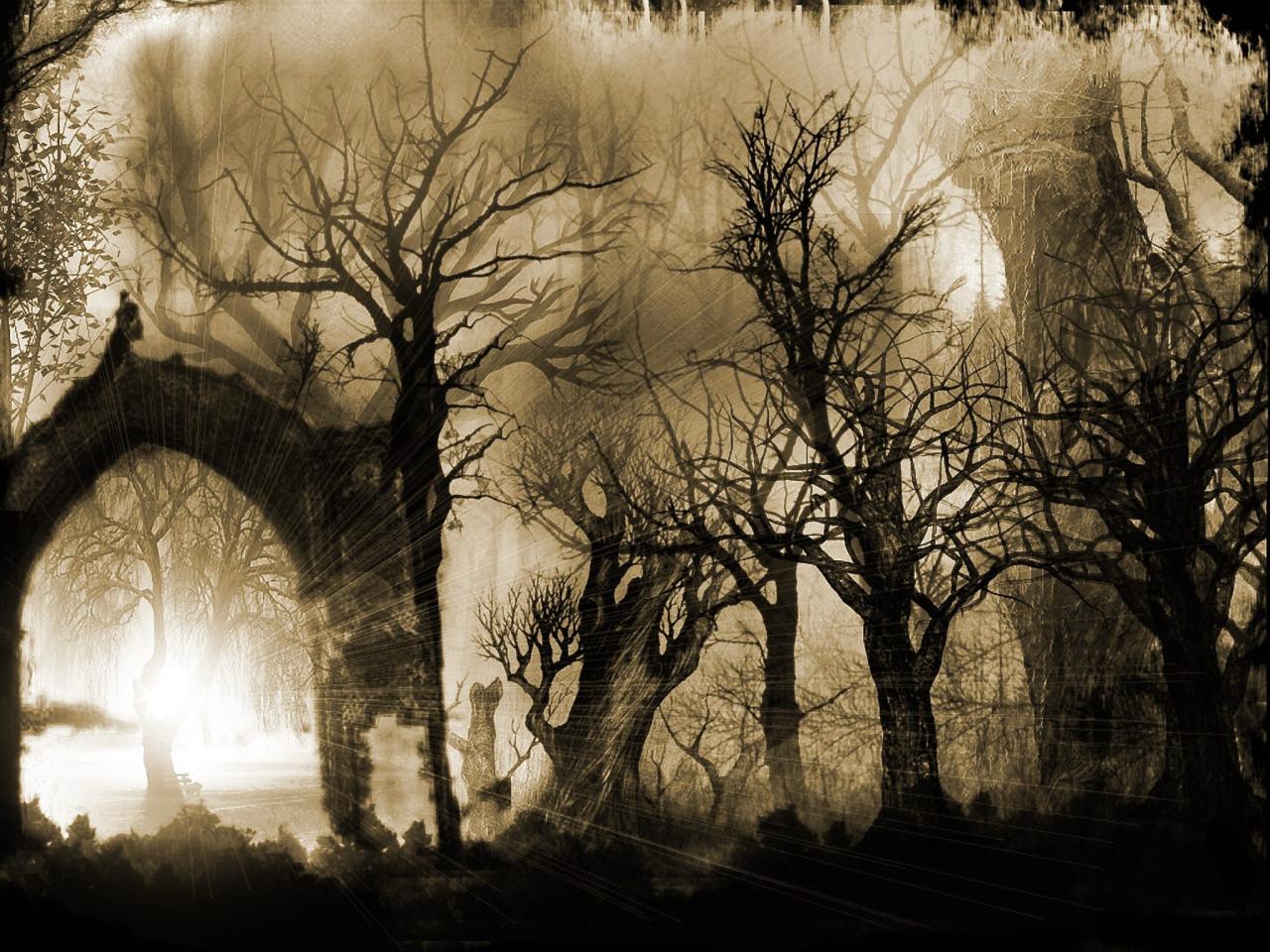
The genre of Gothic Horror has a profound psychological impact on its audience, tapping into deep-seated fears and anxieties that often remain unrecognized in everyday life. By blending elements of the supernatural, the grotesque, and the macabre, Gothic narratives provide a unique lens through which readers can explore their own fears and the darker aspects of human nature. The emotional responses evoked by these tales serve not only as entertainment but as a vehicle for introspection, allowing audiences to confront the unknown within themselves.
The use of fear is central to the effectiveness of Gothic Horror. Through atmospheric settings, haunting imagery, and psychological tension, authors cultivate an emotional landscape that resonates deeply with readers. Fear, in this context, is not merely a reaction but a tool designed to elicit a spectrum of emotional responses, from dread to exhilaration. The suspenseful build-up of a narrative can create a visceral connection, making the reader feel the protagonist’s terror and uncertainty. This shared experience can lead to catharsis, as confronting fears in a safe literary space allows individuals to process and reflect on their emotions, transforming dread into a form of empowerment.
Appeal of the grotesque and macabre in Gothic narratives
The allure of the grotesque and macabre in Gothic literature is undeniable. These elements engage audiences not only with their shocking imagery but also by challenging societal norms and moral boundaries. The grotesque often embodies the “other,” presenting characters that defy traditional notions of beauty and normalcy. In doing so, they serve as a stark reminder of human vulnerability and the chaotic nature of existence.
The fascination with the macabre speaks to a fundamental curiosity about death, decay, and the unknown. This morbid curiosity can be traced back to the very roots of Gothic literature, exemplified in classics like Mary Shelley’s “Frankenstein” or Edgar Allan Poe’s tales. These works invite readers to explore the darker facets of human experience, often evoking a mix of horror and empathy.
The exploration of taboo subjects in Gothic narratives resonates profoundly with contemporary audiences. Themes like mental illness, sexuality, and existential dread, although often shrouded in stigma, are handled with a level of authenticity in Gothic literature that is both unsettling and enlightening. Readers find themselves drawn to these narratives, as they mirror societal issues that remain relevant today. For instance, the portrayal of madness in works like “The Yellow Wallpaper” reflects ongoing conversations about mental health, creating a bridge between the historical context of the Gothic genre and modern sensibilities.
Overall, Gothic Horror’s psychological impact is a testament to its ability to weave complex emotional experiences into its narratives, providing not just fear, but a nuanced exploration of the human condition.
Delve into the role of the anti-hero in Gothic Horror tales.
The anti-hero occupies a unique and compelling space in Gothic Horror, serving as a complex figure that evokes both fascination and repulsion. Unlike traditional heroes, who embody virtue and morality, anti-heroes are often flawed characters whose actions and motivations blur the lines of right and wrong. Their presence in Gothic narratives amplifies the genre’s exploration of human psychology, morality, and the darker aspects of existence.
The characteristics defining the anti-hero in Gothic Horror include moral ambiguity, personal demons, and often a tragic backstory. These characters are frequently driven by desires that conflict with societal norms, challenging the reader’s understanding of morality. In many cases, they exhibit traits such as cynicism, emotional detachment, and a propensity for violence, which complicate their relationships with other characters and the world around them. Their internal struggles and external actions drive the narrative, often creating tension and suspense.
Iconic Anti-Heroes in Gothic Horror
The significance of iconic anti-heroes can be observed through notable characters like Heathcliff from Emily Brontë’s “Wuthering Heights” and Victor Frankenstein from Mary Shelley’s “Frankenstein.” Both characters embody the quintessential traits of the anti-hero, engaging in morally questionable actions while invoking sympathy from the audience.
Heathcliff, with his brooding presence and vengeful nature, exemplifies the complexities of love and revenge, reflecting the chaotic emotions inherent in human relationships. His actions, while often cruel, stem from profound loss and betrayal, prompting readers to grapple with their feelings toward him. Victor Frankenstein, on the other hand, embodies the dangers of unchecked ambition and scientific hubris. His tragic flaw leads to catastrophic consequences, which challenge the moral implications of creation and responsibility.
The role of these anti-heroes contributes to the complexity of Gothic storytelling by presenting characters who defy traditional moral values. They often engage in actions that question the very fabric of ethics, such as Heathcliff’s relentless pursuit of vengeance or Victor’s abandonment of his creation. This moral ambiguity invites readers to reflect on the nature of evil and the circumstances that lead individuals to transgress societal boundaries.
Ultimately, the anti-hero in Gothic Horror serves not only as a catalyst for tension and conflict but also as a mirror reflecting the darker facets of humanity, making them integral to the depth and richness of Gothic narratives.
Create a comparative analysis of Gothic Horror and other literary genres, such as Romanticism and Horror.
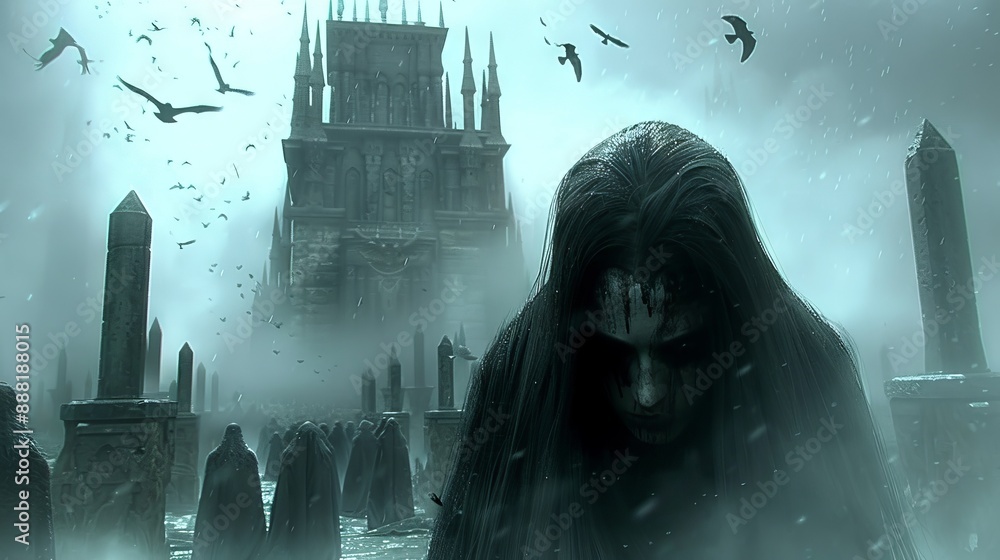
Gothic Horror is a unique literary genre that intertwines the elements of fear, the supernatural, and the exploration of human emotion. It stands apart yet shares significant overlaps with other genres like Romanticism and traditional Horror. Understanding these relationships enriches our comprehension of literary evolution and reader expectations in genre storytelling.
Gothic Horror primarily focuses on the darker aspects of human experience, often featuring decaying settings, haunted landscapes, and complex characters grappling with their inner demons. In contrast, Romanticism emphasizes the beauty and intensity of nature, the idealization of emotions, and the celebration of individualism. Despite these differences, both genres explore the depths of human experience and emotion, leading to a blend of themes that can create a complex reading experience.
Distinctive Features and Blending of Genres
The differences and overlaps between Gothic Horror and its contemporaries can be further elaborated through several key themes and examples:
- Atmosphere and Setting: Gothic Horror is characterized by its oppressive atmosphere and focus on settings like dark castles or remote mansions, which are often absent in Romantic literature. Conversely, Romanticism frequently highlights nature’s beauty, emphasizing landscapes that inspire awe and passion.
- Characterization: Gothic protagonists often face moral dilemmas and internal conflicts, while Romantic heroes embody the spirit of rebellion and personal expression. This internal struggle can lead to narratives that blend elements from both genres.
- Emotional Tone: The emotional tone in Gothic Horror is predominantly one of despair and dread, whereas Romanticism leans toward an exploration of sublime emotions like love and longing. However, the fusion of the two can evoke a broader emotional spectrum, such as the melancholic romanticism found in works like “Wuthering Heights”.
- Supernatural Elements: While both genres may contain supernatural elements, Gothic Horror typically uses them to invoke fear and suspense, whereas Romanticism uses them to reflect inner states and the sublime aspects of life.
Blending Gothic elements with other genres has resulted in fascinating literary works. For instance, Mary Shelley’s “Frankenstein” showcases Gothicism through its eerie settings and the theme of the monstrous, while also encapsulating Romantic ideals of individualism and the quest for knowledge. Similarly, the novel “The Picture of Dorian Gray” by Oscar Wilde merges Gothic motifs with aestheticism, exploring the duality of human nature and the consequences of hedonism.
This fusion influences reader expectations, as audiences anticipate a narrative that may oscillate between the emotional depth typical of Romanticism and the thrilling suspense of Gothic Horror. Narrative techniques also evolve, incorporating rich descriptions that evoke both beauty and horror, creating a unique atmosphere that captivates readers and amplifies their emotional engagement with the text.
Discuss the representation of gender in Gothic Horror literature.
Gothic Horror literature frequently navigates the intricate terrain of gender representation, particularly through the lens of female characters. Traditionally, these characters embody the dual themes of power and victimhood, often reflecting broader societal attitudes towards gender roles during the time of their creation. The genre is rich with tropes and archetypes, such as the damsel in distress, the femme fatale, and the innocent maiden, each signifying varied aspects of femininity and societal expectations. As Gothic literature evolved, so did its treatment of gender, leading to both conformity and challenge of the stereotypes prevalent in their respective eras.
Female Characters and Themes of Power and Victimhood
In Gothic Horror, female characters are frequently caught in a web of power dynamics, either as victims of male authority or as individuals who wrestle with their own agency. The portrayal of women often oscillates between these two extremes, mirroring the societal constraints placed upon them.
Many classic Gothic narratives feature female protagonists who endure immense suffering and oppression, symbolizing the threat of male dominance. For instance, in Mary Shelley’s “Frankenstein,” Elizabeth Lavenza is portrayed as a passive character, ultimately victimized by the monstrous consequences of Victor Frankenstein’s ambition. Her fate serves as a cautionary tale about the dangers of unchecked male ambition and the silencing of women’s voices.
Alternatively, some works challenge these traditional roles by presenting female characters who possess power and agency, subverting the expected victimhood. In “The Castle of Otranto” by Horace Walpole, the character of Isabella demonstrates resilience and cunning as she navigates her predicaments, showcasing the potential for female empowerment even within oppressive circumstances.
The significance of these portrayals extends beyond the boundaries of literature into the realm of social commentary. They reflect and shape societal views on gender, often revealing the underlying anxieties of the time concerning women’s roles. For example, the Victorian era, marked by strict gender roles, produced a wealth of Gothic texts that both reinforced and critiqued these norms.
Notable Works Challenging Gender Stereotypes
Several Gothic works have made substantial contributions to the discourse on gender by either reinforcing or challenging stereotypes.
- Jane Eyre by Charlotte Brontë: This novel presents Jane as a strong, independent woman who defies social conventions. Her quest for autonomy and self-respect resonates with feminist themes, making her a figure of empowerment.
- The Yellow Wallpaper by Charlotte Perkins Gilman: Through the lens of mental illness, this short story critiques the patriarchal medical practices of the time. The protagonist’s descent into madness serves as a metaphor for the oppression faced by women in society.
- The Haunting of Hill House by Shirley Jackson: This work explores complex female psyches and relationships, presenting characters who challenge traditional notions of femininity and vulnerability.
- Beloved by Toni Morrison: While not strictly Gothic, it incorporates elements of horror and addresses themes of motherhood, trauma, and the power dynamics within gender relations in a profoundly societal context.
The representation of gender in Gothic Horror literature thus serves as a reflection of societal norms, anxieties, and transformations. By examining the intersections of power and victimhood within these narratives, readers gain insight into the evolving perceptions of gender roles and the continuing relevance of these themes in contemporary discussions about femininity and empowerment. These portrayals not only serve to entertain but also provoke thought and discussion about the societal structures that persist in influencing gender dynamics today.
Wrap-Up
In conclusion, Gothic Horror remains a powerful exploration of the human psyche and societal fears, transcending time and continuing to captivate audiences. This genre invites readers to confront their deepest anxieties through the lens of the supernatural and the uncanny. As we reflect on its evolution, themes, and psychological impact, it’s clear that Gothic Horror not only entertains but also challenges us to look inward and confront the darkness that resides within us all.
Commonly Asked Questions
What are the main characteristics of Gothic Horror?
Main characteristics include dark settings, supernatural elements, emotional extremes, and a focus on the psychological and physical horrors of isolation and madness.
How has Gothic Horror influenced modern literature?
Gothic Horror has paved the way for various literary movements, influencing horror, fantasy, and even romance genres, by incorporating elements such as the grotesque and the exploration of taboo subjects.
Are there modern adaptations of Gothic Horror?
Yes, many films, TV shows, and video games have adapted Gothic Horror themes, often updating the settings and characters while maintaining the core elements of suspense and horror.
Why is the anti-hero significant in Gothic Horror?
The anti-hero embodies moral ambiguity and complexity, challenging traditional notions of good and evil, and adds depth to the narrative by presenting flawed characters that resonate with readers.
How does gender representation play a role in Gothic Horror?
Gender representation often highlights themes of power and victimhood, with female characters frequently navigating societal constraints, which can either reinforce or challenge stereotypes of their time.