
 Eric
Eric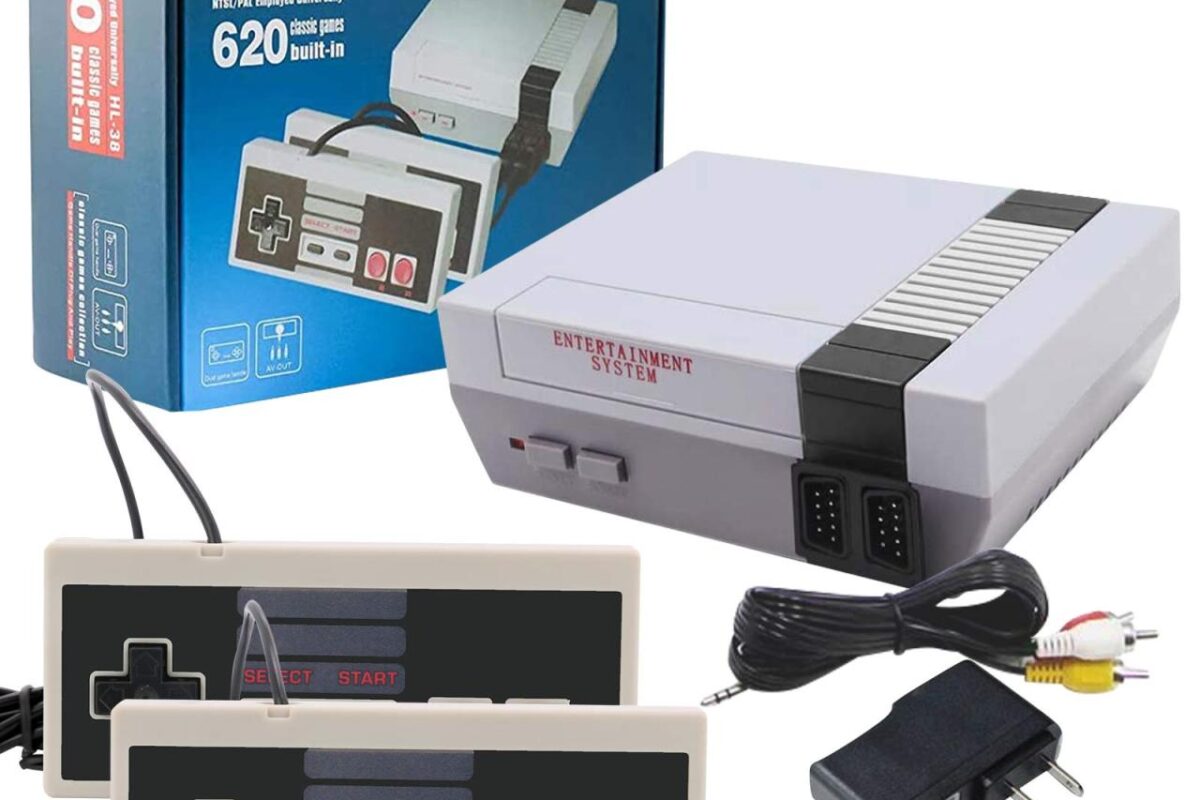
Retro Video Game has carved a niche in the hearts of gamers and enthusiasts alike, serving as a bridge between generations. These games, often characterized by their pixelated graphics and simplistic mechanics, evoke a strong sense of nostalgia, reminding us of a time when gaming was all about fun and creativity.
From reshaping popular culture to establishing iconic characters, retro video games have left an indelible mark on society. This exploration delves into their cultural impact, the evolution of game design, and the vibrant communities that keep the spirit of retro gaming alive today.
The Cultural Impact of Retro Video Games
The advent of retro video games in the late 20th century marked a significant transformation in societal dynamics, influencing not just gaming enthusiasts but also mainstream culture. Classic titles like Pac-Man, Super Mario Bros., and The Legend of Zelda became cultural phenomena, shaping social interactions and leisure activities. This era introduced a new form of entertainment that transcended generations, fostering communities and shared experiences around gaming.
Retro video games have left an indelible mark on popular culture, notably in films and television. The unmistakable 8-bit graphics and iconic characters have been reference points in various media, illustrating their pervasive influence. Notable films like “Wreck-It Ralph” and shows such as “Stranger Things” showcase retro gaming elements, appealing to both nostalgic adults and younger audiences. These portrayals often evoke fond memories and highlight the role of gaming in shaping personal and collective identities.
Societal Changes Brought About by Retro Video Games
The introduction of retro video games catalyzed various societal changes, including shifts in entertainment consumption and social interaction. Video games became a new medium for storytelling, allowing players to engage in narratives actively. This change in interaction fostered a sense of community among gamers, leading to the creation of gaming clubs and online forums.
- Increased Social Connections: As players gathered in arcades or online, they formed friendships and communities, breaking down geographical barriers.
- Development of New Skills: Players often developed problem-solving abilities and strategic thinking through gameplay, skills that have transcended gaming into everyday life.
- Representation and Diversity: Retro games began to introduce diverse characters, paving the way for wider representation in gaming, which is increasingly important in today’s culture.
Nostalgia Factor Associated with Retro Gaming
Nostalgia plays a crucial role in the ongoing popularity of retro gaming. For many, these games are a portal to simpler times, evoking fond memories of childhood and early gaming experiences. The resurgence of interest in retro titles can be attributed to several factors that connect the past with the present.
- Emotional Connection: Many players associate retro games with personal milestones and social experiences, enhancing their emotional value.
- Cultural Resurgence: Events such as retro game tournaments and conventions celebrate the history of gaming and attract both old and new players.
- Modern Adaptations: Developers have embraced retro aesthetics, creating new games with vintage graphics and gameplay styles that resonate with nostalgic players.
“Retro video games serve as a cultural bridge, linking generations through shared experiences and memories.”
The Evolution of Game Design in Retro Video Games
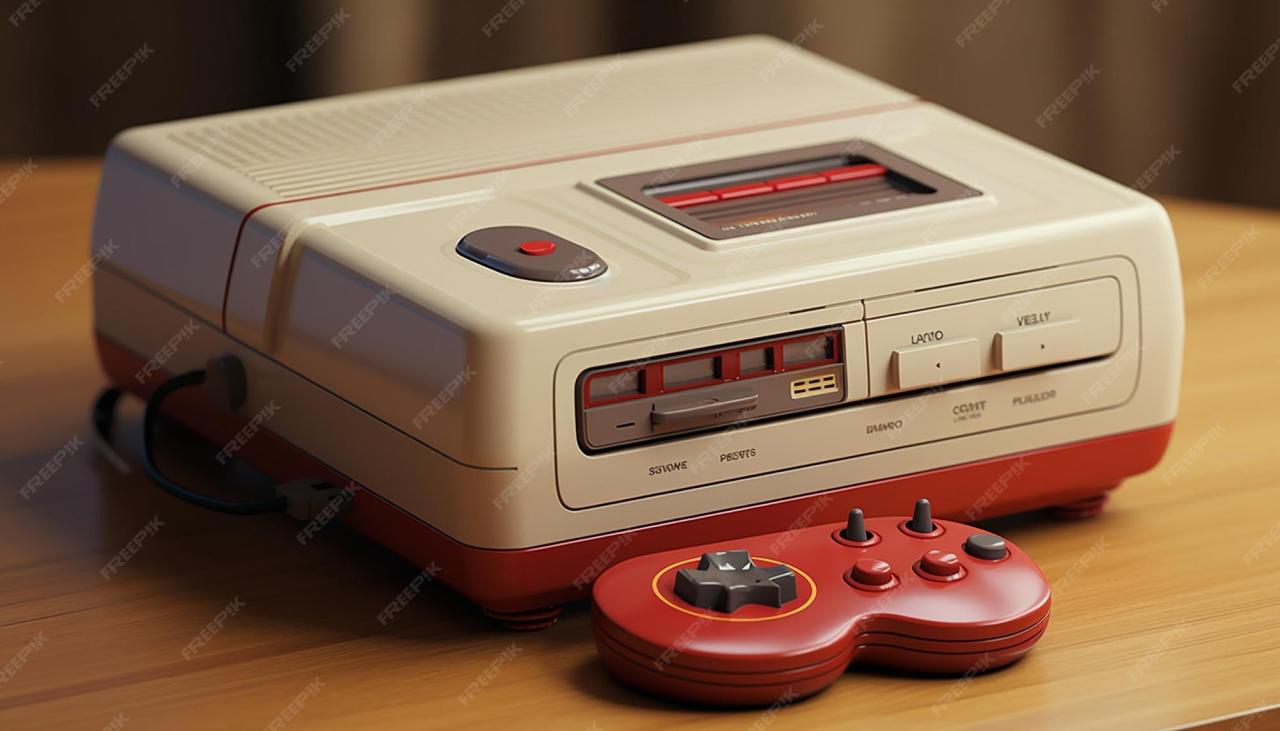
The evolution of game design in retro video games is a fascinating journey that showcases the creativity, innovation, and adaptability of developers working with the constraints of their time. From the simple graphics and sound of early arcade games to the intricate narratives of home console experiences, retro games laid the foundational principles that still influence game design today. This segment delves into the game design principles that defined this early era, the technological limitations faced by developers, and how remnants of retro mechanics persist in modern gaming.
Game Design Principles of Retro Video Games
Retro video games were characterized by several key design principles that shaped how players interacted with the medium. These principles included:
- Gameplay Over Graphics: Early developers prioritized engaging gameplay over sophisticated graphics due to technological limitations. The emphasis was on making games fun and addictive, often through simple mechanics that were easy to learn but difficult to master.
- Score-Based Systems: Many games featured score-based systems, encouraging competition among players. High scores became a benchmark for success, fostering community engagement in arcades and among friends.
- Level Design and Progression: Levels were designed to gradually increase in difficulty, providing players with a sense of achievement as they progressed. This method not only kept players engaged but also allowed for skill development.
- Limited Controls: Retro games often had simple control schemes, typically involving a joystick and a few buttons. This simplicity made games accessible to a broad audience while still allowing for intricate gameplay experiences.
Technological Limitations versus Modern Advancements
The technological constraints of the retro gaming era significantly influenced game design. Developers had to work with limited processing power, memory, and storage capacity, which shaped the aesthetics and mechanics of the games. For instance, the 8-bit graphics of the NES or the pixel art of the Atari 2600 were not merely stylistic choices but necessities of the hardware. In contrast, modern gaming technology supports high-definition graphics, sophisticated AI, and complex physics engines, allowing for immersive experiences that were unimaginable in the past.
“The simplicity of retro games taught players that compelling gameplay often outweighs visual fidelity.”
Despite these advancements, some retro design philosophies remain relevant. Modern games often incorporate pixel art styles for nostalgia, and many indie developers embrace minimalism, recognizing that fun gameplay can thrive in simpler formats.
Relevance of Retro Game Mechanics in Contemporary Design
The impact of retro game mechanics is evident in many contemporary titles. Game developers frequently draw inspiration from retro games, adapting classic mechanics for new audiences. This connection can be seen in the resurgence of 2D platformers and roguelikes which embody the simplicity and challenge of their predecessors.
- Indie Game Resurgence: Many indie games replicate the charm of retro gaming with pixelated graphics and straightforward gameplay, often prioritizing creativity and innovation.
- Game Mechanics Evolution: Modern iterations of classic mechanics, such as power-ups and level systems, are ubiquitous in today’s games. Titles like “Celeste” and “Shovel Knight” embrace these elements while adding depth and narrative.
- Nostalgia Marketing: The nostalgia factor drives consumer interest in remakes and sequels of classic titles, showcasing the lasting appeal of retro design.
Iconic Characters from Retro Video Games
The world of retro video games is filled with memorable characters that have left a lasting impact on both the gaming industry and popular culture. These characters not only defined the gaming experience of their time but also paved the way for the development of character-driven narratives in modern gaming. Their significance goes beyond just gameplay mechanics; they embody the charm, creativity, and innovation of an era that continues to influence game design today.
One of the most remarkable aspects of iconic retro characters is their character development strategies. Unlike modern titles that often rely on complex storylines and character arcs, retro games typically employed simpler yet effective characterization techniques. These strategies included a focus on distinctive visual styles, unique abilities, and memorable catchphrases that made them easily recognizable. Characters like Mario, Sonic, and Link were designed with clear, straightforward traits that resonated with players and contributed to their popularity.
Significant Characters and Their Evolution
Examining the most iconic characters from retro video games reveals the foundational role they played in shaping gaming narratives. Below are a few notable examples:
- Mario: Originally introduced in “Donkey Kong” in 1981, Mario became synonymous with Nintendo and platform gaming. With his simple design and relatable persona, Mario’s adventures have expanded from jumping on platforms to saving the Mushroom Kingdom, showcasing his adaptability over the years.
- Sonic the Hedgehog: Launched in 1991, Sonic represented the fast-paced, edgy side of gaming with his cool attitude and speed. The character’s design and gameplay mechanics were revolutionary, and he became a symbol of the Sega brand, evolving into a cultural icon with various spin-offs and adaptations in media.
- Link: The protagonist of “The Legend of Zelda,” Link has undergone significant design changes since his first appearance in 1986. His character embodies the hero’s journey and has evolved through various titles, incorporating richer narratives and deeper character interactions while maintaining his core as the courageous hero.
These characters have not only evolved in their appearances and narratives but have also influenced the broader gaming landscape. The significance of their development strategies is evident in how they have inspired modern character design. Retro characters often relied on universal themes of good vs. evil, friendship, and adventure, which continue to resonate today.
“The simplicity of character design in retro games allowed for a deeper connection between players and characters, often evoking nostalgia and emotional engagement.”
As gaming technology advanced, so too did the complexity of character development. However, the essence of what made these retro characters appealing remains relevant. They taught developers the importance of creating relatable heroes and villains that players could connect with, sparking a trend in character-driven storytelling that persists in modern gaming.
The Collectibility of Retro Video Games
The trend of collecting retro video games has surged in recent years, driven by nostalgia, the rarity of certain titles, and the sense of community among collectors. This phenomenon not only celebrates the history of gaming but also offers potential financial rewards. A growing number of enthusiasts are diving into the world of retro gaming, seeking to preserve and enjoy the classic titles that shaped their childhoods.
The value of retro video games can vary significantly based on several factors, including game rarity, condition, and demand among collectors. Titles that were produced in limited quantities or that are associated with iconic franchises tend to fetch higher prices. For instance, games like “Super Mario Bros.” for the NES or “The Legend of Zelda” are not just celebrated for their gameplay but are also seen as valuable collectibles, often selling for thousands of dollars when in pristine condition. Collectors are particularly drawn to complete in-box (CIB) versions of games, which include the original packaging and manuals, further enhancing their desirability.
Starting a Retro Video Game Collection
For those interested in embarking on a retro video game collection, there are several important steps to consider. Understanding the market and being strategic about purchases can make the experience both enjoyable and rewarding.
Begin with research to gain insight into the most sought-after titles and the current market trends. Familiarizing yourself with online databases and collector forums can provide valuable information about pricing and rarity. Here are some tips to effectively start your collection:
- Focus on a specific console or genre that resonates with you. This specialization can help streamline your collection efforts and enhance your enjoyment.
- Attend local gaming conventions, flea markets, and thrift stores to discover hidden gems. Often, these venues offer opportunities to find valuable games at reasonable prices.
- Join online communities or forums dedicated to retro gaming. Networking with other collectors can provide insights and potential trading opportunities.
- Prioritize the condition of the games. Always examine the physical state and, if possible, test cartridges before purchasing to ensure they are functioning correctly.
- Consider investing in preservation tools, such as protective cases, to keep your collection in top condition over time. Proper storage is essential for maintaining the value of your games.
Collecting retro video games goes beyond mere acquisition; it’s about cherishing the memories and experiences each title brings. As you build your collection, remember the importance of patience and passion in this rewarding hobby.
Retro Video Game Communities and Events
The world of retro gaming is not just about the games themselves, but also about the vibrant communities that have formed around them. Online forums, social media groups, and local clubs serve as gathering places for fans to share their passion, swap tips, and reminisce about the golden age of gaming. These communities foster a sense of belonging and nostalgia, playing a crucial role in keeping the spirit of retro gaming alive.
Gaming conventions are vital in celebrating and promoting retro gaming culture, allowing enthusiasts to come together in a shared space to celebrate their favorite titles, consoles, and memorabilia. These events often feature panels, exhibits, and even competitions that revolve around classic games, providing fans with a unique opportunity to connect with like-minded individuals and industry veterans.
Popular Retro Gaming Events Globally
Numerous retro gaming events take place worldwide, each offering fans a unique experience and a chance to engage with the culture they cherish. Below is a list of some of the most significant events in the retro gaming community:
- Portland Retro Gaming Expo (PRGE) – Held annually in Portland, Oregon, this expo is one of the largest gatherings of retro gaming enthusiasts in the United States. It features a massive marketplace, panels with industry legends, and tournaments featuring classic games.
- California Extreme – This event focuses on arcade games and pinball machines, showcasing a vast array of playable machines. Located in Santa Clara, California, California Extreme celebrates the history of arcade gaming and allows visitors to relive their childhood experiences.
- MAGFest (Music and Gaming Festival) – A unique blend of music and gaming, MAGFest takes place in National Harbor, Maryland. The event features live music performances, panels on gaming culture, and an extensive gaming area where retro games are prominently featured.
- Retro World Expo – Located in Hartford, Connecticut, this expo brings together fans for panels, vendors, and gaming competitions. It emphasizes the importance of preserving retro gaming history and offers a nostalgic trip down memory lane.
- Game On Expo – Held in Phoenix, Arizona, Game On Expo combines video games, tabletop gaming, and cosplay. Its focus on retro games is evident in its vendor hall and guest panels, making it a must-attend for retro enthusiasts.
These events not only serve as a platform for nostalgia but also encourage the preservation of gaming history, allowing fans to celebrate the games that shaped their childhoods while fostering new friendships and connections.
The Technology Behind Retro Video Games
The technology that powered retro video games is a fascinating blend of hardware and software that laid the foundation for the entire gaming industry. The constraints of the time, including limited processing power and storage capacity, shaped the way games were developed and played. Despite these limitations, developers showcased incredible creativity to deliver memorable gaming experiences.
The primary hardware limitations during the production of retro games revolved around the capabilities of early consoles, which often had modest CPUs and minimal RAM. For instance, the Nintendo Entertainment System (NES) operated with a CPU clocked at just 1.79 MHz and 2 KB of RAM. This meant that developers had to be innovative in their approach, utilizing techniques such as sprite flickering and tile-based graphics to create visually engaging games. The software side was equally constrained; early programming languages and development tools were rudimentary, which hampered the complexity of the games that could be produced.
Significance of Cartridges and Disks
Cartridges and disks played a pivotal role in the gaming experience of retro video games. These physical media not only served as the primary method of distributing games but also defined how players interacted with and accessed content. The use of cartridges, like those for the Atari 2600 or NES, allowed for quick loading times and relatively easy access to game data, which was crucial given the limited storage capacities of the consoles. Each cartridge housed ROM chips that contained the game’s data, which could be accessed almost instantaneously upon insertion.
The introduction of floppy disks and later CD-ROMs represented significant advancements, offering larger storage capacities that enabled more complex games. For example, the Sega CD utilized compact discs to provide full-motion video and enhanced audio, which transformed the gaming landscape. This evolution in media not only allowed for richer storytelling and more detailed graphics but also set the stage for the multimedia experiences we enjoy in modern gaming.
The limitations of retro gaming technology inspired innovative solutions that paved the way for future advancements in the industry.
The technological groundwork laid by retro gaming has been instrumental in shaping modern gaming innovations. The constraints faced by developers led to the creation of iconic gameplay mechanics and design principles that are still prevalent today. For instance, the pixel art style born from the necessity of limited graphical capabilities has seen a resurgence in indie games, reflecting a nostalgic appreciation for the aesthetics of retro games. Additionally, the simplicity and focus on core gameplay mechanics from that era have inspired modern developers to prioritize engaging gameplay over photorealistic graphics.
In summary, the technology behind retro video games was defined by its limitations and innovations. From the hardware constraints that demanded creativity to the significance of physical media that shaped user experiences, these elements laid a crucial foundation for the evolution of gaming technology that we continue to build upon today.
The Role of Music and Sound in Retro Video Games
The music and sound effects in retro video games played a pivotal role in shaping the gaming experience. Chiptune music, characterized by its simplistic yet catchy melodies created using synthesizers and sound chips, not only enhanced the aesthetic of video games but also contributed significantly to gameplay. The limitations of early hardware necessitated creative solutions to audio design, resulting in unique soundscapes that remain nostalgic to many players today.
Impact of Chiptune Music on Gaming Experience
Chiptune music, with its distinctive sound, became a defining feature of many retro games. Composers utilized the limited audio capabilities of systems like the NES and Game Boy to their advantage, creating memorable soundtracks that resonated with players. The upbeat and energetic nature of chiptune music often matched the fast-paced action of the games, creating an immersive atmosphere that drew players into the game world.
- Memorable Melodies: Many retro games featured catchy tunes that players could easily hum or recall. For example, the theme from “Super Mario Bros.” is instantly recognizable and evokes a sense of nostalgia.
- Emotional Engagement: Music often set the emotional tone for gameplay, enhancing the overall experience. The somber tracks in “The Legend of Zelda” during moments of exploration created a sense of adventure and wonder.
- Gameplay Feedback: Chiptune music often responded to player actions, such as level completion or character deaths, reinforcing the impact of those events through auditory cues.
Creation and Significance of Sound Effects
Sound effects in retro video games were crafted using a combination of synthesized sounds and samples. Developers relied on the hardware limitations to produce sounds that were not only effective but also fitting within the game’s design. These sounds contributed to gameplay by providing essential feedback, indicating actions like jumps, item pickups, and enemy encounters.
- Use of Square and Triangle Waves: Commonly utilized in 8-bit systems, these waveforms created recognizable sounds that were integral to the game’s audio identity.
- Feedback Mechanism: Sound effects communicated player actions and game states, enhancing player immersion and understanding of game mechanics.
- Environmental Sounds: Background sound effects established the setting and mood of a game, enriching the player’s experience and drawing them into the game world.
Memorable Soundtracks and Their Enduring Legacy
Several retro games have soundtracks that have not only defined the era but have also influenced modern gaming music. These soundtracks continue to be celebrated through remixes, covers, and adaptations, showcasing their lasting impact.
- “Final Fantasy VI”: Composed by Nobuo Uematsu, its score features orchestral arrangements that are still highly regarded in the gaming community.
- “Mega Man 2”: The energetic and unique tracks from this game are often cited as some of the best in chiptune history, influencing countless indie games today.
- “Tetris”: The iconic “Korobeiniki” theme has transcended the game itself, becoming a symbol of gaming culture and often referenced in various media.
The Resurgence of Retro Video Games in Modern Times
The revival of retro video games has taken the gaming world by storm, captivating both nostalgic players and new generations alike. With the advent of modern technology, many classic titles have been remade or re-released on contemporary platforms, allowing gamers to experience beloved childhood favorites in enhanced formats while preserving their original charm.
In recent years, the trend of remaking or re-releasing retro games has surged, providing a fresh take on timeless titles while retaining their core gameplay mechanics. Modern adaptations often utilize advanced graphics, improved sound quality, and refined controls to enhance the gaming experience. These updates breathe new life into old classics, making them accessible and appealing to a new audience. For instance, games like “Final Fantasy VII Remake” and “The Legend of Zelda: Link’s Awakening” have utilized state-of-the-art technology to deliver a visually stunning experience while honoring their roots.
Modern Adaptation Techniques Compared to Original Games
The methods employed in modern adaptations of retro games vary significantly from those used in the original games. Developers often take a multi-faceted approach to redesigning these classics. Here are key differences:
- Graphics and Visuals: Original games, constrained by the technology of their time, featured pixel art and simple animations. Modern remakes leverage high-definition graphics, 3D environments, and realistic textures, creating a visually immersive experience.
- Sound Design: Classic titles had limited audio capabilities, often featuring chiptune music and basic sound effects. Current adaptations use orchestral scores, improved sound quality, and dynamic audio environments to elevate the gameplay experience.
- Gameplay Mechanics: Many original games had rigid control schemes and limited gameplay mechanics. Today’s reboots often include refined controls, additional gameplay options, and modern design philosophies, making the games more intuitive and engaging.
Appeal of Retro Games in Today’s Gaming Landscape
Retro games resonate strongly in today’s gaming landscape due to several appealing factors that attract diverse player demographics. The blend of nostalgia, simplicity, and innovative adaptations contributes to their ongoing popularity.
- Nostalgia Factor: Many players cherish their childhood memories associated with classic games, providing an emotional connection that drives interest in remakes and re-releases.
- Simplicity and Accessibility: Retro games often feature straightforward gameplay mechanics that are easy to understand, making them accessible to new gamers who may find modern games overly complex.
- Cultural Influence: Retro games have profoundly influenced modern gaming culture, with iconic characters and stories that continue to inspire new titles, leading to a cycle of appreciation and revival.
- Community and Multiplayer Experiences: The resurgence often promotes a sense of community among players, with many classic titles receiving multiplayer updates, allowing friends to enjoy these games together, whether locally or online.
Retro games are not just a blast from the past; they represent a cultural touchstone that bridges generations of gamers.
The Influence of Retro Video Games on Indie Developers
The resurgence of retro video games has significantly impacted the indie game development scene, encouraging a wave of creativity and nostalgia-driven design choices. With a focus on pixel art, simple mechanics, and engaging storytelling, many indie developers are drawing inspiration from the classics. This influence is not only aesthetic but also extends into gameplay dynamics that resonate with a diverse gaming audience. As a result, indie titles that pay homage to their retro predecessors are gaining traction and recognition in the gaming industry.
Impact of Aesthetics and Mechanics
Retro gaming aesthetics, characterized by pixelated graphics and chiptune music, have become a hallmark of indie games. These elements evoke a sense of nostalgia, appealing to audiences who have fond memories of early gaming. The mechanics often reflect simplicity and accessibility, allowing players to dive into the experience without overwhelming complexity. This has led to the creation of games that prioritize core gameplay loops, often reminiscent of titles from the 8-bit and 16-bit eras. Notable examples include:
- Celeste: This platformer combines pixel art with tight controls and a heartfelt narrative, paying homage to retro games while innovating in gameplay.
- Shovel Knight: Featuring a retro aesthetic and gameplay reminiscent of classic platformers, this indie title has garnered critical acclaim and commercial success.
- Stardew Valley: Drawing inspiration from classic farming simulation games, it blends retro graphics with modern gameplay mechanics, creating a beloved experience for players.
Success Stories of Indie Games
Indie games that successfully channel retro influences showcase the potential for innovation within traditional frameworks. These titles often achieve commercial success, proving that nostalgia can be a powerful tool in the gaming market. Some standout examples include:
- Undertale: This RPG cleverly utilizes retro graphics and humor, creating a unique experience that resonates deeply with players.
- Hyper Light Drifter: Combining retro visuals with modern design elements, this action-adventure game captures the essence of classic games while offering fresh gameplay.
- Cuphead: Notably known for its hand-drawn animation style reminiscent of 1930s cartoons, it embodies the spirit of retro gaming through its challenging gameplay and aesthetic fidelity.
Nostalgia in Marketing
Nostalgia plays a crucial role in the marketing strategies of indie titles, tapping into the emotional connections that players have with retro games. This strategy is leveraged through various channels, creating an engaging narrative around the game’s development and aesthetic. Marketing approaches often include:
- Promotion through retro-themed trailers that highlight classic gaming references.
- Utilization of social media platforms to share nostalgic artwork and behind-the-scenes content, fostering a community of like-minded fans.
- Participation in gaming festivals that celebrate retro gaming culture, allowing developers to showcase their games to an audience that appreciates the homage.
“Nostalgia not only creates a bridge to the past but also inspires a new generation of gamers to explore the creativity of indie developers.”
The Future of Retro Video Games
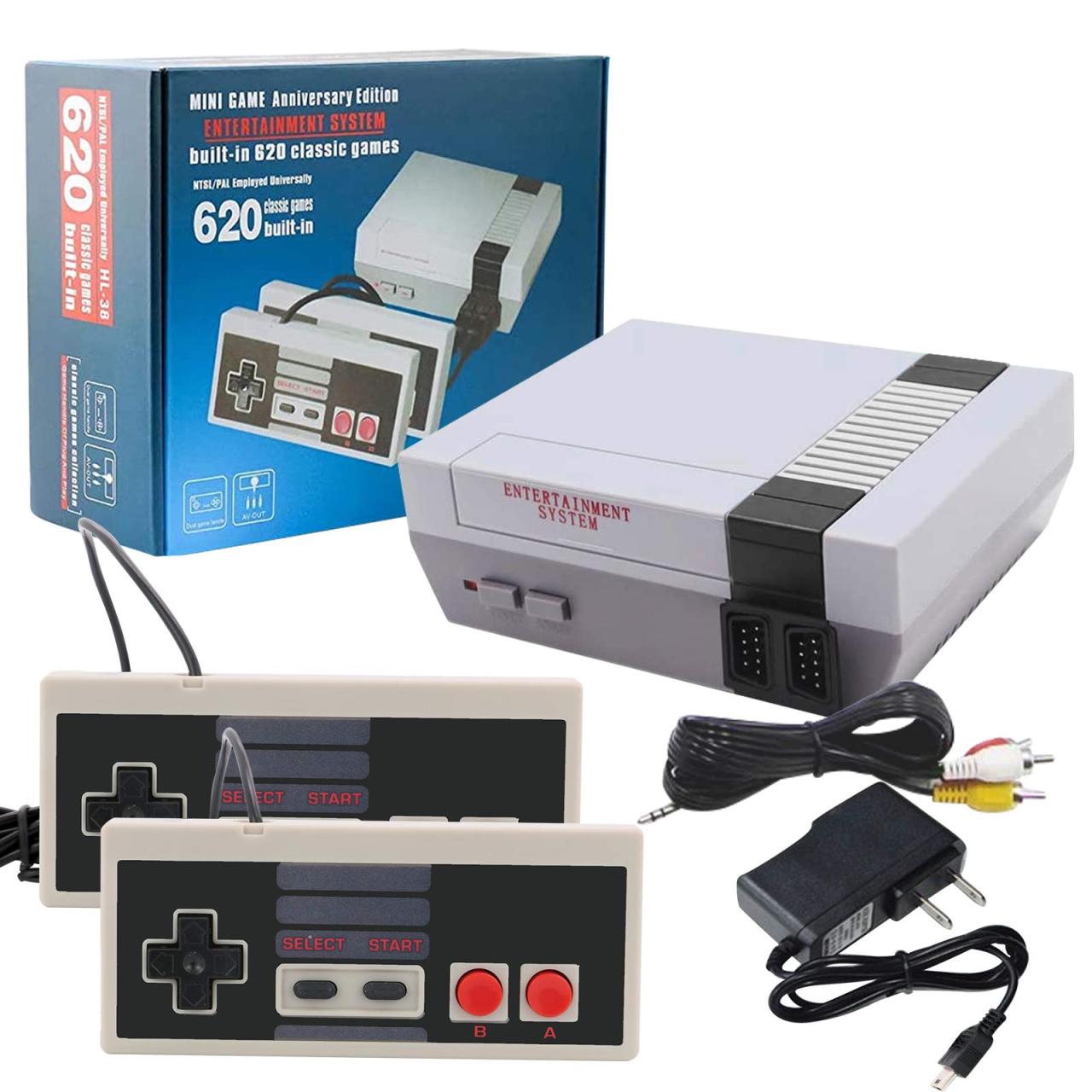
As the gaming landscape continues to evolve, retro video games are finding their place in a modern context. This nostalgia-driven sector is not just surviving but thriving, thanks to a blend of technological advancements and creative reimaginings. The future of retro gaming promises to be an exciting fusion of the old and new, featuring innovations that enhance gameplay while preserving the charm of original games.
Technological advancements are set to revolutionize the way retro video games are experienced. From powerful emulators to enhanced graphic capabilities, the traditional pixel art style of retro games is being transformed while still maintaining its classic appeal. The integration of high-definition graphics and improved sound quality allows players to experience beloved titles in a new light, attracting both seasoned gamers and a younger audience.
Virtual Reality and Augmented Reality in Retro Gaming
The use of virtual reality (VR) and augmented reality (AR) is paving the way for innovative gameplay experiences that blend the nostalgia of retro games with modern technology. These immersive technologies are being explored to recreate classic gaming experiences in ways that were previously unimaginable.
For instance, imagine stepping into the world of “Super Mario Bros.” via a VR headset, where players can physically navigate through levels and interact with characters in a 360-degree environment. This not only heightens the engagement but also introduces new gameplay mechanics that can refresh the overall experience.
The potential impact of AR can be illustrated through the reimagining of games like “Duck Hunt.” By using AR technology, players could aim and shoot at digital ducks in their real-world surroundings, transforming the way they interact with the game.
The ongoing evolution of retro gaming through these technologies signals a significant shift in how players will engage with classic titles. With the rise of platforms that support VR and AR, the possibility of revisiting retro classics in a fully immersive format is becoming a reality.
The integration of VR and AR into retro gaming is not merely about graphics; it’s about creating an entirely new way to experience beloved titles.
As the gaming industry continues to innovate, the future of retro video games will likely see a greater emphasis on community engagement, with players able to connect and compete in new ways, bridging generational gaps and enhancing the gaming culture. The retro gaming community is expected to thrive as developers tap into these advancements, ensuring that classic games remain relevant and enjoyable for years to come.
Final Review
In summary, the legacy of Retro Video Games continues to thrive, influencing not just players but also modern game developers and indie creators. As the gaming landscape evolves, the charm of retro games remains, reminding us of the joy and simplicity that first drew us to this beloved medium.
Helpful Answers
What defines a retro video game?
A retro video game is typically characterized by its release during the 1970s to the early 2000s, featuring pixel art graphics and simpler gameplay mechanics.
Why are retro video games so popular today?
The enduring popularity of retro video games is largely due to nostalgia, as they remind players of their childhood and early gaming experiences.
How can I start collecting retro video games?
Begin by researching popular titles, attending gaming conventions, and visiting local thrift stores or online marketplaces to find hidden gems.
Are there modern games inspired by retro video games?
Yes, many modern indie games draw inspiration from retro aesthetics and gameplay mechanics, blending nostalgia with contemporary themes.
What role does music play in retro video games?
Music and sound effects in retro games significantly enhance the gameplay experience, often becoming iconic elements that players remember fondly.