
 Eric
Eric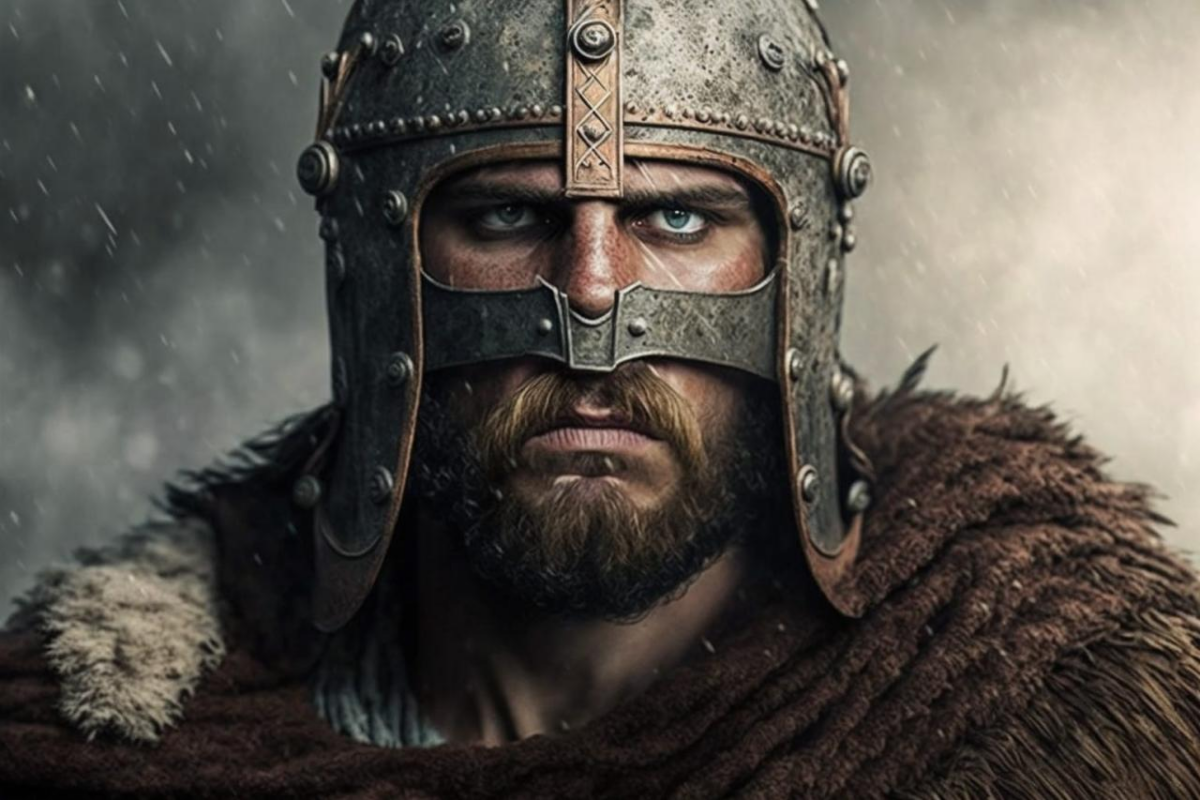
Delving into Iron Age Medieval, this introduction immerses readers in a unique and compelling narrative, exploring the profound transformations that bridged the Iron Age and the Medieval era. This period, marked by significant cultural and technological advancements, laid the foundation for the societies that followed.
The transition from the Iron Age to the Medieval era was not merely a change in time but a pivotal shift in human experience, characterized by the rise of influential civilizations, innovative warfare, evolving trade practices, and profound changes in art and spirituality. Understanding this dynamic era helps us appreciate the roots of modern societies.
The Iron Age and its Transition into the Medieval Era
The Iron Age, spanning from approximately 1200 BCE to around 500 CE, marked a significant turning point in human history, characterized by the widespread use of iron tools and weapons. The transition into the Medieval Era, often seen as beginning around 500 CE, was marked by profound changes in social structures, culture, and technology across various regions. This period was defined not only by the collapse of empires but also by the emergence of new political systems and cultural identities.
The Iron Age was notable for its advancements in technology and culture, which laid the foundation for the subsequently evolving Medieval Era. Ironworking technology allowed for stronger tools and weapons, enabling more efficient agriculture and advanced warfare. Societies began to develop more complex structures, including trade systems, urban centers, and artistic expressions. The major events that influenced the transition into the Medieval period included the fall of the Western Roman Empire, which symbolized a shift towards feudalism, and the rise of various regional powers that began to dominate the European landscape.
Major Events Influencing the Transition
Several key events marked the transition from the Iron Age to the Medieval period, each contributing to the reshaping of societies across Europe and beyond.
- The Fall of the Western Roman Empire (476 CE) led to political fragmentation in Europe and the rise of local kingdoms.
- The Migration Period, characterized by the movement of various tribes such as the Goths and Vandals, resulted in cultural exchanges and conflicts that reshaped territories.
- The spread of Christianity during this time established new religious frameworks that influenced governance and societal norms.
- The establishment of the Byzantine Empire preserved aspects of Roman culture while simultaneously evolving into a distinct entity.
Cultural and Technological Advancements
The Iron Age was a period marked by significant cultural and technological advancements that set the stage for the emerging Medieval culture.
- Iron metallurgy revolutionized tool-making and agriculture, providing more durable and efficient implements for farming and warfare.
- Trade networks expanded, facilitating the exchange of goods, ideas, and cultural practices across regions and leading to increased interaction among diverse groups.
- Art and craftsmanship flourished, evident in sophisticated pottery, jewelry, and weaponry, showcasing the skill and creativity of Iron Age artisans.
- The development of written languages and record-keeping systems allowed for the documentation of laws, treaties, and histories, enhancing governance.
Geographical Regions Affected by Transitions
The transition from the Iron Age to the Medieval Era was felt across various geographical regions, each experiencing unique transformations.
- In Western Europe, the fall of Rome led to the fragmentation of territories and the rise of feudal systems.
- Eastern Europe saw the rise of the Byzantine Empire, which maintained Roman traditions while evolving its own distinct identity.
- The Middle East, influenced by the spread of Islam, experienced significant cultural and scientific advancements that would shape the future of the region.
- In the British Isles, the Iron Age saw Celtic cultures flourish, which transitioned into the Medieval period with the establishment of kingdoms and the spread of Christianity.
Significant Societies of the Iron Age
The Iron Age saw the emergence of several notable civilizations that left a lasting impact on human history. This period, characterized by the widespread use of iron for tools and weapons, fostered the rise of complex societies and significantly influenced subsequent eras, particularly the Medieval period. Understanding these societies provides insight into how their achievements, governance structures, and cultural practices shaped the future.
Among the most influential civilizations during the Iron Age were the Celts, the Hittites, and the early civilizations of Greece and Rome. Each of these cultures displayed unique social structures, which in turn influenced their political organization, economic practices, and interactions with neighboring communities.
Notable Iron Age Civilizations
Several civilizations distinguished themselves during the Iron Age, each contributing to advancements in technology, governance, and culture.
- The Celts: Spread across Europe, the Celtic tribes were known for their rich culture, art, and warrior society. They established complex tribal structures and engaged in trade across vast regions.
- The Hittites: Located in Anatolia, the Hittites were pioneers in iron metallurgy and developed a sophisticated legal system. Their society was hierarchical, featuring a king, nobles, and commoners.
- The Greeks: With the rise of city-states, such as Athens and Sparta, Greek society laid the groundwork for democracy and philosophical thought that would influence Western civilization.
- The Romans: Initially a small city-state, Rome expanded to create an empire renowned for its engineering, military strategy, and governance. Roman society was structured around a complex class system, including patricians, plebeians, and slaves.
Social Structures of Iron Age Societies
The social structures of Iron Age societies varied significantly, reflecting their unique cultural practices and economic conditions. Typically, these societies were organized hierarchically, with a clear distinction between classes.
“Social hierarchy is a fundamental aspect of Iron Age civilizations, influencing their governance and cultural development.”
- Tribal Systems: Many Iron Age societies, like the Celts, operated on tribal lines, where chiefs led clans and tribal confederacies.
- Centralized Governance: In civilizations like the Hittites and Romans, centralized authority was paramount, with kings or emperors exerting control over vast territories.
- Trade and Economy: Economic activities, particularly trade, shaped social interactions. Societies engaged in trade networks that connected them to distant lands, influencing social stratification.
- Religious Practices: Religion played a critical role in uniting communities. Priests often held significant power, acting as intermediaries between the people and their deities.
Influence on the Medieval Period
The civilizations of the Iron Age laid the foundation for many aspects of the Medieval period, influencing its social, political, and cultural landscapes.
“The transition from Iron Age societies to the Medieval era marks a significant evolution in governance, culture, and economic practices.”
- Feudal Systems: The hierarchical structures established during the Iron Age evolved into feudal systems in the Medieval period, influencing land ownership and social relationships.
- Cultural Heritage: The art, literature, and philosophical ideas from Iron Age civilizations permeated Medieval culture, particularly through the revival of classical knowledge in the Renaissance.
- Military Innovations: Iron Age advancements in warfare, such as fortifications and cavalry tactics, set the stage for the military strategies employed during the Middle Ages.
- Trade Routes: The trade networks that emerged during the Iron Age continued to evolve, facilitating commerce and cultural exchange in the Medieval period.
Warfare and Weaponry in the Iron Age
The Iron Age marked a significant evolution in warfare practices and technologies, characterized by the widespread use of iron for weaponry and armor. As societies began to form more complex political structures and engage in territorial conflicts, the methods of warfare evolved, leading to more sophisticated strategies and tools of combat. This era was defined not only by the weapons used but also by the tactics employed by various groups as they vied for dominance.
The dominant warfare practices of the Iron Age were heavily influenced by the availability of iron, which allowed for the production of stronger and more efficient weapons. Armies began to adopt organized formations, enhancing the effectiveness of infantry and cavalry units. The use of chariots also became prominent in various regions, serving both as a status symbol and a tactical advantage on the battlefield.
Types of Warfare Practices
The Iron Age saw a variety of warfare tactics employed by different cultures, influenced by geography and social structure. The following practices were prevalent:
- Skirmishing and Raiding: Many tribes engaged in hit-and-run tactics to disrupt enemy forces and plunder resources.
- Siege Warfare: The development of fortified settlements led to prolonged sieges, with armies surrounding walled cities to cut off supplies and compel surrender.
- Large-scale Battles: Organized armies began to face each other in set-piece battles, employing formations like the phalanx and legions.
- Cavalry Charges: Increased use of cavalry units transformed battles, as mounted warriors could maneuver quickly and strike decisively.
Evolution of Weaponry and Armor
The transition from the Iron Age to the Medieval period was marked by significant advancements in both weaponry and armor. The evolution can be categorized as follows:
- Iron Weapons: Initially, weapons like swords, spears, and axes were made from wrought iron, which was strengthened through various forging techniques.
- Standardization: As demand grew, weapons began to be produced in larger quantities with standardized designs, making them more accessible to soldiers.
- Armor Development: Simple leather and linen armor evolved into chainmail and plate armor, offering enhanced protection against increasingly effective weaponry.
- The Longbow and Crossbow: The introduction of these ranged weapons in the Medieval period significantly altered battlefield tactics, allowing for greater strike capabilities from a distance.
Notable Battles and Conflicts
Several key battles during the Iron Age played crucial roles in shaping the political landscape of the time. These conflicts exemplified the warfare practices of the era:
- The Battle of Kadesh (c. 1274 BC): Fought between the Egyptians and Hittites, this battle is one of the earliest recorded military engagements and involved thousands of chariots.
- The Battle of the Allia (390 BC): A crucial battle that saw the Gallic tribes defeat the Romans, leading to the sack of Rome and a significant psychological impact on Roman society.
- The Battle of Gaugamela (331 BC): A defining conflict where Alexander the Great’s forces decisively defeated the Persian Empire, showcasing the effectiveness of Macedonian tactics and formations.
- The Punic Wars (264–146 BC): These conflicts between Rome and Carthage exemplified the evolution of naval warfare and the strategic use of alliances and resources.
Trade and Economy during the Iron Age
The Iron Age marked a significant evolution in trade and economic practices across various cultures, driven by advancements in technology and the emergence of complex societies. The establishment of trade routes during this period not only facilitated the exchange of goods but also fostered interactions between different cultures, ultimately influencing their development and relationships.
The trade routes established during the Iron Age were crucial for economic development, as they enabled the movement of goods over long distances. These routes connected various regions, allowing for the exchange of diverse resources, which enriched local economies and promoted cultural exchanges. The Mediterranean Sea, for example, served as a vital artery for trade, linking Europe, Africa, and the Near East. Similarly, overland routes like the Silk Road began to take shape, connecting the Mediterranean civilizations with those in Asia, further enhancing trade opportunities.
Goods Commonly Traded and Their Significance
The Iron Age saw a wide variety of goods being traded, each holding significant value for different societies. Some of the most commonly traded items included metals, textiles, pottery, and agricultural products. The importance of these goods extended beyond mere economic value; they often held social and cultural significance as well.
For instance, metals such as iron, bronze, and gold were not only essential for tools and weapons but also represented wealth and power. The ability to produce and trade these materials often determined the status of a society in the larger context of regional politics and warfare. Textiles, including wool and linen, were important for clothing and trade, showcasing the craftsmanship of different cultures and their unique styles.
The significance of these traded goods can be summarized as follows:
- Metals: Essential for tool-making and weaponry, influencing military capabilities and economic strength.
- Textiles: Indicators of cultural identity and craftsmanship, vital for clothing and trade.
- Pottery: Used for storage and cooking, reflecting technological advancements and artistic expression.
- Agricultural Products: Staple foods like grains and olives, critical for sustaining populations and trade surplus.
Trade was instrumental in shaping relationships between different cultures during the Iron Age. It facilitated not only the exchange of goods but also the sharing of ideas, technologies, and cultural practices. For example, the contact between Greek city-states and other Mediterranean cultures led to the diffusion of artistic styles and religious beliefs.
“Trade routes acted as conduits for cultural exchange, transforming societies and their interactions.”
Through commerce, alliances were formed, and conflicts sometimes arose, as competition for valuable resources intensified. The interconnectedness fostered by trade created a network of relationships that influenced the political landscape of the time, shaping the trajectory of civilizations well into the future.
Art and Architecture in Iron Age Societies
The Iron Age, spanning from approximately 1200 BCE to 500 CE, was a period marked by significant advancements in art and architecture across various cultures. This era showcased a remarkable evolution in artistic styles and construction techniques that not only reflected the societal structures of the time but also set the stage for future artistic movements in medieval Europe. The fusion of practical functionality with artistic expression led to a rich tapestry of cultural artifacts that remain influential today.
The artistic styles of the Iron Age varied widely depending on geographical location, with notable advancements in metalwork, pottery, and textile production. Iron Age artisans demonstrated exceptional skill in creating intricate designs, often inspired by the natural world and spiritual beliefs. The craftsmanship in metalworking, particularly in the creation of weapons and tools, became increasingly sophisticated. This period also saw the rise of decorated pottery with geometric patterns and figurative motifs, illustrating the daily lives and beliefs of the people.
Artistic Styles of the Iron Age
Iron Age art is characterized by a variety of styles that reflect the technological advancements and cultural exchanges of the time. This artistic expression was often used to convey social status and community identity.
- Metalwork: The use of iron revolutionized tools and weapons, but it also enabled artists to produce ornamental objects such as jewelry and ceremonial items. These pieces often featured elaborate designs and were sometimes inlaid with precious stones.
- Pottery: Functional and decorative pottery evolved with the introduction of the potter’s wheel, allowing for more uniform shapes and intricate designs. Notable styles included the use of incised patterns and painted decorations that depicted scenes from mythology and daily life.
- Textiles: Weaving techniques improved significantly, leading to the creation of intricate patterns and vibrant dyes. Textiles were not only functional but also served as a canvas for artistic expression, often showcasing societal status.
The significance of artifacts from the Iron Age cannot be understated. They provide invaluable insights into the technological capabilities, religious practices, and daily lives of ancient societies. Archaeological finds such as tools, weapons, and decorative items reveal the values and skills of these communities.
Significance of Iron Age Artifacts
Artifacts from the Iron Age serve as crucial links to understanding past civilizations and their development. These discoveries provide context for social structures, trade practices, and cultural interactions among various groups.
- Tools and Weapons: The advancement in metallurgy is evident in the high-quality tools and weapons unearthed from this period. These artifacts not only show the technological prowess of Iron Age communities but also highlight the importance of warfare and agriculture in their societies.
- Religious Artifacts: Items such as figurines and altars provide insight into the spiritual beliefs and rituals of the time. Many artifacts were dedicated to deities or used in ceremonial practices, revealing the significance of religion in daily life.
- Trade Goods: The discovery of artifacts from different regions indicates active trade networks. Items such as imported pottery and luxury goods suggest cultural exchange and the movement of ideas and technologies.
Iron Age art laid the groundwork for medieval artistic expressions, establishing themes and techniques that would evolve over subsequent centuries. The intricate designs and symbolism found in Iron Age artifacts can be traced in medieval manuscripts, church decorations, and architectural features, showcasing a continuity of cultural heritage.
Influence of Iron Age Art on Medieval Expressions
The transition from Iron Age to Medieval art reflects a blend of traditions and innovations, with Iron Age motifs and styles frequently reinterpreted in the context of new religious and societal frameworks.
- Symbolism: The use of abstract motifs and animal forms seen in Iron Age art persisted into the medieval period, often incorporated into religious iconography and architecture.
- Craftsmanship: Techniques developed during the Iron Age, such as metalworking and pottery, influenced the quality and artistry of medieval crafts, leading to the emergence of skilled guilds.
- Architectural Elements: Architectural advancements, including the use of arches and structural innovations, can be traced back to Iron Age constructions, which paved the way for the grand cathedrals and castles of the medieval era.
The artistic and architectural legacy of the Iron Age continues to resonate, providing a foundation for cultural evolution that shaped not only the medieval period but also the broader narrative of human artistic expression.
Religious Beliefs and Practices of the Iron Age
The Iron Age, a pivotal period in human history, was not only marked by advancements in technology and society but also by rich and diverse religious beliefs. Iron Age societies embraced a variety of spiritual practices, often deeply intertwined with their daily lives. These beliefs often reflected the natural world, emphasizing a connection to the land and its cycles, and were characterized by rituals aimed at appeasing deities and spirits.
Mythology held a significant place in the everyday lives of Iron Age people. It served not only as a means of explaining the mysteries of life and nature but also offered moral guidance and a sense of identity. The stories and characters in these myths were often invoked in rituals and communal gatherings, reinforcing social bonds and shared values among community members.
Predominant Religious Beliefs
Iron Age societies were largely polytheistic, worshiping multiple gods and goddesses associated with various aspects of life and nature. Their deities were often linked to agriculture, fertility, war, and the elements. Rituals frequently involved offerings, sacrifices, and festivals that celebrated seasonal changes and agricultural cycles.
– Nature Worship: Many communities revered natural elements like trees, rivers, and stones, believing they housed spirits or deities. Sacred groves and sites often served as places of worship and ritual.
– Ritual Practices: Ceremonies, such as fertility rites or harvest festivals, were integral to maintaining favor with the gods. These practices often included music, dance, and communal feasting, emphasizing community participation.
– Burial Rites: The treatment of the dead was significant, with elaborate burial practices reflecting beliefs in an afterlife. Grave goods, offerings, and the construction of burial mounds or tumuli illustrate the importance placed on death and the afterlife.
“The gods of the Iron Age were not distant figures; they were intertwined with the very fabric of everyday existence.”
Role of Mythology
Mythology served as a framework through which Iron Age peoples understood their world. Tales of gods, heroes, and creation narratives provided context for their lives and instilled a sense of order and meaning. These stories were often passed down orally, ensuring continuity in cultural identity and societal values.
– Moral Lessons: Myths frequently contained moral lessons that guided behavior, emphasizing virtues such as bravery, loyalty, and respect for nature.
– Ritual Significance: Myths were often performed in rituals, where participants reenacted stories to invoke divine presence and favor. This interaction helped to reinforce the beliefs held within the community.
– Cultural Identity: The shared mythology fostered a collective identity among people, strengthening the bonds of social cohesion and unity in the face of external challenges.
Comparison with Medieval Spiritual Practices
As society transitioned into the Medieval period, significant shifts in religious beliefs and practices occurred, particularly with the rise of Christianity. This new monotheistic faith contrasted starkly with the polytheistic traditions of the Iron Age.
– Shift from Polytheism to Monotheism: The emergence of Christianity centered on the worship of one God, which marked a profound change in spiritual outlook. This transition saw the decline of many Iron Age deities and rituals.
– Institutional Religion: In the Medieval period, church structures became formalized, establishing clergy and rituals that were distinct from the more communal and fluid practices of the Iron Age.
– Integration of Myth: While Iron Age myths were often rooted in nature and local deities, Medieval narratives increasingly included biblical stories, blending older traditions with new religious paradigms. Saints and Christian symbols began to replace ancient myths, yet some elements persisted through folklore.
“The transition from Iron Age beliefs to Medieval spirituality was marked by a profound transformation in the understanding of divinity and community.”
The Role of Iron in Daily Life
The Iron Age marked a transformative period in human history, significantly altering daily life through advancements in technology and tools. Iron, with its superior strength and durability compared to earlier materials like bronze, became integral to various aspects of society, from agriculture to craftsmanship. This shift not only improved efficiency in daily tasks but also reshaped social structures within communities.
Iron production and its widespread use had profound effects on everyday life during the Iron Age. Communities began to prioritize the mining and smelting of iron ore, leading to the establishment of specialized roles and trades. As ironworking techniques advanced, the production of iron tools became more efficient, allowing for better agricultural practices and enhanced craftsmanship.
Significance of Iron Tools in Agriculture
Iron tools revolutionized farming practices, making agricultural activities more productive and less labor-intensive. The introduction of iron plows, for instance, enabled farmers to till soil more deeply and effectively than ever before. This capability led to increased crop yields and the expansion of arable land.
The importance of iron tools in agriculture can be summarized as follows:
- Iron plows allowed deeper cultivation of soil, improving crop growth.
- Iron sickles made harvesting more efficient, reducing the time and labor required for gathering crops.
- Iron hoes facilitated weed control, enhancing crop maintenance.
- Tools such as spades and axes improved land clearing and preparation for farming.
These advancements contributed to a more stable food supply, fostering population growth and the establishment of more complex societies.
Influence of Iron on Social Status
The availability and use of iron tools also influenced social hierarchies within Iron Age communities. Access to iron technology was often a marker of wealth and power, as those who could afford better tools gained advantages in agriculture and craftsmanship. This disparity led to the emergence of distinct social classes, where skilled ironworkers and landowners held significant influence over their peers.
Key factors illustrating the relationship between iron and social status include:
- The rise of elite classes who controlled iron production and distribution, thereby amassing wealth.
- The specialization of trades, with certain individuals gaining prestige as master blacksmiths or agricultural leaders.
- The significance of iron tools in trade, enhancing the economic standing of those who owned them.
- Iron weaponry, which not only served practical purposes in defense but also symbolized status and power within tribal structures.
Iron’s role in shaping both economic and social landscapes in Iron Age communities underscores its importance as a material that went beyond mere utility, influencing the very fabric of society.
The Impact of Iron Age Innovations on Medieval Society
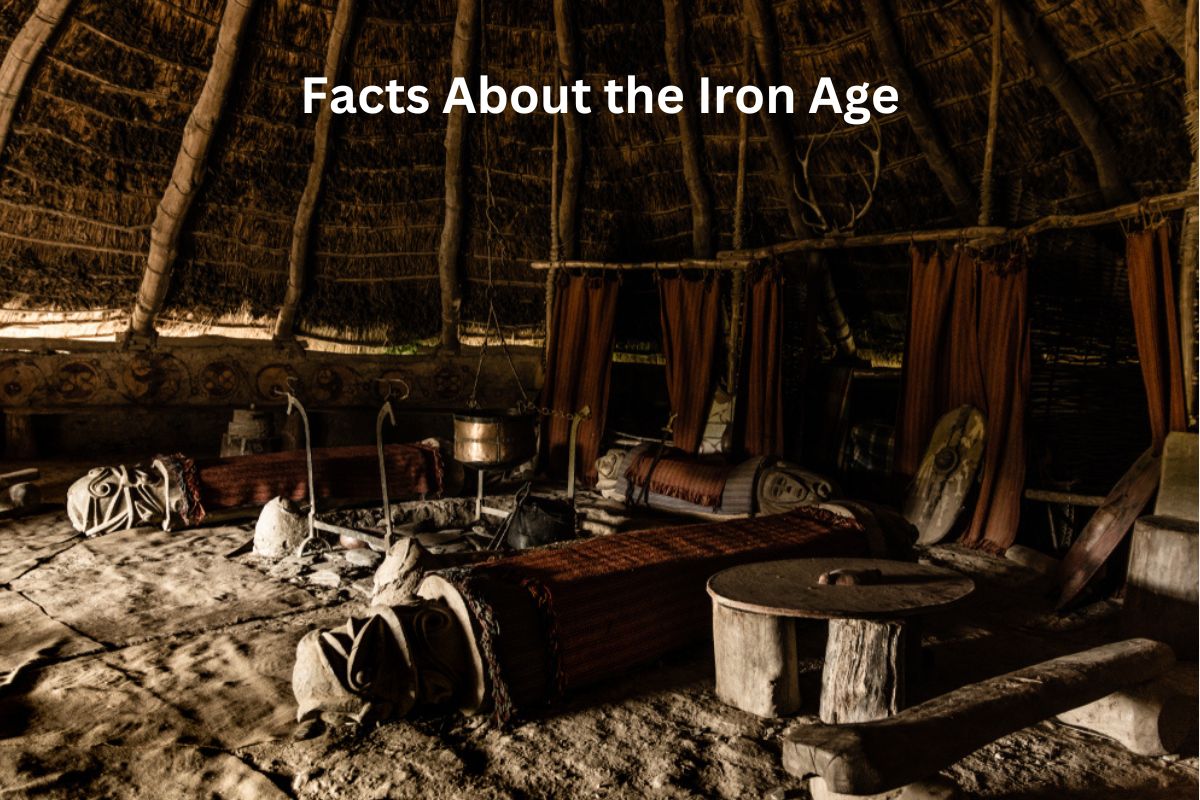
The innovations that emerged during the Iron Age set the stage for significant advancements in Medieval society. The transition from bronze to iron dramatically transformed various aspects of daily life, including agriculture, warfare, and craftsmanship. These advancements not only increased efficiency but also influenced the social and economic structures that characterized the Medieval period.
One of the most notable innovations from the Iron Age was the development of iron tools and weapons, which allowed for greater agricultural productivity and improved military capabilities. The widespread adoption of iron plows facilitated more efficient farming practices, leading to increased food production. Moreover, the evolution of weaponry with iron swords and armor revolutionized warfare, impacting feudal systems and territorial disputes in the Medieval era.
Iron Tools and Agricultural Advancements
The transition to iron tools had a profound effect on agriculture, enhancing productivity and efficiency. Iron plows, for instance, could till harder soils and were more durable than their bronze counterparts. The significance of these improvements can be highlighted through the following points:
-
The shift to iron plows increased crop yields by allowing farmers to cultivate previously unproductive land.
-
Iron sickles improved harvesting efficiency, reducing the labor required during harvest seasons.
-
With enhanced agricultural output, communities could support larger populations, leading to urbanization and the growth of towns during the Medieval period.
The impact of iron tools extended beyond mere agricultural practices; it also influenced the economic landscape. Surplus food production allowed for the rise of trade networks, as communities began to specialize in various crafts and goods, which further stimulated economic growth.
Iron Weaponry and Military Transformation
The advancement of iron weaponry was a crucial factor in the changing dynamics of power during the Medieval era. Iron swords, spears, and armor provided soldiers with superior equipment, significantly altering the nature of warfare. Key points to consider regarding this transformation include:
-
The durability and effectiveness of iron weapons gave rise to more organized and formidable armies, changing territorial politics.
-
Improved military equipment facilitated the rise of knightly classes, who became pivotal figures in feudal society.
-
Iron technology also influenced siege tactics and fortification designs, leading to more elaborate castles and defensive structures.
The combination of these innovations not only changed how battles were fought but also contributed to the establishment of feudalism, as lords offered protection to vassals in exchange for military service.
Cultural Continuity and Change
While the Iron Age laid the groundwork for various Medieval innovations, it also presented continuity in cultural practices. The techniques and skills developed during the Iron Age persisted and evolved, impacting social structures and cultural identities. Notable examples include:
-
Craftsmanship techniques, such as blacksmithing, were refined and became essential to Medieval economies.
-
Trade routes established during the Iron Age continued to be vital for the exchange of goods and ideas.
-
Religious practices and societal norms from the Iron Age influenced Medieval rituals and community life.
This continuity underscores the significance of Iron Age innovations, which not only transitioned into the Medieval period but also shaped its development in multifaceted ways.
Key Historical Figures of the Iron Age
The Iron Age was a pivotal period that marked the transition of societies into more complex and organized structures, heavily influenced by key historical figures. These individuals shaped the political, cultural, and military landscapes of their respective regions. Their legacies continue to resonate, impacting the course of history long after their time.
Prominent Leaders and Their Contributions
Numerous influential figures emerged during the Iron Age, each leaving an indelible mark on history. These leaders not only shaped their own cultures but also set precedents that would influence future generations. The following are notable figures from this era:
- King David of Israel: A legendary figure known for unifying the tribes of Israel and establishing a centralized monarchy. His military conquests, including the capture of Jerusalem, laid the foundation for a united Hebrew state.
- Cyrus the Great: The founder of the Persian Empire, renowned for his revolutionary approach to governance. Cyrus promoted tolerance and respect for local customs, setting a standard for future empires.
- Vercingetorix: A chieftain of the Arverni tribe in Gaul, Vercingetorix is famed for his role in leading a unified resistance against Julius Caesar. His strategic acumen showcased the power of coalition against a formidable foe.
- Queen Boudica: The fierce warrior queen of the Iceni tribe, Boudica is celebrated for her revolt against Roman rule in Britain. Her uprising became a symbol of resistance and is remembered as a testament to the fight for freedom.
- Hannibal Barca: A Carthaginian general whose tactics in the Second Punic War against Rome were revolutionary. His daring crossing of the Alps with war elephants demonstrated innovative military strategy that left a lasting impact on warfare.
The contributions of these figures reveal their significance not just in their time, but in how they influenced subsequent historical developments. Their stories highlight resilience, innovation, and the power of leadership in shaping societies.
Legacies of Historical Figures
The legacies of Iron Age leaders extend far beyond their lifetimes, influencing cultural narratives and political structures in later eras. Their stories are woven into the fabric of history, as exemplified by the following points:
- King David’s establishment of a monarchy influenced subsequent kingship models in both Israel and surrounding nations, fostering the belief in a divinely appointed ruler.
- Cyrus the Great’s model of governance inspired future empires, promoting the idea that tolerance and respect for diverse cultures can lead to stability and unity.
- Vercingetorix’s legacy of resistance became a rallying cry for future generations of rebels and leaders in their struggles against oppression.
- Boudica’s defiance has turned her into a folk hero, symbolizing the fight against tyranny and injustice, still celebrated in modern culture.
- Hannibal’s military strategies are studied to this day, influencing tactics in modern warfare and military education.
These figures exemplify the human spirit’s ability to overcome adversity and inspire those who come after them, infusing their exploits with lessons that remain relevant throughout the ages.
Anecdotes Highlighting Significance
The Iron Age is rich with stories showcasing the significance of its key figures. These anecdotes not only highlight their bravery and leadership but also their complex human experiences:
- The Slingshot of David: One of the most iconic tales is that of young David, who defeated the giant Goliath with just a sling and a stone. This story symbolizes the triumph of the underdog and has become a metaphor for overcoming insurmountable odds.
- Cyrus’s Compassion: An anecdote recounts how Cyrus, upon entering Babylon, chose to respect the customs of the conquered people, allowing them to continue their religious practices. This act of compassion instilled loyalty and stability in his newly acquired empire.
- Boudica’s Last Stand: Facing overwhelming odds, Boudica reportedly rallied her troops by speaking of freedom and vengeance, igniting a fierce passion that drove them into battle against the Romans, a testament to her leadership and the indomitable spirit of her people.
These anecdotes serve to remind us of the humanity behind historical figures, showcasing their triumphs and struggles, and the lessons they impart to future generations.
The Decline of the Iron Age and the Rise of the Medieval Era
The transition from the Iron Age to the Medieval Era marked a significant shift in societal structures, cultural practices, and governance across Europe. This period, which unfolded between approximately 500 AD and 1000 AD, was characterized by the decline of established Iron Age societies and the emergence of new socio-political structures that laid the foundation for medieval life.
The decline of Iron Age societies was influenced by several major factors, including economic changes, invasions, and shifts in technology. These elements not only contributed to the unraveling of longstanding social orders but also set the stage for the complex societies that followed.
Factors Leading to the Decline of Iron Age Societies
Several interconnected factors contributed to the decline of Iron Age societies, resulting in significant transformations across Europe. Understanding these elements provides insight into the structural changes that occurred as the Medieval Era took shape.
- Economic Shifts: As trade routes evolved and agricultural practices changed, many Iron Age communities faced economic pressures that weakened their traditional systems. The demand for diverse goods increased, leading to competition and instability.
- Invasions and Migrations: The movement of various groups, including Germanic tribes and the Huns, caused significant disruption. These invasions led to the destabilization of established kingdoms and the fragmentation of territories.
- Technological Advancements: The introduction of new technologies, such as the stirrup and more efficient plowing techniques, necessitated changes in military and agricultural practices. Societies that failed to adapt often found themselves at a disadvantage.
- Climate Change: Environmental factors, including climate fluctuations, impacted food production and resource availability. These changes led to famines and decreased populations, further contributing to societal decline.
The implications of the decline were profound, leading to a restructuring of social and political systems in the early Medieval period.
Implications for Emerging Societies
The decline of Iron Age societies catalyzed the transformation of social and political frameworks, paving the way for the emergence of feudal systems and early medieval kingdoms. These implications shaped the future of European civilization.
- Emergence of Feudalism: As centralized power waned, local lords gained authority, establishing feudal systems where land and protection were exchanged for loyalty and service.
- Rise of the Church’s Influence: The Christian Church became a stabilizing force, providing spiritual leadership and often stepping into political roles, which facilitated the unification of fragmented territories.
- Shifts in Trade Patterns: With the decline of urban centers associated with the Iron Age, new trade networks emerged, focusing on local goods and services, which were crucial for survival during the early Medieval period.
- Revival of Urban Centers: Over time, as stability returned, towns began to re-emerge, leading to a gradual revival of trade and cultural exchange, setting the stage for the later medieval economy.
Socio-Political Changes in the Early Medieval Period
The early Medieval period was marked by significant socio-political transformations that defined the nature of governance and societal organization. The changes initiated during this time provided a framework for future developments in Europe.
- Decentralization of Power: Power became more localized, with regional lords ruling over smaller territories. This decentralization led to a patchwork of allegiances and conflicts.
- Formation of Kingdoms: Over time, various tribal groups began to consolidate into larger kingdoms, such as the Frankish Empire, creating new political entities with distinct identities.
- Legal Reforms: The need for governance led to the establishment of new legal codes, often influenced by Roman law, which helped to regulate the increasingly complex relationships between lords and vassals.
- Military Organization: The rise of knightly classes and organized military units became prominent, changing the nature of warfare and the way territories were defended and expanded.
In summary, the decline of Iron Age societies ushered in a new era characterized by significant socio-political changes that laid the groundwork for the Medieval period. The interplay of economic decline, invasions, and evolving technologies not only dismantled old structures but also fostered the emergence of new societal frameworks that would come to define the medieval landscape.
Concluding Remarks
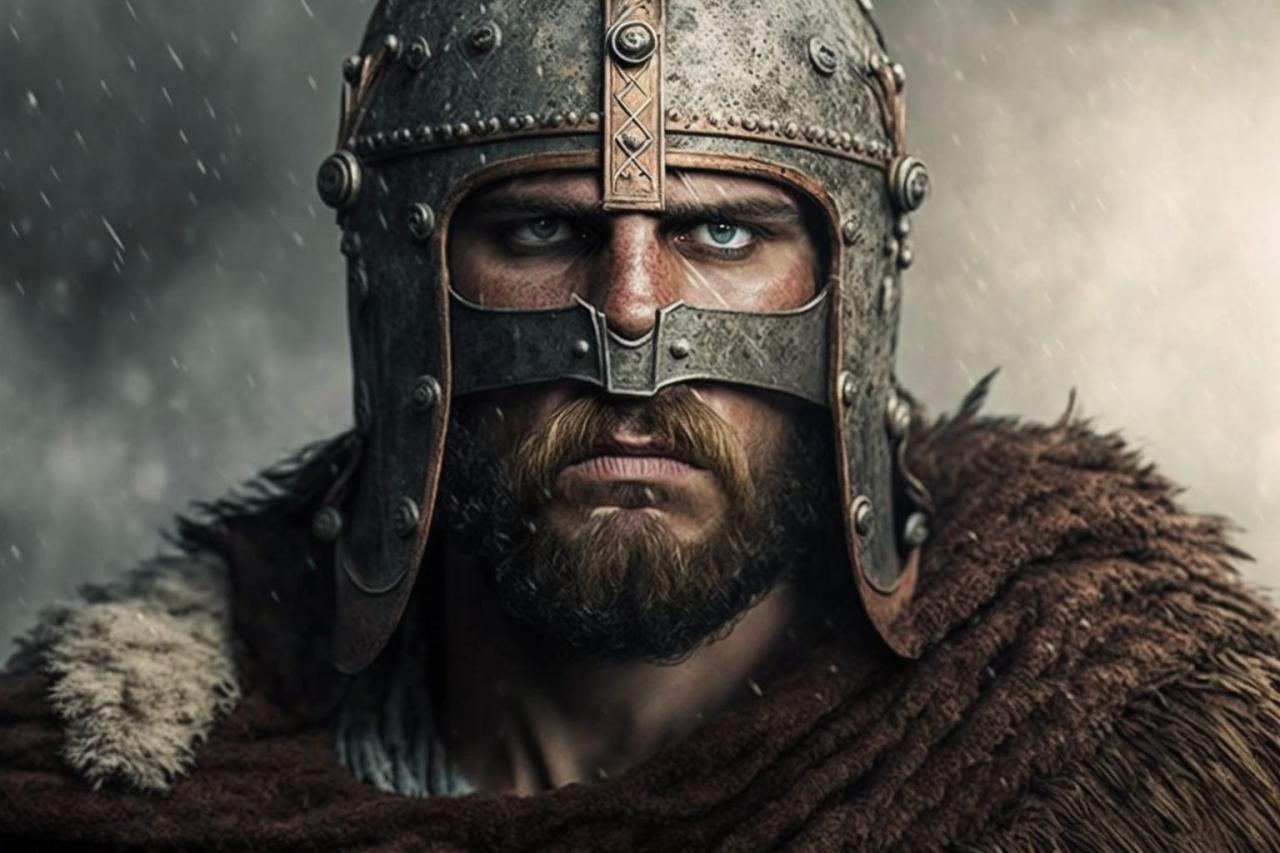
In conclusion, the Iron Age Medieval period serves as a crucial chapter in the story of human civilization. It highlights the intricate web of social, technological, and cultural developments that shaped the world and set the stage for the complexities of the Medieval era. Recognizing these connections enriches our understanding of history and its enduring impact on contemporary life.
FAQ Resource
What were the primary characteristics of Iron Age societies?
Iron Age societies were marked by advanced metallurgy, complex social structures, and the establishment of trade networks. They often had distinct cultural practices and artistic expressions.
How did warfare evolve during the Iron Age?
Warfare in the Iron Age saw the introduction of iron weaponry, which increased both the lethality and organization of military forces, leading to more structured and often larger-scale conflicts.
What role did trade play during the Iron Age?
Trade was essential for economic development, facilitating the exchange of goods, ideas, and culture between different societies, which helped build connections across regions.
How did Iron Age art influence future generations?
Iron Age art laid the groundwork for Medieval artistic expressions by introducing new styles and techniques, reflecting the cultural narratives of the time.
What were the major factors leading to the decline of the Iron Age?
Key factors included climatic changes, resource depletion, invasions, and internal social upheaval, all of which contributed to the transition into the Medieval era.