
 Eric
Eric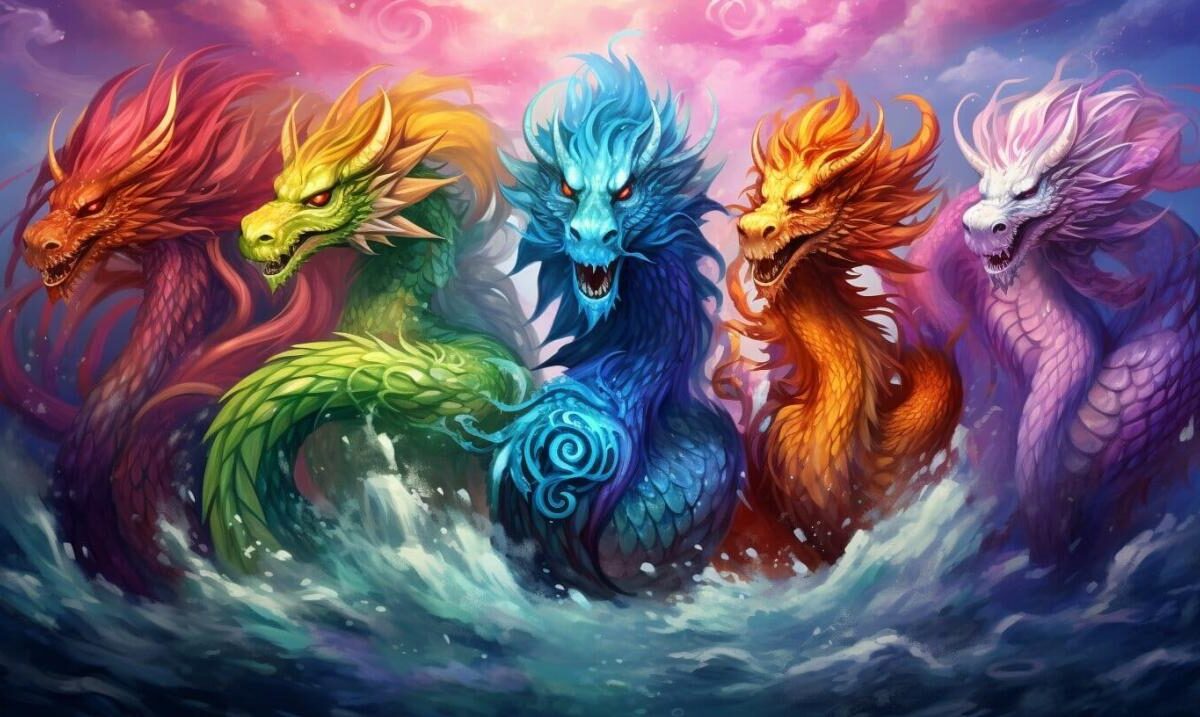
Mythical Creatures have long captured the imagination of humanity, serving as fascinating symbols of our deepest fears, aspirations, and cultural narratives. From the majestic dragons of Eastern folklore to the enchanting unicorns of Western traditions, these beings reflect the unique characteristics of the societies that birthed them. As we delve into the vast tapestry of myths surrounding these creatures, we uncover how they have evolved, adapted, and remained relevant through the ages, engaging our senses and sparking our creativity.
Throughout history, mythical creatures have emerged as powerful representatives of the cultural fabric, often addressing social needs and moral lessons. They inhabit the realms of folklore, art, literature, and even modern technology, continually shaping and reshaping our understanding of the world. This exploration reveals their significance not only as tales of wonder but also as reflections of human psychology and societal values.
The origin and evolution of mythical creatures throughout history
The fascination with mythical creatures has persisted throughout human history, evolving alongside cultures and societies. These fantastical beings often embody the fears, aspirations, and moral lessons of the civilizations that create them. From ancient folklore to modern-day fantasy, the narratives surrounding these creatures have shaped and reflected societal values and beliefs.
Mythical creatures have their origins deeply rooted in the cultural fabric of various societies, serving as allegories for complex human experiences. Ancient civilizations created these beings to explain the unexplainable, such as natural disasters or the mysteries of life and death. For instance, dragons in Chinese mythology symbolize power, strength, and good luck, while in Western cultures, they often represent chaos and destruction. Over centuries, as societies evolved, so did the narratives surrounding these creatures, often tailoring them to address contemporary societal needs and fears.
Key cultural contributions to mythical creatures
Throughout history, numerous cultures have significantly contributed to the creation and evolution of mythical creatures. Each culture’s unique environment, beliefs, and social structures have influenced their mythical narratives.
- Greek Mythology: The Greeks gave us a pantheon of gods and mythical beings like centaurs and nymphs, embodying human traits and moral lessons. These stories often addressed themes of love, jealousy, and the consequences of hubris.
- Norse Mythology: In the cold, harsh landscapes of Scandinavia, Norse myths introduced formidable beings like trolls and giants, reflecting the struggles against nature and the importance of bravery.
- Egyptian Mythology: Creatures like the Sphinx and the Phoenix arose from the Egyptians’ complex beliefs about death and the afterlife, indicating a society that valued permanence and resurrection.
- Native American Folklore: Various tribes have rich narratives featuring creatures such as skinwalkers and thunderbirds, which encapsulate their spiritual beliefs and the relationship between humanity and nature.
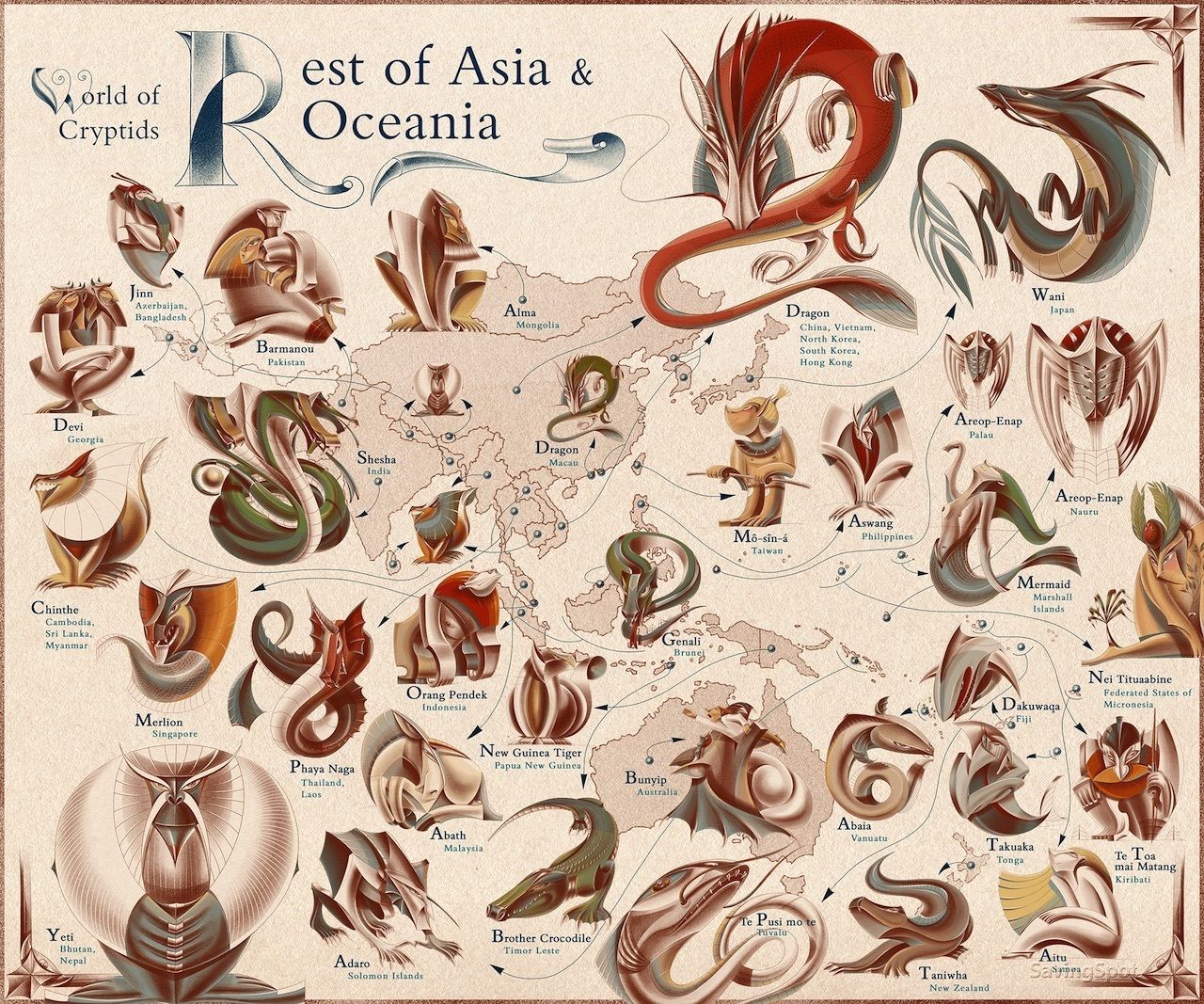
- Asian Mythology: From the Kappa of Japan to the Garuda of India, Asian cultures depict creatures that often represent moral lessons, emphasizing harmony between humans and the environment.
The creation and evolution of mythical creatures were deeply influenced by societal needs. During times of uncertainty, such as war or famine, myths often evolved to provide comfort or explanations. For example, in medieval Europe, the fear of the unknown led to tales of werewolves and vampires, creatures that personified societal anxieties about disease and moral decline. In contrast, the Renaissance period saw a resurgence of classical mythology, aligning with humanism and a renewed interest in the arts and sciences.
Mythical creatures have also served as cautionary tales. For instance, the story of the Sirens, who lured sailors to their doom, warns of the dangers of temptation and distraction. This reflects broader societal concerns about moral integrity and the importance of self-control. In contemporary times, these creatures have found new life in literature and film, often adapting their characteristics to meet modern themes such as environmentalism, identity, and technology.
In essence, the narratives surrounding mythical creatures are not static; they evolve to mirror the changing human condition and societal contexts, illustrating humanity’s timeless quest for understanding, meaning, and connection to the world.
The significance of mythical creatures in folklore and cultural stories
Mythical creatures have held a significant place in folklore and cultural narratives throughout history. These beings, often born from the collective imagination of societies, serve not only as elements of entertainment but also as vessels for moral lessons and cultural identities. They embody the values, fears, and aspirations of the cultures that create them, allowing for a deeper understanding of societal norms and human behavior.
One notable aspect of mythical creatures is their role in conveying moral lessons. These tales often serve as allegories, teaching important life lessons and ethical principles. For example, the story of the tortoise and the hare emphasizes the value of perseverance and humility over arrogance. This fable, with its memorable characters, illustrates how underestimating others and overvaluing one’s own abilities can lead to failure. Similarly, in Native American folklore, the trickster figure, often represented by animals like the coyote or raven, teaches lessons about the consequences of greed and deception, showcasing how actions can reflect on one’s character and relationships.
Examples of mythical creatures and their cultural significance
Several mythical creatures have left a lasting impact on various cultures, each embodying unique traits and lessons.
– Dragons: In many cultures, such as Chinese and European, dragons symbolize power, strength, and wisdom. In Chinese mythology, they are revered as benevolent beings that bring good fortune and rain, often associated with imperial authority. The story of the Dragon King emphasizes the importance of respect and harmony with nature.
– Unicorns: Often seen as a symbol of purity and grace, the unicorn appears in various cultures, including European folklore. The tale of the unicorn often reflects the pursuit of unattainable ideals and the importance of virtue, as only the pure-hearted can approach such creatures.
– Banshees: In Irish mythology, the banshee serves as a harbinger of death, warning families of impending loss. This figure highlights themes of mortality and the importance of familial bonds, teaching how to cherish relationships while confronting the inevitability of death.
The impact of these stories on contemporary society is significant. They shape cultural identities and influence modern storytelling in literature, film, and art. For instance, the resurgence of fantasy genres in films and books often draws inspiration from these age-old tales, reinforcing the moral lessons they encompass. Through the lens of myth, contemporary audiences navigate complex social issues, such as climate change, identity, and moral dilemmas, finding relatable narratives in the stories of mythical beings.
In essence, the enduring appeal of mythical creatures lies in their ability to resonate with universal human experiences, teaching valuable lessons that remain relevant across generations. Their presence in modern culture not only enriches our understanding of folklore but also encourages societies to reflect on their values and shared histories.
Common characteristics and traits of mythical creatures across various cultures
Mythical creatures have captured human imagination across cultures and eras, symbolizing a blend of the extraordinary and the symbolic. These beings often embody values, fears, and aspirations within their respective societies. Despite their diverse appearances and stories, many mythical creatures share common characteristics that reveal much about human creativity and cultural expression.
One of the most notable recurring attributes of mythical creatures is their ability to transcend the ordinary physical limitations of humans. These beings often possess extraordinary powers, whether it’s the ability to fly, breathe fire, or shapeshift. Another prevalent trait is their connection to nature, embodying elements like water, earth, fire, and air, which often symbolize deeper truths about humanity’s relationship with the environment. Additionally, many mythical beings serve as guardians or protectors, showcasing the human inclination towards the need for safety and oversight in a chaotic world.
Comparison of Mythical Creatures from Various Cultures
To understand the shared traits of mythical creatures better, a comparison of three distinct beings from different cultures provides insightful perspectives. The Dragon in Asian mythology, the Griffin from Greek mythology, and the Thunderbird from Native American folklore illustrate both unique characteristics and universal themes.
- Dragon (Asian Mythology): Dragons in Asian cultures are often seen as benevolent creatures associated with water, fertility, and power. Rather than being feared, they are revered as symbols of wisdom and good fortune, often linked to the emperor and the natural elements.
- Griffin (Greek Mythology): This creature, a blend of an eagle and a lion, is known for its protective qualities. Griffins are seen as guardians of treasure and sacred sites, symbolizing strength, courage, and the union of air and earth, representing both the divine and the earthly realms.
- Thunderbird (Native American Mythology): The Thunderbird is a powerful spirit in many Native American cultures, often associated with storms and rain. It embodies strength and the awe of nature, symbolizing the power of creation and transformation, while also serving as a protector in various tribal narratives.
The shared traits of these mythical creatures highlight a fundamental aspect of human imagination: a desire to understand the world around us through symbolism. Each creature serves as a metaphor for human experiences, aspirations, and fears, bridging the gap between the known and the unknown. The wisdom of dragons, the valor of griffins, and the might of thunderbirds all reflect humanity’s ongoing quest to find meaning and connection amidst the mysteries of life. By creating these beings, cultures can explore complex themes such as power, morality, and the natural world, illustrating the innate human need to narrate and interpret existence through stories and symbols.
The role of mythical creatures in modern literature and entertainment
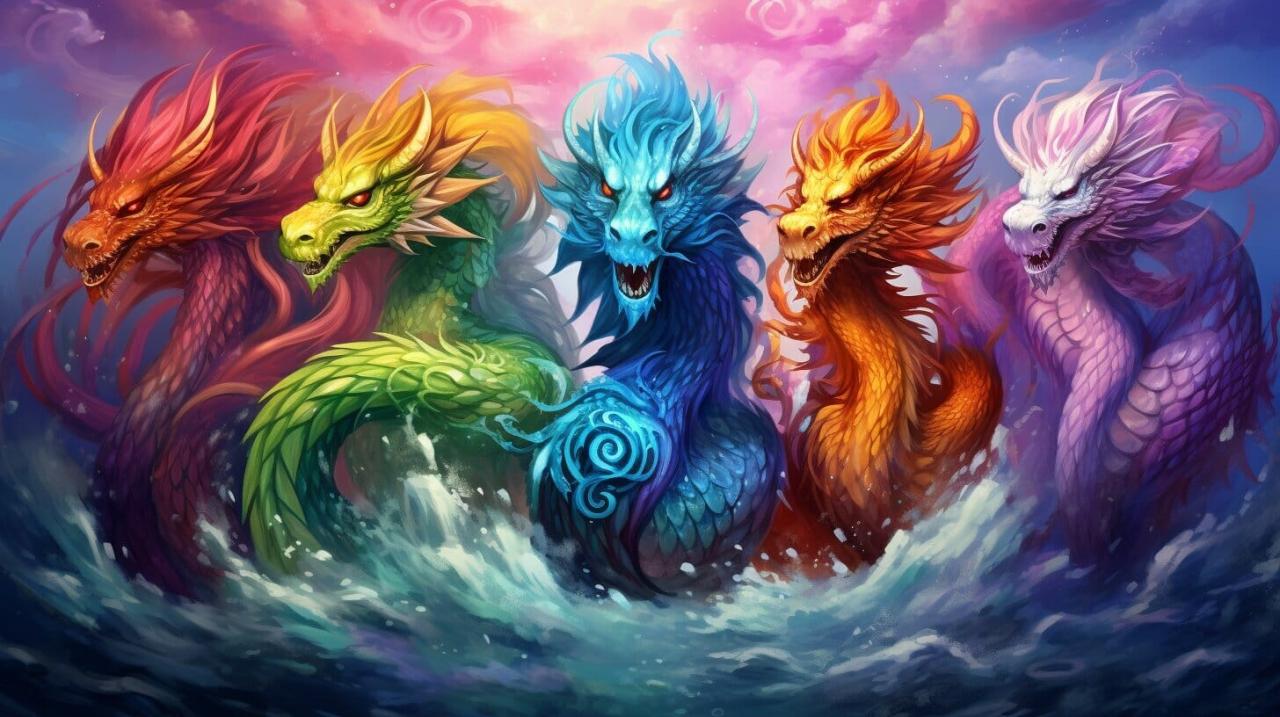
Mythical creatures have long captivated the human imagination, serving as powerful symbols and narrative devices throughout history. In modern literature and entertainment, these beings have experienced a renaissance, with contemporary authors and filmmakers reinterpreting them in innovative and culturally relevant ways. This reimagining not only reflects changing societal values but also resonates with audiences, providing a deeper understanding of our world.
Contemporary media frequently revisits and reinterprets mythical creatures, transforming them into characters that often embody complex traits and modern dilemmas. For instance, dragons, traditionally depicted as fearsome beasts, have been reimagined in various narratives. In J.K. Rowling’s “Harry Potter” series, dragons are portrayed not just as dangerous foes but also as creatures deserving of protection and respect. This shift reflects a growing awareness of environmental issues and the importance of conservation. As audiences engage with these multifaceted portrayals, they are encouraged to reconsider their perceptions and the meanings behind these legendary beings.
Reimagining the vampire in modern media
Vampires stand out as one of the most frequently reinterpreted mythical creatures in contemporary literature and entertainment. The evolution of the vampire archetype illustrates the shifting cultural landscape and societal anxieties. From Bram Stoker’s “Dracula” to current depictions in series like “Twilight” and “What We Do in the Shadows,” the vampire has transformed from a symbol of terror into a versatile character reflecting themes of love, identity, and morality.
Modern portrayals often emphasize the internal struggles of vampires, portraying them as tormented souls grappling with their dual nature. For example, in “Buffy the Vampire Slayer,” Spike and Angel are vampires who seek redemption, illustrating the complexity of human emotions and the desire for connection, even in the face of monstrous instincts. This depth allows audiences to empathize with these characters, blurring the lines between good and evil.
Moreover, the romanticization of vampires in works like “Twilight” has contributed to a cultural phenomenon where these creatures symbolize forbidden love and the challenge of navigating relationships. As such portrayals resonate with audiences, they reflect contemporary societal themes, such as the exploration of identity and the struggle between personal desires and societal expectations.
In conclusion, the portrayal of mythical creatures in modern literature and entertainment serves as a mirror to our evolving cultural landscape. By reinterpreting these beings, authors and filmmakers engage with essential themes that resonate deeply with contemporary audiences, enriching our understanding of the human experience while keeping the allure of myth alive.
The psychological aspects of mythical creatures and their appeal to humans
Humans have always been captivated by the fantastical, the extraordinary, and the unknown, leading to a deep fascination with mythical creatures. These beings, ranging from majestic dragons and elusive unicorns to cunning tricksters like the kitsune, embody a blend of wonder, fear, and intrigue. This fascination is not merely a whimsical indulgence; it serves fundamental psychological needs, allowing individuals to explore complex emotions, escape reality, and seek adventure. The narratives surrounding these creatures often reflect deeper truths about the human experience, resonating at both conscious and subconscious levels.
The psychological significance of mythical creatures often ties into several theories that elucidate why they occupy such a prominent place in human culture. Carl Jung’s concept of archetypes suggests that mythical creatures serve as symbolic manifestations of universal human experiences. These archetypes resonate with our deepest fears, desires, and aspirations. For example, dragons may symbolize the challenges we face in life, while fairies can represent the innocence and purity we long to reclaim. Additionally, Joseph Campbell’s monomyth or “Hero’s Journey” illustrates how these creatures often play pivotal roles in mythological narratives, guiding heroes through trials and tribulations, thereby providing a framework for personal growth and transformation.
Mythical creatures as vehicles for escape and adventure
Mythical creatures offer a unique avenue for escape, allowing individuals to step outside their daily lives and immerse themselves in realms of fantasy. This escapism serves several psychological needs, which can be summarized as follows:
- Adventure and Exploration: The allure of mythical creatures often lies in the adventures they inspire. Stories featuring these beings encourage exploration of uncharted territories in both the physical and metaphorical sense. For instance, a tale about a hero slaying a dragon invites readers to envision their own bravery and the courage to confront life’s challenges.
- Emotional Release: Engaging with mythical creatures allows for the expression of emotions that may be difficult to articulate in real life. The thrill of encountering a griffin or the sorrow of a phoenix’s rebirth grants individuals a safe outlet for their feelings, facilitating catharsis and healing.
- Identity and Belonging: Mythical beings often represent various aspects of identity, allowing individuals to find relatable characteristics within these stories. For example, the wise centaur archetype may resonate with those who value knowledge and sagacity, fostering a sense of belonging within a community of like-minded individuals.
- Moral and Ethical Reflection: Many myths featuring these creatures convey moral lessons and ethical dilemmas. By engaging with these narratives, individuals can explore complex issues of right and wrong, often through the lens of fantastical scenarios that provide a safe space to reflect on their own values.
Mythical creatures serve not just as characters in stories but as essential components of the human psyche. They provide comfort, excitement, and a means to explore the unknown. Whether it’s the grandeur of a majestic dragon soaring through the skies or the playful mischief of a leprechaun hiding a pot of gold, these beings fulfill our innate desires for adventure and escapism, enriching our lives with wonder and imagination. Through their stories, we connect deeply with our dreams, fears, and the endless possibilities of our existence.
The impact of mythical creatures on art and visual culture
Mythical creatures have long served as powerful symbols in art and visual culture, influencing a myriad of artistic expressions throughout history. From ancient civilizations to contemporary art, these fantastical beings have inspired artists to explore themes of imagination, spirituality, and human experience. Their representation in art not only reflects cultural beliefs but also evolves alongside artistic movements, illustrating the dynamic relationship between myth and visual storytelling.
The influence of mythical beings is evident across various art forms, from sculpture and painting to literature and performance. Artists have employed mythical creatures to convey deeper meanings, evoke emotional responses, and challenge societal norms. Notable examples include the winged horses of Greek mythology, such as Pegasus, often depicted in classical sculptures to signify inspiration and poetic creativity. Similarly, in Western medieval art, dragons symbolized chaos and evil, frequently portrayed in religious contexts where saints triumphed over them, like in the famous painting of Saint George and the Dragon.
Evolution of Art Depicting Mythical Creatures
The portrayal of mythical creatures has significantly evolved through different art movements, reflecting changes in cultural and artistic paradigms. The following points Artikel key developments in this evolution:
- In Ancient Greece, pottery and frescoes featured creatures like centaurs and sirens, emphasizing the duality of human nature and the natural world.
- The Renaissance period saw a revival of classical themes, with artists like Botticelli illustrating mythological figures such as Venus, blending beauty with divine symbolism.
- During the Romantic era, artists like J.M.W. Turner used mythical elements to evoke emotions, capturing the sublime power of nature alongside creatures like mermaids and nymphs.
- In the 20th century, Surrealism embraced the bizarre and dreamlike qualities of mythical beings; artists such as Salvador Dalí incorporated fantastical creatures to challenge reality and provoke thought.
- Contemporary artists continue to reinterpret mythical creatures, often blending them with modern themes; for instance, Takashi Murakami merges traditional Japanese folklore with contemporary pop culture in his vibrant artworks.
The representation of mythical creatures has not only been an artistic choice but also a means of cultural expression and identity. In diverse cultures, these beings symbolize various narratives: for example, the chupacabra in Latin American folklore embodies fears around mystery and the unknown, while the phoenix in various traditions represents rebirth and resilience.
As art continues to evolve, the presence of mythical creatures remains relevant, serving as a bridge between the past and present. The enduring fascination with these beings highlights humanity’s quest for understanding and connection to the broader universe.
The intersection of science and mythology regarding mythical creatures
The relationship between science and mythology is a fascinating realm where the fantastical often meets the factual. Mythical creatures have captivated human imagination for centuries, frequently serving as allegories or cautionary tales. However, many of these legendary beings have roots in real animals or prehistoric entities, prompting a deeper examination of how scientific discovery plays a crucial role in shaping the narratives surrounding these creatures.
The interplay between scientific exploration and the lore of mythical beings illustrates how our understanding of the natural world has evolved. Many creatures, once thought to be mere figments of imagination, have turned out to be based on real-life counterparts or exaggerations of actual animals. This phenomenon can be observed in a variety of legendary beings celebrated across cultures.
Roots in Reality
The notion that mythical creatures stem from real animals often stems from the way early human beings interpreted their surroundings. Many myths likely originated from actual encounters with animals that were unfamiliar or awe-inspiring.
For instance, the Kraken, a sea monster of Scandinavian folklore, is often believed to be a dramatized account of giant squids or colossal squids, which are real deep-sea creatures that can grow to substantial lengths. Fossil evidence has shown that large marine animals existed in the past, which could have inspired such tales.
Similarly, the unicorn is a well-known mythical creature that many believe was inspired by animals like the Indian rhinoceros or even the narwhal, which possesses a long, spiraled tusk resembling a horn. In medieval times, unicorns were depicted in various texts, often with descriptions that combined different animal traits, lending to their mythical status.
The relationship between scientific discovery and the stories of legendary creatures has prompted numerous investigations into how these tales were formed. Ancient explorers and travelers often exaggerated their accounts of encounters with unfamiliar wildlife, leading to the creation of myths. Explorers like Marco Polo, who wrote about fantastical beasts in distant lands, played a significant role in shaping the lore surrounding various creatures.
This blending of reality and fantasy has significantly impacted how these creatures are perceived today. For example, the discovery of dinosaur fossils has led to theories that some dragons might have been inspired by prehistoric reptiles. The bones of large, ancient beings could have been misinterpreted as evidence of dragons, contributing to the mythology surrounding them.
Moreover, modern science continues to uncover information that challenges or supports these ancient legends. Breakthroughs in paleontology have revealed the existence of previously unknown species, some of which might closely resemble mythical creatures. For example, the discovery of Sarchosuchus, a giant prehistoric crocodile, sheds light on how large reptilian beings might have inspired dragon legends in various cultures.
Ultimately, the intersection of science and mythology regarding mythical creatures underscores the profound impact of our understanding of biology, ecology, and history. It highlights how tales woven from imagination can inform and be informed by scientific realities. Thus, the narrative of mythical creatures continues to evolve, shaped by the inquiry of our natural world and the rich tapestry of human storytelling.
The future of mythical creatures in a technologically advanced world
As we delve into the future of mythical creatures, it’s essential to recognize how rapidly evolving technology is reshaping our interpretations and understandings of these legendary beings. The integration of digital technology into our daily lives allows for new narratives and representations of mythical creatures, making them more relevant and accessible than ever before. This transformation not only reinvigorates age-old stories but also creates fresh avenues for their evolution in modern culture.
Emerging technologies like virtual reality (VR), augmented reality (AR), and artificial intelligence (AI) are altering how mythical creatures are perceived and experienced. Through VR, users can immerse themselves in fantastical worlds where dragons soar in the skies or mermaids swim in oceans teeming with magic. This sensory engagement facilitates a deeper understanding of these beings, making them feel tangible. AR applications, such as Pokémon GO, have already demonstrated how mythical creatures can be integrated into our real-world surroundings, providing interactive experiences that blend fantasy with reality.
Trends in storytelling related to mythical creatures
The landscape of storytelling is witnessing significant changes, particularly concerning mythical creatures. New platforms for sharing narratives are emerging, propelled by technological advancements. Here are key trends shaping the future of these legends:
- Interactive Storytelling: Technology allows for storytelling that adapts to the choices of the audience. For instance, games like “The Witcher” series set in rich fantasy worlds incorporate mythical beings, letting players influence the narrative through their decisions. This interactivity fosters an engaging experience, allowing individuals to forge their own connections with mythical creatures.
- Multimedia Narratives: The rise of podcasts, web series, and graphic novels presents new opportunities for storytelling. Creators are now exploring the integration of sound design, visual art, and narrative structure to bring mythical creatures to life in innovative ways. For example, the podcast “Welcome to Night Vale” combines elements of horror and comedy with mythical beings, expanding the breadth of how these characters are portrayed.
- Global Collaborations: With the internet as a powerful connector, creators from diverse cultures can share their unique interpretations of mythical beings. Global collaborations can lead to hybrid stories that blend various mythologies, enriching the narrative tapestry and introducing audiences to lesser-known creatures.
The merging of storytelling and technology will undoubtedly influence how societies perceive and interact with these ancient legends. As narratives evolve, so too will the meanings attached to mythical creatures, potentially inspiring new generations to explore their cultural heritage and the mysteries of the unknown. Given the trajectory of technological advancement, the future is promising for these timeless beings, suggesting a renaissance of mythical lore amidst our rapidly changing world.
Ending Remarks
In conclusion, the world of Mythical Creatures serves as a captivating lens through which we can examine the evolution of human thought and storytelling. These beings remind us of our shared heritage and the common threads that bind various cultures across time. As we continue to reinvent these legends in literature and media, they will forever hold a place in our hearts, inviting us to dream, explore, and escape into realms of fantasy and adventure.
Popular Questions
What are some examples of popular mythical creatures?
Common examples include dragons, unicorns, mermaids, and phoenixes.
How do mythical creatures relate to real animals?
Many mythical creatures are inspired by real animals or prehistoric beings, often exaggerating their traits for storytelling.
Why do we continue to create stories about mythical creatures?
These stories fulfill our needs for imagination, escapism, and cultural expression, allowing us to explore complex themes.
Are mythical creatures only found in Western cultures?
No, mythical creatures exist in various cultures worldwide, each embodying unique attributes and values.
How do modern interpretations of mythical creatures differ from traditional ones?
Modern interpretations often infuse contemporary themes and moral questions, reflecting current societal issues and beliefs.