
 Eric
Eric
Dragon Quest has been a cornerstone of the gaming world since its inception, captivating players with its rich narratives and engaging gameplay. As one of the first role-playing games, it laid the foundation for countless franchises that followed, influencing how stories are told in interactive mediums. From its humble beginnings to its iconic status today, Dragon Quest has transcended generations of gaming, creating a legacy that resonates with both new players and long-time fans alike.
This exploration covers the franchise’s evolution, key gameplay mechanics, narrative techniques, and the unique art style that has endeared it to millions. Moreover, we’ll delve into the music that enhances the experience, its impact on the RPG genre, and the challenges it has faced over the years. Lastly, we’ll look at fan-favorite characters and what’s on the horizon for Dragon Quest.
Explore the history and evolution of Dragon Quest as a gaming franchise
The Dragon Quest series, originally known as Dragon Warrior in North America, has left an indelible mark on the gaming landscape since its inception in 1986. Developed by Enix (now Square Enix), this role-playing game (RPG) franchise has not only defined the genre but also shaped the way video games are perceived in terms of storytelling, character development, and gameplay mechanics. Over the years, Dragon Quest has evolved alongside technology and cultural trends, maintaining its relevance and popularity among gamers worldwide.
The origins of Dragon Quest are deeply rooted in Japanese gaming culture, where it was released as the first console RPG. Its impact was immediate and profound, leading to a gaming revolution that introduced turn-based combat, expansive worlds, and intricate narratives. As the series progressed through various console generations, it adapted to technological advancements, which allowed for more complex graphics, richer storytelling, and innovative gameplay features. This adaptability is a key reason for its continued success, as each installment offers a fresh experience while honoring its roots.
Historical Significance and Evolution
The historical significance of Dragon Quest is marked by its pioneering role in establishing the RPG genre. The game’s release in Japan resulted in a cultural phenomenon, influencing not only gamers but also the broader entertainment landscape. The series has seen several important milestones:
- First Release (1986): The original Dragon Quest set the stage for RPGs, introducing mechanics such as experience points and turn-based battles.
- Dragon Quest III (1988): This installment expanded on character customization and introduced the job system, allowing players to choose classes for their characters, influencing future RPGs.
- Transition to 3D (1995): With Dragon Quest VII, the franchise embraced 3D graphics, showcasing the evolution of technology and enhancing the player’s immersive experience.
- International Expansion (2000s): The franchise began to gain traction outside Japan, with localized versions appealing to a broader audience, notably with Dragon Quest VIII.
- Mobile and Online Gaming (2010s): The introduction of mobile games and MMORPGs like Dragon Quest X reflected the changing landscape of gaming, catering to new generations of players.
The cultural significance of Dragon Quest cannot be overstated; it has become a symbol of Japan’s gaming industry. The franchise has been celebrated for its engaging storylines and memorable characters, often reflecting themes of heroism, friendship, and growth. Notably, the series features the iconic character ‘Slime,’ which has become a mascot for the franchise, embodying its whimsical charm. Dragon Quest has also influenced other media, with adaptations in anime, manga, and even theatrical performances, further solidifying its place in popular culture.
Globally, while Dragon Quest has not achieved the same level of recognition as some of its contemporaries, its impact remains significant. The series has cultivated a dedicated fanbase, particularly in Europe and North America, where RPG enthusiasts appreciate its depth and nostalgia. The games are often praised for their artistry and storytelling, which resonate strongly with players looking for immersive narratives.
In summary, the evolution of Dragon Quest from a pioneering RPG to a beloved franchise underscores its importance in the gaming world. Each installment not only pushes the boundaries of technology and storytelling but also reflects the cultural zeitgeist, ensuring that Dragon Quest remains a cornerstone of the gaming industry for years to come.
Identify the key gameplay mechanics that define Dragon Quest titles
The Dragon Quest series is renowned for its classic role-playing elements, showcasing a combination of traditional gameplay mechanics that have captivated players for decades. At the heart of these titles lies a blend of strategic combat, character development, and unique features that set each installment apart while maintaining a cohesive identity across the franchise. Understanding these key gameplay mechanics is essential for appreciating the evolution of the series and its impact on the RPG genre.
Turn-based combat system
The turn-based combat system is a hallmark of Dragon Quest titles, providing a structured approach to encounters that emphasizes strategy and planning. Players take turns making decisions for their characters, allowing for thoughtful contemplation of each action. This system encourages players to consider the strengths and weaknesses of their party members and the enemies they face, enabling a variety of tactics based on the situation at hand.
Combat requires players to think critically, balancing offensive and defensive strategies while managing resources such as health and magic points.
The simplicity of the turn-based mechanics allows players of all ages to engage with the game, making it accessible while still offering depth for veteran gamers. Throughout the series, players can utilize various spells, abilities, and items, creating a rich tapestry of tactical options. For instance, in *Dragon Quest XI: Echoes of an Elusive Age*, the “Pep System” introduces a cooperative mechanic where characters can become “Pep’d Up,” unlocking powerful abilities when their bonds are strong enough.
Character progression and leveling up
Character progression is a core element of the Dragon Quest experience, as players invest time in leveling up their characters through experience points gained from battles. This aspect of gameplay not only enhances characters’ stats and abilities but also provides a sense of accomplishment and growth, encouraging exploration and combat.
The importance of leveling up is further emphasized by the various classes and job systems present in different titles. For example, in *Dragon Quest III: The Seeds of Salvation*, players can choose from multiple classes, allowing for customized character builds that can adapt to different challenges. Such flexibility in character progression invites players to experiment with different strategies and play styles.
Unique gameplay elements across titles
Throughout the history of Dragon Quest, unique gameplay elements have emerged that distinguish individual titles from one another. These features enrich the gaming experience and often reflect the narrative and thematic elements of each installment. Here are a few notable examples:
- Monster Recruitment: Introduced in *Dragon Quest V: Hand of the Heavenly Bride*, players can recruit monsters to join their party, adding a layer of strategy in both combat and team composition.
- Crafting Systems: *Dragon Quest IX: Sentinels of the Starry Skies* features an extensive crafting system where players can create new items and equipment, enhancing their characters’ capabilities.
- Time Travel: *Dragon Quest XI: Echoes of an Elusive Age* incorporates time travel elements that alter the storyline, providing players with a dynamic narrative experience that impacts gameplay mechanics.
- Building Towns: In *Dragon Quest Builders*, the gameplay shifts to focus on crafting and building, merging RPG elements with survival and construction mechanics, showcasing the versatility of the franchise.
Each of these unique elements serves to enrich the gameplay experience, demonstrating the series’ commitment to innovation while still honoring its roots within the RPG genre. The blend of traditional mechanics with creative new ideas ensures that Dragon Quest titles remain fresh and engaging, appealing to both longtime fans and newcomers alike.
Analyze the storytelling techniques utilized in Dragon Quest games
The Dragon Quest series is renowned for its rich narrative tapestry that intricately weaves storytelling with gameplay mechanics. The games employ classic narrative structures that hark back to traditional fairy tales and epic quests, creating a familiar yet engaging experience for players. This blend of story and gameplay is not merely a backdrop but an integral part of the player’s journey through the fantastical realms of Dragon Quest.
The narrative structures in Dragon Quest are characterized by a clear quest-driven framework that guides players through various adventures, while also allowing room for character development and thematic exploration. Each game typically follows a hero’s journey motif, where the protagonist embarks on a quest to save the world, confronts challenges, and ultimately undergoes significant personal growth. This format is complemented by episodic storytelling, where smaller tales and side quests enrich the main narrative, providing depth and context to the overarching plot.
Narrative Structures and Gameplay Integration
The integration of narrative structures into gameplay is vital to the Dragon Quest experience. Players not only follow a storyline but also actively participate in its progression. Key elements include:
- Quest-Based Progression: Players receive quests that advance the story, often involving exploration, combat, and puzzle-solving. Each completed quest contributes to character advancement, enhancing player engagement.
- Character Interaction: Conversations with NPCs often reveal lore and character backstories, encouraging players to interact with the world. These dialogues help shape the narrative and inform the player’s actions.
- World-Building: The meticulously crafted environments provide context to the narrative. Each town and dungeon is imbued with history and culture, making the world feel alive and interconnected.
Themes and Character Arcs in Dragon Quest
The themes explored in Dragon Quest games resonate deeply with players, often reflecting universal values such as bravery, friendship, and the struggle between good and evil. Character arcs are thoughtfully developed, allowing for relatable transformations. Common themes and character developments include:
- Heroism and Sacrifice: Protagonists frequently face moral dilemmas that test their bravery and require personal sacrifice for the greater good.
- Friendship: The bonds formed between characters are central to the narrative, highlighting the importance of companionship in overcoming challenges.
- Redemption: Several storylines include characters seeking redemption for past mistakes, providing depth and complexity to their journeys.
Comparison of Storytelling Approaches: Dragon Quest vs. Other RPGs
When comparing the storytelling approaches of Dragon Quest to other RPGs, several distinct differences emerge. Dragon Quest maintains a traditional, almost nostalgic narrative style, while other RPGs may explore more modern or unconventional storytelling techniques. Key differentiators include:
- Tonal Consistency: Dragon Quest often employs a light-hearted tone, even amidst serious themes, contrasting with RPGs that may adopt a darker, more mature narrative style.
- Episodic Narratives: While many RPGs focus on continuous, overarching plots, Dragon Quest frequently utilizes episodic storytelling, allowing for self-contained adventures that enrich the overall saga.
- Character-Driven Stories: Dragon Quest emphasizes character relationships and development, while some RPGs prioritize world-building over individual character arcs, resulting in different player experiences.
Compare the art style and character design across different Dragon Quest games
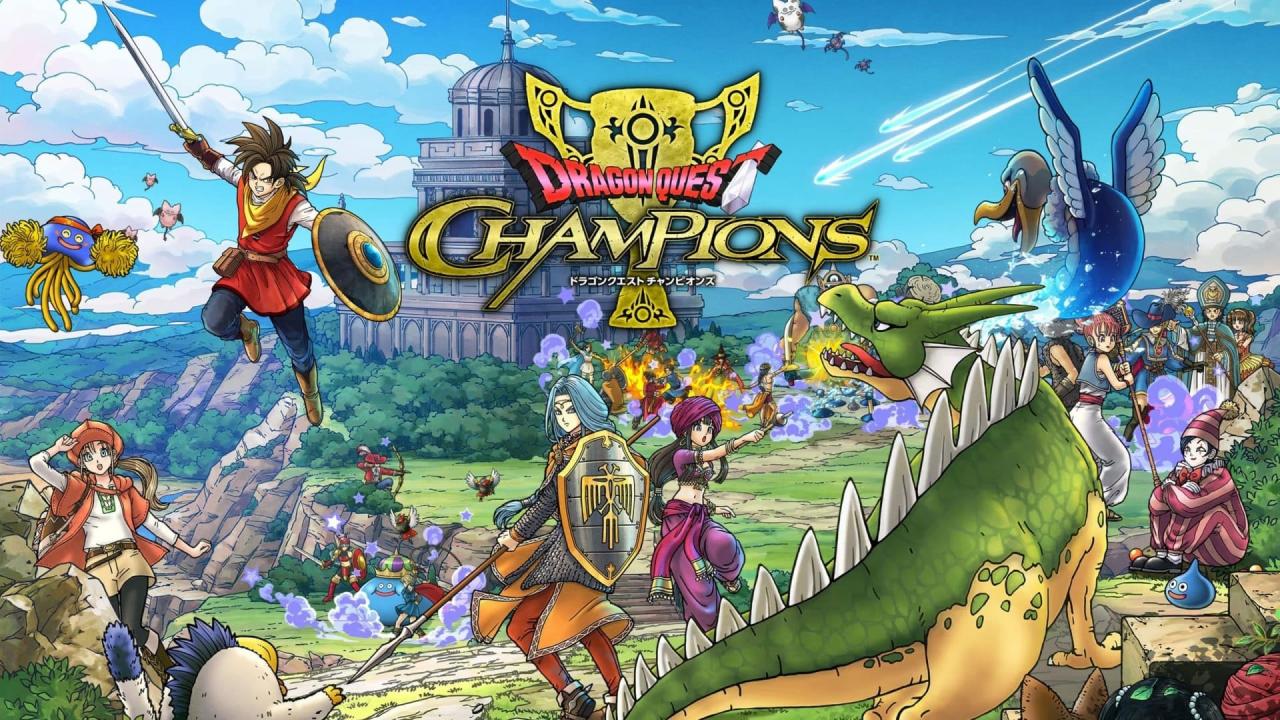
The Dragon Quest series, known for its captivating storytelling and immersive worlds, has also made a significant impact through its distinct art style and character design. Over the years, these elements have evolved, reflecting the advancements in gaming technology and the creative vision of the artists involved. The series has maintained a cohesive identity while adapting to new generations of gamers, making it a beloved franchise worldwide.
Evolution of Art Styles from Original to Current Generation
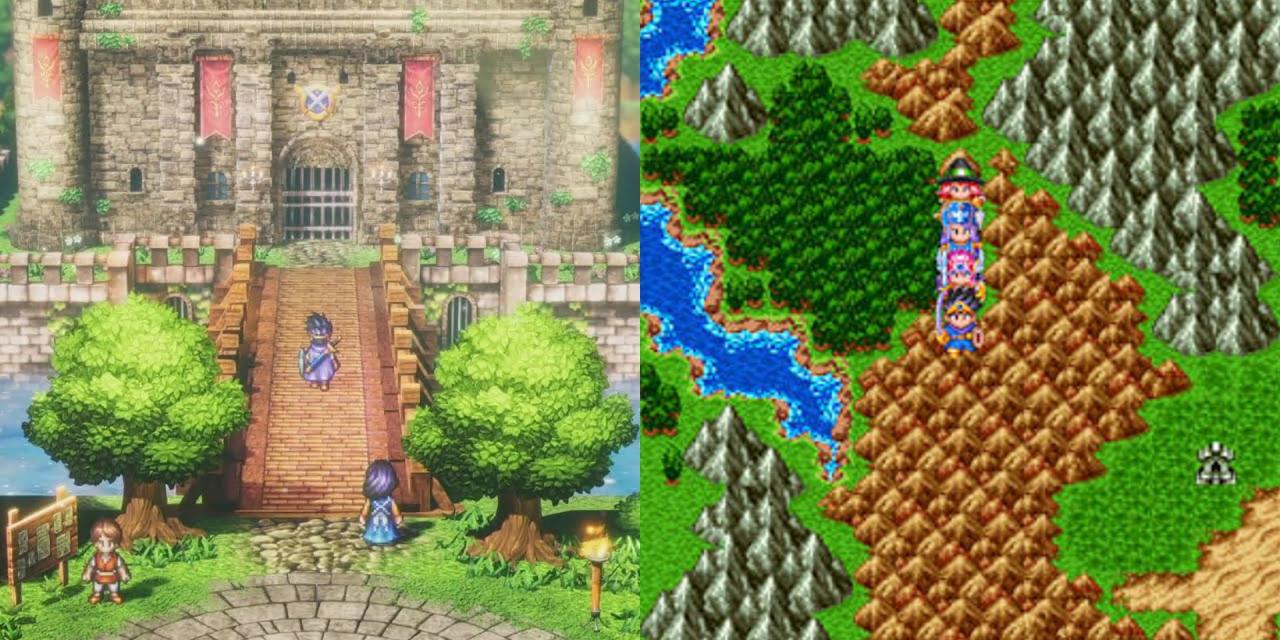
The art style of Dragon Quest has undergone notable transformations since the release of the original title in 1986. The early games featured simplistic pixel art that captured the essence of the characters and settings while being limited by the hardware capabilities of the time. As technology progressed, so did the visuals, leading to richer colors, more detailed sprites, and greater environmental depth.
– Original Dragon Quest (1986): Character designs were simple and iconic, primarily due to the limitations of 8-bit graphics. The use of bright colors and exaggerated features helped to convey personality despite the constraints.
– Dragon Quest VIII: Journey of the Cursed King (2004): This title marked a significant shift as it introduced fully 3D environments and a more refined cel-shaded art style. The character designs remained true to the original concepts but showcased more intricate details and fluid animations.
– Dragon Quest XI: Echoes of an Elusive Age (2017): The art style evolved further with a blend of 3D environments and hand-drawn aesthetic elements, providing a vibrant and dynamic visual experience. The use of lighting effects and detailed textures brought the world to life like never before.
The evolutionary journey of the art style in Dragon Quest not only highlights advancements in technology but also showcases how the franchise has remained committed to its whimsical and adventurous roots.
Influence of Akira Toriyama’s Character Designs
Akira Toriyama, renowned for his work on the Dragon Ball series, has played a pivotal role in shaping the character designs of Dragon Quest. His unique artistic style has become synonymous with the franchise, establishing a distinct visual identity that fans worldwide recognize and love.
– Consistency in Character Design: Toriyama’s designs often feature exaggerated proportions, vibrant colors, and dynamic poses, which add a playful charm to the characters. This hallmark style has remained relatively consistent across the series, ensuring that even new characters resonate with the familiar aesthetic.
– Memorable Character Examples: Iconic characters like the Hero, Slime, and Dragonlord feature design elements that reflect Toriyama’s influence. The Slime, with its simple yet endearing blob shape and big eyes, has become a mascot for the series, symbolizing its light-hearted nature.
The impact of Toriyama’s designs is evident in how they have contributed to the franchise’s identity, making it instantly recognizable and deeply cherished by fans.
Iconic Monsters and Characters
Throughout its history, Dragon Quest has introduced a plethora of memorable monsters and characters, each with its unique designs and significance within the series. These creations often blend whimsy with challenging gameplay, enriching the player’s experience.
– Slime: The quintessential Dragon Quest monster, the Slime is a small, blue creature with a cheerful face. It has become an iconic symbol of the franchise, representing both the lighthearted tone of the games and serving as a gateway enemy for new players.
– Dragonlord: As the primary antagonist in the original Dragon Quest, the Dragonlord embodies the classic villain archetype. His menacing design, featuring dragon-like features and a regal appearance, sets the standard for future villains in the series.
– Cactiball: This quirky monster, introduced in later titles, features a cactus-like appearance and a playful demeanor. It exemplifies the series’ creativity in character design, combining elements of humor with engaging combat mechanics.
The diversity of character designs in Dragon Quest illustrates the franchise’s ability to balance challenge and charm, solidifying its status as a beloved series in the gaming landscape.
Discuss the role of music and sound design in enhancing the Dragon Quest experience
The music and sound design of the Dragon Quest series play a pivotal role in immersing players in its fantastical worlds. Composed primarily by Koichi Sugiyama, the soundtracks have become iconic, enhancing the emotional and narrative depth of the games. The combination of stirring melodies, thematic motifs, and well-crafted sound effects creates a unique atmosphere that resonates with players on multiple levels.
Musical compositions and atmospheric contribution
The musical compositions in Dragon Quest are integral to establishing the tone and atmosphere of the various settings players encounter. Each piece is carefully crafted to reflect the environment, characters, and story arcs, providing players with an emotional anchor throughout their journey. For instance, the serene melodies that accompany peaceful towns contrast sharply with the intense battle themes, evoking feelings of calmness in exploration and tension during combat.
Key characteristics of these musical compositions include:
- Thematic Motifs: Recurring musical phrases representing characters or locations, enhancing emotional connections and narrative continuity.
- Emotional Resonance: Pieces like “Overture” evoke nostalgia and excitement, encapsulating the spirit of adventure that defines the series.
- Dynamic Adaptation: Music shifts seamlessly between exploration and battle, ensuring that the mood aligns with gameplay mechanics.
Impact of sound effects on gameplay immersion
Sound effects in Dragon Quest are designed to complement the gameplay and enhance the immersive experience. From the satisfying “level-up” chime to the atmospheric sounds of nature in towns, each sound plays a crucial role in reinforcing the game’s setting and actions. These effects help players feel more connected to the world around them, making the experience feel tangible and real.
The significance of sound effects can be highlighted through:
- Interactive Feedback: Sounds provide immediate audio feedback for player actions, such as attacking or using items, enhancing the sense of agency.
- Environmental Cues: Ambient sounds, like rustling leaves or bustling town noises, create a living world that players can engage with.
- Dramatic Tension: Audio cues, like ominous sounds before a boss encounter, build suspense and anticipation, heightening emotional stakes.
Memorable soundtracks and emotional influence
Certain soundtracks from the Dragon Quest series have left a lasting impact on players, encapsulating key moments and emotions throughout the games. These tracks not only enhance the narrative but also evoke powerful memories tied to player experiences.
Some of the most memorable soundtracks include:
- “Hero’s Theme”: A stirring composition that embodies the spirit of adventure and the journey of the protagonist, evoking feelings of hope and determination.
- “The Town Theme”: A charming and uplifting melody that represents safety and comfort, often associated with the reprieve players feel when visiting towns.
- “Final Battle Theme”: Intense and dramatic, this track heightens the emotional stakes during climactic moments, resonating with players long after the game ends.
“The right music can make an adventure unforgettable, turning fleeting moments into cherished memories.”
Through its masterful use of music and sound design, Dragon Quest successfully enhances the gameplay experience, forging emotional connections and creating a rich, immersive world that players continue to cherish.
Examine the impact of Dragon Quest on the RPG genre as a whole
The Dragon Quest franchise has played a pivotal role in shaping the landscape of role-playing games (RPGs) since its inception in 1986. Its influence extends beyond Japan, marking significant advancements in gameplay mechanics, narrative structure, and overall design philosophy that resonate through the RPG genre today. As a cornerstone of the genre, Dragon Quest’s legacy continues to impact contemporary RPGs, providing both inspiration and a framework for new titles.
Influence on Contemporary RPG Mechanics and Design
Dragon Quest established several key mechanics that have become staples in modern RPGs. Its turn-based battle system, characterized by strategic decision-making and tactical planning, laid the groundwork for many future titles. The simplicity of its interface allowed players of all ages to engage without feeling overwhelmed, leading to a broader audience for the genre.
Notable mechanics introduced by Dragon Quest include:
- Character Classes and Progression: The game popularized the idea of distinct character classes, each with unique skills and abilities, encouraging players to experiment with party compositions.
- Save Systems: Dragon Quest established a user-friendly save system that allowed for easier progression tracking, setting a standard for future games.
- Exploration and World Design: The open-world exploration concept was enhanced, offering players vast environments filled with secrets, quests, and diverse landscapes.
The game’s design philosophy emphasized accessibility while retaining depth, inspiring developers to create RPGs that balance complexity with user-friendly experiences.
Contributions to Narrative-Driven Gameplay
Dragon Quest has significantly contributed to the development of narrative-driven gameplay, weaving storytelling intricately with gameplay mechanics. Its plots often revolve around classic themes of heroism, friendship, and the battle between good and evil, resonating with players on a personal level.
Key contributions include:
- Character Development: Unlike many of its predecessors, Dragon Quest put a strong emphasis on character arcs and development, allowing players to connect with their heroes and villains emotionally.
- Quest Structure: The game’s quest design encourages players to engage with the world and its inhabitants, often leading to side quests that enrich the main storyline.
- Dialogues and Choices: The inclusion of meaningful dialogue choices and narrative branches has influenced modern RPGs, making player decisions impactful and shaping the game’s outcome.
The franchise’s commitment to storytelling has inspired many developers to prioritize narrative in their game design, leading to richer and more engaging player experiences.
Legacy Compared to Other Seminal RPG Franchises
When comparing the legacy of Dragon Quest to other iconic RPG franchises, such as Final Fantasy and The Legend of Zelda, its unique contributions stand out. While Final Fantasy is known for its innovative graphics and cinematic storytelling, Dragon Quest focuses on traditional gameplay elements and charm, appealing to a different audience.
Key comparisons include:
- Gameplay Style: Dragon Quest remains steadfast in its turn-based mechanics, while other franchises have explored real-time combat systems, catering to varying player preferences.
- Art Style: The whimsical art direction, characterized by Akira Toriyama’s designs, creates a distinct visual identity that contrasts with the often darker themes of other RPGs.
- Audience Engagement: Dragon Quest’s accessibility has made it a beloved series among casual gamers, whereas franchises like Dark Souls have carved a niche for hardcore players.
This diverse range of styles and approaches highlights the richness of the RPG genre as a whole, with Dragon Quest remaining an essential part of its evolution.
Identify the challenges and controversies surrounding Dragon Quest throughout its history
The Dragon Quest franchise, while beloved by many, has faced its share of challenges and controversies over the years. From localization issues to fan backlash concerning certain game mechanics, the series has navigated a complex landscape in the gaming world. This section delves into notable instances of these challenges and explores how the series has responded to changing expectations in the gaming community.
Censorship and Localization Challenges
The process of localizing Dragon Quest titles for Western audiences has frequently encountered censorship challenges that sparked debate among fans. Localization often requires adjustments to content to align with cultural sensitivities and gaming regulations.
- In *Dragon Quest III*, the original Japanese release featured a character that was intended to represent a certain gender identity, which was altered during localization to cater to Western norms of the time.
- The infamous name change of *Dragon Quest* to *Dragon Warrior* in North America at launch was influenced by trademark issues and a desire to appeal to a more action-oriented audience.
- Later entries, such as *Dragon Quest VIII*, faced challenges with the depiction of certain elements, including religious symbols, which were modified or removed to adhere to local censorship laws.
Fan Reactions to Game Mechanics and Narrative Choices
The Dragon Quest series has also experienced significant fan reactions concerning specific gameplay mechanics and narrative decisions. While many fans appreciate the traditional turn-based gameplay and storytelling style, others have expressed their dissatisfaction, leading to debates within the community.
- In *Dragon Quest IX*, the introduction of multiplayer elements was met with mixed responses, with some players enjoying the new features while others felt it detracted from the series’ core experience.
- The decision to include a casino mini-game in *Dragon Quest III* sparked discussions on gambling themes, raising concerns about the appropriateness of such content for younger audiences.
- Fan feedback regarding character designs in recent installments, particularly with *Dragon Quest XI*, showcased a split opinion on the modern art style versus the classic designs that fans grew up with.
Adapting to Changing Gaming Trends
The Dragon Quest series has shown resilience and adaptability in response to evolving gaming trends and player expectations over the years. The introduction of new technology and gaming platforms has influenced the franchise’s approach to game design and storytelling.
- With the rise of mobile gaming, titles like *Dragon Quest Tact* were developed to reach a broader audience, blending traditional elements with modern gameplay mechanics.
- The transition to 3D graphics in *Dragon Quest XI* marked a significant shift from earlier 2D titles, embracing contemporary visual standards while retaining the charm of the franchise.
- Moreover, the series’ emphasis on nostalgia, as seen in remakes and ports of classic titles, highlights its strategy to balance innovation with respect for its heritage, catering to both new players and long-time fans.
Generate a list of fan-favorite characters and their significance within the Dragon Quest universe
The Dragon Quest series is renowned for its rich storytelling and memorable characters, each contributing to the engaging narratives and immersive worlds. Fans have cherished numerous characters across the franchise, drawn in by their distinct personalities, growth, and the vital roles they play in the overarching plots.
Character development is a hallmark of the Dragon Quest series, where protagonists often evolve through their experiences, forging bonds that resonate with players. The relationships between characters deepen the storytelling, allowing for emotional highs and lows that enhance the gameplay experience.
Key Characters and Their Significance
The Dragon Quest universe features a variety of characters that have left a lasting impact on fans. Below is a list of some fan-favorites, along with insights into their significance and appeal.
- Hero (Various Titles): The silent protagonist in many titles, the Hero embodies the player’s journey. Their growth from an ordinary individual to a legendary figure symbolizes the classic rise to greatness motif prevalent in the series.
- Erdrick (Dragon Quest III): A legendary hero who became a symbol of bravery and hope, Erdrick’s legacy inspires future generations, showcasing the importance of heritage and courage.
- Jessica (Dragon Quest VIII): Known for her strong-willed personality and unique charm, Jessica breaks stereotypes of female characters in RPGs, making her a beloved figure for her depth and self-reliance.
- Yangus (Dragon Quest VIII): Once a notorious thief, Yangus evolves into a loyal companion whose humor and bravery endear him to fans. His transformation reflects themes of redemption and friendship.
- Rab (Dragon Quest XI): With his wisdom and playful demeanor, Rab serves as a mentor figure who adds depth to the party dynamics, emphasizing the value of experience and guidance.
Character Relationships and Storytelling Impact
The relationships between characters in Dragon Quest are pivotal to the storytelling experience. These connections often drive the narrative forward and influence character development, enhancing player engagement.
“Character relationships are the heartbeat of Dragon Quest’s storytelling, adding layers of emotional resonance.”
The interactions among the cast create a web of alliances, rivalries, and friendships that elevate the plot. For example, the camaraderie between the Hero and their companions often showcases themes of loyalty and unity against adversity.
Character Popularity and Their Roles Across Different Titles
The following table compares the popularity of notable characters along with their roles in various Dragon Quest titles. This comparison highlights how different characters have resonated with fans across the series.
| Character | Titles Appeared In | Popularity Rating (1-10) | Role |
|---|---|---|---|
| Hero | I, II, III, VIII, XI | 10 | Protagonist, embodiment of player journey |
| Erdrick | III | 9 | Legendary hero, symbol of hope |
| Jessica | VIII | 8 | Strong female lead, comic relief |
| Yangus | VIII | 9 | Comic relief, loyal companion |
| Rab | XI | 8 | Mentor figure, wise advisor |
Explore the future of Dragon Quest in the gaming landscape
The Dragon Quest franchise has long been a cornerstone of the RPG genre, captivating players with its charming aesthetics and engaging storytelling. As the gaming landscape evolves, fans are eager to see how this beloved series will adapt and innovate in the years to come. Upcoming releases promise to not only honor the franchise’s legacy but also introduce fresh elements that resonate with both new and veteran players.
Upcoming titles and innovations in the Dragon Quest series are set to redefine the scope of gameplay and narrative. For instance, the anticipated release of Dragon Quest XII is rumored to incorporate more mature themes and a darker narrative, which could shift the traditional tone of the series. Additionally, advancements in technology are expected to enhance graphics and gameplay mechanics, providing a more immersive experience. These innovations could open doors to new gameplay styles, including real-time combat systems, which may attract players who favor action-oriented RPGs.
Anticipated Innovations in Gameplay
The future of Dragon Quest is likely to feature several innovative gameplay mechanics that could enrich the player experience. The following points highlight some of the expected developments:
- Real-Time Combat Systems: Moving away from the classic turn-based mechanics may create a more dynamic and engaging gameplay environment.
- Open World Exploration: A more expansive and interactive world could allow players to engage with the environment in novel ways, enhancing exploration and discovery.
- Character Customization: Enhanced options for character personalization could foster deeper player connection and investment in the game.
- Cooperative Multiplayer Elements: Introducing features that allow friends to join in the adventure may lead to a more social gaming experience.
Potential Directions for Storytelling
As the franchise evolves, storytelling is also expected to take innovative turns, reflecting contemporary themes and player expectations. The following elements may shape future narratives:
- Complex Characters: Future titles may focus on multi-dimensional characters with intricate backstories, enhancing emotional engagement with the audience.
- Moral Choices: Implementing decision-making scenarios could allow players to influence the story and outcomes, providing a more personalized narrative experience.
- Interconnected Stories: Future installments could weave together various character arcs and plots, enriching the overarching saga of the Dragon Quest universe.
Trends Influencing Game Development
Emerging trends in the broader gaming industry are likely to impact the development of Dragon Quest titles. Acknowledging these trends may provide insights into the franchise’s future direction:
- Increased Focus on Online Services: As gaming continues to embrace online connectivity, features such as cloud saves and cross-platform play may become standard in future Dragon Quest games.
- Integration of Mobile Gaming: The rising popularity of mobile gaming could lead to more accessible versions of Dragon Quest, allowing players to enjoy the franchise on-the-go.
- Augmented and Virtual Reality: Advancements in AR and VR technology might inspire unique gameplay experiences, merging physical and digital realms in innovative ways.
As Dragon Quest continues to evolve, its ability to blend tradition with innovation will be crucial in capturing the hearts of both longtime fans and new players.
Final Conclusion
In conclusion, Dragon Quest stands as a testament to the enduring power of storytelling and gameplay innovation within the RPG genre. Its ability to evolve while maintaining the charm that fans adore is a rare feat in the gaming industry. As we look ahead to the future of Dragon Quest, it’s clear that the franchise will continue to inspire and entertain, paving the way for new adventures and unforgettable experiences for gamers around the world.
Questions Often Asked
What is the origin of Dragon Quest?
Dragon Quest was first released in Japan in 1986 and is credited with popularizing the RPG genre in video games.
Who created the character designs for Dragon Quest?
Akira Toriyama, known for his work on Dragon Ball, is the main character designer for the series.
Are there multiplayer options in Dragon Quest games?
Most Dragon Quest titles focus on single-player experiences, though some spin-offs have introduced multiplayer elements.
What platforms has Dragon Quest been released on?
Dragon Quest has appeared on various platforms, including NES, SNES, PlayStation, Nintendo Switch, and mobile devices.
Is Dragon Quest connected to other RPG franchises?
While not directly connected, Dragon Quest has influenced many RPGs, including Final Fantasy and Persona, through its gameplay mechanics.
Will there be more Dragon Quest games in the future?
Yes, new titles and remakes are regularly announced, continuing the franchise’s legacy in the gaming world.