
 Eric
EricGothic Masquerade sparks intrigue and fascination, intertwining history, art, and community into a mesmerizing celebration of identity and expression. These events serve as a canvas where participants don elaborate costumes, reflecting the rich tapestry of Gothic culture that has evolved over centuries. As we delve into the origins and significance of Gothic masquerades, we discover how they have transformed into vibrant gatherings that celebrate creativity, individuality, and a sense of belonging.
From their historical roots in European masquerades to their modern incarnations, Gothic masquerades encapsulate a unique blend of aesthetics that captivates both the nostalgic and the contemporary. The interplay of music, dance, and elaborate costumes contributes to an atmosphere steeped in mystery and allure, inviting attendees to explore the depths of their imagination while fostering connections with like-minded individuals.
The Historical Origins of Gothic Masquerade Events
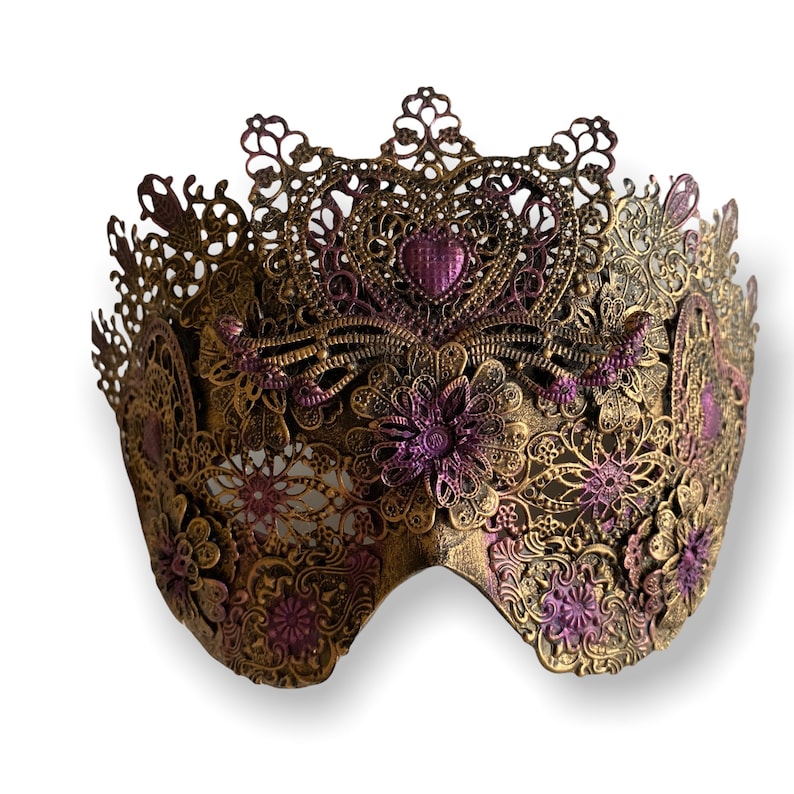
Gothic masquerade events have a rich tapestry woven from the strands of historical masquerades that flourished in Europe, particularly during the 16th to 18th centuries. These events, originally meant for the elite, combined elements of performance art with social commentary and personal intrigue, paving the way for the darker themes often associated with Gothic aesthetics. The inclination towards masquerades allowed individuals to transcend their societal roles, providing a perfect backdrop for the emergence of Gothic motifs, which often include themes of mystery, the supernatural, and the macabre.
The evolution of masquerade events was heavily influenced by significant societal changes, including the rise of the bourgeoisie, the shift towards individualism, and the growing fascination with the occult and the supernatural. As Europe moved through the Renaissance and into the Enlightenment, traditional social hierarchies began to dissolve, allowing a greater variety of people to participate in masquerades. This democratization of social space resulted in the integration of Gothic elements into these events, serving both as a reflection of and a reaction to contemporary anxieties about identity, morality, and the human condition.
Notable Historical Masquerades Influencing the Gothic Theme
Several historical masquerades laid the groundwork for the Gothic theme prevalent in modern masquerade events. These gatherings were characterized by elaborate costumes, intricate masks, and a spirit of mystery that encouraged attendees to explore the darker sides of human experience.
One of the most iconic events was the Venetian Carnival, which dates back to the 12th century. Known for its opulent masks and elaborate costumes, the carnival provided a canvas for individuals to explore alter egos and darker personas, creating an ambiance ripe for Gothic influence. The anonymity afforded by masks allowed participants to engage in behaviors and expressions they might not otherwise reveal, encouraging a fascination with the grotesque and the uncanny.
Another significant event was the Masquerade Ball held at the Palace of Versailles during the reign of Louis XIV. This opulent display of wealth became a precursor to the Gothic aesthetic through its extravagant designs and theatrical performances. The lavish costumes often featured dark, romantic elements, encapsulating the emerging Gothic imagination that would come to dominate European literature and art.
Furthermore, the Gothic Revival Movement of the 19th century, complemented by events such as the infamous “Gothic Nights” held in grand estates, incorporated literature’s fascination with the macabre into actual social gatherings. These events celebrated themes from works by Edgar Allan Poe and Mary Shelley, allowing guests to immerse themselves in a world that bridged both reality and the spectral.
“The masquerade serves as a metaphor for the duality of human nature, revealing the dark desires hidden beneath the surface.”
The interplay of these historical masquerades with the Gothic aesthetic underscored the societal shifts of their times, ultimately shaping the unique and hauntingly beautiful events we recognize today as Gothic masquerades.
The Significance of Costumes in Gothic Masquerades
Costumes play a pivotal role in Gothic masquerades, serving as both a means of personal expression and a representation of the hauntingly beautiful atmosphere that defines these events. The intricate designs, choice of colors, and selection of materials not only reflect the wearer’s identity but also contribute to the overall mood of the gathering, enhancing the sense of mystery and allure that is characteristic of Gothic culture.
The materials, colors, and designs chosen for Gothic masquerade costumes are deeply symbolic. Traditionally, costumes are made from sumptuous fabrics such as silk, velvet, lace, and brocade. These materials not only convey a sense of luxury but also evoke the historical roots of Gothic fashion, which often draws inspiration from Victorian and medieval aesthetics. The colors predominantly used in these costumes include deep blacks, rich purples, and blood reds, which embody the themes of darkness, romance, and melancholy often associated with Gothic motifs.
Costume designs range from the elaborate to the minimalist, yet they all share common elements such as flowing silhouettes, dramatic capes, and intricate embellishments. The use of corsets for both men and women enhances the hourglass figure, a nod to historical fashion sensibilities. Accessories like masks, elaborate hats, and jewelry featuring motifs such as skulls, crosses, and bats further amplify the Gothic vibe. Notably, masks serve a dual purpose; they conceal identity while allowing for freedom of expression, encouraging wearers to adopt personas that might differ from their everyday selves.
Comparison of Modern Interpretations of Gothic Costumes with Historical Ones
The evolution of Gothic costumes has seen significant changes from historical to modern interpretations. While historical Gothic fashion was heavily influenced by the Victorian era’s strict social norms and elaborate craftsmanship, modern Gothic attire often embraces a more eclectic and individualistic approach.
In historical contexts, costumes were designed with an emphasis on craftsmanship and adherence to societal expectations. Intricate details such as hand-stitched embroidery, beading, and layers of fabric were common. The silhouettes were often restricted by the corsetry of the time, leading to a more uniform presentation among attendees.
In contrast, modern interpretations of Gothic costumes prioritize personal expression and creativity. This shift is reflected in several key areas:
- Material Variety: Contemporary Gothic fashion often incorporates synthetic materials alongside traditional fabrics, allowing for a broader range of textures and affordability.
- Design Freedom: Modern costumes can be more avant-garde, featuring asymmetrical cuts, unconventional layering, and mixed styles ranging from punk to romantic Gothic.
- Inclusivity: Today’s Gothic costumes are more inclusive, accommodating diverse body types and gender expressions, which differs from the often rigid historical norms.
- DIY Culture: There is a strong DIY ethos prevalent in the modern Gothic scene, where individuals create unique costumes that reflect their personal stories, departing from mass-produced garments.
The dynamic nature of modern Gothic fashion reinforces the idea that while the essence of Gothic masquerades remains rooted in mystery and allure, the costumes embody the evolving identities and cultural narratives of their wearers.
Costumes in Gothic masquerades serve as a canvas for self-expression, weaving together personal stories with the rich tapestry of Gothic tradition.
The Role of Music and Dance in Gothic Masquerade Culture
The atmosphere of Gothic masquerades is intricately woven with the threads of music and dance, creating an immersive experience that captivates participants and onlookers alike. These events not only serve as a visual spectacle of elaborate costumes and masks but also as a vibrant auditory and kinetic celebration, drawing on historical and cultural influences that resonate deeply within the Gothic tradition.
A distinctive aspect of Gothic masquerades is the type of music that fills the air, which significantly impacts the mood and ambiance of the event. Typically, the music played ranges from classical compositions to modern interpretations influenced by Gothic aesthetics, such as darkwave, neoclassical, and ethereal sounds. Each genre contributes to the overall feeling of mystery and enchantment that permeates the venue.
Types of Music and Their Cultural Significance
Understanding the types of music played at Gothic masquerades is essential, as they embody the themes and emotions traditionally associated with Gothic culture. The following list explores some prominent music styles and their significance:
- Classical Music: Compositions by artists like Chopin and Tchaikovsky, often played on piano or strings, evoke a sense of melancholy and drama, fitting the Gothic narrative of romance and tragedy.
- Darkwave: This genre combines elements of electronic music with post-punk influences, characterized by haunting melodies and deep, resonant vocals, creating an eerie yet captivating atmosphere that aligns with the Gothic aesthetic.
- Ethereal Wave: Often featuring airy vocals and atmospheric soundscapes, this genre evokes feelings of introspection and otherworldliness, enhancing the mystical experience of the masquerade.
- Neoclassical: This style merges classical music traditions with modern influences, often seen in the works of artists like Lisa Gerrard or Dead Can Dance, allowing a bridge between historical depth and contemporary interpretation.
Each genre not only sets the tone for the evening but also reflects the cultural lineage from which the Gothic movement has emerged. The choice of music at these events plays a pivotal role in allowing attendees to connect deeply with the thematic elements of the masquerade.
Popular Dance Styles Associated with Gothic Themes
Dance is another vital component of Gothic masquerade culture, acting as a physical expression of the music and themes present at these events. Various dance styles embody the dark elegance and emotional intensity characteristic of Gothic culture. Here are some notable dance forms associated with Gothic themes:
- Waltz: The classic waltz, with its flowing movements and intricate footwork, is often performed at masquerades, creating a romantic and timeless atmosphere that resonates with the Gothic love for beauty and tragedy.
- Gothic Belly Dance: This style combines traditional belly dancing with Gothic aesthetics, featuring flowing fabrics and dramatic movements that reflect the dichotomy of sensuality and darkness.
- Contact Improvisation: A form of dance that emphasizes physical connection and spontaneity, it allows participants to engage in a raw and instinctual way, mirroring the emotional depth found in Gothic literature and art.
- Dark Folk Dance: Often inspired by medieval and folk traditions, these dances may utilize props like cloaks or masks, enhancing the theatrical element of performance and inviting deeper engagement with the thematic content of the masquerade.
The integration of music and dance at Gothic masquerades creates a holistic experience that transcends mere visual appeal, inviting participants to immerse themselves in a world where the past meets the present, and where the essence of Gothic culture thrives through sound and movement.
The Psychological and Social Aspects of Attending a Gothic Masquerade
The allure of Gothic masquerades goes beyond enticing costumes and enchanting settings. Attendees are often motivated by a combination of psychological needs and social dynamics that make these events compelling experiences. Understanding these factors can deepen our appreciation of the communal and individual sentiments that drive participation in such unique gatherings.
The psychological motivations behind attending Gothic masquerades can be traced to several intertwined aspects of human nature. For many, these events provide a welcome escape from the mundane realities of everyday life. The opportunity to don elaborate costumes and masks allows individuals to explore different facets of their identities, often expressing emotions and characteristics that might be suppressed in their daily lives. This freedom fosters creativity and self-exploration, enabling participants to experiment with personas that resonate with their inner selves.
Moreover, the ambiance of a Gothic masquerade is steeped in mystery and allure, which can elicit feelings of excitement and anticipation. Many attendees are drawn to the romanticized notions of the Gothic aesthetic, characterized by dark themes, intricate designs, and an atmosphere of intrigue. This environment encourages social interactions that might not occur in more conventional settings, as participants are free to engage with one another without the constraints of their everyday identities.
Community Building Among Participants
Gothic masquerades are not merely about individual expression; they also serve as platforms for community building among attendees. These events cultivate a sense of belonging, as participants share common interests, aesthetic preferences, and values. The interactions that take place at masquerades create bonds that can lead to lasting friendships and networks of support.
The following points illustrate how masquerades foster a sense of community:
-
Shared Interests:
Attendees typically possess a mutual appreciation for the Gothic subculture, including fashion, music, literature, and art. This common ground facilitates initial connections and conversations.
-
Collective Experience:
The immersive nature of the event—complete with themed decorations, music, and performances—encourages collective participation in shared experiences, enhancing the feeling of unity.
-
Inclusivity:
Gothic masquerades often welcome diverse demographics, allowing individuals from various backgrounds to come together, share their stories, and celebrate their uniqueness without fear of judgment.
-
Supportive Environment:
Many participants find solace in the understanding and acceptance that prevails at these events, as like-minded individuals can express themselves freely and find validation in their choices.
As a result, Gothic masquerades affirm not only individual creativity but also the strength of community. The psychological and social dynamics at play help to create a vibrant atmosphere where participants can forge meaningful connections that extend beyond the boundaries of the event itself.
The Influence of Literature and Art on Gothic Masquerade Themes
Gothic masquerades are intricate events that weave together the dark allure of Gothic literature and art, creating an atmosphere rich in mystery and elegance. The themes prevalent in these masquerades often reflect the emotive and macabre elements found in Gothic novels and visual arts, transforming the events into a realm where fantasy and reality intermingle. The influence of renowned literary works and artists on these themes can be traced back to the roots of the Gothic movement, which emerged in the 18th century and flourished in the 19th century.
Gothic literature, characterized by its exploration of the supernatural, the sublime, and the psychologically disturbing, has significantly shaped the aesthetics of masquerade events. For instance, the works of Edgar Allan Poe and Mary Shelley delve deeply into themes of death, madness, and the uncanny, which resonate vividly within the ambiance of a Gothic masquerade. The haunting narratives of Poe, particularly in stories like “The Masque of the Red Death,” exemplify the intersection of social commentary and the grotesque, where a lavish party turns into a horrific representation of mortality. This interplay between grandeur and decay is often echoed in masquerade themes, where elaborate costumes and opulent decorations juxtapose the underlying fragility of life.
Furthermore, the visual arts have played an instrumental role in shaping the thematic elements of Gothic masquerades. Artists such as Caspar David Friedrich and Francisco Goya have produced works that embody the essence of Gothic aesthetics. Friedrich’s landscapes, often shrouded in mist, evoke feelings of isolation and introspection that complement the somber elegance of masquerade settings. Goya’s “The Witches’ Sabbath” presents a vivid tableau of supernatural elements that can inspire costume choices and event themes, reflecting the fascination with the occult that often permeates Gothic celebrations.
Thematic Comparisons Between Gothic Literature and Masquerade Events
The thematic elements found in Gothic literature and masquerade celebrations share striking similarities that enhance the overall experience of the latter. Both realms explore dualities such as life and death, beauty and horror, and reality and illusion.
One of the primary themes is the exploration of identity, often represented through masks and costumes at masquerades. Much like the characters in Gothic novels who grapple with their hidden selves or alter egos, participants in masquerades adopt personas that allow them to transcend their everyday lives. This act of disguise serves as a commentary on societal norms, mirroring the critiques found in Gothic narratives.
Another significant theme is the presence of the supernatural and the uncanny. Just as Gothic literature frequently incorporates ghosts, monsters, and otherworldly elements, masquerade events often immerse attendees in an atmosphere where the boundaries of reality blur. The use of dark, rich colors, intricate designs, and atmospheric lighting during these events echoes the visual richness of Gothic art, creating an immersive experience that echoes the eerie beauty prevalent in both mediums.
Additionally, the concepts of mortality and decadence are prevalent in both Gothic tales and masquerades. The juxtaposition of vibrant festivities against the backdrop of mortality, as seen in Poe’s work, is often reflected in masquerade settings, where the fleeting nature of pleasure becomes a poignant reminder of life’s transience.
Overall, the dialogue between Gothic literature and the aesthetics of masquerade events creates a haunting yet enchanting experience, where themes of identity, the supernatural, and mortality converge, captivating all who partake in the festivities.
The Modern Revival of Gothic Masquerades in Contemporary Culture
In recent years, Gothic masquerade events have seen a remarkable resurgence in popularity, reinvigorating a fascination with the mysterious and the macabre that transcends traditional boundaries. A blend of art, performance, and social engagement, these gatherings reflect society’s evolving relationship with self-expression, culture, and the allure of the unknown. As modern society embraces themes of individuality and alternative lifestyles, Gothic masquerades emerge as a compelling means of exploration and celebration of identity.
Various forms of Gothic masquerade events have surfaced in contemporary culture, adapting to technological advancements and shifting social landscapes. From lavish in-person gatherings to vibrant virtual soirées, the essence of Gothic masquerades continues to captivate. Many events now feature elaborate themes, artistic costumes, and immersive experiences that transport participants to otherworldly realms.
Modern Forms of Gothic Masquerades
The resurgence of Gothic masquerades can be observed through a variety of formats that cater to diverse audiences. These events not only celebrate Gothic aesthetics but also foster community connection and creativity. Below are some of the prominent forms these gatherings take today:
- In-Person Events: Traditional masquerade balls remain popular, often hosted in historic venues adorned with Gothic architecture. These gatherings feature live music, dance, and theatrical performances, allowing attendees to immerse themselves fully in the experience.
- Themed Festivals: Many cities now host annual festivals dedicated to Gothic culture, incorporating masquerade elements into their programming. These festivals often include workshops, art exhibitions, and costume contests, enhancing community engagement.
- Virtual Masquerades: The rise of online platforms has led to the creation of virtual masquerade events. Participants can join from anywhere in the world, donning costumes and interacting through video conferencing, allowing for global participation and creativity.
- Pop-Up Masquerade Gatherings: Informal and spontaneous masquerade events have become trendy, organized through social media channels. These gatherings encourage local artists and performers to showcase their talents in a unique, immersive setting.
Key organizations and communities play a crucial role in promoting the revival of Gothic masquerades. Groups like the International Gothic Association and various local Gothic clubs actively organize events, provide resources, and cultivate a sense of belonging among enthusiasts. Their commitment to preserving Gothic traditions while embracing modern interpretations further strengthens the cultural significance of these masquerades in contemporary society. As these events continue to evolve, they serve as a testament to the enduring allure of the Gothic aesthetic and its impact on modern culture.
The Importance of Venue Selection for Gothic Masquerades
The choice of venue plays a pivotal role in shaping the atmosphere and overall experience of Gothic masquerades. These events thrive on a rich, immersive ambiance that reflects the themes of mystery, romance, and the macabre. The right venue not only complements the aesthetics of the masquerade but also encourages guest interaction, fostering an enchanting atmosphere where attendees feel transported into another world.
The significance of venue selection lies in its ability to enhance the event’s thematic elements. Gothic masquerades typically draw inspiration from historical and literary sources, embedding their essence within the chosen location. A well-selected venue can evoke a sense of grandeur, intimacy, or eeriness, depending on the desired mood. For instance, venues with gothic architecture, candlelit interiors, and ornate furnishings can create a hauntingly beautiful environment that resonates with the event’s theme. Alternatively, more unconventional spaces, like abandoned warehouses or hidden gardens, can provide an edgy, avant-garde twist that adds an element of surprise.
Iconic Venues for Gothic Masquerades
Several historic and unique venues have earned a reputation for hosting memorable Gothic masquerades, each contributing distinct characteristics to the experience. Here are a few notable examples:
- The Catacombs of Paris, France: This underground network of tunnels lined with human bones offers an eerie yet fascinating backdrop for a Gothic masquerade. The dimly lit atmosphere and the haunting history of the catacombs amplify the event’s themes of mortality and the supernatural.
- Castello di Montebello, Italy: This ancient castle overlooks the surrounding landscape and provides a dramatic setting steeped in history. The castle’s stone walls and grand halls create an elegant yet foreboding atmosphere, perfect for a night of masked revelry.
- The Metropolitan Museum of Art, New York City, USA: Hosting masquerades in the museum’s grand halls allows guests to mingle amongst priceless art and artifacts. The opulent setting reflects the sophistication of Gothic culture, combining beauty and darkness in a captivating way.
These venues exemplify how architecture, history, and ambiance can intertwine to create a memorable Gothic masquerade experience. The selection of such spaces elevates the event, making it not just a gathering but an unforgettable journey into a world of enchantment and intrigue.
“The right venue transforms a masquerade from a party into an immersive experience, where every detail contributes to the story being told.”
The Relationship Between Gothic Masquerades and Other Subcultures
Gothic masquerades are not just standalone events; they serve as a nexus where various subcultures converge, creating a rich tapestry of artistic expression and cultural exchange. One of the most notable intersections occurs with the steampunk and Victorian subcultures, each bringing their unique flavor to the masquerade atmosphere. These interactions create an environment that celebrates the beauty of diversity while honoring the aesthetics of darkness and the macabre that defines Gothic culture.
The influences between Gothic masquerades and other subcultures are profound and multifaceted. Steampunk, with its emphasis on Victorian-inspired fashion, machinery, and anachronistic technology, often dovetails with Gothic aesthetics. This fusion is evident in the elaborate costumes adorned with gears, goggles, and lace, reflecting both the industrial revolution’s spirit and the brooding elements of Gothic design. This blending of styles is showcased during masquerade events where participants might don corsets, top hats, and parasols combined with dark, flowing fabrics and shadows, creating a visually striking tableau.
Collaborative Events Showcasing Cultural Elements
Many masquerade events actively encourage collaboration between these subcultures, resulting in vibrant festivities that highlight their shared interests and aesthetics. One notable example is the annual “Gothic & Steampunk Masquerade Ball,” where creators from both communities come together to celebrate their cultures through immersive experiences.
These events often feature:
-
Multi-genre performances that blend dark cabaret with steampunk theatrics, creating an exciting atmosphere for attendees.
- Art installations that merge Gothic motifs—such as skulls, ravens, and Victorian architecture—with steampunk elements like brass contraptions and retro-futuristic designs.
- Culinary experiences inspired by both subcultures, with menu items that reflect dark themes alongside whimsical Victorian-inspired treats.
- Workshops and panel discussions that explore the history and evolution of both Gothic and steampunk aesthetics, fostering a deeper understanding and appreciation of each group’s influences.
Collaboration extends beyond mere aesthetics; these events often serve as platforms for dialogue and creative exchange, fostering friendships and partnerships that enrich both communities. By embracing the unique characteristics of each subculture, Gothic masquerades become not only celebrations of individuality and fantasy but also a testament to the power of collective creativity. The synergy between these groups reinforces the idea that while their roots may differ, their shared passion for the extraordinary and the enchanting is what truly unites them.
Closure
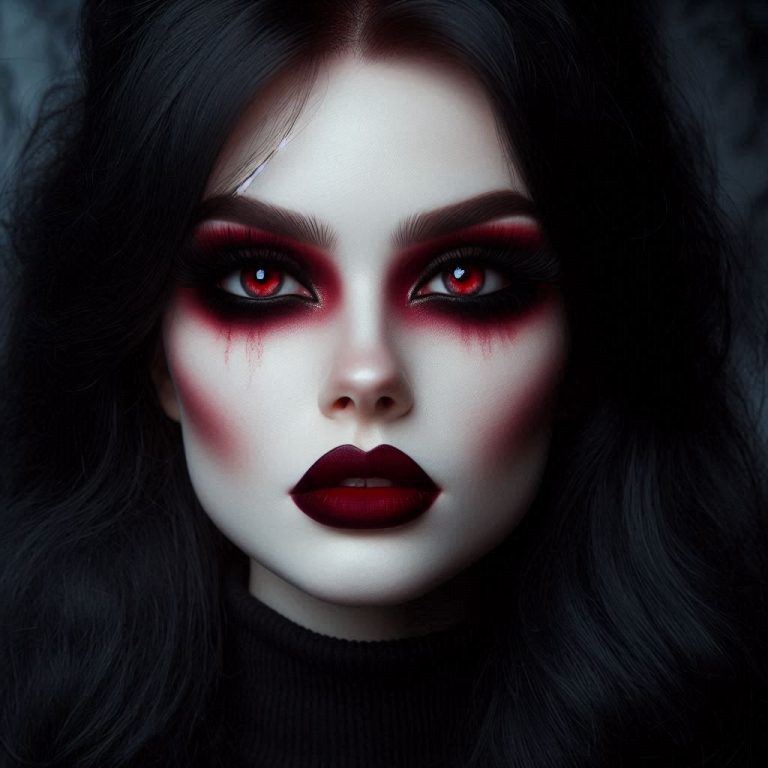
The exploration of Gothic Masquerade reveals a rich cultural phenomenon that continues to evolve and resonate with audiences today. This enchanting tradition of community and self-expression not only bridges the past and present but also invites individuals to embrace their darker, more whimsical selves. As we celebrate the Gothic aesthetic through costumes, music, and art, it becomes clear that these masquerades are not just events, but rather enchanting experiences that spark creativity and foster connections in a unique and memorable way.
Popular Questions
What is the origin of Gothic Masquerades?
Gothic Masquerades originated from traditional masquerade balls in Europe, evolving over time to incorporate dark, romantic themes influenced by Gothic literature and art.
What types of costumes are typical at Gothic Masquerades?
Costumes often feature dark colors, intricate designs, and materials like lace and velvet, reflecting themes of mystery and elegance.
How does music influence Gothic Masquerades?
Music sets the mood, with genres like classical, darkwave, and industrial enhancing the atmospheric experience of the event.
Are Gothic Masquerades only for people within the Gothic subculture?
No, while they are rooted in Gothic aesthetics, these events attract diverse attendees who appreciate the artistic and thematic elements.
How can one find Gothic Masquerade events?
Many Gothic Masquerades are organized by local communities, online forums, or through social media groups dedicated to Gothic culture and events.
Can Gothic Masquerades be held virtually?
Yes, modern Gothic Masquerades often include virtual formats, allowing participants to engage from anywhere in the world.