
 Eric
EricStep into the Enchanted Garden Theme, where nature meets whimsy to create a captivating escape. This theme embraces the ethereal beauty of flora, the charm of whimsical decor, and the soothing presence of water features, crafting a space that ignites the imagination. With carefully chosen plants and thoughtful design elements, your enchanted garden can become a serene retreat that invites exploration and wonder.
From selecting the perfect color palette to incorporating magical lighting, every detail contributes to a harmonious atmosphere. Whether you’re designing a personal oasis or planning a special event, understanding the enchanting components will elevate your space into a realm of fantasy, where every visit feels like stepping into a storybook.
The Magical Elements of an Enchanted Garden Theme
Creating an enchanted garden is all about evoking a sense of wonder and magic through carefully selected elements. This theme draws on the beauty of nature while incorporating whimsical features that transport visitors to a fairy-tale realm. The essential components of an enchanted garden work together to create an immersive experience filled with charm and serenity.
Essential to the enchanting atmosphere are the vibrant plants and flowers that breathe life into the garden. These living elements not only contribute to the visual appeal but also evoke various emotions through their colors, scents, and textures.
Key Components of an Enchanted Garden
The following components are vital in crafting an enchanting experience:
- Floral Variety: A rich selection of flowers such as roses, lavender, and wisteria adds color and fragrance. Each flower contributes its unique charm; for instance, lavender’s calming scent can create a serene atmosphere, while the romantic allure of roses can spark feelings of love and magic.
- Foliage: Lush green plants, including ferns and ivy, provide a natural backdrop that enhances the enchanting feel. Their varied shapes and sizes create visual interest and a sense of depth throughout the garden.
- Decorative Features: Whimsical decorations like fairy houses, garden gnomes, and shimmering wind chimes can bring personality to the space. These elements stir curiosity and invite exploration, making the garden feel alive.
- Water Elements: Ponds, fountains, or gentle streams add a soothing auditory backdrop, while reflecting light and creating a sense of tranquility. The gentle sound of flowing water can enhance relaxation and deepen the enchanting ambiance.
- Pathways: Curved stone paths or flower-lined trails guide visitors through the garden, encouraging discovery and adventure. A well-laid pathway can create a narrative, leading wanderers deeper into the garden’s secrets.
Lighting plays a critical role in establishing the enchanting mood of the garden. Proper lighting transforms the space from day to night, unveiling new dimensions of beauty and atmosphere.
The Role of Lighting in an Enchanted Garden
Lighting not only illuminates the garden but also enhances its magical qualities. Here are some key aspects to consider:
- Soft Glow: Subtle lighting, such as string lights or lanterns, can create a warm, inviting atmosphere. This soft glow mimics the natural light of dusk, ideal for evening strolls.
- Highlighting Features: Spotlights can be used to accentuate unique plants, sculptures, or water features, drawing attention to key elements and creating focal points.
- Colorful Lighting: Colored LED lights can add a playful touch, allowing the garden to change its appearance throughout the evening. This dynamic feature can make the garden feel alive and ever-changing.
- Moonlight Effect: Incorporating fixtures that replicate the soft, silvery light of the moon can enhance the magical ambiance, creating an ethereal quality that resonates throughout the space.
- Safety and Accessibility: Thoughtful lighting ensures safe navigation through the garden at night, allowing guests to enjoy the enchanting experience without fear of stumbling or losing their way.
Through a combination of vibrant flora, whimsical decorations, and strategic lighting, an enchanted garden becomes a magical retreat where imagination thrives and nature’s beauty is celebrated.
Designing Your Own Enchanted Garden Space
Creating a personal enchanted garden is a delightful journey that blends imagination with nature. This space not only serves as a retreat but also as an expression of your creativity and love for the outdoors. The process involves thoughtful planning and design, allowing you to cultivate an area that feels magical and inviting.
When it comes to planning your enchanted garden, it’s essential to consider multiple aspects including location, layout, and features. This ensures that your garden not only looks enchanting but is also functional and sustainable. Here are the steps you can take to design your own enchanted garden.
Choosing the Right Location and Layout
Selecting the perfect location for your enchanted garden is crucial. Look for a spot that receives adequate sunlight, offers protection from harsh winds, and has good drainage. The layout should flow naturally, allowing for pathways that encourage exploration. Consider incorporating curves rather than straight lines to create a more whimsical feel.
– Sunlight: Ensure the area gets at least 6 hours of sunlight for most plants.
– Wind Protection: Use trees or shrubs to create a natural barrier against strong winds.
– Drainage: Choose a location with well-drained soil to prevent waterlogging.
Creating a layout that resonates with the theme of enchantment can involve several key features:
– Winding Pathways: Use gravel or stepping stones to create meandering paths that invite visitors to wander.
– Themed Zones: Divide the garden into different sections, such as a fairy circle or a herb nook, each with its unique charm.
– Focal Points: Incorporate a centerpiece like a fountain, sculpture, or a vibrant flower bed that draws the eye and adds interest.
Incorporating Natural and Whimsical Elements
To truly enhance the enchanted feel of your garden, blending natural and whimsical elements is vital. These can be achieved through careful selection of plants, decorations, and features.
Introduce a variety of plants that add texture and color, which can convey a magical atmosphere:
– Perennials: Opt for plants that bloom at different times, ensuring year-round beauty. Consider lavender, foxgloves, and peonies for their enchanting scents and looks.
– Vines: Use climbing plants like wisteria or clematis to create a mystical canopy or adorn trellises.
– Unique Trees: Adding trees like Japanese maples or flowering dogwoods can provide a whimsical, fairy-tale-like ambiance.
Whimsical features can include:
– Garden Art: Incorporate sculptures, wind chimes, or fairy houses made from natural materials for an artistic touch.
– Lighting: Use soft, warm lighting such as solar-powered fairy lights or lanterns to illuminate pathways and key garden areas at night.
– Natural Seating: Create seating areas from tree stumps or rustic benches that allow you to relax and enjoy the surroundings.
“An enchanted garden is not just about the plants; it’s about creating an atmosphere that inspires wonder and joy.”
By carefully selecting your location, designing a thoughtful layout, and incorporating natural and whimsical elements, you can create a personal enchanted garden that is both beautiful and magical.
Color Palettes that Define Enchanted Gardens
The enchanting quality of a garden is often significantly shaped by its color palette. The right blend of hues can evoke feelings of serenity, joy, or even a touch of magic. In an enchanted garden, colors come together to create a harmonious environment that draws the eye and uplifts the spirit. Exploring popular color schemes can help in selecting the perfect shades to transform ordinary spaces into extraordinary ones.
Colors play a pivotal role in influencing the ambiance and mood of a garden. Lush greens and vibrant florals can stimulate feelings of tranquility and happiness, while soft pastels can create a dreamy, whimsical atmosphere. The interplay of colors not only enhances the visual appeal but also affects the way one feels in that space. For example, warm colors such as reds and yellows can evoke warmth and energy, while cooler shades like blues and purples can induce calmness and relaxation.
Popular Color Schemes for Enchanted Gardens
When designing an enchanted garden, there are several popular color schemes that can effectively capture the magical essence of the outdoors. Each scheme brings its unique mood and aesthetic to the space. Below are a few color combinations that harmonize beautifully in garden design:
- Pastel Palette: Soft pinks, lavender, and mint green create a serene and whimsical atmosphere, perfect for a fairy-tale garden. These colors evoke a sense of tranquility and dreaminess.
- Bold Jewel Tones: Rich purples, deep blues, and vibrant greens can transform a garden into a lush paradise. These colors add depth and richness, making the garden feel luxurious and inviting.
- Earthy Neutrals: Shades of beige, taupe, and soft browns provide a grounded and natural feel. They work well with a variety of plants and flowers, allowing nature’s colors to shine.
- Sunset Hues: Warm oranges, yellows, and pinks mimic the beautiful colors of a sunset. This palette radiates warmth and energy, creating an inviting and cheerful atmosphere.
Each pair of colors can complement various garden features such as flower beds, pathways, and seating areas.
“Color is the keyboard, the eyes are the harmonies, the soul is the piano with many strings.” – Wladimir Nabokov
In selecting color pairings, it’s essential to consider how they work together in the garden’s layout. For instance, pairing vibrant flowers with soft foliage can highlight each element’s beauty, while contrasting colors can draw the eye to focal points like sculptures or water features. The harmony of colors can guide visitors through the garden, creating a delightful visual journey.
The Role of Water Features in Enchanted Gardens
In enchanted gardens, water features serve as magical focal points that enhance the overall aesthetic and tranquility of the space. The soothing sounds of trickling water and the reflections cast on its surface create a serene atmosphere, inviting relaxation and contemplation. Water features not only amplify the beauty of the garden but also promote a sense of harmony and connection with nature.
Ponds, fountains, and streams are popular elements that can transform an ordinary garden into an enchanting oasis. Each type of water feature offers unique visual and auditory experiences, contributing to the garden’s enchanting theme. The choice of water feature greatly influences the garden’s ambiance, with options ranging from elegant, classical fountains to naturalistic ponds that mimic wild landscapes.
Styles of Water Features Complementing Enchanted Gardens
Incorporating various styles of water features can significantly enhance the enchanted atmosphere of a garden. The choice of style should reflect the overall theme and design of the garden. Below are several styles of water features that harmonize beautifully with enchanted gardens:
- Classical Fountains: Often featuring ornate sculptures and tiered designs, classical fountains bring a touch of elegance and grandeur. They can serve as a central focal point, surrounded by lush plantings.
- Naturalistic Ponds: These ponds are designed to blend seamlessly with the surrounding landscape, often utilizing local stones and native plants. They can be home to aquatic life, adding to the garden’s biodiversity and charm.
- Meandering Streams: A gently flowing stream can create a sense of movement and tranquility. Curved paths and natural banks enhance the organic feel, making it an ideal choice for a whimsical, enchanted garden.
- Wall Fountains: Perfect for smaller spaces, wall fountains provide a captivating backdrop. They can be adorned with climbing plants, adding texture and greenery to garden walls.
- Waterfalls: Introducing a waterfall can create a dynamic soundscape while providing a stunning visual element. The cascading water adds a dramatic touch and can be integrated into rock formations for a natural appearance.
Maintaining these water features is essential to ensure they remain inviting and visually appealing. Regular maintenance not only keeps them clean but also enhances their functionality.
Guidelines for Maintaining Water Features
Proper care of water features ensures they remain a focal point in the enchanted garden. The following guidelines Artikel key maintenance practices:
- Regular Cleaning: Remove debris such as leaves and algae from ponds and fountains to prevent buildup and maintain crystal-clear water.
- Water Quality Monitoring: Regularly check water quality and pH levels to ensure a healthy environment for aquatic plants and animals.
- Pump Maintenance: Inspect pumps frequently for any debris or damage and clean or replace them as needed to ensure proper water circulation.
- Seasonal Care: Prepare features for seasonal changes by winterizing ponds and ensuring fountains are protected from freezing temperatures.
- Plant Management: Trim and manage aquatic plants to maintain balance in the ecosystem and enhance visual appeal without overcrowding.
By following these maintenance practices, water features can continue to enchant visitors while enriching the overall experience of the garden, creating a serene retreat that showcases nature’s beauty.
Enchanted Garden Accessories and Furnishings
Creating an enchanted garden goes beyond just planting beautiful flowers and shrubs; it involves carefully selecting accessories and furnishings that enhance the whimsical and magical atmosphere. These elements transform a simple outdoor space into a serene retreat, inviting relaxation and enjoyment while reflecting the enchanting theme.
To truly embody the essence of an enchanted garden, various types of furniture and accessories come into play. The right pieces can evoke a sense of wonder and charm, making the garden a delightful sanctuary for everyone. Below are some essential furnishings and decorative items that can enhance your enchanted garden.
Furniture Types for Enchanted Gardens
Choosing the right furniture is crucial for both aesthetics and comfort in an enchanted garden. The following pieces not only serve a functional purpose but also add to the magical ambiance.
- Whimsical Benches: Opt for benches with intricate woodwork or wrought iron designs adorned with vines and floral patterns. These can become focal points in the garden.
- Adirondack Chairs: Perfect for lounging, these chairs offer comfort while fitting seamlessly into a natural setting. Choose soft pastel colors for an enchanting touch.
- Garden Tables: A round table with a rustic finish can invite gatherings for tea or lunch amidst the blooms. Look for tables that feature unique designs or are made from reclaimed materials.
- Hammocks or Swing Chairs: Ideal for relaxation, these can be suspended between trees or mounted on stands, providing a cozy nook to unwind.
Unique Decorative Items
Decorative items add charm and whimsy, bringing life and personality to your enchanted garden. These unique accents can spark joy and inspire imagination.
- Fairy Lights: String lights hung on trees or along pathways create a magical glow at night, making the garden come alive after sunset.
- Garden Statues: Consider whimsical creatures like fairies, gnomes, or animals that blend into the natural surroundings, bringing a playful spirit to the garden.
- Wind Chimes: Crafted from glass or metal, these can produce soothing sounds while adding visual interest with their movement in the breeze.
- Birdhouses: Beautifully crafted birdhouses not only serve a purpose but can also be decorative items that attract feathered friends.
Functional and Stylish Items
In addition to aesthetic appeal, functional accessories enhance the relaxation and enjoyment of your garden space. The following items serve practical purposes while maintaining style.
- Outdoor Rugs: Soft, colorful rugs can define seating areas and add comfort underfoot, making it feel like an extension of your living space.
- Planters and Pots: Unique containers in various shapes and sizes can add depth and visual interest, while also housing beautiful plants that contribute to the overall theme.
- Fire Pits: These not only provide warmth during cooler evenings but also become a natural gathering place for storytelling under the stars.
- Outdoor Blankets: Soft, decorative blankets can be used for picnics or cozying up during cooler evenings, enhancing comfort during outdoor relaxation.
Creating Pathways that Lead to Enchantment
Pathways serve as the veins of an enchanted garden, guiding visitors through the beauty and wonder of the landscape. A well-designed pathway not only provides direction but also enhances the overall experience of the garden, inviting exploration and discovery. Pathways can transform mundane visits into magical journeys, making every turn an opportunity for enchantment.
The materials and designs used in creating these pathways are crucial for setting the tone of the garden. Various options can evoke different feelings and themes, contributing to the garden’s narrative. Utilizing natural materials like stone, gravel, or wood will create a rustic charm, while more contemporary options like concrete or metal may offer a sleek, modern aesthetic. The choice of design can also vary from winding, meandering paths to straight, geometric lines, each offering a unique perspective of the garden’s elements.
Materials and Designs for Pathways
Selecting the right materials and designs for pathways is essential for both functionality and visual appeal. These choices not only ensure that visitors can navigate safely but also enhance the garden’s enchanting atmosphere.
Start by considering the following materials:
- Natural Stone: Large, flat stones create a rustic and organic feel, blending seamlessly with the natural surroundings. They can be arranged in various patterns to guide the eye and encourage exploration.
- Gravel: This easy-to-install option allows for flexible path shapes, providing a crunch underfoot that evokes the charm of country gardens. Its drainage properties are also beneficial in wet conditions.
- Wooden Walkways: Wooden planks or stepping stones can create a warm, inviting trail. The use of reclaimed wood adds an eco-friendly touch and character to the design.
- Brick or Pavers: These materials offer durability and a classic aesthetic. They can be laid in various patterns, from herringbone to circular designs, to enhance visual interest.
- Concrete: For a modern touch, poured concrete can be shaped and stained to mimic natural materials while providing a clean, contemporary look. It is highly versatile and can be embellished with textures or patterns.
To enhance the visual appeal of pathways, consider incorporating elements such as:
- Lighting: Pathway lights or lanterns can create a magical atmosphere during evening strolls. Solar-powered options offer an eco-friendly solution while illuminating the path.
- Edging: Flower beds, decorative stones, or low hedges can frame pathways, drawing attention to their shape and guiding visitors along their course.
- Seasonal Plantings: Integrating plants along the edges of the pathway can create a living border that changes with the seasons, providing continuous visual delight.
The accessibility of pathways is equally important. Ensuring they are wide enough for comfortable use and constructed with materials that provide grip will make the garden more inviting for all visitors. Smooth transitions between different pathway materials and careful consideration of elevation changes can prevent trips and falls, enhancing the overall safety and enjoyment of the garden environment.
Pathways are more than just functional routes; they are essential elements in creating the enchanting atmosphere of a garden. By thoughtfully selecting materials and designs, gardens can become immersive experiences that captivate the senses and foster exploration.
Seasonal Considerations for an Enchanted Garden
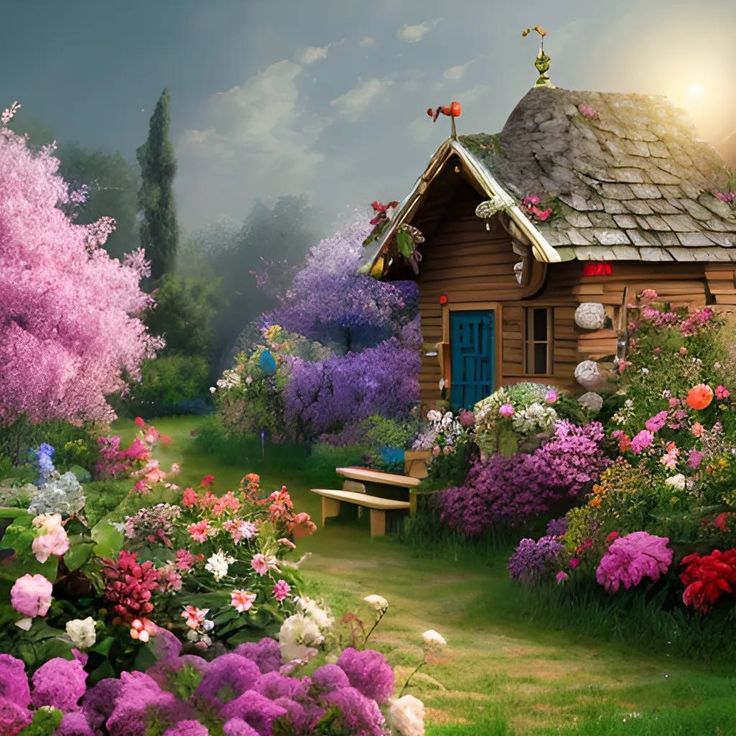
![[100+] Enchanted Garden Wallpapers | Wallpapers.com](https://maibirthday.com/wp-content/uploads/2026/03/enchanted-garden-1600-x-1116-wallpaper-nm5dltlv1sgajiqu.jpg "[100+] Enchanted Garden Wallpapers | Wallpapers.com")
Creating an enchanting garden is a year-round endeavor that requires careful consideration of seasonal changes. Each season brings unique challenges and opportunities that can significantly influence the design and maintenance of the garden. Understanding these seasonal shifts not only enhances the beauty of the garden but also ensures that it remains vibrant and inviting throughout the year.
Different seasons demand different approaches to both the design and upkeep of an enchanted garden. For instance, spring is the perfect time to plant colorful flowers and introduce new foliage, while summer necessitates diligent watering and pest control. In autumn, gardeners can focus on harvesting and preparing for winter, and winter itself can be a time for planning and dreaming about the year ahead. By aligning garden activities with seasonal rhythms, gardeners can create a space that reflects the enchanting qualities of nature.
Selection of Seasonal Plants for Year-Round Bloom
Choosing the right plants is essential for maintaining a garden that blooms throughout the year. Different plants thrive in different seasons, and selecting a variety ensures continuous color and life. Here are some considerations when selecting seasonal plants:
- Spring: Daffodils, tulips, and hyacinths are popular choices that herald the arrival of warmer weather with their vibrant blooms.
- Summer: Sunflowers, zinnias, and lavender not only provide stunning color but also attract pollinators, adding to the garden’s enchantment.
- Autumn: Chrysanthemums and asters bloom during fall, offering rich hues that complement the changing foliage of trees.
- Winter: Consider planting evergreens like holly or winterberry, which provide structure and color even in the cold months.
Incorporating a mix of perennials and annuals ensures that the garden maintains a dynamic look, with some plants fading while others come into bloom, providing interest and beauty all year round.
Preparation for Seasonal Changes
Preparing your garden for seasonal transitions is vital to maintain its enchanting qualities. Each season requires specific strategies to protect plants and promote healthy growth. Here are key methods for seasonal preparation:
- Spring Preparation: Conduct soil testing and amend as needed. Clear away winter debris to create a clean canvas for new growth.
- Summer Care: Ensure adequate watering and mulch to retain soil moisture. Regularly check for pests and diseases to keep plants healthy.
- Autumn Cleanup: Trim back spent plants and gather fallen leaves. This is also a good time to plant bulbs for spring blooms.
- Winter Protection: Use burlap wraps for delicate plants and consider applying a thick layer of mulch to protect roots from freezing temperatures.
Maintaining this seasonal routine not only keeps the garden looking its best but also fosters a sense of harmony and connection with the natural world.
“An enchanted garden is not just a place; it’s a reflection of the seasons, a story that unfolds with each passing day.”
The Importance of Wildlife in an Enchanted Garden
Creating an enchanted garden is not just about plants and aesthetics; it’s also about fostering an ecosystem that thrives with wildlife. Attracting various forms of life can significantly enhance the overall atmosphere, making your garden a vibrant and dynamic space. The presence of wildlife adds movement, sound, and color, transforming your garden into a lively retreat that connects people with nature.
To create an inviting environment for wildlife, it’s essential to select specific plants and features that cater to their needs. Birds, butterflies, and beneficial insects each have unique preferences that can be integrated seamlessly into the garden’s design. By understanding these needs, you can craft a sanctuary that not only looks enchanting but also supports local ecosystems.
Plants and Features that Attract Wildlife
Choosing the right plants is crucial for attracting a diverse range of wildlife to your garden. Different species appeal to various creatures, and selecting native and pollinator-friendly plants can significantly enhance biodiversity. Here are some key plants and features to consider:
- Nectar-rich flowers: Plants like lavender, coneflowers, and bee balm are excellent for attracting butterflies and bees. Their bright colors and sweet scents lure these pollinators while adding a splash of color to your garden.
- Fruit-bearing plants: Incorporating berry bushes such as blueberries and raspberries encourages birds to visit your garden. Not only do they provide food, but their presence also creates a lively, interactive atmosphere.
- Water features: A small pond or birdbath not only provides hydration but also serves as a habitat for frogs and other wildlife. The sound of water can create a serene ambiance while attracting different species.
- Native shrubs and trees: Indigenous plants, like elderberry and serviceberry, provide shelter and food for numerous bird species, ensuring a thriving wildlife community in your garden.
Implementing these elements creates an inviting space for wildlife while enhancing the beauty of your garden.
Best Practices for a Wildlife-friendly Garden
Creating a welcoming environment for wildlife involves more than just planting the right flora. It requires thoughtful design and care practices to ensure that your garden remains aesthetically pleasing while serving as a habitat. Here are some best practices to consider:
- Minimize pesticide use: Chemicals can be harmful to beneficial insects and birds. Opt for organic pest control methods to keep your garden healthy.
- Layered planting: Varying plant heights and types provides shelter and food sources for different species, enhancing biodiversity.
- Leave some areas wild: Allowing part of your garden to grow more naturally encourages native wildlife to take up residence. This can enhance the enchanting look while fostering a natural habitat.
- Create shelter: Incorporate features like birdhouses, bat boxes, and brush piles. These structures provide nesting and hiding places for various creatures.
By integrating these practices, you not only maintain the enchanting qualities of your garden but also contribute positively to the local ecosystem. Ultimately, a garden that attracts wildlife becomes a living tapestry that reflects the beauty of nature while providing vital habitats for many species.
Enchanted Garden Themes for Special Events
Creating a magical setting for special events like weddings or parties using an enchanted garden theme can transport guests to a whimsical world filled with charm and beauty. This theme is characterized by lush greenery, vibrant flowers, and soft lighting, making it perfect for an array of occasions. By carefully choosing decorations, layouts, and color schemes, you can craft an enchanting atmosphere that leaves a lasting impression.
To set the stage for an enchanted garden, a thoughtful arrangement of decor elements is essential. Consider the layout of the space, the types of flowers used, and the lighting options available. Each component plays a crucial role in enhancing the overall experience, contributing to the magical ambiance that defines an enchanted garden.
Decorations for Enchanted Garden Events
Selecting the right decorations is key to creating an enchanted atmosphere. Here are some elements to consider incorporating that can elevate your event’s aesthetic:
- Floral Arrangements: Use a mix of seasonal flowers such as peonies, roses, and hydrangeas to create stunning centerpieces. Arranging them in vintage vases or hanging them from trees can enhance the garden feel.
- Lighting: String lights or fairy lights can be draped across trees or overhead structures, casting a warm glow that adds to the enchanting ambiance. Consider lanterns or candlelight for added charm.
- Natural Elements: Incorporate wood, stone, and moss to bring a rustic feel. Wooden signs can guide guests, while moss-covered tables can serve as unique centerpieces.
- Thematic Accessories: Use elements like birdcages, butterflies, or whimsical toadstools as accents. These can be included in table settings, backdrops, or as part of the overall decor.
Layout Ideas for Special Events
The layout of your event space can greatly influence the enchanted garden experience. Here are some ideas to consider:
- Seating Arrangements: Opt for long banquet-style tables adorned with lush greenery or round tables surrounded by floral displays. This setup encourages conversation and creates a communal feeling.
- Photo Opportunities: Designate areas with beautiful backdrops, such as trellises draped with vines or floral arches, where guests can take memorable photos.
- Walkway Decor: Create enchanting pathways lined with flowers or fairy lights leading guests through the event. This can set the tone even before they arrive at the main area.
Enhancing the Event Experience with Flowers and Accessories
Utilizing flowers and accessories not only beautifies the space but also enhances the overall experience.
“Flowers speak a language that resonates with everyone, making them a perfect element for any event.”
Consider these approaches:
- Seasonal Blooms: Choose flowers that are in season to ensure vibrant colors and freshness. Seasonal flowers also tend to be more cost-effective.
- Color Palette: Stick to a cohesive color scheme that reflects the enchanted garden theme, such as pastel shades or vibrant jewel tones that mimic a garden in full bloom.
- Interactive Elements: Incorporate elements like a flower crown-making station or a herb garden for guests to explore, adding an engaging touch to the event.
By thoughtfully combining these ideas, you can create a truly enchanting experience for your guests, immersing them in the magic of the garden theme.
Exploring Literature and Art Inspired by Enchanted Gardens
Enchanted gardens have captivated the imaginations of writers and artists throughout history, serving as a backdrop for stories of love, magic, and transformation. These lush, vibrant spaces are not just settings; they embody deeper meanings, inviting exploration of the themes present in various cultural narratives. The mystical qualities associated with enchanted gardens resonate across different artistic forms, reinforcing their significance in literature and visual art.
Depictions of Enchanted Gardens in Literature
The portrayal of enchanted gardens in literature often reflects the characters’ inner emotions and the broader themes of the narrative. These gardens symbolize the intersection of reality and fantasy, where characters undergo personal growth or experience pivotal transformations. Notable examples include:
- “The Secret Garden” by Frances Hodgson Burnett: This classic tale depicts a neglected garden that transforms into a sanctuary of healing and growth for the protagonist, Mary Lennox. The garden symbolizes rejuvenation and the power of nature in personal transformation.
- “A Midsummer Night’s Dream” by William Shakespeare: The enchanted forest in this play serves as a magical realm where love and identity are explored, highlighting the whimsical and sometimes chaotic nature of romantic relationships.
- “Alice’s Adventures in Wonderland” by Lewis Carroll: The garden that Alice discovers represents a world of curiosity and wonder, filled with whimsical characters and absurd situations, emphasizing themes of identity and change.
Symbolism and Themes in Different Cultures
Enchanted gardens carry diverse meanings across various cultures, often symbolizing paradise, fertility, and the boundaries between the earthly and the divine. The themes associated with these gardens reflect cultural values and beliefs.
- In Persian culture: The concept of the “paradise garden” (Bagh) represents an earthly paradise filled with fruit trees, flowing water, and delicate flowers, signifying abundance and divine beauty.
- In Japanese culture: The Zen garden embodies tranquility and mindfulness, focusing on minimalism and the relationship between nature and the self, promoting peace and reflection.
- In Western literature: The garden often serves as a setting for romantic escapism, reflecting ideals of love and beauty, as seen in works such as John Keats’s “Endymion,” where nature and the divine intertwine.
Famous Works Featuring Enchanted Gardens
Several masterpieces feature enchanted gardens, showcasing their significance in both visual art and literature. These works highlight the multifaceted nature of gardens as symbols of beauty, mystery, and transformation.
- “The Garden of Earthly Delights” by Hieronymus Bosch: This triptych painting vividly depicts a fantastical garden filled with surreal figures and scenes, exploring themes of temptation, morality, and the fleeting nature of pleasure.
- “Water Lilies” by Claude Monet: Monet’s impressionist paintings of his personal garden at Giverny capture the beauty and tranquility of nature, reflecting the artist’s deep connection to his enchanted garden.
- “The Secret Garden” film adaptations: Numerous adaptations of Burnett’s work visually interpret the enchanted garden, emphasizing its role as a place of magic and transformation, enhancing the story’s emotional depth.
“Gardens are not made by singing ‘Oh, how beautiful,’ and sitting in the shade.” – Rudyard Kipling
Final Thoughts
Ultimately, the Enchanted Garden Theme is about creating a magical sanctuary that resonates with tranquility and joy. By blending natural elements with artistic features, you can cultivate an environment that not only enchants visitors but also nourishes your spirit. Embrace the charm of your garden and let it become a cherished space that celebrates the beauty and wonder of nature.
FAQ Guide
What are the essential plants for an enchanted garden?
Look for plants like lavender, foxgloves, and ferns, which add color and texture while enhancing the magical atmosphere.
How can I maintain the enchanting look of my garden year-round?
Choose seasonal plants and ensure proper care through pruning and seasonal maintenance to keep the garden vibrant.
What types of lighting work best for an enchanted garden?
Soft, warm lighting such as fairy lights, lanterns, and solar lights can create a magical ambiance at night.
Can I incorporate art into my enchanted garden design?
Yes, adding sculptures, garden art, or whimsical decorations can enhance the charm and storytelling aspect of the garden.
How do I attract wildlife to my enchanted garden?
Plant native flowers, provide bird feeders, and create water sources to invite birds and butterflies into your space.
What are some ideas for hosting events in an enchanted garden?
Consider using floral arrangements, themed decorations, and soft lighting to create an immersive atmosphere for weddings or parties.