
 Eric
Eric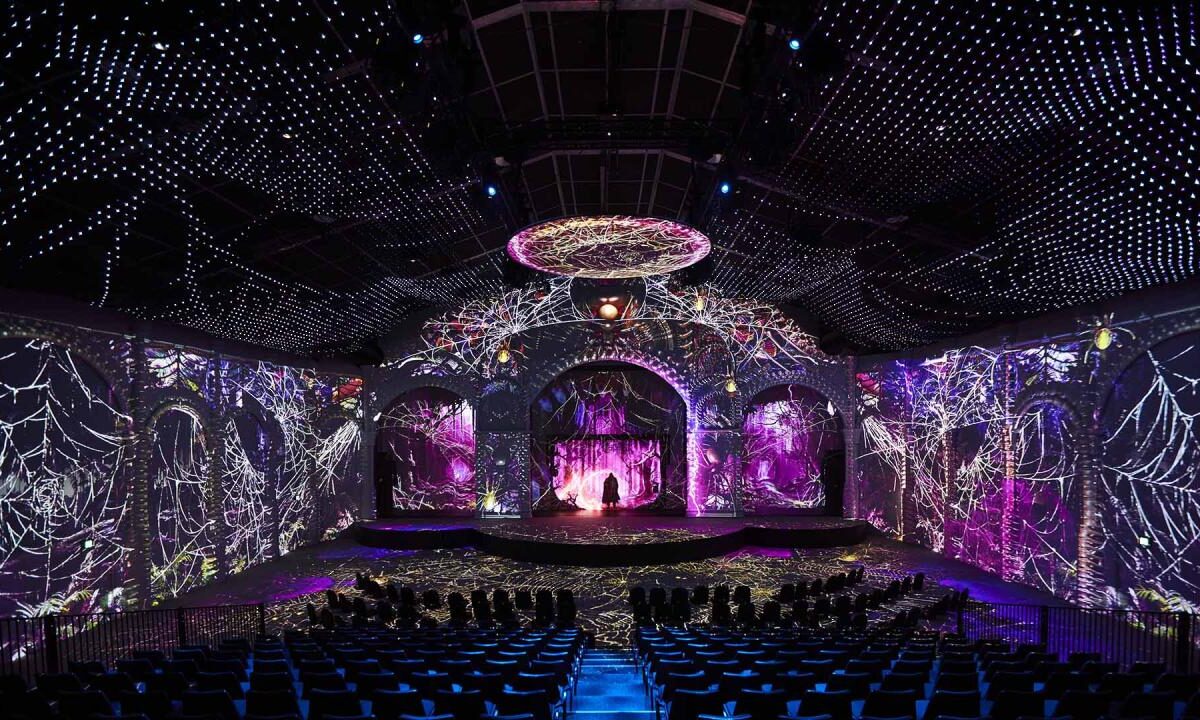
Dream Circus invites you into a world where reality blurs with imagination, creating a captivating spectacle that enchants audiences of all ages. This thrilling concept takes you on a journey through the historical and cultural evolution of circus entertainment, revealing how it has shaped our understanding and appreciation of the extraordinary. With elements that combine unique performances, stunning costumes, and an atmosphere charged with emotion, the Dream Circus is not just a show—it’s an unforgettable experience.
From the mesmerizing acts that define its essence to the thematic depths that resonate with our dreams, the Dream Circus has something for everyone. As we explore its historical origins, the role of music, and its impact on contemporary arts, this exploration promises to uncover the layers of meaning and artistry that make the Dream Circus a beloved phenomenon.
Explore the historical origins of the Dream Circus concept.
The Dream Circus concept is a captivating blend of imagination, performance, and cultural heritage that has evolved over centuries. Its origins can be traced back to ancient times when storytelling, acrobatics, and theatrical displays formed the foundation of entertainment. The Dream Circus encapsulates a unique ethos that transcends mere amusement, presenting a vivid tapestry of creativity, emotion, and cultural significance that draws from various historical influences.
The evolution of circus entertainment reflects a rich history shaped by societal changes, technological advancements, and artistic innovation. From its early beginnings in ancient Rome and Greece, where performances included jugglers and animal tamers, the circus has transformed into a multifaceted art form. The modern circus, which emerged in the late 18th century, incorporated elements like acrobatics, clowns, and elaborate stagecraft, setting the stage for the Dream Circus as we know it today.
Historical Development of Circus Entertainment
The journey of circus entertainment can be divided into several key phases, each contributing to the Dream Circus’s rich heritage:
1. Ancient Roots: Early forms of circus entertainment can be traced back to ancient civilizations where performances featured acrobatics, animal acts, and theatrical storytelling, providing a glimpse into the societal norms and entertainment styles of the time.
2. The Birth of Modern Circus: The late 1700s saw the advent of the modern circus, pioneered by Philip Astley, who established the first circus ring in London. His combination of equestrian acts and theatrical performances laid the groundwork for contemporary circus.
3. Cultural Influences: The 19th and 20th centuries experienced significant cultural exchanges, with influences from various art forms, including ballet, music hall, and vaudeville, shaping the Dream Circus’s aesthetic and performance styles.
4. Technological Advancements: The introduction of new technologies, such as electric lighting and sound systems, transformed circus performances, enhancing their appeal and enabling grander spectacles to captivate audiences.
5. Notable Figures: Influential performers like Barnum & Bailey and Cirque du Soleil have played crucial roles in redefining circus entertainment. They introduced innovative concepts and narratives, enriching the performance landscape and attracting diverse audiences worldwide.
The Dream Circus represents not just entertainment but a celebration of human creativity and cultural expression.
Illustrate the elements that define a Dream Circus experience.
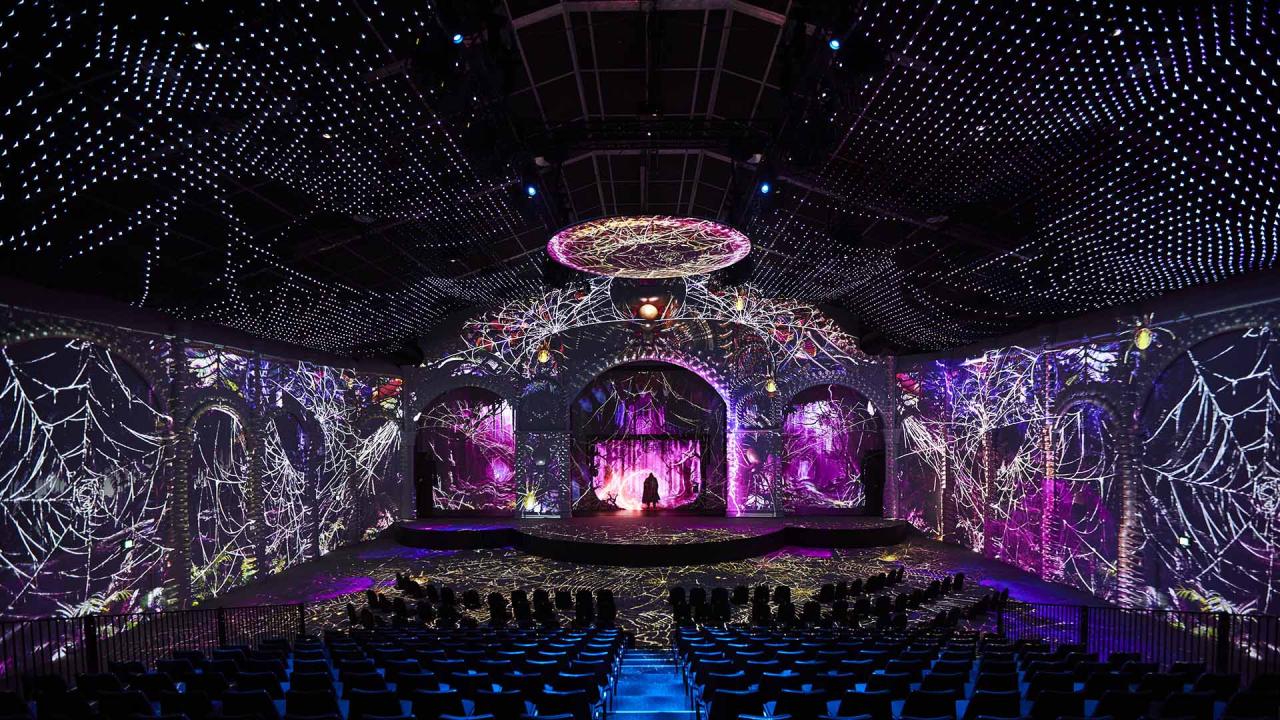
The Dream Circus experience is a captivating blend of artistry, performance, and immersive atmosphere that transports audiences into a whimsical world. Each element is meticulously designed to evoke wonder and excitement, creating a memorable outing for all ages. From breathtaking performances to enchanting costumes, every facet of the Dream Circus contributes to an unforgettable experience.
Unique Performances
The performances at a Dream Circus are a spectacular showcase of talent and creativity, featuring unique acts that leave audiences in awe. These acts may include:
- Aerial Artists: Performers gracefully soar through the air, executing stunning acrobatics and breathtaking stunts high above the audience, often suspended by silk or trapeze.
- Fire Breathers: Artists mesmerize viewers with their daring fire manipulation, creating dazzling displays of flames that illuminate the night sky.
- Clowns: The playful jesters of the circus bring laughter and joy, using physical comedy and slapstick humor to engage the audience and create a lighthearted atmosphere.
- Animal Acts: Though increasingly rare, some circuses include carefully trained animals, showcasing their intelligence and agility in choreographed routines.
- Contortionists: These flexibility experts perform incredible feats of bending and twisting, often accompanied by dramatic music that heightens the tension and excitement.
Distinctive Costumes and Props
Costumes and props play a crucial role in creating the visual spectacle that defines the Dream Circus. The design elements are often vibrant, eclectic, and tailored to each performance. Here are some notable characteristics:
- Colorful Attire: Performers don bright, eye-catching costumes that reflect their characters, often adorned with sequins, feathers, and intricate patterns that shimmer under the lights.
- Themed Costumes: Each act often has a specific theme that is portrayed through the performers’ attire, such as whimsical fairytale characters or mythical creatures.
- Props: Unique props enhance the storytelling aspect of the performances, from oversized balloons and colorful parasols to elaborate sets that create immersive environments.
Atmosphere and Audience Engagement Strategies
The atmosphere of the Dream Circus is carefully curated to engage and transport the audience into a fantastical realm. Strategies employed include:
- Interactive Performances: Many acts encourage audience participation, whether through call-and-response elements or by inviting audience members on stage to join in the fun.
- Immersive Set Design: The performance space is transformed into a dreamlike environment with elaborate decorations, enchanting lighting, and thematic music that envelops the audience.
- Pre-show Activities: Engaging the audience before the show begins with interactive booths, face painting, or meet-and-greet opportunities with performers builds excitement and anticipation.
- Storytelling: Each performance is often woven together with a narrative thread, allowing the audience to feel part of a larger story, enhancing emotional connections to the acts.
“The Dream Circus is not just a performance; it’s an escape into a world of imagination and wonder.”
Analyze the thematic significance behind the Dream Circus.

The Dream Circus serves as a rich tapestry woven from the threads of imagination, emotion, and symbolism. It encapsulates the essence of dreams and fantasies, using the circus as a backdrop to explore complex themes that resonate with individuals on multiple levels. This exploration delves into the nuanced meanings behind various circus elements, the integration of dream imagery, and the profound emotional responses elicited from audiences.
Symbolic meanings associated with circus elements
Circus elements are laden with symbolic meanings that often reflect human nature and societal themes. Each component of the circus—be it the performers, animals, or the very environment—carries significance that contributes to the overarching narrative.
- The Ringmaster: The ringmaster symbolizes authority and control, guiding the chaos of the circus. This figure represents the division between the performer and the audience, illustrating themes of leadership and spectacle.
- Acrobats: The acrobats embody the pursuit of ambition and the human endeavor to surpass limitations. Their breathtaking feats symbolize risk and the desire for freedom, evoking a sense of aspiration among spectators.
- Clowns: Clowns often represent the duality of joy and sorrow. They serve as a reminder of life’s absurdities and the thin line between happiness and despair, inviting introspection from the audience.
- Caged Animals: The presence of caged animals highlights themes of captivity and wildness. It reflects the tension between civilization and nature, provoking thoughts on freedom and the inherent instincts of living beings.
Intertwining of dream imagery with circus narratives
The Dream Circus intricately weaves dream imagery into its narratives, creating a surreal landscape that blurs the lines between reality and fantasy. Dreams often serve as a reflection of our innermost thoughts, fears, and desires, and the circus acts as a vivid manifestation of these subconscious elements.
- Fantastical Performances: Dream-like performances often include impossible feats, such as levitation or metamorphosis. These acts resonate with the dream state where the boundaries of the possible are dissolved, inviting audiences to envision their own dreams.
- Surreal Environments: The vibrant, whimsical settings of the Dream Circus evoke a sense of wonder. The exaggerated colors, oversized props, and imaginative structures create an otherworldly atmosphere that mirrors the unpredictability of dreams.
- Characters and Archetypes: The characters within the Dream Circus often embody archetypes found in dreams, such as the wise old man or the trickster. These personas serve to personify various aspects of the psyche, facilitating a deeper exploration of inner conflicts.
Emotional impact of the Dream Circus on audiences
The emotional resonance of the Dream Circus is profound, often leaving audiences in a state of reflection and introspection. The combination of visual spectacle, narrative depth, and relatable themes generates a powerful emotional experience.
- Joy and Nostalgia: The playful nature of circus performances often evokes feelings of joy and nostalgia, reminding audiences of childhood wonder and carefree moments. This sense of nostalgia encourages a reconnection with simpler times.
- Fear and Anxiety: Elements of the circus can also invoke fear and anxiety, particularly through the portrayal of clowns or precarious acts. This duality challenges audiences to confront their fears in a controlled environment.
- Empathy and Connection: The stories told through the performances often resonate with universal human experiences, fostering empathy and connection among audiences. The performers’ vulnerabilities and triumphs reflect the shared journey of life.
Examine the role of music and sound in creating the Dream Circus ambiance.
The Dream Circus relies heavily on music and sound to establish its enchanting atmosphere. This immersive environment not only captivates the audience but also serves to enhance each performance, reinforcing emotions and storytelling. Music and sound weave through the acts, creating a tapestry of auditory experiences that draw spectators into a dreamlike state.
One of the key components contributing to the Dream Circus ambiance is the selection of musical styles that complement various circus acts. Each act can be paired with music that enhances its unique characteristics and emotional tone.
Musical Styles Complementing Circus Acts
Different musical styles are strategically chosen to evoke the appropriate mood and energy for each performance. The following styles are commonly integrated into the Dream Circus:
- Classical: Strings and orchestral arrangements provide a timeless quality, ideal for elegant performances, such as aerial silk acts.
- Jazz: Upbeat rhythms and improvisational elements complement lively acts, such as acrobatics and juggling, giving them a playful energy.
- Electronic: Pulsating beats and synth sounds contribute to a modern, surreal atmosphere, perfect for acts featuring technology or fantasy themes.
- World Music: Diverse instruments and cultural motifs can transport the audience to different realms, enriching acts with a sense of global connection.
In addition to music, sound effects play a crucial role in enhancing the dreamlike quality of performances. These effects create a more immersive experience by adding layers of depth to visual spectacles.
Enhancement through Sound Effects
Sound effects are meticulously integrated into each act to elevate emotional intensity and engagement. The presence of well-timed sound effects can dramatically transform the perception of a performance. For instance:
- Whimsical Sounds: Delicate chimes or soft whispers can complement a magical or fantastical act, creating a sense of wonder.
- Bolts of Thunder: The use of thunderous sounds during high-energy stunts can heighten tension and excitement, enhancing the overall thrill.
- Animal Sounds: Incorporating sounds of nature, like birds or rustling leaves, can evoke an enchanting atmosphere during performances that aim to portray the wild or untamed aspects of the circus.
The collaboration between performers and musicians is essential in crafting an unforgettable experience at the Dream Circus. This partnership ensures that every movement is synchronized with the accompanying soundscape, further immersing the audience in the performance.
Collaboration Between Performers and Musicians
The synergy between performers and musicians is vital for creating a seamless experience. This relationship is characterized by:
- Rehearsals: Continuous practice sessions allow performers to align their routines with musical cues, ensuring synchronicity and enhancing dramatic moments.
- Improvisation: Musicians often adapt their performances in real-time based on the energy and reactions of the audience, allowing for a dynamic and interactive experience.
- Creative Input: Performers contribute to the musical direction, suggesting styles and rhythms that resonate with their acts, fostering a richer collaboration.
Through the effective use of music and sound, the Dream Circus creates a multilayered experience where each element heightens the emotional and visual impact of the performances, inviting audiences into a world where dreams come alive.
Investigate the influence of Dream Circus in contemporary arts and media.
The Dream Circus, a vibrant tapestry interwoven with fantasy, whimsy, and the surreal, has significantly impacted contemporary arts and media. Its unique blend of the mystical, the playful, and the thought-provoking has inspired a range of creative expressions, from film and literature to visual arts. These influences showcase how the Dream Circus continues to resonate in modern culture, inviting artists and audiences alike to explore its themes in diverse and innovative ways.
Modern interpretations of the Dream Circus differ significantly from traditional renditions. While classic representations tend to focus on straightforward illusions and lighthearted entertainment, contemporary adaptations often dive deeper into psychological themes, societal commentary, and personal narratives. This evolution reflects broader cultural shifts, where the whimsical motifs of the Dream Circus are used as a lens to view complex realities, thereby enriching the narrative and emotional depth of various art forms.
Examples of contemporary works inspired by Dream Circus
The influence of the Dream Circus can be observed in a variety of contemporary works across different media. These examples highlight the continued relevance of Dream Circus themes in today’s artistic landscape:
- Films: Movies like “Big Fish” directed by Tim Burton and “The Greatest Showman” have drawn inspiration from the fantastical elements of the Dream Circus. “Big Fish” uses storytelling and surreal visuals to explore the blurred lines between reality and imagination, while “The Greatest Showman” celebrates the spirit of wonder and acceptance, reminiscent of traditional circus themes.
- Books: “The Night Circus” by Erin Morgenstern is a prime example, weaving a narrative that encapsulates the enchanting and otherworldly aspects of a circus while exploring deeper themes of love and rivalry. The imagery and magical realism in the book owe much to the Dream Circus tradition.
- Visual Arts: Artists like Marc Chagall and contemporary surrealists have been influenced by the Dream Circus aesthetic. Chagall’s use of dreamlike imagery and vibrant colors evokes a sense of wonder that parallels the fantastical elements of the circus. Modern installations, such as those by Yayoi Kusama, also reflect the immersive and whimsical experiences associated with the Dream Circus, often incorporating interactive and sensory elements.
Comparison of cultural reception of Dream Circus themes
The reception of Dream Circus themes varies greatly across different cultures, reflecting unique societal values and artistic traditions. In Western cultures, the Dream Circus tends to be associated with nostalgia and the celebration of imagination, often serving as a metaphor for escaping the mundane. Conversely, in Eastern cultures, interpretations may focus more on the philosophical aspects, such as the transient nature of life and the interplay between illusion and reality.
In examining this cultural variance, one can observe the following dynamics:
- Western Reception: The Dream Circus is frequently viewed as a source of entertainment and nostalgia, appealing to the desire for escapism. Themes of individuality and self-expression are celebrated, as seen in popular films and literature.
- Eastern Reception: In contrast, Eastern interpretations often highlight deeper existential themes, exploring the duality of life and the balance between chaos and order. This philosophical approach reflects traditional values, where the circus serves as a metaphor for life’s complexities.
Create a profile of notable Dream Circus performers and their contributions.
The Dream Circus is a vibrant tapestry of talent, showcasing a plethora of performers who have each contributed uniquely to the enchanting world of circus arts. Each artist brings their background, skills, and creativity, creating a show that captivates audiences of all ages. The performers not only entertain but also represent the dedication, training, and artistry that define this dynamic genre.
Key Artists and Their Signature Acts
In the Dream Circus, several performers have gained notoriety for their breathtaking acts, which combine artistry with athleticism. Notable artists include:
- Maxine the Aerialist – Known for her gravity-defying aerial silks routine, Maxine combines dance with acrobatics, creating a visually stunning spectacle that leaves audiences in awe.
- Jasper the Juggler – A master of juggling and manipulation, Jasper’s act often features a mix of traditional props and contemporary elements, incorporating technology for a modern twist.
- Elena the Contortionist – Elena showcases her incredible flexibility and strength through her contortionist act, captivating audiences with her ability to bend and twist her body in unimaginable ways.
Training and Skills Required
Becoming a performer in the Dream Circus demands a rigorous training regimen that encompasses various skills. Prospective artists typically undergo extensive physical conditioning, artistry training, and skill development. Key areas of focus include:
- Acrobatics and Gymnastics: Many performers begin with foundational skills in gymnastics, which builds strength, flexibility, and body awareness.
- Dance: Dance training enhances a performer’s ability to express themselves artistically, and it often integrates with other acts.
- Specialized Skills: Each performer often specializes in a unique skill set, whether it be juggling, aerial arts, or clowning, requiring focused training and practice.
“The body is the instrument, and it must be honed to perfection.”
Challenges and Rewards of Being a Dream Circus Performer
The life of a Dream Circus performer is filled with both challenges and rewards. The competitive nature of the circus arts requires performers to continually refine their skills while facing physical and mental demands. Challenges include:
- Physical Strain: Performers often endure rigorous training, leading to physical wear and tear on their bodies.
- Travel and Lifestyle: The touring lifestyle can be demanding, with frequent travel and time away from family and friends.
- Consistency: Maintaining peak performance levels requires immense dedication, as each show must meet high standards of excellence.
Despite these challenges, the rewards of being a Dream Circus performer are significant. Performers experience:
- Creative Expression: The opportunity to showcase unique talents and connect with audiences on an emotional level.
- Community: Building lifelong friendships with fellow artists and becoming part of a creative family.
- Impact: The joy of bringing smiles and amazement to audiences, creating memorable experiences that resonate long after the show ends.
“The stage is where we transform, and the audience is our muse.”
Discuss the community and social aspects of the Dream Circus.
The Dream Circus serves as a vibrant hub for creativity and connection, bringing together individuals from various backgrounds, cultures, and walks of life. This unique environment not only entertains but also fosters a sense of belonging among its diverse audience. The inclusive nature of the circus creates a space where people can unite over shared experiences, passions, and dreams.
The Dream Circus actively encourages collaboration and friendship among its participants, creating a tight-knit community. This sense of camaraderie is often highlighted during performances and workshops where artists learn from one another, allowing for the exchange of ideas and skills. The welcoming atmosphere helps break down barriers, allowing for genuine connections to flourish.
Stories of Collaborations and Friendships
Many inspiring stories emerge from the Dream Circus community, showcasing the power of collaboration and friendship. For instance, a juggler from Spain and a contortionist from Kenya met during a workshop and decided to combine their talents to create a breathtaking act that showcased their unique skills. Their friendship blossomed as they rehearsed together, sharing cultural stories and life experiences, and they now perform regularly as a duo, captivating audiences worldwide.
Additionally, friendships often develop backstage, where performers share not just their craft but their life journeys. These bonds extend beyond the circus, with many artists supporting each other during personal challenges, celebrating milestones like birthdays, and even collaborating on projects outside the circus. Such connections enrich the overall experience for both performers and audiences alike.
Promotion of Social Causes
The Dream Circus takes pride in using its platform to promote social causes and messages that resonate with its audience. This commitment is reflected in various performances and outreach initiatives aimed at raising awareness about important issues. For example, a recent show highlighted environmental sustainability, where performers incorporated themes of nature conservation into their acts, encouraging viewers to reflect on their own impact on the planet.
In addition, the Dream Circus often partners with local charities and organizations to support social justice initiatives. A notable campaign involved organizing performances in underserved communities, providing free entertainment while also educating audiences about local resources and support networks. This outreach not only engages diverse audiences but also exemplifies the circus’s dedication to making a positive impact on society.
The Dream Circus exemplifies how art can be a powerful catalyst for change, connecting individuals and promoting meaningful conversations.
Design a conceptual Dream Circus event and its features.
The Dream Circus event is envisioned as a vibrant and immersive experience that merges the whimsical elements of a traditional circus with modern artistry and innovative performances. This unique gathering aims to create an enchanting atmosphere where attendees can explore their imagination and revel in the magic of live entertainment. The overall vision is to foster a sense of community, creativity, and wonder, making it a memorable occasion for all ages.
Theme, Acts, and Overall Vision
The theme for the Dream Circus revolves around “A Journey Through Imagination,” showcasing acts that capture the various facets of dreams and fantasy. Performers could include aerialists who soar through the air like fantastical creatures, jugglers who manipulate glowing objects, and clowns who use humor to tell stories. Each act would aim to evoke emotional responses, transporting the audience to otherworldly realms.
Key features of the event would include:
- Aerial Performances: Artists performing acrobatics high above the audience, adorned in costumes that shimmer like stars, creating a celestial ambiance.
- Interactive Art Installations: Spaces where attendees can contribute to collective art pieces, reflecting personal dreams and aspirations.
- Live Music: A diverse lineup of local musicians providing a soundtrack that complements the acts, enhancing the overall atmosphere.
- Workshops and Activities: Sessions for attendees to create their own dream-inspired crafts, offering a hands-on connection to the experience.
Logistical Considerations for Staging
Staging the Dream Circus requires careful planning to ensure a seamless experience for both performers and attendees. Logistics encompass venue selection, equipment needs, and safety measures to guarantee a successful event. An ideal venue would be an open-air space, allowing for large installations and significant audience capacity.
Essential logistical considerations include:
- Permits and Insurance: Securing all necessary permits for public gatherings and ensuring comprehensive insurance coverage for performers and equipment.
- Sound and Lighting: Investing in high-quality sound systems and lighting to elevate performances and create an enchanting atmosphere.
- Seating Arrangements: Designing flexible seating options to accommodate various audience sizes and ensure unobstructed views of the performances.
- Vendor Coordination: Collaborating with food and merchandise vendors to provide diverse offerings that align with the festival theme.
Partnerships with Local Artists and Organizations
Forging partnerships with local artists and organizations can significantly enhance the Dream Circus experience. Collaborating with community members not only enriches the event but also fosters a sense of local pride and involvement. These partnerships can take various forms, including:
- Performance Collaborations: Inviting local performers to showcase their talents, adding unique flavors to the entertainment lineup.
- Artistic Sponsorships: Partnering with local art galleries or schools to display artwork inspired by dreams, providing a platform for emerging artists.
- Community Outreach Programs: Engaging local non-profits to run workshops or activities during the event, promoting inclusivity and community spirit.
- Marketing and Promotion: Collaborating with local businesses to cross-promote the event, expanding outreach and enhancing community engagement.
Last Word
In summary, the Dream Circus stands as a testament to the power of creativity and community, weaving together the threads of history, art, and emotion into a vibrant tapestry. It not only entertains but also connects people, fostering friendships and collaborations that transcend barriers. As we reflect on the diverse performances, cultural influences, and the enchanting ambiance of the Dream Circus, we are reminded of its enduring impact on audiences and artists alike, making it a cherished part of our cultural landscape.
FAQ Section
What is the Dream Circus?
The Dream Circus is an imaginative concept that blends traditional circus elements with dreamlike performances, creating a unique and enchanting experience for audiences.
How did the Dream Circus evolve over time?
The Dream Circus evolved from historical circus traditions, incorporating cultural influences and innovative performance styles that reflect changing societal interests.
What types of performances are featured in the Dream Circus?
The Dream Circus typically showcases a variety of acts, including acrobatics, clowns, aerial performances, and theatrical storytelling, all tied together by a whimsical theme.
How does music contribute to the Dream Circus?
Music enhances the Dream Circus ambiance by creating emotional depth, with various styles complementing performances and sound effects adding to the dreamlike quality.
Who are some notable performers in the Dream Circus?
Notable performers in the Dream Circus include skilled acrobats, clowns, and musicians known for their unique acts and contributions to the overall experience.
What is the significance of the community aspect in the Dream Circus?
The Dream Circus fosters a sense of community by connecting diverse audiences and encouraging collaboration among artists, often supporting social causes through its performances.
How can one create a Dream Circus event?
To create a Dream Circus event, one should design a cohesive theme, select engaging acts, and consider partnerships with local artists to enhance the experience.