
 Eric
Eric1920s Great Gatsby invites readers into a vibrant era where wealth, aspiration, and disillusionment collide in an unforgettable narrative. Set against the backdrop of the Jazz Age, F. Scott Fitzgerald’s novel captivates with its exploration of the American Dream, intricate character dynamics, and the societal shifts that defined a generation. Through the eyes of Jay Gatsby, we delve into the complexities of love and ambition during a time when the pursuit of happiness often masked deeper societal challenges.
As we journey through this iconic story, we uncover how the cultural landscape of the 1920s influenced not only the characters’ lives but also the broader societal values, shaping a narrative that remains relevant even today. With themes of wealth disparity, the impact of Prohibition, and the symbolism ingrained in Gatsby’s world, this exploration offers a multifaceted view of an era that forever changed America.
The Cultural Landscape of the 1920s in America
The 1920s, often referred to as the “Roaring Twenties,” marked a transformative period in American culture characterized by rapid social change, economic prosperity, and a vibrant artistic movement. Following the devastation of World War I, the nation experienced a wave of optimism that permeated every aspect of life, from fashion to literature, and ultimately reshaped societal norms and values.
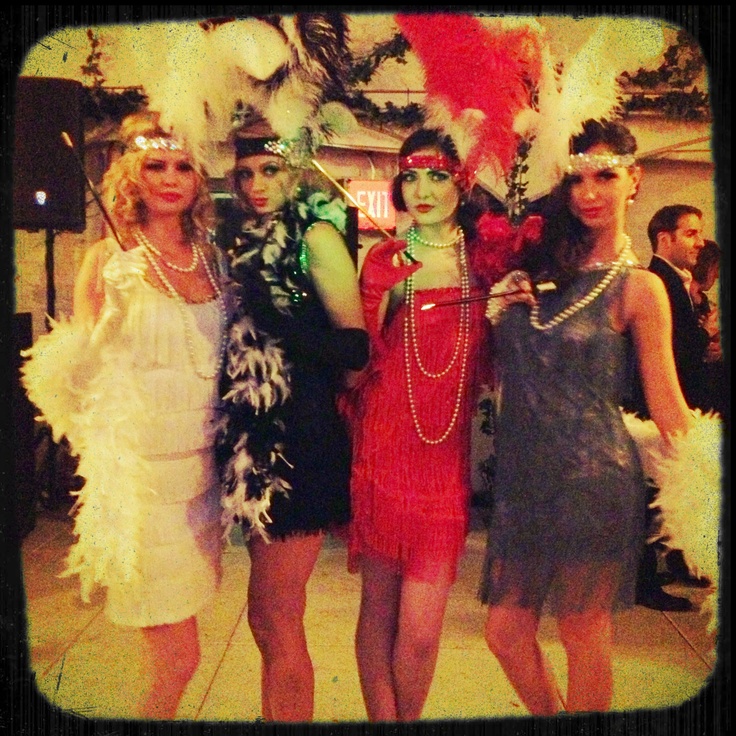
The societal changes of this era were profound. Urbanization accelerated, with more people moving to cities in search of jobs and a modern lifestyle. This shift brought diverse populations together, leading to a cultural melting pot that enriched American society. The rise of consumerism, fueled by technological advancements and mass production, allowed for the proliferation of goods that were once considered luxuries. Jazz music emerged as a defining cultural force, influencing lifestyle choices and social attitudes, while women gained new freedoms, exemplified by the flapper movement that challenged traditional gender roles.
Art and Literature of the 1920s
The 1920s served as a fertile ground for artistic and literary expression, reflecting both the exuberance and the underlying tensions of the time. Writers and artists sought to capture the spirit of an age filled with both hope and disillusionment, often addressing themes of modernity, identity, and the American Dream.
The Harlem Renaissance was a pivotal cultural movement, showcasing the works of African American artists, writers, and musicians. Figures like Langston Hughes and Zora Neale Hurston celebrated Black culture and challenged racial stereotypes through their art. In literature, F. Scott Fitzgerald’s “The Great Gatsby” encapsulated the excesses and moral ambiguities of the decade, exploring themes of wealth, class, and the elusive nature of the American Dream.
Visual art also flourished during this period, with movements such as Art Deco and Surrealism emerging. Artists like Georgia O’Keeffe and Edward Hopper captured the essence of modern life, using bold colors and innovative techniques to convey the dynamic spirit of the era.
The Influence of the Jazz Age
The Jazz Age not only transformed music but also significantly influenced the broader cultural landscape, impacting social norms and personal freedom. The emergence of jazz as a popular music genre served as a soundtrack to the decade, reflecting the cultural upheaval and the desire for liberation.
Dance halls and clubs became hubs of social activity, where a new generation of young people embraced the rhythms of jazz, leading to the popularity of new dance styles such as the Charleston and the Lindy Hop. This shift was emblematic of a broader cultural change, as people sought to break free from the constraints of the past, embracing a more liberated lifestyle.
The influence of jazz also extended beyond music, permeating fashion, art, and literature. The energy and improvisation inherent in jazz reflected the spirit of the times, leading to a celebration of individuality and self-expression. As a result, traditional societal expectations were challenged, and personal identities flourished in unprecedented ways.
“The Jazz Age was a time of boldness, a time when art and life collided spectacularly.”
Ultimately, the cultural landscape of the 1920s in America was shaped by a complex interplay of societal changes, artistic expression, and the transformative power of jazz, leaving a lasting legacy that continues to influence modern culture.
The Role of Wealth and Class in The Great Gatsby

In “The Great Gatsby,” F. Scott Fitzgerald intricately weaves the themes of wealth and class into the fabric of the narrative, showcasing how these elements shape relationships and aspirations. The story unfolds in a society where the distinction between old money and new money plays a crucial role, influencing not only personal connections but also the pursuit of the American Dream. The characters’ interactions are often dictated by financial status, underlining the novel’s critique of the American social hierarchy during the Jazz Age.
Wealth serves as a significant force driving character relationships throughout the story. It establishes social boundaries and impacts the dynamics between characters, often dictating their motivations and desires. For instance, the lavish parties hosted by Jay Gatsby symbolize the excesses of new money, attracting individuals seeking status and connections. Conversely, characters like Daisy Buchanan, who hail from old money, exhibit a sense of entitlement and disconnection from the struggles of others, revealing the moral decay hidden beneath their glamorous lifestyles.
Contrast Between Old Money and New Money Representations
The juxtaposition between old money and new money is fundamental in understanding the societal norms depicted in the novel. Old money, represented by characters such as Tom and Daisy Buchanan, embodies a sense of tradition, privilege, and a certain aloofness. New money, exemplified by Gatsby himself, signifies ambition and the relentless pursuit of wealth, often lacking the refinement and social grace characteristic of the established elite. This division highlights the tensions and challenges faced by individuals trying to break into the upper echelons of society.
The differences can be summarized as follows:
- Old Money: Characterized by inherited wealth, old-money individuals often display an air of superiority and social elitism. They usually occupy positions of influence and are well-acquainted with the codes of high society.
- New Money: Typically self-made, new-money characters like Gatsby possess wealth but often lack the social etiquette that comes with longstanding family affluence. Their rise to wealth can evoke disdain from the old-money class, showcasing the barriers to acceptance.
“The Buchanans are in a world of their own, while Gatsby, despite his wealth, remains an outsider.”
This disparity directly influences the social interactions and personal aspirations of the characters, illustrating the limitations imposed by class status. Gatsby’s relentless pursuit of Daisy serves as a poignant example; despite his wealth, he remains on the periphery of the elite society he longs to join.
Class Status and the American Dream
Class status critically affects the realization of the American Dream in “The Great Gatsby.” The novel portrays the American Dream as a double-edged sword, where the promise of success is often elusive and distorted by societal barriers. Characters from lower socioeconomic backgrounds, like Gatsby, attempt to ascend the social ladder through wealth accumulation, only to discover that material success does not guarantee acceptance or fulfillment.
The challenges faced by Gatsby can be illustrated through several aspects:
- Illusion of the American Dream: Gatsby’s belief that wealth can win Daisy’s love epitomizes the flawed nature of the American Dream, suggesting that success does not equate to happiness or social integration.
- Social Barriers: The entrenched class distinctions that define old money’s privileges act as formidable barriers for new-money individuals, reinforcing the notion that true acceptance into the elite circles remains out of reach.
- Disillusionment: The tragic end of Gatsby underscores the disillusionment with the American Dream, revealing the emptiness behind the glittering facade of wealth and the harsh realities faced by those striving for more.
“The American Dream is not simply a reflection of wealth but also a commentary on the barriers that wealth cannot overcome.”
In essence, Fitzgerald presents a critical examination of wealth and class, revealing how they shape identities and aspirations within a rapidly changing society. The characters’ experiences serve as a reflection of the broader themes of ambition, social stratification, and the ultimate quest for belonging in a world defined by economic disparity.
The Characterization of Jay Gatsby and His Pursuit of Love
Jay Gatsby, the enigmatic protagonist of F. Scott Fitzgerald’s “The Great Gatsby,” is a character filled with contradictions and complexities. His journey encapsulates the American Dream’s promise and its ultimate disillusionment. Gatsby’s relentless pursuit of love, particularly for Daisy Buchanan, reveals both his idealism and the harsh realities of the era. Set against the backdrop of the Roaring Twenties, Gatsby’s character serves as a vehicle to explore the themes of aspiration, love, and the superficiality of wealth.
Gatsby is depicted as a self-made millionaire who throws extravagant parties in the hopes of rekindling his romance with Daisy, the love of his life who represents an unattainable ideal. His motivations are deeply rooted in his past and a desire for acceptance and love. Gatsby’s infatuation with Daisy is not merely about the woman herself but also what she represents: wealth, status, and the elite social circles that he yearns to penetrate. His fixation on her reflects the larger societal ideals of the 1920s—where materialism often overshadowed genuine human connection.
Symbolism of the Green Light
The green light at the end of Daisy’s dock serves as a powerful symbol in Gatsby’s story, embodying his dreams and aspirations. For Gatsby, it represents the hope of a future with Daisy and the pursuit of the American Dream itself. The light is always just out of reach, mirroring Gatsby’s relentless chase for something that remains elusive. This symbol reflects the central theme of unattainable dreams and the disillusionment that accompanies them.
To elaborate on the significance of the green light, consider the following aspects:
- Hope and Aspiration: The light signifies Gatsby’s unwavering hope. It represents his dreams and the belief that he can reclaim a past filled with love and happiness.
- Illusion vs. Reality: While the green light offers a sense of direction, it also highlights the gap between Gatsby’s dreams and the harsh reality of his situation. The closer he gets to his goal, the more he realizes that it is ultimately unattainable.
- Class Divides: The green light symbolizes the social barriers that exist between Gatsby and Daisy. No matter how wealthy Gatsby becomes, he cannot fully penetrate the world of old money that Daisy represents.
- The American Dream: The light serves as a metaphor for the American Dream itself—a dream that is promised but often remains out of reach for many. It illustrates the disillusionment that comes with the relentless pursuit of success and love.
As Fitzgerald crafts Gatsby’s character, he emphasizes the tragic nature of his aspirations. The green light is not just a beacon of hope; it is a reminder of the unattainable desires that define Gatsby’s life and ultimately lead to his demise. The complexities of Gatsby’s character and his pursuit of love shed light on the broader themes of the 1920s, painting a poignant picture of ambition, longing, and the heart-wrenching realities of life.
The Impact of Prohibition on Society and The Great Gatsby
The Prohibition era in the 1920s, marked by the 18th Amendment, had a profound influence on American society, reshaping social norms and behaviors. It aimed to eliminate alcohol consumption, yet it resulted in a paradox where the very restrictions intended to improve society led to increased crime and a culture of illicit activities. This transformation is vividly illustrated in F. Scott Fitzgerald’s “The Great Gatsby,” where the characters navigate a world heavily influenced by the undercurrents of Prohibition.
The effects of Prohibition were far-reaching, altering social behavior and giving rise to organized crime. As the government enforced restrictions on alcohol, speakeasies and underground bars emerged, serving those eager to indulge in forbidden pleasures. The desire for alcohol became a symbol of rebellion against authority, and the social landscape of the 1920s became defined by secret gatherings and the thrill of lawlessness. Cities like Chicago and New York became hotbeds for gangsters and bootleggers, further complicating the relationship between legality and morality.
Prohibition as Depicted in The Great Gatsby
In “The Great Gatsby,” Prohibition serves as a backdrop that shapes the lives and aspirations of the characters. The opulence of Gatsby’s parties stands in stark contrast to the illegality surrounding their source of alcohol. The novel’s setting in East and West Egg reflects a society caught between the allure of wealth and the moral decay resulting from the pursuit of pleasure, often obtained through illicit means.
Key aspects of how Prohibition is portrayed through characters and settings include:
- Jay Gatsby: Gatsby’s wealth is largely derived from bootlegging, highlighting the depths to which individuals would go to achieve the American Dream. His extravagant parties, fuelled by illegal alcohol, represent both the highs and lows of this era.
- Tom Buchanan: Tom’s character embodies the entitlement and moral ambiguity of the wealthy elite. His disdain for Gatsby’s origins and his hypocritical behavior regarding infidelity and drinking illustrate the disconnect between social status and ethical behavior during Prohibition.
- The Valley of Ashes: This desolate area symbolizes the consequences of unchecked ambition and the moral decay that accompanied wealth accumulation through illegal activities. It serves as a stark reminder of the human cost of the American Dream, affected by Prohibition.
The illegal activities sparked by Prohibition not only shaped the characters’ lives but also their aspirations. For instance, Gatsby’s relentless pursuit of wealth and status is fueled by his longing to win back Daisy, who represents the ultimate prize in his quest for acceptance within the elite circles. The novel illustrates how the characters navigate a landscape riddled with crime, which ultimately defines their destinies and underscores the inherent contradictions of the American Dream.
The Use of Symbolism in The Great Gatsby
F. Scott Fitzgerald’s “The Great Gatsby” is rich with symbolism that deepens the reader’s understanding of its themes and characters. Through various symbols, Fitzgerald addresses issues such as the American Dream, societal class, and the pursuit of happiness. These symbols provide insight into the complex nature of the characters and their desires, ultimately enhancing the narrative’s emotional depth and richness.
One of the most prominent symbols in the novel is the green light at the end of Daisy’s dock. This light represents Gatsby’s unreachable dreams and the idealized vision of love he holds for Daisy. It signifies hope, but also the ultimate futility of his aspirations. As Gatsby reaches out for the light, it becomes clear that his dreams are perpetually out of reach, highlighting the elusive nature of the American Dream itself.
Key Symbols and Their Meanings
Several objects and colors within the novel serve as powerful symbols that contribute to its larger themes. The following symbols are key to understanding the underlying messages in “The Great Gatsby”:
- The Green Light: This light represents Gatsby’s dreams and aspirations, particularly his desire for Daisy. It symbolizes hope and the idealism of the American Dream, but also the inevitable disappointment that comes with it.
- The Valley of Ashes: This desolate area between West Egg and New York City symbolizes the moral and social decay resulting from the uninhibited pursuit of wealth. It represents the consequences of excess and the loss of the American Dream’s original ideals.
- The Eyes of Dr. T.J. Eckleburg: The advertisement featuring these eyes symbolizes the eyes of God, watching over the decay of society and the moral ambiguity of its characters. They serve as a reminder of the emptiness of the pursuit of wealth and the absence of true moral guidance.
- Colors: Colors play a significant role in the novel, with white representing purity and innocence (often associated with Daisy), while the color yellow signifies wealth and corruption (such as Gatsby’s car). The juxtaposition of these colors enhances the characters’ complexities and the moral undertones of the story.
The use of these symbols creates a layered narrative that invites readers to reflect on the broader implications of the characters’ actions and the societal values of the time. Fitzgerald’s skillful incorporation of symbolism not only adds depth to the story but also critiques the very ideals that drive the characters, revealing the dark side of the American Dream.
The Theme of the American Dream in The Great Gatsby
The Great Gatsby, written by F. Scott Fitzgerald, encapsulates the essence of the American Dream, illuminating its allure and inherent pitfalls. Set against the backdrop of the Roaring Twenties, the novel explores the lives of characters striving for success, wealth, and social status. However, Fitzgerald presents a nuanced perspective, revealing how the pursuit of this dream often leads to disillusionment and moral decay.
Fitzgerald portrays the American Dream as an ideal that promises prosperity and happiness through hard work and determination. The characters in the novel embody varying degrees of success and failure in achieving this dream. Jay Gatsby, the enigmatic protagonist, epitomizes the dream’s complexities. Coming from humble beginnings, he amasses great wealth in hopes of winning back his lost love, Daisy Buchanan. His extravagant parties and luxurious mansion symbolize the heights of success, yet they mask his profound loneliness and unfulfilled yearning. Gatsby’s tragic end highlights the futility of his pursuit, suggesting that the American Dream is ultimately unattainable.
Character Journeys in Pursuit of the American Dream
The characters in The Great Gatsby reveal diverse paths in their quest for the American Dream, showcasing their struggles and failures. Each character’s journey serves as a reflection of the era’s social dynamics and moral fabric. Key characters include:
- Jay Gatsby: Gatsby’s transformation from James Gatz, a poor farmer’s son, to a wealthy socialite illustrates the classic rags-to-riches narrative. His dedication to self-improvement and wealth accumulation is tainted by his illegal activities and obsession with the past, leading to his tragic demise.
- Daisy Buchanan: Daisy represents the shallow aspect of the American Dream. Born into wealth, she embodies the privilege and carelessness of the elite. Her choices are dictated by materialism and societal expectations, ultimately resulting in her emotional emptiness.
- Tom Buchanan: Tom’s character epitomizes the corruption that often accompanies wealth. He is a symbol of entitlement and privilege, using his power to manipulate others. His infidelity and racism highlight the moral decline present in the pursuit of the American Dream.
- Jordan Baker: As a professional golfer, Jordan embodies the modern woman of the 1920s, challenging traditional gender roles. However, her success is superficial, illustrating how the pursuit of the Dream can lead to a lack of authenticity in personal connections.
The novel critiques the American Dream ideology by exposing its dark underbelly. Fitzgerald highlights the illusion of success and the moral decay that often accompanies the pursuit of wealth. The characters’ lives demonstrate that the Dream is not merely about hard work but is also influenced by social class, privilege, and corruption. The disparity between the wealthy elite and the struggling poor is evident, revealing the systemic inequalities that undermine the ideal of equal opportunity.
“In his blue gardens men and girls came and went like moths among the whisperings and the champagne and the stars.” This phrase captures the fleeting nature of the happiness that wealth brings, emphasizing the emptiness that often lies beneath the surface.
In conclusion, The Great Gatsby serves as both a celebration and a critique of the American Dream. Through the journeys of its characters, Fitzgerald illustrates the complexities of ambition, the perils of materialism, and the stark realities that often accompany the pursuit of an idealized life.
The Influence of Historical Events on The Great Gatsby
The Great Gatsby, written by F. Scott Fitzgerald, is deeply influenced by the historical context of the 1920s, particularly the effects of World War I and the economic landscape of the time. The novel captures the spirit and the disillusionment of an era marked by significant changes, reflecting how the past shaped the characters’ lives and societal norms.
World War I fundamentally altered American society, leading to a sense of disillusionment among the populace. Many characters in The Great Gatsby, such as Jay Gatsby himself, are products of a lost generation that sought meaning and fulfillment in the post-war chaos. The war’s aftermath is evident in Gatsby’s relentless pursuit of wealth and status as he attempts to recreate an idealized version of his past, particularly his relationship with Daisy Buchanan. The trauma of the Great War fostered a culture of excess, prompting individuals to escape their realities through lavish parties and indulgent lifestyles, which are vividly depicted throughout the novel.
Economic Prosperity of the 1920s
The economic boom of the 1920s, often referred to as the “Roaring Twenties,” is central to understanding the lifestyle and motivations of the characters in The Great Gatsby. This era was characterized by unprecedented economic growth, cultural dynamism, and a sense of optimism that permeated society. The novel illustrates this prosperity through the extravagant lifestyles of characters like Tom and Daisy Buchanan, who live in the affluent community of East Egg.
The following points highlight how economic prosperity influenced characters and societal norms:
- Lavish Parties: Gatsby’s grand parties symbolize the hedonistic pursuit of pleasure and the desire to flaunt wealth. They serve as a backdrop for the social interactions and the moral decay of the elite.
- Materialism: The characters are driven by material pursuits, showcasing how wealth is equated with success. Gatsby’s opulent mansion and extravagant possessions reflect his belief that wealth can win love and acceptance.
- Social Stratification: The divide between East Egg and West Egg illustrates the class distinctions of the time. East Egg represents old money, stability, and social superiority, while West Egg signifies new money and the moral ambiguity associated with it.
The historical context of the 1920s significantly informs the characters’ decisions and the societal norms presented in the novel. For instance, Gatsby’s relentless ambition can be traced back to the American Dream ethos, where anyone, regardless of their background, could achieve success through hard work. However, this ideal is juxtaposed with the reality of corruption and moral decline, reflecting the complexities of a society undergoing rapid change.
“In my younger and more vulnerable years, my father gave me some advice that I’ve been turning over in my mind ever since.”
This quote from the novel encapsulates the mix of nostalgia and regret that permeates the characters’ lives, serving as a reminder of the past’s influence on their present realities. The Great Gatsby stands as a testament to how historical events shaped attitudes and behaviors, weaving a narrative that resonates with the themes of aspiration, disillusionment, and the pursuit of identity.
The Relationship Dynamics in The Great Gatsby
F. Scott Fitzgerald’s “The Great Gatsby” intricately weaves the relationships among its characters, showcasing how personal connections reflect the larger societal issues of the 1920s. The complexities of love, loyalty, and betrayal manifest vividly, illustrating a world where the quest for wealth and status often undermines genuine human connection. Through the interactions between key characters, Fitzgerald highlights the era’s moral decay and the disillusionment that accompanies the American Dream.
The relationships in “The Great Gatsby” primarily revolve around Jay Gatsby, Daisy Buchanan, Tom Buchanan, and Nick Carraway. Each connection reveals significant insights into the characters’ motivations and the societal climate of the time. For instance, Gatsby’s obsessive love for Daisy represents the unattainable nature of the American Dream, while Tom’s dismissive attitude towards loyalty underscores the era’s moral ambiguity.
Comparison of Key Relationships
The contrast between the relationships of Gatsby and Tom with Daisy illuminates the varying motives behind love and loyalty. Gatsby, who idealizes Daisy, represents the romanticized pursuit of dreams. In stark contrast, Tom’s relationship with Daisy is steeped in dominance and control, reflecting the patriarchal values of the 1920s. The dynamics of their relationships serve as a critique of societal norms, wherein wealth is often prioritized over emotional connection.
- Gatsby and Daisy: Gatsby’s intense devotion to Daisy is portrayed as a pursuit of an illusion, ultimately leading to his downfall. His love is not entirely grounded in reality, showcasing how personal dreams can become toxic when they overshadow genuine human relationships.
- Tom and Daisy: Tom’s relationship with Daisy is marked by infidelity and power. His wealth affords him a sense of entitlement, revealing how social status can corrupt intimacy and loyalty.
- Nick and Gatsby: Nick Carraway, as the narrator and Gatsby’s neighbor, represents the voice of reason amidst the chaos. His loyalty to Gatsby, despite recognizing the futility of his dreams, highlights the theme of friendship in a morally ambiguous world.
The theme of loyalty is particularly complex in these relationships. While Nick remains loyal to Gatsby, his awareness of Gatsby’s flaws adds a layer of tragedy to their bond. In contrast, Daisy’s wavering loyalty to Gatsby in favor of her marriage to Tom reflects the societal pressures of the time, where financial security often superseded emotional fulfillment.
Betrayal and Its Consequences
Betrayal is a recurring theme that shapes the relationships in “The Great Gatsby.” The characters’ interactions reveal how personal betrayals are often symptomatic of broader societal betrayals, such as the failure of the American Dream.
“Betrayal, like a silent thief, steals not just trust but the very essence of relationships.”
The following key instances of betrayal illustrate this theme:
- Tom’s Infidelity: Tom’s affair with Myrtle Wilson demonstrates his disregard for loyalty and commitment. This betrayal not only harms Daisy but also highlights the moral decay prevalent in the upper class.
- Daisy’s Rejection: When Daisy ultimately chooses Tom over Gatsby, it becomes clear that her loyalty is contingent on her social standing, underscoring the societal expectations placed upon women in the 1920s.
- Gatsby’s Sacrifice: Gatsby’s willingness to take the blame for the car accident that kills Myrtle symbolizes his ultimate betrayal to himself and his dreams, revealing the tragic consequences of misplaced loyalty.
Through these relationships, Fitzgerald navigates themes of love intertwined with betrayal, highlighting how the pursuit of wealth can corrupt personal connections and lead to disillusionment. The characters’ dynamics serve as a mirror to the societal issues of the 1920s, where the quest for the American Dream often resulted in the erosion of genuine human intimacy.
The Significance of Setting in The Great Gatsby
The setting of “The Great Gatsby,” particularly the contrasting locales of East Egg and West Egg, plays a crucial role in character development and thematic expression. The novel masterfully uses these settings to reflect the social stratification of the 1920s and the aspirations of its characters. Additionally, New York City serves as a vibrant backdrop that intensifies the unfolding drama, embodying both the allure and the emptiness of the American Dream.
The Role of East Egg and West Egg in Character Development
East Egg and West Egg represent different societal classes and values, influencing the motivations and actions of the characters. East Egg, home to the old-money elite, symbolizes tradition and inherited wealth, inhabited by characters like Tom and Daisy Buchanan. Their lives are marked by privilege and entitlement, which shapes their interactions with others. On the other hand, West Egg is the domain of new-money individuals like Jay Gatsby, who, despite his wealth, is often looked down upon by East Egg residents. This division highlights Gatsby’s struggle for acceptance and fuels his relentless pursuit of Daisy, revealing how settings can shape personal identities and aspirations.
“Gatsby believed in the green light, the orgastic future that year by year recedes before us.”
The physical separation of these two locations emphasizes the disparities in values and lifestyles, illustrating how the setting contributes to the characters’ conflicts and desires. The lavish parties at Gatsby’s mansion contrast sharply with the more subdued gatherings at the Buchanans’ home, further deepening the narrative tension between old money and new aspirations.
The Importance of New York City as a Backdrop
New York City acts as a bustling backdrop for the characters’ pursuits and disappointments, encapsulating the energy of the Jazz Age. The city’s vibrant nightlife and social scene serve as the ultimate stage for Gatsby’s extravagant parties and the characters’ quest for wealth and status. The allure of Manhattan symbolizes the pinnacle of success and opportunity, drawing characters like Gatsby and Nick Carraway into its seductive grasp.
The urban setting also reflects the chaos and moral decay present in society. For instance, the driving scenes through the city convey a sense of reckless abandon, paralleling the characters’ reckless lifestyles. The Valley of Ashes, a desolate area between West Egg and New York City, starkly contrasts the glamor of the parties, serving as a visual representation of the moral and social decay that underlies the pursuit of wealth.
“In his blue gardens men and girls came and went like moths among the whisperings and the champagne and the stars.”
This contrast between the city’s grandeur and the desolation of the Valley of Ashes reinforces themes of disillusionment and the hollowness of the American Dream. As the characters navigate the city, their interactions and experiences reveal deeper truths about aspiration, identity, and the cost of pursuing one’s dreams amidst the glittering facade of society.
Closing Notes
In summary, the 1920s Great Gatsby serves as both a reflection and critique of a transformative period in American history. Through its rich symbolism, complex characters, and exploration of the elusive American Dream, Fitzgerald crafts a narrative that resonates with timeless truths about society, love, and aspiration. As we reflect on Gatsby’s journey, we are reminded of the delicate balance between dreams and reality, and how the pursuit of one can lead to the loss of the other.
Helpful Answers
What is the significance of the green light in The Great Gatsby?
The green light represents Gatsby’s unattainable dreams and ideals, particularly his desire for Daisy and the American Dream itself.
How does Prohibition influence the events in The Great Gatsby?
Prohibition leads to illegal activities and the rise of organized crime, affecting character motivations and societal behaviors portrayed in the novel.
What does the contrast between East Egg and West Egg symbolize?
East Egg represents old money and established wealth, while West Egg symbolizes new money and the emerging class of self-made individuals, highlighting social divides.
How does Fitzgerald use symbolism in the novel?
Fitzgerald employs various symbols, such as the Valley of Ashes and colors, to enhance themes of decay, hope, and the American Dream.
What role does the setting play in the narrative?
The setting, particularly the contrasting regions of East Egg and West Egg, emphasizes the themes of class distinction and character development within the story.
How does The Great Gatsby critique the American Dream?
The novel critiques the American Dream by illustrating how the relentless pursuit of wealth and status can lead to moral decay and unfulfilled aspirations.