
 Eric
EricZombie Apocalypse captures our imagination, blending horror with the primal instinct to survive. From folklore rooted in ancient tales to modern blockbuster films, the journey of zombies in popular culture has evolved remarkably, reflecting society’s deepest fears and aspirations.
This exploration will delve into the psychological effects of surviving a zombie outbreak, necessary survival strategies, and the societal changes that unfold when faced with such a catastrophic event. We’ll also discuss the role of media and technology in shaping our perceptions of this thrilling genre.
The evolution of the zombie genre in popular culture
The zombie genre has evolved significantly, transitioning from its roots in folklore to becoming a dominant theme in modern media. Initially steeped in myth and mystique, the portrayal of zombies has undergone transformations that reflect societal fears and cultural shifts. This progression illustrates how a singular concept can be adapted to reflect changing narratives within society.
The origins of zombie lore can be traced back to Haitian Vodou traditions, where the concept of the “zombi” referred to a person who was revived after death through magical means. This idea found its way into literature, particularly with works like William Buehler Seabrook’s “The Magic Island” in 1929, which popularized the notion of the zombie in Western culture. However, it was George A. Romero’s film “Night of the Living Dead” (1968) that truly revolutionized the zombie archetype, introducing the modern conception of flesh-eating hordes.
Film and Television Transformation
The depiction of zombies has been profoundly influenced by landmark films and television series that have redefined their characteristics and societal implications. Early portrayals focused on the supernatural elements, but as films progressed, they began to explore themes of survival, consumerism, and the human condition.
Key works that have defined the genre and their impact are as follows:
- Night of the Living Dead (1968) – This film is often credited with establishing the template for modern zombie narratives, highlighting the breakdown of social order in the face of an apocalypse.
- The Return of the Living Dead (1985) – This film introduced humor into the genre, showcasing a more self-aware approach to zombie lore while also emphasizing the fear of a nuclear apocalypse.
- 28 Days Later (2002) – A pivotal entry that revived interest in the genre, this film introduced fast-moving zombies, shifting the focus toward the psychological aspects of survival and societal breakdown.
- The Walking Dead (2010-present) – This television series has become a cultural phenomenon, emphasizing character development and moral dilemmas in a post-apocalyptic world, thereby illustrating the fragility of civilization.
The evolution of the zombie in popular culture reflects not only a fascination with the undead but also a mirror to societal anxieties. The genre has become a platform for exploring themes such as consumerism, identity, and morality, making it a significant aspect of contemporary storytelling.
“Zombies are a reflection of our fears—of death, the loss of control, and the collapse of society.”
Psychological effects of a zombie apocalypse scenario on individuals
![[100+] Zombie Apocalypse Wallpapers | Wallpapers.com](https://maibirthday.com/wp-content/uploads/2026/03/zombie-apocalypse-48dz08kys5bmicg8.jpg "[100+] Zombie Apocalypse Wallpapers | Wallpapers.com")
The psychological landscape during a zombie apocalypse is fraught with trauma, disillusionment, and fear. As individuals navigate through this nightmarish reality, they are subjected to extreme stressors that can have lasting effects on their mental health. The constant threat of danger, coupled with the loss of normalcy, creates an environment ripe for psychological trauma. Understanding these effects is crucial for both survivors and those engaging with post-apocalyptic narratives.
Survival in a post-apocalyptic setting often leads to profound psychological trauma. Individuals may experience a range of mental health issues, including post-traumatic stress disorder (PTSD), depression, and anxiety. The imagery of the undead and the constant struggle to stay alive can trigger flashbacks and panic attacks, reminiscent of wartime experiences for many. For instance, a survivor might relive the moment they lost a loved one to a zombie attack, resulting in a cycle of grief intertwined with guilt for having survived. This constant reminder of mortality fuels a pervasive sense of hopelessness, making recovery challenging.
Impact of Isolation and Fear
Isolation and fear are two of the most significant psychological challenges faced by individuals during a zombie apocalypse. The scarcity of safe spaces and the need to avoid contact with others can lead to severe loneliness. This isolation exacerbates feelings of despair and can lead to a breakdown in social skills, making the reintegration into society difficult when the situation stabilizes.
The following points Artikel the psychological ramifications of isolation and fear during a zombie apocalypse:
-
Increased anxiety levels:
Individuals may develop heightened sensitivity to perceived threats, causing constant hyper-vigilance.
-
Social withdrawal:
Survivors may isolate themselves further, avoiding any interaction that could risk their safety, leading to loneliness.
-
Paranoia:
Trust issues can arise, as individuals become suspicious of others’ intentions, creating a barrier to forming alliances for survival.
-
Desensitization:
Over time, individuals may become numb to violence and death, leading to emotional detachment from their own feelings and the suffering of others.
The psychological impact of these factors can be profound, as fear becomes a dominant emotion, overshadowing any remnants of hope or joy. The struggles faced during this time can lead to long-term mental health issues, as the trauma of survival can remain long after the immediate threat has passed.
Coping Mechanisms in Extreme Situations
To navigate the chaos of a zombie apocalypse, individuals often adopt various coping mechanisms to manage their mental health. These strategies can vary widely, reflecting the unique circumstances and personalities of survivors.
The following coping mechanisms are frequently employed:
-
Establishing routines:
Creating daily schedules, even in chaos, helps provide a sense of normalcy and control.
-
Building support networks:
Forming alliances with other survivors can provide emotional support and a sense of community.
-
Practicing mindfulness:
Techniques such as meditation or deep breathing can help manage anxiety and promote mental clarity in stressful situations.
-
Engaging in physical activities:
Exercise can serve as a healthy outlet for stress, helping to combat feelings of depression and anxiety.
These coping strategies illustrate the resilience of the human spirit in the face of unimaginable odds. While the circumstances of a zombie apocalypse are extreme, the psychological responses and coping mechanisms reflect fundamental aspects of human behavior in crisis situations. Understanding these dynamics can provide insights into recovery pathways for survivors, both in fictional narratives and real-world crises.
Survival strategies during a hypothetical zombie outbreak
In the face of a zombie apocalypse, the key to surviving lies in preparation and adaptability. Victims of such an outbreak must prioritize their supplies, identify safe zones, and establish effective communication channels among survivors. The following sections Artikel essential supplies for survival, potential safe zones and escape routes, and strategies for maintaining communication, which are all crucial for navigating the chaos.
Essential supplies for survival
A well-stocked supply kit can significantly increase your chances of survival during a zombie outbreak. Essential supplies include food, water, medical supplies, and tools. Here’s a detailed list of items that should be part of any survival kit:
- Water: At least one gallon per person per day for drinking and sanitation.
- Non-perishable food: Canned goods, dried fruits, energy bars, and freeze-dried meals.
- First-aid kit: Bandages, antiseptics, pain relievers, and any personal medications.
- Multi-tool or knife: For various tasks, including food preparation and self-defense.
- Flashlight and batteries: Essential for navigating in the dark.
- Fire-starting supplies: Waterproof matches, lighters, or fire starters.
- Personal hygiene items: Soap, toothpaste, sanitary supplies, and moist towelettes.
- Clothing: Sturdy boots, layered clothing, and weather-appropriate gear.
- Emergency blanket: Lightweight and compact, useful for warmth.
- Whistle: For signaling help or alerting others.
Safe zones and escape routes
Identifying safe zones and escape routes is vital in evading zombies and ensuring the safety of yourself and your group. Safe zones can range from fortified buildings to natural environments. Here’s a breakdown of potential safe zones and escape routes in both urban and rural settings:
- Urban safe zones: High-rise buildings with limited entry points, rooftops, and well-secured community centers.
- Rural safe zones: Abandoned farms, remote cabins, and wooded areas that can be easily defended.
- Urban escape routes: Public transit systems, highways, and alleyways that lead out of the city.
- Rural escape routes: Dirt roads, trails through forests, or waterways that can provide stealthy exit strategies.
Communication strategies among survivors
In a chaotic environment, effective communication is paramount for coordination and safety among survivors. Establishing clear communication protocols can aid in avoiding confusion and maximizing group efficiency. Here are several strategies to consider:
- Walkie-talkies: A reliable means of communication over short distances, allowing for instant updates.
- Signal codes: Develop a set of simple signals (like hand gestures) for silent communication, especially in dangerous areas.
- Message boards: Use chalkboards or paper in common areas for leaving notes or updates for other survivors.
- Regular check-ins: Establish a routine for survivors to regroup and share information, enhancing situational awareness.
Societal implications of a zombie apocalypse on human behavior
In the event of a zombie apocalypse, societies would face profound transformations that directly impact human behavior. The collapse of societal norms and the necessity for survival would lead to significant shifts in moral and ethical standards. The struggle for resources and safety could evoke both noble and desperate actions, revealing the complexities of human nature when faced with life-or-death scenarios.
The breakdown of social structures during a crisis would result in new power dynamics and community formations. Trust and cooperation might give way to suspicion and competition as communities prioritize survival over communal well-being. Historical precedents, such as the aftermath of natural disasters or wars, provide insight into these potential changes.
Changes in moral and ethical standards
Survival situations often force individuals to make stark choices that challenge their previously held moral beliefs. In a zombie apocalypse, the ethical dilemmas faced might include decisions about who to save, how to share limited resources, and whether to resort to violence for protection. The concept of the “greater good” could shift dramatically, prioritizing the survival of one’s own group over wider humanitarian concerns.
Examples of altered moral codes can be observed in historical events such as the Siege of Leningrad during World War II, where starvation led to cannibalism among desperate citizens, showcasing how survival instincts can override societal morals. Similarly, during the aftermath of Hurricane Katrina, reports emerged of looting and violence, reflecting the breakdown of social order when faced with immediate survival needs.
Shifts in social dynamics and community structures
In a post-apocalyptic world, traditional community structures would likely dissolve, leading to the formation of new alliances based on necessity and trust. Formerly established social hierarchies could collapse, replaced by meritocratic systems where survival skills and resourcefulness become the new currency.
Community dynamics would also shift toward more localized governance, as people band together in small groups for safety. These groups would create their own rules and norms, often diverging significantly from pre-apocalyptic societal standards. The importance of social bonds would be magnified, as individuals rely on each other for physical and emotional support in a hostile environment.
Historical instances of societal breakdown, like the aftermath of the Roman Empire’s fall, illustrate how communities can regroup and reinvent themselves amidst chaos. During that period, localities often formed self-sufficient enclaves that adapted to new realities, emphasizing resilience in the face of adversity.
“In crises, people reveal their true selves, often leading to unexpected alliances and moral quandaries.”
The role of media and technology in a zombie apocalypse
In the chaos of a zombie apocalypse, media and technology emerge as critical lifelines for survival. These tools facilitate communication, information dissemination, and coordination among survivors, shaping the way communities respond to the crisis. The effectiveness of these tools can greatly influence outcomes in a world where every second counts against the undead.
Digital Communication as a Survival Tool
Digital communication technologies can play a pivotal role in survival during a zombie outbreak. Tools such as smartphones, satellite phones, and internet services enable individuals to share vital information rapidly.
- Real-time Updates: Social media platforms like Twitter and Facebook allow for instantaneous updates about outbreaks, safe zones, and resources. A tweet can alert thousands about an approaching horde or a newly safe area, drastically increasing chances of survival.
- Coordination of Resources: Apps designed for group communication, such as WhatsApp or Discord, enable survivors to coordinate efforts, share supplies, and organize group defenses against zombies.
- Location Sharing: GPS technology facilitates sharing of safe locations and travel routes. Survivors can avoid zombie-infested areas by accessing real-time geolocation data from peers.
Impact of Social Media on Public Perception
Social media significantly influences public perception during a zombie outbreak. The dissemination of information, whether accurate or not, can shape how communities react to the threat.
- Viral Misinformation: Misinformation can spread rapidly on social media, leading to panic or misguided actions, such as fleeing to unsafe areas or hoarding supplies unnecessarily.
- Community Building: Conversely, social media can foster community solidarity and support. Survivors can connect with others, share experiences, and find emotional support, which is crucial in high-stress scenarios.
- Mobilizing Action: Platforms can mobilize masses for collective action, such as organizing defenses or reaching out for help from larger refuge communities.
Technological Advances: Boon and Bane
The advancement of technology has a dual nature in survival scenarios; it can be both beneficial and detrimental.
- Surveillance Systems: Drones and surveillance cameras can enhance security by monitoring zombie movements, but they also risk attracting attention if not used discreetly.
- Resource Accessibility: Technology can streamline the gathering and distribution of resources, such as using 3D printers for medical supplies, yet it relies heavily on stable power sources which may be compromised in an apocalypse.
- Cybersecurity Risks: As survival groups communicate digitally, they become vulnerable to cyber threats. Hackers could disrupt communication channels or manipulate information to cause chaos among survivors.
“Effective use of technology can mean the difference between life and death in a world overrun by zombies.”
Examining the biology and behavior of zombies in fiction
Zombies have long captivated audiences in various forms of media, from literature and film to video games and television. Each portrayal offers unique interpretations of their biology and behavior, often reflecting societal fears and concerns. This exploration delves into the fascinating and often chilling realm of fictional zombies, highlighting their biological plausibility, contrasting origin theories, and the metaphorical implications of their behavior.
Portrayals of zombies across different media
The depiction of zombies varies widely, with each media format offering a distinct perspective on their biology and behavior. Some of the most notable portrayals include:
- Classic Zombies: Originating from Haitian Vodou folklore, these zombies are typically described as reanimated corpses, devoid of free will and controlled by a sorcerer.
- Romero Zombies: George A. Romero’s films popularized the modern zombie archetype, characterized by slow movement and insatiable hunger for human flesh. Their biological plausibility is often linked to a viral infection that reanimates the dead.
- Fast Zombies: In contrast, films like “28 Days Later” and “World War Z” depict fast-moving zombies, which are often portrayed as infected humans rather than reanimated corpses. This redefinition raises questions about the nature of humanity and infection.
- Intelligent Zombies: Some narratives, such as “Warm Bodies,” introduce intelligent zombies who retain some human traits and emotions, challenging traditional notions of zombie behavior.
“The evolution of zombie portrayals reflects changing societal anxieties, from the fear of death to concerns about viral pandemics.”
Contrasting theories regarding the origin of zombies
The origins of zombies in fiction are steeped in various theories, each influencing how we understand their existence and behavior. Some prominent theories include:
- Voodoo and Sorcery: Early depictions of zombies were rooted in Haitian Vodou, where they were believed to be created through magical means, devoid of will and enslaved by a sorcerer.
- Viral Infection: Many contemporary narratives, particularly in horror films and video games, suggest that zombies are the result of a viral outbreak that causes reanimation and aggression in humans.
- Parasitic Control: Some interpretations draw parallels to real-life parasitic organisms, such as Toxoplasma gondii, which can manipulate the behavior of its host. This theory posits that a parasitic infection could lead to zombie-like behavior.
Zombie behavior as a metaphor for real-world issues
Zombie behavior often serves as a powerful metaphor for various societal issues, reflecting deeper anxieties and critiques. Some notable comparisons include:
- Consumerism: Zombies are frequently portrayed as mindless consumers, driven by an insatiable hunger for flesh, mirroring the relentless pursuit of consumption in modern society.
- Disease and Infection: The rapid spread of zombies in narratives often parallels the fear of contagious diseases, highlighting societal fears surrounding pandemics, such as the COVID-19 crisis.
- Loss of Individuality: The transformation into a zombie typically signifies the loss of self and autonomy, reflecting fears regarding conformity and the erosion of personal identity in a homogenized society.
Preparing communities for potential catastrophic events
In today’s world, the threat of catastrophic events, such as natural disasters or pandemics, underscores the necessity for community preparedness. Preparing communities involves not just emergency plans but also fostering resilience and cooperation among residents. A well-prepared community can significantly reduce the impact of a crisis, enabling individuals to respond effectively and support one another.
Building a robust plan for community preparedness requires careful consideration of resources, training, and regular drills. Engaging community members in preparedness initiatives creates an informed and proactive population, ready to handle unexpected challenges.
Detailed plan for community preparedness
A comprehensive community preparedness plan involves several key components that enhance readiness. These components ensure that residents are equipped with the necessary skills and resources to respond effectively during a crisis.
- Resource Inventory: Conduct a thorough assessment of available resources such as food supplies, medical facilities, and emergency equipment. This helps identify gaps and mobilize resources efficiently in times of crisis.
- Training Workshops: Organize regular training sessions that cover first aid, emergency response tactics, and survival skills. Engaging professionals or local experts can enhance the quality of training.
- Community Drills: Implement periodic disaster drills to simulate various scenarios, such as earthquakes or floods. These drills help residents practice their responses and identify areas for improvement.
- Communication Plans: Establish clear communication strategies for disseminating information during emergencies. This includes utilizing social media, local radio, and community bulletin boards to keep everyone informed.
- Establishing a Community Emergency Response Team (CERT): Form teams of trained volunteers who can assist during emergencies, providing immediate support to neighbors and coordinating with local authorities.
Importance of fostering community resilience
Fostering a sense of community resilience is crucial before a crisis occurs. Resilient communities can bounce back more quickly from adversities, reducing the overall impact of a disaster. Building relationships among residents creates a network of support that is vital during challenging times.
- Community Engagement: Encourage participation in local events, workshops, and planning sessions to strengthen social ties and build trust among residents.
- Local Resource Mapping: Involve the community in mapping out local resources, including shelters, medical facilities, and volunteer networks. This facilitates quick access to help when needed.
- Support Systems: Establish informal support systems where neighbors look out for each other, especially vulnerable populations such as the elderly or disabled.
Successful community organization and preparedness initiatives
Examining successful examples of community preparedness initiatives can provide valuable insights for others looking to bolster their resilience. Various communities worldwide have implemented effective strategies that led to improved outcomes during crises.
- New York City’s Community Preparedness Program: Following Hurricane Sandy, NYC launched a program focusing on neighborhood resilience. This initiative trained over 10,000 residents in emergency response skills, enhancing community readiness.
- Japan’s Community Disaster Resilience: Japan’s approach to disaster preparedness emphasizes community drills and regular disaster education. The country has structured programs where residents actively participate in disaster simulations, significantly improving their emergency response capabilities.
- California’s Neighborhood Emergency Response Teams (NERT): In San Francisco, the NERT program trains residents to respond effectively to emergencies. This bottom-up approach empowers communities to take charge and coordinate responses during disasters.
“Preparedness is not just about having supplies; it’s about having resilient communities that can support one another through any crisis.”
Cultural reflections of a zombie apocalypse in different countries
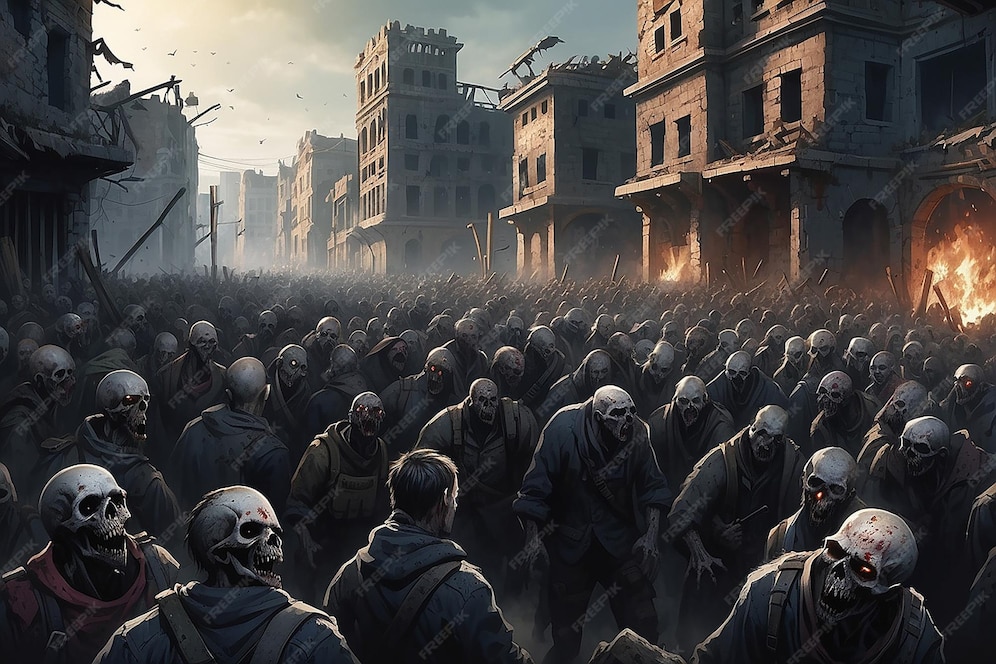
The portrayal of zombies varies widely across cultures, reflecting unique societal fears, beliefs, and historical contexts. In different countries, the depiction of zombies serves not only as a form of entertainment but also as a medium for social commentary on issues ranging from government control to consumerism. Understanding these cultural reflections provides insight into how societies interpret the concept of a zombie apocalypse and its implications.
Cultural representations of zombies often stem from local folklore and existing myths. These interpretations influence the narratives found in films, literature, and other media. Each culture adapts the zombie trope to resonate with its customs, values, and societal issues, thus creating a rich tapestry of zombie lore across the globe.
Regional interpretations of zombies
Different countries have their own interpretations of zombies, which highlight local customs and societal concerns. For instance, in Haiti, zombies are often associated with Vodou practices, where they symbolize the loss of will and autonomy. The archetypal zombie is seen as a victim of sorcery, which reflects deep-rooted fears of loss of control and colonial history. Haitian literature and film frequently depict zombies within this context, emphasizing themes of oppression and disenfranchisement.
In contrast, American zombie narratives, especially those popularized by movies like “Night of the Living Dead” and “World War Z,” often focus on consumerism, societal breakdown, and the human condition during catastrophic events. These narratives depict zombies as metaphors for the mindless consumer and the loss of individuality. The zombie apocalypse in American culture can be viewed as a critique of modern society, where the living are often portrayed as more monstrous than the undead.
Impact of local customs on zombie representations
Cultural customs and societal issues significantly shape the representation of zombies in media. In Japan, for example, the concept of the “Shōnen” or “Yūrei” has influenced the portrayal of the undead. While traditional Japanese ghosts are not exactly zombies, the blending of these two elements in media has created unique narratives that address themes of life, death, and the afterlife. Films like “I Am a Hero” showcase zombies as a reflection of societal anxieties regarding isolation and a loss of connection in modern urban life.
Moreover, in Latin America, particularly in films from Mexico and Brazil, zombies may be portrayed in a light-hearted manner, often infused with humor or social satire. For instance, the film “Juan of the Dead” uses zombies to critique political corruption and societal neglect, showcasing how local customs and realities influence storytelling.
In Africa, the portrayal of zombies can be rooted in traditional beliefs regarding the dead and the afterlife. Many African films explore themes of resurrection and the impact of colonialism. The movie “iZombie” incorporates elements of African folklore, along with contemporary issues, drawing parallels between the living and the undead in terms of societal struggles.
The representation of zombies is often a reflection of societal anxieties, fears, and cultural narratives that shape the way we perceive life and death.
Final Review
In conclusion, the concept of a Zombie Apocalypse serves as a powerful narrative that reveals both our vulnerabilities and strengths. As we navigate through the layers of fear, survival, and community, it’s evident that these stories resonate with us for reasons beyond mere entertainment—they challenge us to reflect on our humanity and resilience in the face of unprecedented challenges.
Expert Answers
What are the origins of zombies in folklore?
Zombies have roots in various cultural mythologies, particularly in Haitian Vodou, where they are believed to be reanimated corpses controlled by a sorcerer.
How do zombies symbolize real-world issues?
Zombies often represent societal concerns such as consumerism, loss of identity, and the fear of contagion, serving as metaphors for contemporary anxieties.
What psychological impact does a zombie apocalypse have?
Survival in a zombie apocalypse scenario can lead to severe psychological trauma, including anxiety, depression, and post-traumatic stress disorder (PTSD) due to isolation and constant fear.
What essential supplies are needed for survival?
Key supplies include non-perishable food, clean water, first aid kits, tools, and self-defense items, all crucial for surviving a zombie-infested world.
How can communities prepare for a potential zombie outbreak?
Communities can enhance preparedness through training drills, resource organization, and fostering resilience to ensure effective response during crisis situations.
What role does technology play during a zombie apocalypse?
Technology can aid in communication and information sharing among survivors, but it may also be a double-edged sword, with the potential to spread panic or misinformation.