
 Eric
EricWarm White Tones create a welcoming atmosphere that many find comforting and appealing. These hues, which blend soft yellows and gentle creams, are more than just a visual choice; they evoke emotions and set the mood in various environments.
From cozy living rooms to elegant restaurants, warm white tones play a pivotal role in interior design by enhancing the ambiance and fostering a sense of relaxation. Let’s dive into how these tones influence our spaces and experiences.
Understanding Warm White Tones
Warm white tones refer to a specific range of lighting that emits a soft, inviting glow reminiscent of natural sunlight during the golden hour. These tones typically range from 2700K to 3000K on the Kelvin scale and are characterized by their yellowish hue. Warm white tones play a significant role in creating a cozy, welcoming atmosphere in various settings, from homes to commercial spaces. Their significance lies not only in aesthetic appeal but also in their ability to influence mood and behavior.
The emotional and psychological impacts of warm white tones are profound. They are known to evoke feelings of comfort and relaxation, making them ideal for spaces where people gather, such as living rooms and restaurants. Studies have shown that warm lighting can lower stress levels and encourage social interaction. By contrasting with cooler tones, which can feel stark and clinical, warm white tones create a sense of intimacy and warmth that makes environments feel more approachable and friendly.
Common Uses of Warm White Tones in Interior Design
Warm white tones are prevalent in various areas of interior design, particularly in spaces intended for relaxation or socialization. Their application can significantly alter the ambiance of a room. The following examples illustrate common settings where warm white tones are effectively utilized:
- Living Rooms: Often designed as spaces for family gatherings, warm white lighting enhances comfort and encourages conversation.
- Restaurants: Warm tones create a cozy dining atmosphere, encouraging patrons to linger and enjoy their meals.
- Bedrooms: Utilizing warm white tones in bedrooms promotes relaxation and aids in creating a restful environment conducive to sleep.
- Retail Spaces: Stores often use warm white lighting to highlight products and create an inviting shopping experience.
- Outdoor Patios: Warm white string lights or lanterns can transform outdoor spaces into intimate settings for gatherings.
“Warm white tones have the unique ability to transform any space into a sanctuary of comfort, enhancing both aesthetic appeal and emotional well-being.”
In essence, the thoughtful use of warm white tones in interior design not only beautifies spaces but also fosters an emotional connection, making them indispensable in creating inviting environments.
The Science Behind Warm White Tones
Warm white tones are an integral part of our daily lives, influencing not only the ambiance of our surroundings but also our emotions and perceptions. These tones, characterized by their inviting and cozy appearance, play a significant role in various settings, from homes to commercial spaces. Understanding the science behind these tones can enhance our appreciation and application of lighting in design and architecture.
The color temperature spectrum is measured in Kelvin (K), ranging from warm to cool tones. Warm white tones typically fall within the range of 2700K to 3000K. This segment of the spectrum emits a soft, yellowish light, reminiscent of traditional incandescent bulbs. In contrast, cooler tones are measured from about 3500K to 5000K, presenting a more bluish light. This difference in color temperature significantly affects how we perceive our environment and can influence mood and functionality in a space.
Impact of Light Sources on Perception of Warm White Tones
The type of light source used can dramatically alter the perception of warm white tones. Different light sources, such as incandescent, LED, and fluorescent bulbs, emit light at varying color temperatures and qualities.
– Incandescent Bulbs: These emit a warm glow that is well within the 2700K to 3000K range, enhancing the warm white tones and providing a snug atmosphere. They render colors accurately, giving a natural appearance to objects.
– LED Bulbs: Depending on the specific product, LED bulbs can imitate warm white tones effectively. When selecting LED lights, it’s essential to check the Kelvin rating to ensure they provide the desired warmth. Some may produce a cooler, more sterile light if not carefully chosen.
– Fluorescent Bulbs: Generally, these bulbs tend to emit cooler light; however, there are warm white variants available. The perception of warmth can be less pronounced compared to incandescent or well-chosen LED sources.
It’s crucial to recognize these differences when selecting lighting, as they can impact not just aesthetics but also functionality and comfort levels in a space.
Differences Between Warm White Tones and Cooler Tones
Understanding the distinction between warm white tones and cooler tones is essential for effective lighting design. The visual effects produced by these tones can create vastly different atmospheres and moods.
– Warm White Tones (2700K – 3000K):
– Evoke feelings of comfort and relaxation.
– Ideal for spaces like living rooms and bedrooms where a cozy ambiance is desired.
– Enhance warm colors like reds, oranges, and yellows, making spaces feel inviting.
– Cooler Tones (3500K and above):
– Often associated with productivity and alertness.
– Suitable for workspaces, kitchens, and bathrooms where clarity and brightness are prioritized.
– Can create a stark contrast with warm colors, sometimes making spaces feel more expansive but less cozy.
“The right lighting can transform a space, making it either a sanctuary of warmth or an arena of productivity, depending on the color temperature chosen.”
In summary, the choice between warm white tones and cooler tones should be guided by the intended use of the space and the desired emotional response. Selecting the appropriate lighting can significantly enhance the overall experience within an environment, contributing to both aesthetic appeal and functional effectiveness.
Applications of Warm White Tones in Interior Design
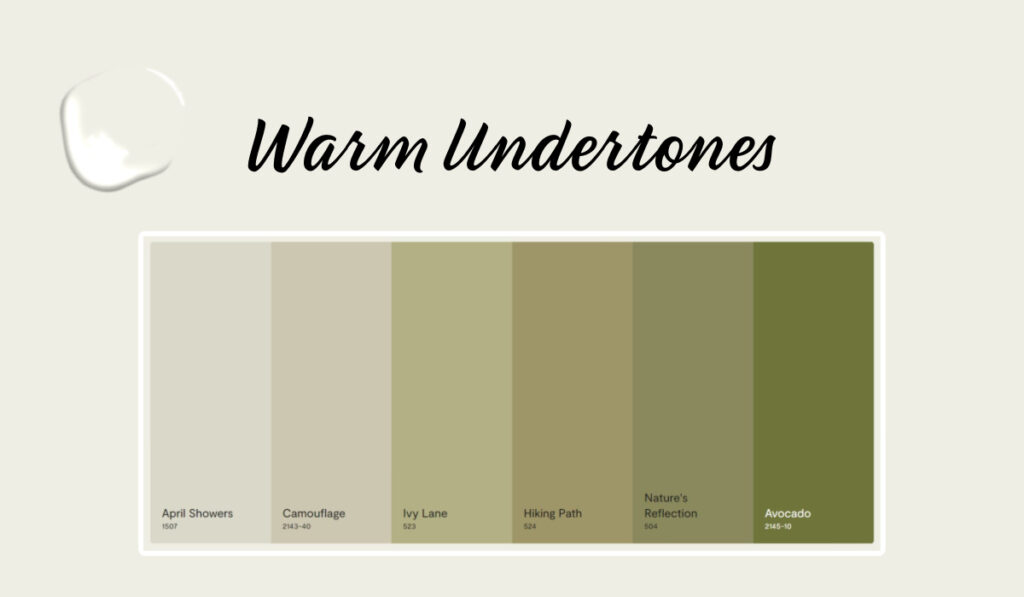
Warm white tones are a versatile and inviting choice in interior design, creating atmospheres that are both comforting and sophisticated. These tones can enhance a variety of styles, providing a backdrop that allows other colors and textures to flourish. Their adaptability makes them ideal for various spaces, from cozy living rooms to elegant dining areas.
Interior Design Styles Benefiting from Warm White Tones
Warm white tones can seamlessly fit into various design styles, enhancing their unique characteristics. Here are a few styles where warm white is particularly effective:
- Modern Scandinavian: This style embraces simplicity and functionality, and warm white tones help create a serene environment that reflects natural light.
- Rustic Farmhouse: Warm whites complement the use of natural materials like wood and stone, reinforcing a cozy, lived-in feel.
- Traditional: By providing a classic backdrop, warm whites allow for the display of ornate furniture and rich fabrics, enhancing the overall elegance.
- Eclectic: In this style, warm white tones can unify diverse elements, ensuring that the space feels cohesive while allowing individual pieces to stand out.
Balancing Warm White Tones with Other Colors
Achieving a harmonious balance between warm white tones and other colors in a room is essential for creating an inviting atmosphere. The key is to pair warm whites with both complementary and contrasting hues to maintain visual interest.
Using warm white tones can enhance the overall warmth of the space, making it feel more inviting when paired with soft pastels or muted jewel tones.
Consider incorporating deeper shades such as navy blue or forest green alongside warm whites to create a sophisticated contrast. Accent colors can be added through throw pillows, artwork, or decorative items, allowing for dynamic visual layers without overwhelming the serene base offered by warm whites.
Popular Paint Colors and Materials Complementing Warm White Tones
Selecting the right paint colors and materials can significantly enhance the effectiveness of warm white tones in your interior design. Below is a list of popular options that work beautifully alongside warm whites:
- Paint Colors:
- Soft Taupe
- Warm Beige
- Peachy Coral
- Muted Sage Green
- Materials:
- Natural Wood (like oak or walnut)
- Soft Fabrics (such as linen or cotton)
- Textured Stone (like travertine or limestone)
- Metal Accents (brass or bronze for warmth)
Incorporating these colors and materials enhances the warmth of the space, making it feel more inviting and comfortable. The interplay of textures, shades, and warm whites can elevate any room, creating a harmonious and welcoming environment.
Warm White Tones in Photography and Visual Arts
Warm white tones play a pivotal role in photography and visual arts, creating an inviting and comforting atmosphere that can evoke a variety of emotions. These tones, ranging from soft creams to golden hues, can transform the mood of images and artworks, providing depth and a sense of warmth that cooler tones often lack. Artists and photographers alike utilize warm white tones to enhance storytelling and engage viewers on a more intimate level.
The impact of warm white tones on the mood of photographs is significant. These tones can evoke feelings of nostalgia, tranquility, and happiness, making them ideal for portraits, landscape photography, and still life. For example, a photograph taken during the golden hour—when the sun casts a warm, diffused light—can give a serene and enchanting quality to the scene. In contrast, cooler tones often impart a sense of detachment or coldness. To harness the power of warm white tones effectively, it is essential to consider the following tips across different styles of photography.
Effective Use of Warm White Tones in Photography Styles
Employing warm white tones effectively involves understanding the context and emotional resonance of your subject matter. Here are some practical tips for various photography styles:
1. Portrait Photography: Utilize natural light during the golden hour to capture subjects in a flattering glow. This enhances skin tones and creates a friendly atmosphere.
2. Landscape Photography: Experiment with filters or post-processing techniques that emphasize warm tones. This can turn a mundane landscape into a captivating vista that invites the viewer to explore.
3. Still Life Photography: Use warm artificial lighting to create an inviting ambiance. Incorporating natural materials like wood and fabric can complement warm tones effectively, enhancing texture and depth.
4. Event Photography: Adjust the white balance settings on your camera to lean towards warmer tones. This can create a cohesive, inviting feel in photos of gatherings or celebrations.
5. Architectural Photography: Shooting during the golden hour can dramatize structure and silhouette while adding warmth to materials like brick and wood.
“The subtle charm of warm white tones lies in their ability to create an emotional connection with the viewer.”
When comparing artworks that utilize warm white tones against those that employ cooler palettes, the emotional response can vary significantly. Warm-toned paintings, such as Claude Monet’s “Impression, Sunrise,” often evoke feelings of hope and warmth, engaging viewers with a sense of optimism. In contrast, artworks featuring cooler tones, such as Edward Hopper’s “Nighthawks,” convey feelings of isolation and introspection, drawing attention to the subjects’ emotional states.
The choice of color palette can also determine the narrative of the artwork, guiding viewers through the intended experience and emotional journey. Warm tones can create a sense of belonging, while cooler tones may provoke thought or contemplation.
In summary, warm white tones have a versatile and transformative power in photography and visual arts, enriching the emotional depth of images and artworks, and engaging viewers in unique ways.
Warm White Tones in Fashion and Textiles
Warm white tones, characterized by their soft and inviting hues, have made a significant impact on the fashion and textile industry. These shades not only evoke a sense of comfort but also serve as a versatile backdrop for various seasonal collections. As designers incorporate warm whites into their palettes, they create pieces that resonate with consumers looking for elegance and simplicity.
Warm white tones influence fashion trends by providing a canvas for layering and accessorizing, making them ideal for transitional seasons. Designers often showcase these colors in their collections to highlight the versatility of fabrics and styles. The use of warm white tones can enhance the overall aesthetic, whether through minimalist designs or intricate patterns, allowing for a fresh, contemporary look.
Fabric Types in Warm White Tones
Several fabric types are particularly suited for warm white tones, enhancing their appeal in fashion. The following fabrics are commonly available in these shades, providing a range of textures and styles for various garments:
- Cotton: A staple fabric known for its breathability and comfort, warm white cotton is frequently used in casual wear and summer collections.
- Linen: This natural fiber brings a relaxed vibe to warm white tones, making it perfect for beachwear and lightweight dresses.
- Silk: Offering a luxurious sheen, silk in warm white elevates formal wear and evening gowns, creating a sophisticated and elegant appearance.
- Wool: Ideal for colder months, warm white wool provides both warmth and style, often seen in sweaters and winter coats.
- Rayon: Known for its versatility, rayon can mimic the feel of silk or cotton, making warm white rayon dresses popular for both casual and semi-formal occasions.
Outfit Examples Utilizing Warm White Tones
Warm white tones can be styled in numerous ways, making them suitable for various occasions. Below are some effective outfit examples that illustrate the versatility of these shades:
- Casual Day Out: A pair of warm white cotton trousers paired with a light beige or soft pastel blouse creates a relaxed yet chic look, perfect for a coffee date or shopping.
- Office Wear: A tailored warm white blazer over a crisp white shirt combined with navy trousers provides a professional appearance that remains stylish and approachable.
- Evening Event: A flowing warm white silk maxi dress adorned with delicate lace details is ideal for weddings or formal gatherings, exuding elegance and grace.
- Weekend Brunch: Layering a warm white linen shirt over a fitted tank top with light denim shorts presents a fresh and casual outfit, ideal for a laid-back Sunday outing.
- Winter Styling: A chunky warm white wool sweater paired with dark jeans and ankle boots offers a cozy yet fashionable appearance suitable for cold-weather outings.
The Role of Warm White Tones in Branding and Marketing
Warm white tones have become a significant aspect of branding and marketing strategies as they evoke feelings of comfort, reliability, and trust. These colors create inviting atmospheres that can influence consumer perceptions and decisions, ultimately impacting brand loyalty and engagement. As businesses seek to differentiate themselves in crowded markets, the strategic use of warm white tones in visual identity plays a crucial role in establishing a memorable and appealing presence.
The psychological effects of warm white tones are profound, as they can elicit emotional responses that enhance brand perception. Warm white tones, which blend the comforting qualities of white with subtle undertones of yellow and beige, can make a brand appear more approachable and friendly. This emotional connection is vital in marketing, where consumers often make decisions based on feelings rather than just rational thought. Brands that effectively use warm white tones can foster a sense of community and belonging, which can directly translate into customer loyalty.
Incorporation of Warm White Tones in Visual Identity
Businesses increasingly incorporate warm white tones into their branding to create a cohesive and inviting visual identity. This strategic choice not only enhances the overall aesthetic but also aligns with the brand’s messaging. Here are several ways brands implement warm white tones:
- Logo Design: Many companies choose warm white tones for their logos to convey warmth and accessibility. For instance, a health and wellness brand may use a warm white logo to evoke feelings of cleanliness and positivity.
- Product Packaging: Brands in the food and beauty sectors often utilize warm white tones in packaging to create a sense of naturalness and simplicity, appealing to consumers’ desires for authenticity.
- Website Design: E-commerce websites frequently use warm white tones in background designs to ensure that product images stand out while creating a comforting browsing experience.
- Advertising Materials: Print and digital advertisements that employ warm white tones often encourage engagement by making the content feel inviting and relatable.
Case Studies of Successful Brands
Several brands have effectively utilized warm white tones in their marketing materials to enhance brand recognition and consumer appeal. These case studies illustrate the impactful use of color in branding:
- Apple: Apple’s branding heavily features warm white tones, especially in their product designs and advertisements. This creates a modern yet inviting feel that attracts a diverse consumer base.
- Starbucks: Starbucks incorporates warm white tones in their store interiors and packaging. This choice contributes to a cozy atmosphere that encourages customers to linger, fostering a sense of community.
- Nestlé: Nestlé’s approach to product packaging often includes warm white tones, reinforcing the brand’s image of wholesome and family-friendly products. This strategy resonates with consumers looking for reliable and comforting food options.
“Color is a power which directly influences the soul.” – Wassily Kandinsky
The success of these brands demonstrates how warm white tones can create emotional connections, enhance brand identity, and ultimately drive consumer engagement.
Creating a Warm White Tone Palette
Creating a warm white tone palette can transform a space or design, lending an inviting and cozy atmosphere. The key is to curate a palette that not only features shades of warm white but also harmonizes with complementary colors. This process involves careful selection to ensure cohesiveness in your design project, whether it’s for interior design, graphic design, or branding.
To create a cohesive warm white tone palette, you should follow a systematic approach that involves identifying the right shades of warm white, selecting complementary colors, and testing combinations. Here’s a detailed guide on how to achieve this.
Step-by-Step Guide for Creating a Warm White Tone Palette
Start by gathering your materials and defining the overall vibe you want your palette to convey. This will set the foundation for your color selection process.
-
Choose Your Warm White Shade:
Begin with the primary warm white shade that will dominate your palette. Look for whites with yellow, cream, or peach undertones, such as “Buttercream” or “Ivory.” These shades will serve as the base for your palette. -
Select Complementary Colors:
Identify colors that enhance the warm white tones. Look for soft pastels or earthy hues. Examples include soft sage greens, muted terracotta, or dusty rose. These colors will work together harmoniously with your warm whites, creating a balanced look. -
Test Color Combinations:
Create small swatches of your selected colors to see how they interact with each other. Place them side by side to observe their contrast and compatibility. This step is crucial to ensure a seamless transition between colors. -
Incorporate Texture and Materials:
Remember that colors can look different based on texture and material. Consider how different fabrics, woods, and finishes will interact with your palette. For example, pairing warm whites with natural wood tones can enhance warmth. -
Finalize Your Palette:
Once you are satisfied with your color combinations and textures, finalize your palette. Create a visual representation, like a mood board, to guide your project moving forward.
Examples of Color Combinations with Warm White Tones
To illustrate how to create effective color combinations that complement warm white tones, here are a few examples that work well together.
Combining warm whites with soft, muted colors can evoke a sense of calm and comfort.
- Warm White + Soft Sage Green: This combination is ideal for a peaceful and natural atmosphere, perfect for spaces aiming for a tranquil vibe.
- Warm White + Dusty Rose: This pairing creates a romantic and elegant feel, suitable for bedrooms or cozy living areas.
- Warm White + Terracotta: This combo brings warmth and earthiness, making it great for kitchens or dining areas.
- Warm White + Pale Gold: Adding a metallic touch can elevate the design, creating sophistication while maintaining warmth.
Each of these combinations enhances the warmth of the white tones while providing contrast and visual interest, making them excellent choices for various design projects. The key is to test and adjust to achieve the desired effect, ensuring your palette feels cohesive and inviting.
Trends and Innovations in Warm White Tones
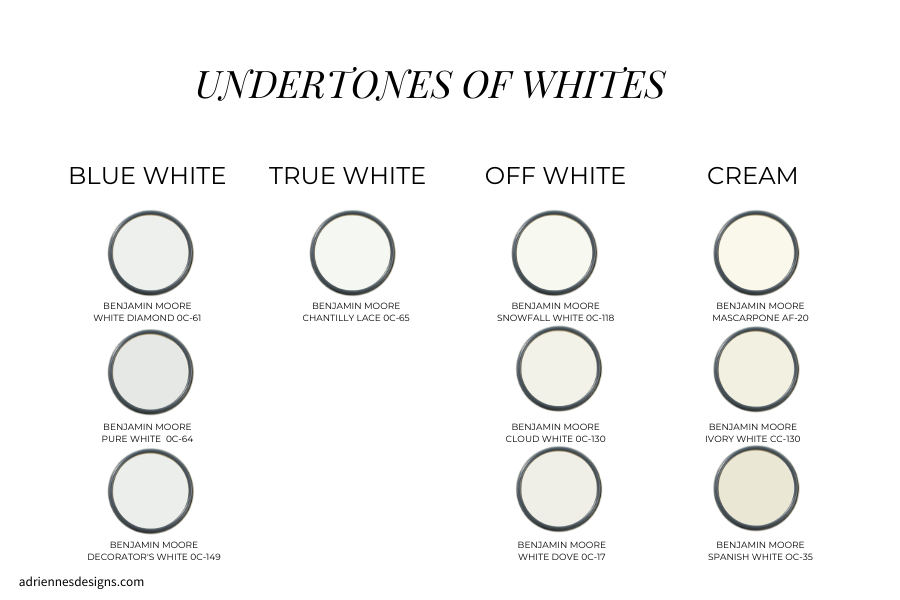
Warm white tones have been making waves in the design and decor industry, infusing spaces with a natural warmth that appeals to a broad audience. As preferences shift towards more inviting and cozy environments, warm whites are increasingly popular in both residential and commercial settings. This section explores the current trends, innovative materials, and the industries where warm white tones are gaining traction.
Current Design and Decor Trends
The rise in the use of warm white tones can be attributed to several key trends in design and decor. These trends emphasize comfort, sustainability, and a connection to nature, making warm whites an ideal choice.
- Minimalism with Warmth: The minimalist trend has evolved to include warm white tones, creating spaces that feel balanced and inviting. Designers are opting for warm whites over stark whites, adding a touch of softness that enhances the overall aesthetic.
- Earthy Palette Integration: Warm whites are often paired with earthy tones like terracotta, olive green, and soft browns. This palette reflects a natural environment and promotes a sense of tranquility.
- Textural Variety: Incorporating various textures—such as soft fabrics, wooden elements, and ceramics—enhances the appeal of warm whites. These materials create depth while maintaining a cohesive, warm aesthetic.
Innovative Materials Enhancing Warm White Tones
Advancements in materials and technology have significantly contributed to the versatility of warm white tones in design. These innovations provide both aesthetic appeal and functional benefits.
- Eco-friendly Paints: New formulations in eco-friendly paints allow for rich, warm whites without harmful chemicals, promoting health and sustainability in living spaces.
- Smart Lighting Solutions: Innovative lighting technology can adjust the warmth of light bulbs to enhance warm white tones, allowing consumers to create the desired ambiance in real-time.
- Textured Wall Finishes: New wall finish options, such as warm white plasters and wallpapers, add character and depth, making spaces feel more inviting.
Emerging Patterns in Various Industries
Warm white tones are gaining popularity across different sectors, showcasing their versatility and appeal.
- Hospitality Design: Hotels and restaurants are embracing warm white tones to create inviting atmospheres that encourage relaxation and comfort for guests.
- Retail Spaces: Stores are utilizing warm whites to create engaging shopping experiences, which can enhance product visibility and customer satisfaction.
- Healthcare Environments: The healthcare industry is adopting warm whites in patient rooms and waiting areas, promoting a soothing and healing environment.
“The choice of warm white tones in design not only reflects current trends but also caters to the human desire for comfort and connection.”
Last Word
In summary, Warm White Tones are versatile and impactful, transcending interior design to touch photography, fashion, branding, and beyond. Their ability to create a sense of warmth and approachability is unmatched, making them a favored choice across various industries.
Detailed FAQs
What are warm white tones?
Warm white tones are light shades that incorporate soft yellow and cream hues, creating a cozy and inviting atmosphere.
How do warm white tones affect mood?
They tend to evoke feelings of comfort and relaxation, making spaces feel more inviting and homey.
Can warm white tones be used in small spaces?
Yes, using warm white tones in small spaces can help make them feel larger and more open while maintaining a cozy ambiance.
What colors pair well with warm white tones?
Complementary colors include soft blues, muted greys, and earthy tones, which enhance the warmth without overpowering it.
Are warm white tones suitable for all seasons?
Indeed, they work well in every season, providing a cozy feel in winter and a fresh, airy vibe in summer.