
 Eric
Eric
Delving into Organic Balloon Structure invites readers to explore a fascinating intersection of art, science, and sustainability. This unique architectural approach combines organic materials with innovative design techniques to create stunning visual experiences.
From ancient cultures to contemporary art installations, organic balloon structures have evolved significantly. Their ability to convey themes and messages while maintaining environmental consciousness makes them an exciting topic in both architecture and art.
The Historical Evolution of Organic Balloon Structures
The journey of organic balloon structures reflects the intersection of art, science, and culture throughout history. Originating from simple materials, these structures have evolved into complex designs that embody creativity and innovation. Understanding their development provides insight into human ingenuity and adaptability in architectural practices.
The origins of balloon structures can be traced back to ancient civilizations that utilized natural materials to create inflated forms for various purposes. As technology advanced, so did the techniques used in balloon construction, which incorporated both functional and aesthetic considerations. From the early use of animal bladders in Mesoamerica to the modern applications of latex and biodegradable materials, each milestone has played a significant role in shaping contemporary designs.
Key Milestones in Organic Balloon Structures
Several pivotal innovations and events have contributed to the evolution of organic balloon structures over the centuries. These milestones highlight the transition from basic forms to sophisticated designs that challenge conventional architectural norms.
- Ancient Civilizations: The earliest examples include the use of animal bladders by the Aztecs for ceremonial purposes, showcasing the initial understanding of inflation as a structural principle.
- 18th Century Innovations: The invention of the hot air balloon by the Montgolfier brothers in 1783 marked a significant leap in balloon technology, inspiring architectural applications that emphasized aerial aesthetics.
- 20th Century Advances: The modern era saw the introduction of synthetic materials, such as nylon and PVC, which allowed for more resilient and visually captivating structures. Notable architects like Buckminster Fuller pioneered geodesic domes, influencing organic balloon design.
- Contemporary Developments: The rise of sustainable architecture led to innovations in biodegradable materials, reflecting a growing awareness of environmental impact in design. Projects like the Eden Project in the UK exemplify the harmonious integration of organic forms and ecological principles.
“The evolution of organic balloon structures is not just about materials; it is a reflection of cultural values and technological progress.”
Notable Examples of Organic Balloon Structures Across Cultures
Throughout history, various cultures have embraced organic balloon structures, creating iconic examples that highlight their unique interpretations and functionalities.
- Japanese Festival Balloons: In Japan, elaborate festival balloons, known as “dashi,” are constructed for celebrations, showcasing intricate designs and vibrant colors that reflect local traditions.
- European Event Installations: In cities like Paris and London, temporary balloon installations are often used for art exhibitions and public events, engaging communities and transforming public spaces.
- Indigenous Practices: The use of inflated structures in traditional ceremonies by Indigenous peoples demonstrates the cultural significance of organic forms as symbols of identity and spirituality.
- Modern Art Installations: Artists like Anish Kapoor have utilized balloon-like forms in their installations, pushing the boundaries of perception and inviting viewers to engage with space in innovative ways.
The historical evolution of organic balloon structures encapsulates a rich narrative of creativity, cultural significance, and technological advancement. Each example serves as a testament to the enduring human spirit of innovation and the quest for beauty in architecture.
The Science Behind Organic Materials in Balloon Architecture
Organic materials, derived from natural sources, are increasingly being recognized for their unique properties and benefits in balloon architecture. These materials, such as latex and natural rubber, offer a variety of advantages that not only enhance the structural integrity of balloon designs but also align with sustainable practices in design and production. Understanding the science behind these organic materials is crucial for architects and designers who want to create visually stunning and environmentally friendly balloon structures.
The properties of organic materials make them particularly well-suited for balloon architecture. They are inherently flexible and elastic, allowing for the creation of various shapes and designs without compromising structural integrity. Additionally, organic materials tend to have a lower weight compared to synthetic alternatives, facilitating easier handling and installation. Their biodegradable nature is another significant property, which means that they can decompose naturally over time, reducing the long-term environmental impact of balloon installations.
Advantages of Using Organic Materials Over Synthetic Alternatives
The use of organic materials in balloon architecture offers numerous advantages when compared to synthetic options. Below are some key benefits that highlight why organic materials are often the preferred choice:
- Sustainability: Organic materials are renewable and biodegradable, making them an environmentally friendly choice. Unlike synthetic materials, which can take hundreds of years to decompose, organic options break down naturally and contribute less to landfill waste.
- Health Considerations: Organic materials are less likely to contain harmful chemicals or toxins that are often present in synthetic materials. This quality makes them safer for both the environment and the individuals who interact with the installations.
- Enhanced Air Retention: Organic materials, particularly latex, provide superior air retention properties, which are vital for maintaining the integrity of balloon structures over time.
- Customizability: Organic materials can be more easily dyed and manipulated, allowing for greater creativity and customization in balloon design.
Environmental Impacts of Organic Versus Non-Organic Balloons
When comparing the environmental impacts of organic and non-organic balloons, it becomes evident that organic options are significantly more beneficial. The production and disposal processes of synthetic balloons often contribute to pollution and increased carbon footprint. Organic balloons, on the other hand, have a much lower environmental impact for several reasons:
- Lower Carbon Footprint: The production of organic materials typically requires less energy and results in fewer greenhouse gas emissions compared to synthetic materials.
- Biodegradability: As mentioned earlier, organic balloons decompose naturally, posing minimal risk to wildlife and ecosystems when discarded. This contrasts sharply with non-organic balloons that can persist in the environment and cause harm.
- Less Chemical Pollution: Organic materials reduce the risk of chemical pollution during production and disposal, as they do not release harmful substances that synthetic materials often do.
“Using organic materials not only enhances the aesthetic appeal of balloon structures but also champions a sustainable future.”
By understanding the science behind organic materials and their environmental advantages, designers can make informed choices in their architectural projects, leading to stunning balloon structures that are both beautiful and eco-friendly.
Innovative Design Techniques for Organic Balloon Structures
The art of crafting organic balloon structures involves a blend of creativity and precise engineering. Designers strive to create captivating forms that not only draw attention but also maintain structural integrity. This section explores innovative design techniques that can be employed in the development of these unique structures, while highlighting the crucial role that mathematics and geometry play in the shaping of these designs.
Design Techniques for Organic Balloon Structures
Several design techniques are pivotal in the creation of organic balloon structures. These methods emphasize aesthetics and functionality, ensuring that the final product is both visually stunning and structurally sound. Below are some of the primary techniques along with their benefits and applications.
| Design Technique | Benefits | Applications |
|---|---|---|
| Geodesic Design | Maximizes strength while minimizing material use. | Large installations, outdoor events, and temporary shelters. |
| Parametric Design | Allows for complex forms to be generated through algorithms. | Art installations, architectural features, and custom sculptures. |
| Modular Design | Facilitates easy assembly and customization. | Exhibitions, interactive spaces, and collaborative art projects. |
| Biomimicry | Inspires forms based on nature, enhancing aesthetics and functionality. | Public art, themed events, and ecological architecture. |
Mathematics and geometry play a fundamental role in the design of organic balloon structures. The use of geometric principles allows designers to calculate the required dimensions and shapes that meet both aesthetic desires and structural demands.
“Geometric principles guide the balance between form and function in organic balloon structures.”
Utilizing concepts such as fractals and symmetry, designers can create visually dynamic forms that also distribute stress evenly throughout the structure. Moreover, advanced software that incorporates mathematical modeling can simulate airflow and structural stability, ensuring that the designs can withstand environmental stresses.
In essence, the synthesis of innovative design techniques with mathematical frameworks not only elevates the beauty of organic balloon structures but also ensures their durability and effectiveness in various applications.
Applications of Organic Balloon Structures in Modern Art
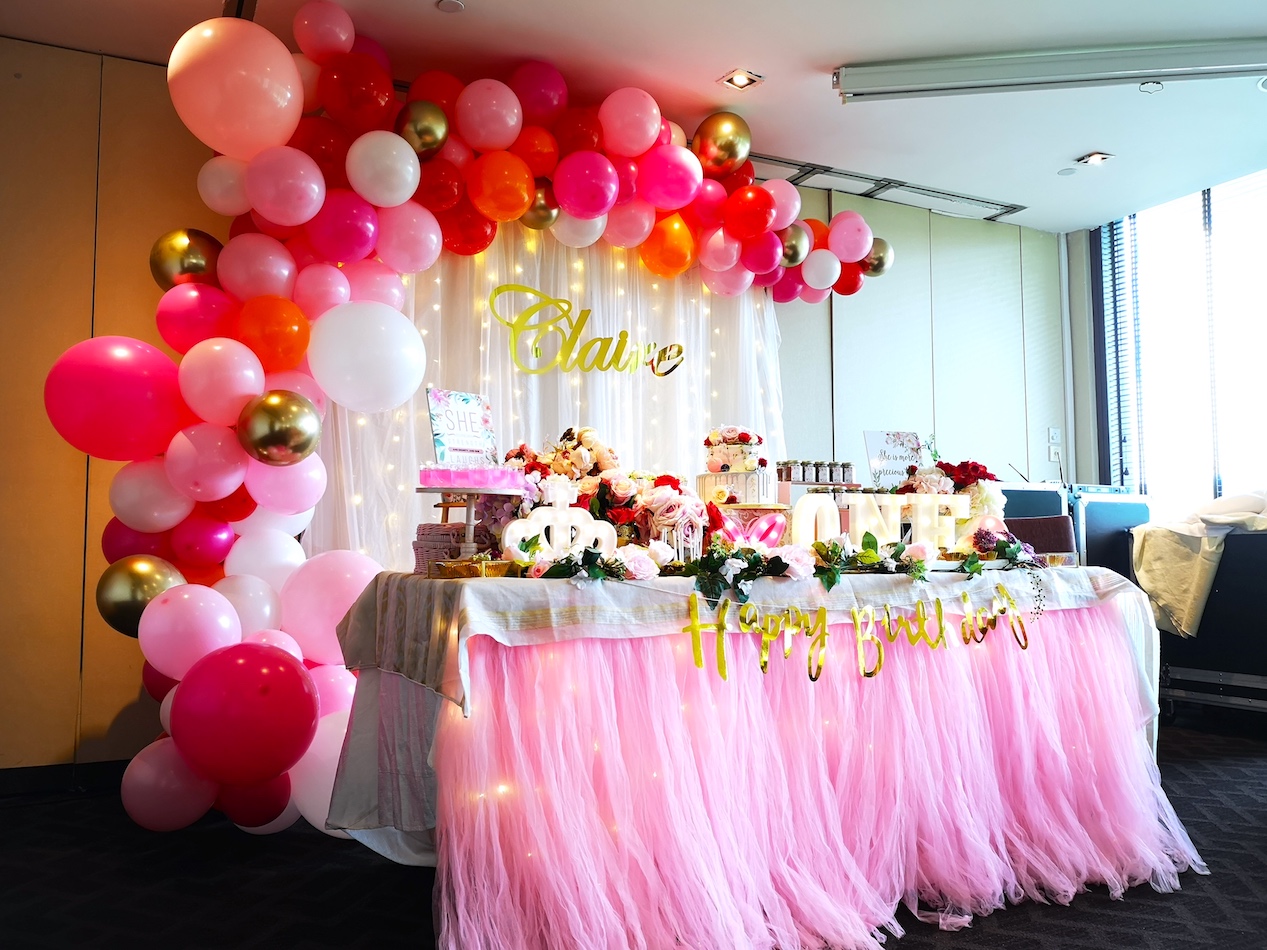
In the realm of contemporary art, organic balloon structures have emerged as a captivating medium that artists leverage to express complex themes and messages. These structures not only captivate audiences with their vibrant colors and whimsical forms but also serve as profound symbols reflecting societal issues, human experiences, and environmental concerns.
Artists are utilizing organic balloon structures to create immersive experiences that encourage viewers to engage with their art on multiple levels. The playful nature of these designs contrasts with serious themes, making the message more approachable and impactful. For instance, artists like Jeff Koons and Yayoi Kusama have incorporated balloon-like elements in their installations, challenging perceptions of consumerism and identity through the lens of vibrant, inflated forms.
Contemporary Art Installations Featuring Organic Balloon Designs
Several notable contemporary art installations showcase the innovative use of organic balloon structures. These installations not only highlight artistic creativity but also reflect broader cultural and social themes.
- Jeff Koons’ “Balloon Dog”: This iconic sculpture, made from stainless steel with a mirror-finish, resembles a classic balloon animal. It embodies themes of childhood innocence and the commodification of art, prompting discussions about value and artistic expression in a consumer-driven society.
- Yayoi Kusama’s “Infinity Mirrored Room”: Although primarily known for her polka-dot patterns, Kusama has incorporated inflatable elements that create an illusion of endlessness. This installation addresses concepts of infinity and personal identity, inviting participants to reflect on their place within a vast universe.
- Olafur Eliasson’s “The Weather Project”: In this installation, Eliasson utilized large inflatable structures to create an artificial sun within the Tate Modern. This work explores human interaction with nature and our relationship with climate change, encouraging visitors to contemplate environmental preservation.
The cultural significance of these artworks extends beyond aesthetic appeal. They often serve as critical commentaries on the zeitgeist, reflecting societal anxieties and aspirations. Through the playful yet poignant use of organic balloon structures, artists engage viewers in meaningful dialogues about the environment, identity, and the nature of art itself. These installations not only entertain but also provoke thought, fostering a deeper understanding of contemporary issues that resonate within society today.
Environmental Considerations in the Production of Organic Balloons
The production and use of organic balloons present a more sustainable alternative compared to traditional latex balloons, often derived from synthetic materials. The shift towards organic materials addresses multiple environmental concerns, from raw material sourcing to end-of-life impacts.
Organic balloons are typically made from natural latex, which is biodegradable and sourced from rubber trees without harmful chemicals. This process significantly reduces the environmental impact associated with traditional balloons. The renewable nature of latex, when harvested sustainably, contributes to lower carbon emissions and a lesser ecological footprint. In comparison, conventional balloons can take hundreds of years to decompose and often contribute to pollution and wildlife hazards.
Environmental Benefits of Organic Balloons
Organic balloons provide numerous environmental advantages. The benefits include:
- Biodegradability: Organic balloons break down naturally within a few months to a few years, significantly reducing litter and pollution in ecosystems.
- Sustainable Sourcing: The latex used in organic balloons comes from rubber trees, which can be harvested sustainably, promoting forest conservation and biodiversity.
- Reduced Chemical Use: Organic production methods focus on using fewer harmful chemicals, minimizing environmental contamination and health risks to workers.
- Lower Carbon Footprint: The production of organic balloons generally involves fewer emissions compared to synthetic options that require petrochemical processes.
Challenges in Production and Disposal of Organic Balloons
Despite their benefits, the production and disposal of organic balloons face several challenges. These challenges include:
- Supply Chain Limitations: Sourcing high-quality organic latex can be difficult due to varying agricultural practices and climate conditions, impacting availability and pricing.
- Cost of Production: The organic certification process can increase production costs, making organic balloons more expensive than traditional ones.
- End-of-Life Management: While biodegradable, organic balloons still require appropriate disposal methods to ensure they break down effectively, as littering can still pose risks to wildlife.
Solutions for Mitigating Environmental Impacts
To further mitigate environmental impacts during the manufacturing processes of organic balloons, several approaches can be adopted:
- Implementing Sustainable Practices: Encouraging farmers to adopt sustainable harvesting techniques that preserve biodiversity and reduce deforestation can enhance the quality and availability of organic latex.
- Investing in Research: Research into more efficient manufacturing processes and the development of innovative biodegradable materials can help reduce the environmental footprint of balloon production.
- Consumer Education: Raising awareness about proper disposal and the ecological benefits of organic balloons can encourage responsible consumer behavior and promote a shift away from traditional balloons.
The Future of Organic Balloon Structures in Sustainable Architecture
![[Organic Balloon Structure] Woodland Rabbit](https://maibirthday.com/wp-content/uploads/2026/04/4010408052.jpg "[Organic Balloon Structure] Woodland Rabbit")
The potential of organic balloon structures in sustainable architecture holds great promise as we move towards eco-friendly construction practices. These innovative designs are not only visually appealing but also contribute significantly to reducing the environmental impact of buildings. With advancements in materials and technology, organic balloon structures are evolving to meet the demands of modern sustainable architecture.
As the construction industry seeks to minimize its carbon footprint, organic balloon structures emerge as a viable solution. These structures can be made from biodegradable materials, which align with the principles of sustainability. Innovations such as the integration of inflatable components made from plant-based materials and the development of self-healing polymers are expected to play a crucial role in future designs.
Innovative Practices in Architecture using Organic Materials
The integration of organic materials into architectural designs is rapidly gaining traction, allowing architects to create structures that are both functional and environmentally harmonious. This shift in practice emphasizes the use of renewable resources and the minimization of waste. Key innovative practices include:
- Biodegradable Materials: The use of materials that break down naturally reduces landfill waste and promotes a circular economy. For example, materials like mycelium and bioplastics are being explored for their structural capabilities.
- Customizable Designs: Organic balloon structures offer flexibility in design, allowing for unique shapes that can adapt to various environmental conditions while maintaining energy efficiency.
- Energy Efficiency: Incorporating solar panels and wind turbines within the structure can enhance its energy independence, making it a self-sustaining option for future buildings.
The importance of these practices lies in their ability to offer solutions that not only address aesthetic and functional needs but also prioritize environmental health.
Ongoing Research and Development in Organic Balloon Structures
Research and development in the field of organic balloon structures are advancing at a rapid pace, driven by the need for sustainable building solutions. Institutions and companies are focusing on various aspects, from material science to structural engineering. Noteworthy developments include:
- Advanced Material Research: Ongoing studies are exploring the properties of organic composites that combine strength and flexibility, which can significantly enhance the durability of balloon structures.
- 3D Printing Technologies: The adoption of 3D printing for creating organic balloon structures allows for more efficient material use and the possibility of producing complex designs that were previously unattainable.
- Environmental Impact Assessments: Research is being conducted to measure the long-term sustainability of these structures, ensuring that they meet environmental standards and contribute to reducing greenhouse gas emissions.
Incorporating these advancements into the architectural landscape will facilitate the growth of organic balloon structures, promoting a future where buildings are not only eye-catching but also sustainable and resilient.
The Role of Organic Balloon Structures in Celebratory Events
Organic balloon structures have become a staple in the world of event decor, playing a vital role in enhancing the visual appeal of various celebrations. Their unique shapes and vibrant colors create a whimsical atmosphere that transforms ordinary spaces into extraordinary experiences. As a versatile decoration element, organic balloons can adapt to any theme, making them a popular choice for a wide range of events.
One of the most significant ways organic balloon structures enhance celebrations is through their ability to create immersive environments. They can be designed to fit seamlessly into the overall decor, whether it’s a birthday party, wedding, or corporate event. The flowing forms and organic shapes add depth and dimension, serving as eye-catching focal points that engage attendees. For example, at a recent outdoor wedding, an organic balloon arch made of soft pastel colors and varying sizes not only framed the couple beautifully but also complemented the natural surroundings, bringing an ethereal quality to the occasion.
Impact of Organic Balloon Designs on Events
Organic balloon designs leave a lasting impression on attendees, contributing to the overall ambiance and theme of the event. These structures can be tailored to reflect the personality of the host or the essence of the celebration. Below are notable events that have successfully utilized organic balloon designs to enhance their significance:
- A birthday party for a child featuring a giant balloon animal sculpture that captivated the young guests, providing a fun backdrop for photos and creating a memorable experience.
- A corporate gala that showcased a stunning ceiling installation of organic balloons, which not only impressed attendees but also reinforced the event’s theme of innovation and creativity.
- A community festival where large-scale organic balloon installations served as interactive art pieces, encouraging participation and sparking conversations among visitors.
Cultural traditions often intertwine with the practice of balloon decorations in various festivities. In many cultures, balloons symbolize joy and celebration, making them a fitting choice for festive occasions. For instance, in some Latin American countries, balloon decorations are a vital aspect of birthday parties and quinceañeras, where vibrant colors and elaborate designs reflect the celebratory spirit. Similarly, during festivals like Diwali, balloons are frequently used to adorn homes and public spaces, embodying the festival’s essence of light and joy.
Organic balloon structures not only elevate the aesthetic of celebrations but also create memorable experiences that resonate with attendees long after the event concludes.
Challenges and Solutions in Implementing Organic Balloon Structures
The innovative field of organic balloon structures presents a fascinating intersection of art, architecture, and engineering. However, the implementation of these structures is not without its challenges. Addressing these obstacles is crucial for the successful adoption of this approach in various construction projects.
The construction of organic balloon structures often encounters several common challenges, primarily related to materials, design, and environmental factors. Understanding these challenges allows for the development of effective strategies and solutions, as well as an enhancement of the overall design process.
Material Limitations
One of the primary challenges in constructing organic balloon structures is the limitation of materials. Traditional materials may not provide the required flexibility or durability needed for organic shapes. Additionally, lightweight materials that can mimic the organic form may compromise structural integrity.
To overcome this limitation, researchers and engineers are exploring the use of advanced materials such as high-strength polymers and composite materials. These materials offer improved strength-to-weight ratios, enabling the creation of more intricate and resilient designs. Furthermore, incorporating eco-friendly materials can align with sustainable building practices.
Design Complexity
The complexity of designing organic balloon structures poses another significant challenge. The irregular shapes and forms often require advanced computational design tools and skilled personnel to ensure their feasibility and safety.
To tackle this issue, many experts are embracing parametric design techniques, allowing for rapid iterations and modifications. Software such as Rhino and Grasshopper facilitates the design process by enabling architects to visualize and optimize structures in real time. This approach not only speeds up the design phase but also enhances collaboration among architects, engineers, and builders.
Environmental Factors
Environmental conditions, including wind, rain, and temperature fluctuations, can affect the performance and longevity of organic balloon structures. These factors need to be meticulously considered during the design and construction phases.
Implementing a robust environmental analysis is essential for mitigating these risks. Techniques such as wind tunnel testing and climate simulation can help predict the behavior of structures under various environmental conditions. Additionally, incorporating drainage systems and waterproof coatings can further enhance the resilience of these structures.
Expert Approaches to Problem-Solving
Different experts in the field have adopted various strategies to address the aforementioned challenges. Here are some notable approaches:
- Collaborative Design Processes: Engaging multidisciplinary teams comprising architects, engineers, and material scientists can lead to holistic design solutions that address multiple challenges simultaneously.
- Innovative Construction Techniques: Techniques such as 3D printing and robotics are being utilized to fabricate complex organic forms with greater precision, reducing human error and construction time.
- Adaptive Structures: Designing structures that can adapt to changing environmental conditions, such as movable components or responsive materials, can enhance functionality and longevity.
By addressing these challenges with thoughtful solutions and innovative approaches, the field of organic balloon structures can continue to evolve, paving the way for sustainable and aesthetically pleasing architectural designs.
Closure
In summary, the journey through Organic Balloon Structure not only highlights its historical evolution and innovative design techniques but also emphasizes the importance of sustainability in modern practices. As we look to the future, these structures will continue to inspire creativity and push the boundaries of what is possible in architecture.
FAQ
What materials are typically used in organic balloon structures?
Organic balloon structures often use biodegradable materials like natural latex, paper, and organic fabrics, enhancing sustainability.
How do organic balloon structures compare to traditional balloons?
Unlike traditional balloons, which are usually made from synthetic materials, organic balloons are more environmentally friendly and break down naturally.
Can organic balloon structures be used outdoors?
Yes, with proper treatment and support structures, organic balloon designs can be effectively utilized in outdoor settings.
What are the main challenges in using organic materials for balloon structures?
Challenges include durability, weather resistance, and the need for careful handling to prevent damage.
How do artists incorporate organic balloon structures in their work?
Artists use organic balloon structures to create immersive installations that engage viewers and provoke emotional responses through their unique forms and materials.