
 Eric
EricOld Hollywood Glamour evokes a magical era where film stars captivated audiences with their exquisite style and charm. This iconic period not only transformed the entertainment landscape but also left an indelible mark on fashion and societal norms, inspiring generations to embrace elegance and allure. As we explore the evolution of this cultural phenomenon, we’ll uncover the societal influences and historical milestones that shaped its vibrant tapestry.
From the glamorous outfits worn by legendary actors to the innovative cinematography that enhanced their on-screen presence, the essence of Old Hollywood continues to resonate in modern pop culture. Join us as we dive into the captivating world of Old Hollywood Glamour, examining its impact on film, fashion, and the representation of gender.
The Evolution of Old Hollywood Glamour as a Cultural Phenomenon
Old Hollywood Glamour, a term that resonates with the glitz and glamour of the 1920s to the 1960s, encapsulates an era where film stars became emblematic of cultural aspirations. This phenomenon began with the rise of the silent film industry, where actors like Charlie Chaplin and Mary Pickford captivated audiences not just through their performances but also through their stylish appearances. As the industry transitioned into the sound era, the allure of Hollywood blossomed further, serving as a mirror to societal changes and cultural shifts.
The evolution of Old Hollywood glamour is not just a story of fashion and film; it reflects broader societal influences and milestones that shaped American culture. The Roaring Twenties heralded the arrival of flapper fashion, symbolizing women’s newfound independence post-World War I. This period saw the emergence of iconic figures like Clara Bow, the “It Girl,” whose carefree spirit and extravagant style influenced a generation. As the Great Depression hit, Hollywood became an escape for many, and stars like Ginger Rogers and Fred Astaire brought a touch of elegance to the screen despite the surrounding hardship.
Societal Influences and Historical Milestones
The evolution of Old Hollywood glamour was profoundly influenced by societal changes, technological advancements, and pivotal historical events. The following key moments marked significant transformations in both film and fashion during this glamorous era:
- The Arrival of Technicolor (1935): With films like “Becky Sharp,” color became an essential aspect of filmmaking, enhancing the visual appeal and enabling fashion to take center stage.
- World War II (1939-1945): During this time, Hollywood produced films that promoted patriotism and morale, while stars like Rita Hayworth became symbols of resilience and beauty, influencing fashion trends.
- The Golden Age of Musicals (1940s-1950s): Musicals like “Singin’ in the Rain” showcased extravagant costumes and set designs, solidifying the connection between film and high fashion.
- The Rise of the Movie Star System (1920s-1960s): Hollywood’s studio system created iconic stars like Audrey Hepburn and Marilyn Monroe, whose personal styles and public personas shaped societal beauty standards.
- The Impact of Television (1950s): As television gained popularity, it transformed the entertainment landscape, forcing Hollywood to adapt while maintaining its glamorous appeal through stars like Lucille Ball.
Throughout these decades, the portrayal of glamour on screen was often a reflection of societal values and aspirations. The transition from the extravagant styles of the 1920s to the more sophisticated silhouettes of the 1950s encapsulates the changing attitudes towards femininity and masculinity. As American society grappled with issues of gender roles, economic hardship, and international conflict, Old Hollywood glamour remained a beacon of aspiration and escapism, influencing fashion trends that permeated everyday life.
Old Hollywood was not just about the films but also encapsulated the dreams, struggles, and desires of an entire generation, solidifying its lasting legacy in cultural history.
Iconic Fashion Trends that Defined Old Hollywood Glamour
Old Hollywood glamour is synonymous with a unique blend of elegance, sophistication, and an undeniable allure that captivated audiences in the mid-20th century. The fashion of this era was characterized by styles that not only defined the stars who wore them but also set trends that resonate even in contemporary fashion. Key elements like luxurious fabrics, meticulous tailoring, and striking silhouettes became hallmarks of this iconic aesthetic, shaping the way women and men expressed themselves through clothing.
The fashion trends of Old Hollywood were profoundly influenced by several visionary designers whose creativity and craftsmanship brought these glamorous styles to life. Designers like Edith Head, who won eight Academy Awards for her costume designs, played a pivotal role in defining the looks of legendary actresses. Her tailored evening dresses often featured intricate beadwork and delicate fabrics, creating a stunning visual impact on screen. Similarly, Charles James was known for his innovative use of structure and silhouette, crafting dresses that accentuated the female form in a way that was both flattering and artistic. His gowns often featured dramatic shapes, such as the iconic “Tree” gown with its exaggerated bell shape, which showcased the timeless blend of fashion and artistry.
Influential Outfits and Their Legacy
Several outfits from this period have transcended time, becoming symbols of style and elegance. The impact of these iconic pieces on contemporary fashion cannot be overstated, as they continue to inspire modern designers and fashion enthusiasts alike.
One of the most iconic outfits is the stunning white halter gown worn by Marilyn Monroe in “The Seven Year Itch.” This dress, with its daring cut and flowing fabric, not only highlighted her curves but also became a representation of sensuality and bold femininity. The image of Monroe standing over the subway grate is forever etched in fashion history, influencing countless designs that celebrate female empowerment and allure.
Audrey Hepburn’s little black dress in “Breakfast at Tiffany’s” is another prime example. Designed by Hubert de Givenchy, this timeless piece combined simplicity with elegance, demonstrating that less can indeed be more. The LBD has since become a staple in every woman’s wardrobe, illustrating how Hepburn’s style continues to impact fashion choices today, advocating for a chic yet understated look.
Grace Kelly’s wedding gown, designed by MGM costume designer Helen Rose, is celebrated for its classic silhouette and luxurious lace detailing. This gown not only defined bridal fashion for decades but also set a precedent for modern wedding attire, emphasizing the importance of elegance and tradition in bridal wear.
Each of these outfits represents more than just clothing; they embody the essence of Old Hollywood glamour and have left an indelible mark on fashion, inspiring generations with their beauty and timelessness. The influence of these iconic pieces is evident in contemporary collections, where designers draw upon the elegance and sophistication of the past to create modern interpretations that still resonate with today’s fashion aficionados.
The Role of Cinematography and Set Design in Creating Glamour
The old Hollywood era is synonymous with glamour, a world where every frame was a visual feast, meticulously crafted through cinematography and set design. These elements worked hand-in-hand to create a mesmerizing atmosphere that captivated audiences and set high standards for beauty and elegance in film. Cinematography techniques, along with extravagant set designs, played crucial roles in establishing the iconic allure of classic films.
Cinematography Techniques Enhancing Glamour
Cinematography was a vital tool in creating the glamorous image of old films. Techniques such as soft focus, chiaroscuro lighting, and innovative camera angles were employed to enhance the allure of actors and the overall aesthetic of the film. Soft focus, for instance, created a dreamy quality, blurring imperfections and lending a romantic aura to the scene. This was particularly effective in close-ups of stars like Marilyn Monroe and Audrey Hepburn, where their beauty was accentuated rather than obscured.
Chiaroscuro lighting, characterized by strong contrasts between light and shadow, added depth and drama to scenes, making characters appear more dynamic and intriguing. This technique was often used to highlight the contours of a star’s face, thus enhancing their glamorous image. Additionally, the use of low-angle shots elevated the status of the characters, making them appear larger-than-life and exuding a sense of power and sophistication. These cinematographic choices transformed everyday settings into extraordinary backdrops for the stories being told, enveloping viewers in a world of luxury and excess.
Importance of Set Design in Establishing Ambiance
The set design of old Hollywood films was instrumental in creating the opulent ambiance that defined the era. Lavish interiors, grand ballrooms, and ornate exteriors were meticulously crafted to transport viewers into a realm of affluence and sophistication. Designers like Cedric Gibbons created iconic sets that became synonymous with glamour, such as the opulent mansions seen in films like “The Great Gatsby” (1949) and “Sunrise: A Song of Two Humans” (1927). These lavish settings were not merely backdrops; they were integral to the storytelling, enhancing the narrative by reflecting the characters’ lifestyles and social statuses.
Moreover, the attention to detail in set dressing played a significant role in immersing the audience in the glamour of the time. Elements like vintage furniture, extravagant drapery, and intricate props contributed to the overall aesthetic, creating a cohesive visual experience. By employing a rich color palette and luxurious textures, set designers were able to evoke emotions and establish a sense of place, making the glamorous lives of the characters relatable and aspirational for audiences.
In summary, the interplay between cinematography techniques and set design was essential in crafting the glamorous images of old Hollywood films, ensuring that every aspect of the visual storytelling contributed to the enchantment that continues to resonate with audiences today.
Influential Figures in Old Hollywood Glamour
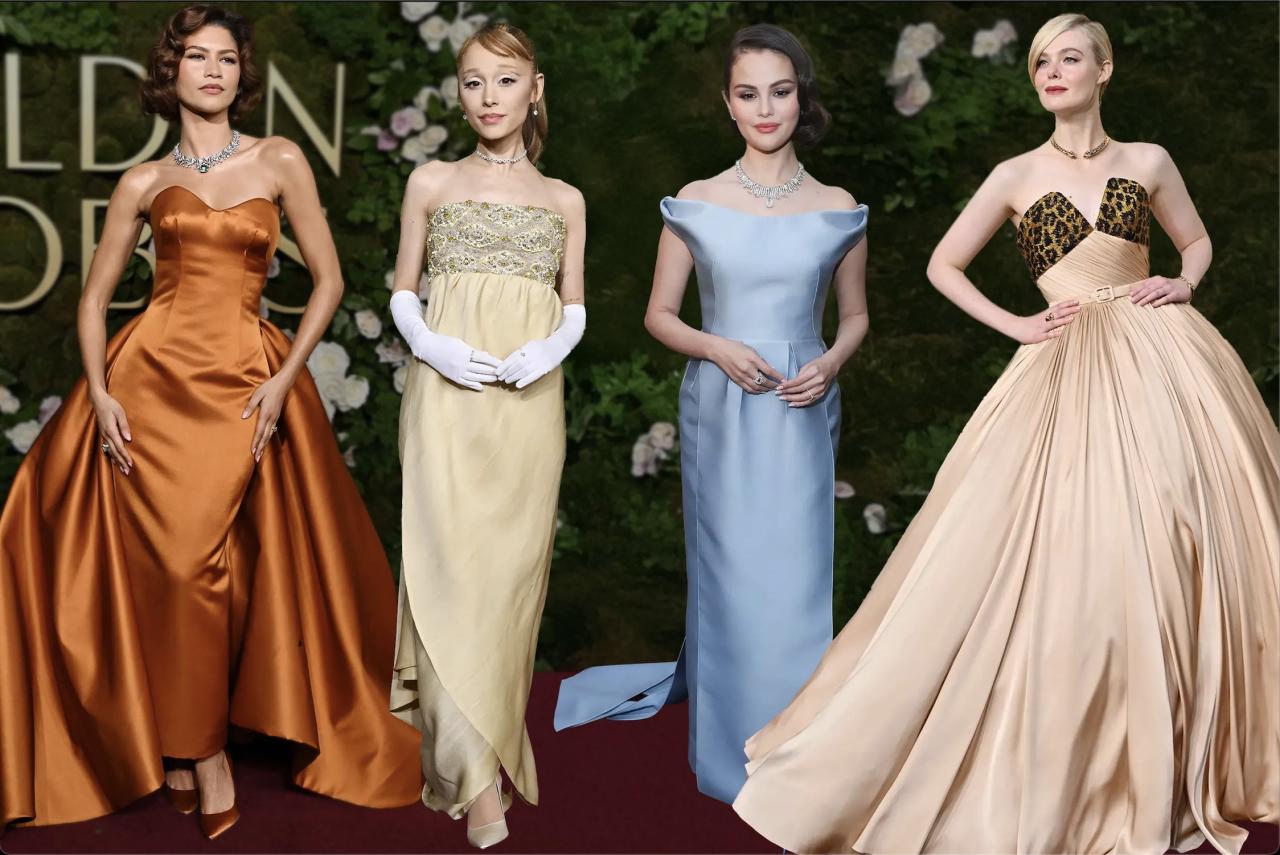
Old Hollywood glamour was not merely a fashion statement; it was a lifestyle cultivated by iconic figures who epitomized elegance, sophistication, and charisma. The actors, actresses, and filmmakers of this golden age not only graced the silver screen but also set benchmarks for beauty and style that influenced generations. Their ability to create captivating personas allowed them to leave an indelible mark on both the film industry and popular culture.
Key Actors, Actresses, and Filmmakers
Several key figures prominently shaped the aesthetic and cultural fabric of Old Hollywood. Their influence extended beyond their cinematic contributions, impacting public perceptions of glamour and style. Notable examples include:
- Marilyn Monroe: As a quintessential sex symbol of the 1950s, Monroe’s blend of innocence and seduction made her a cultural phenomenon. Her iconic looks, such as the white dress blowing in the wind from “The Seven Year Itch,” remain timeless symbols of femininity and allure.
- Cary Grant: Known for his charm and impeccable style, Grant embodied the suave leading man. His dapper suits and effortless elegance in films like “North by Northwest” established a standard for male glamour in Hollywood.
- Audrey Hepburn: With her pixie-like features and sophisticated wardrobe, Hepburn redefined grace in the 1960s. Her role in “Breakfast at Tiffany’s” showcased her classic style, making her a lasting icon in fashion.
- Alfred Hitchcock: This master filmmaker not only transformed the thriller genre but also influenced the perception of glamour through his choice of leading ladies. Actress Tippi Hedren in “The Birds” exemplified Hitchcock’s vision of beauty, creating a lasting impact on film aesthetics.
The legacies of these individuals are profound. Monroe’s influence can be seen in modern fashion and beauty standards, while Hepburn’s signature style continues to inspire designers. Cary Grant’s suave demeanor has set the precedent for countless romantic leads in film, and Hitchcock’s innovative storytelling techniques have transformed thriller narratives. Collectively, these figures have shaped public perceptions of glamour, blending artistry with personal style.
“The allure of Old Hollywood glamour is not just in what is worn, but in how it is worn—confidence being the ultimate accessory.”
Their personal styles and the personas they crafted invited admiration and aspiration from the public, ensuring that their influence persists even in today’s cultural landscape.
The Intersection of Old Hollywood Glamour and Modern Pop Culture
Old Hollywood Glamour, with its iconic aesthetics and larger-than-life personas, has left an indelible mark on modern pop culture. From fashion to film, the influence of this classic era is pervasive, shaping the tastes and styles of contemporary artists and entertainers. As we delve into the lasting impact of Old Hollywood on today’s entertainment industry, we find a rich tapestry of inspiration that continues to captivate audiences around the world.
The enduring allure of Old Hollywood is evident in the way modern celebrities embrace vintage aesthetics. This style revival often celebrates the elegance and sophistication of early 20th-century cinema, encapsulating a nostalgic charm that resonates with today’s audience. Fashion designers frequently draw from the glamorous silhouettes and intricate detailing that defined the iconic styles of stars like Audrey Hepburn and Grace Kelly. For instance, many red-carpet events showcase gowns that echo the classic lines and opulent fabrics favored by these Hollywood legends.
Contemporary Celebrity Inspirations from Old Hollywood
Modern celebrities frequently evoke the spirit of Old Hollywood through their fashion choices, public personas, and artistic expression. The following examples illustrate how this classic era continues to inspire:
- Emma Stone: Stone often channels classic Hollywood glamour, particularly in her red carpet appearances, where she opts for vintage-inspired gowns and classic hairstyles reflecting icons such as Rita Hayworth.
- Lady Gaga: Known for her theatrical style, Gaga frequently incorporates elements reminiscent of Old Hollywood in her performances, utilizing vintage silhouettes and classic makeup looks that pay homage to stars like Marilyn Monroe.
- Rihanna: The singer and fashion icon draws inspiration from the glamorous styles of the past, often seen in luxurious fabrics and bold accessories that reflect the lavish nature of Old Hollywood.
The revival of vintage aesthetics extends beyond individual celebrity styles. In film and television, directors and producers are increasingly looking to the past for creative inspiration. Productions like “La La Land” and “The Artist” not only reference the cinematic techniques of yesteryear but also encapsulate the emotional depth and romance characteristic of classic films. The meticulous attention to detail in costume design and cinematography serves to create a visual homage to the Golden Age of Hollywood.
The intermingling of past and present fashion sensibilities creates a unique dialogue that enriches contemporary storytelling.
Moreover, streaming platforms have become a breeding ground for nostalgia-driven content. Series such as “Hollywood” on Netflix showcase characters and stories steeped in the glamour of the 1940s, allowing audiences to relive the magic of an era that continues to influence popular culture. This fascination with vintage aesthetics is not merely a fleeting trend; it represents a broader cultural desire to reconnect with a time characterized by elegance, artistry, and timeless style.
In conclusion, the intersection of Old Hollywood Glamour and modern pop culture reveals a profound appreciation for the stylistic choices and cultural narratives of the past. As celebrities and filmmakers alike draw from this rich history, they contribute to an ongoing dialogue that celebrates and reinterprets the essence of a bygone era, ensuring that the legacy of Old Hollywood continues to shine brightly in the contemporary landscape.
Iconic Film Roles that Captured Old Hollywood Glamour
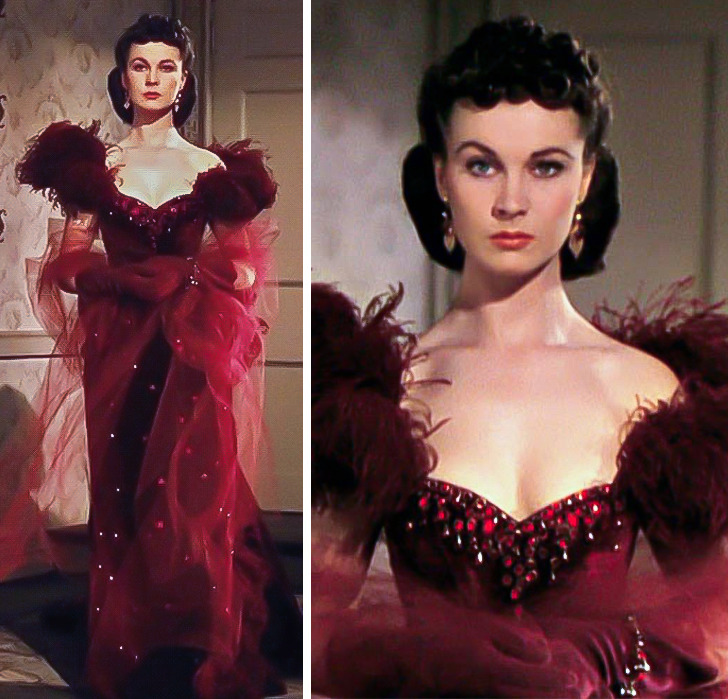
Old Hollywood glamour is synonymous with elegance, star power, and unforgettable performances. The silver screen was graced with characters who not only captivated audiences but also defined beauty standards and fashion trends of their time. These iconic film roles showcased not just acting talent but a carefully curated image of sophistication and allure that resonates even today.
The design and portrayal of these characters were meticulously crafted to embody the essence of glamour. Costume designers and directors worked in tandem to create a visual spectacle that highlighted the stars’ beauty and charisma. From intricate gowns to stunning hairstyles, every detail contributed to the overall presentation of elegance that defined Old Hollywood. This glamorous aesthetic was pivotal in shaping cultural perceptions of beauty and success, leaving lasting impressions on audiences worldwide.
Memorable Characters that Defined Glamour
Several film roles have left an indelible mark on the concept of glamour in cinema. These characters not only dazzled viewers but also served as benchmarks for beauty and style in their respective eras. Here are a few noteworthy examples:
- Scarlett O’Hara in “Gone with the Wind”: Portrayed by Vivien Leigh, Scarlett epitomized determination and allure. Her elaborate costumes, particularly the iconic green dress made from drapery, became symbols of her character’s fiery spirit and the grandeur of the Old South. Leigh’s performance ensured that Scarlett was not just glamorous but complex, appealing to audiences’ emotions and aspirations.
- Marilyn Monroe in “Gentlemen Prefer Blondes”: Monroe’s role as Lorelei Lee showcased her as the ultimate blonde bombshell. Her sparkling gowns and playful demeanor illustrated the era’s flirtation with femininity. The famous “Diamonds Are a Girl’s Best Friend” sequence has become an enduring symbol of glamour and excess, influencing fashion and pop culture for generations.
- Audrey Hepburn in “Breakfast at Tiffany’s”: Hepburn’s portrayal of Holly Golightly introduced a chic, modern elegance. The little black dress she wore, coupled with her signature updo, transformed her into a fashion icon. Holly’s character resonated with audiences not only for her glamour but also for her quest for identity and love in a bustling New York City.
- Rita Hayworth in “Gilda”: Hayworth’s performance as Gilda was a perfect blend of seduction and strength. The iconic scene where she famously flips her hair while singing “Put the Blame on Mame” solidified her status as a symbol of sensuality and glamour, influencing countless portrayals of femme fatales in cinema.
- Grace Kelly in “Rear Window”: As Lisa Carol Fremont, Kelly represented poise and sophistication. Her classic wardrobe and graceful demeanor perfectly encapsulated the essence of Old Hollywood glamour. Kelly’s character’s elegance and charm created an aura of ideal beauty that captivated audiences, showcasing how glamour can be both timeless and enchanting.
The cultural significance of these films lies in their ability to shape perceptions of beauty and elegance that extend beyond the screen. The glamour presented in these roles influenced fashion trends and inspired real-life aspirations, making these characters timeless icons in popular culture. Each performance not only entertained but also offered a lens through which audiences could explore their ideals of beauty, love, and success, marking a significant chapter in cinematic history.
The Representation of Gender in Old Hollywood Glamour
The Old Hollywood era, spanning from the 1920s to the 1960s, is celebrated for its opulence and the larger-than-life personas crafted by the studio system. This period not only produced iconic films and stars but also solidified rigid gender roles that influenced societal expectations. The glamour of this age was intricately tied to how masculinity and femininity were portrayed on screen, creating a lasting impact on both cinema and culture.
The portrayal of gender during the Old Hollywood era reflected and reinforced the societal norms of the time. Women were often depicted as glamorous, delicate, and dependent on men, emphasizing ideals of beauty and obedience. Stars like Marilyn Monroe and Grace Kelly embodied femininity, often playing roles that highlighted their allure and nurturing qualities. These characters were typically positioned as love interests, demonstrating that their primary value lay in their relationships with male protagonists. Conversely, men were portrayed as strong, assertive, and emotionally stoic. Leading men such as Cary Grant and Humphrey Bogart exemplified a rugged ideal of masculinity, often shown as the protectors and decision-makers.
Glamour as a Definition of Gender
The concept of glamour was pivotal in defining both masculinity and femininity in Old Hollywood. The lavish costumes, glamorous makeup, and staged settings contributed to the idealization of gender roles in films.
- Femininity: Women were often adorned in luxurious gowns, exquisite jewelry, and elaborate hairstyles, which suggested an idealized version of womanhood that was both glamorous and unattainable. This visual representation reinforced the notion that a woman’s value was linked to her appearance and desirability.
- Masculinity: Men, in contrast, were typically clad in sharp suits or military attire, projecting an image of authority and confidence. Their rugged looks and heroic actions created a standard of masculinity that emphasized physical strength and emotional restraint.
- Interplay of Roles: The interaction between glamorous women and dapper men on screen often crystallized the dynamic of dependency, where women’s glamour served to elevate the male characters, reinforcing the notion of male dominance in narratives.
The evolution of these representations in modern cinema has been significant. Contemporary films increasingly challenge the traditional notions of gender, offering more nuanced and independent portrayals of both men and women. Characters are often written with greater complexity, where women take on roles as leaders, warriors, and multifaceted individuals, moving beyond the confines of mere love interests. This shift reflects broader societal changes towards gender equality and the recognition of diverse identities. As such, while Old Hollywood glamour laid the groundwork for gender portrayals, modern cinema strives to depict more authentic and varied experiences, reflecting a society that values equality and individuality over rigid stereotypes.
The Legacy of Old Hollywood Glamour in Fashion Design
Old Hollywood Glamour represents an era of unparalleled elegance and sophistication, influencing not only the film industry but also the world of fashion. The iconic styles and aesthetics of stars like Audrey Hepburn, Marilyn Monroe, and Grace Kelly have left an indelible mark on contemporary design. The allure of this period continues to inspire designers today, showcasing the timelessness of its fashion elements. This legacy is evident in the way modern fashion incorporates luxurious fabrics, intricate detailing, and classic silhouettes reminiscent of the glamorous past.
Fashion designers often look to the past for inspiration, and Old Hollywood is a treasure trove of ideas. The lavish gowns, tailored suits, and stunning accessories that defined the era find their way into collections, serving as a bridge between yesterday’s glamour and today’s trends. Designers like Ralph Lauren, who infuses his collections with nostalgic references, and Gucci, known for its bold and theatrical designs, both illustrate how vintage influences can be updated for the modern consumer. These designers create pieces that evoke the spirit of Old Hollywood while ensuring they resonate with the contemporary fashion landscape.
Modern Designers Inspired by Old Hollywood
Several contemporary designers have successfully channeled the spirit of Old Hollywood in their work, capturing the elegance and sophistication that defined the era. Their collections often feature classic cuts, luxurious materials, and meticulously crafted details reminiscent of vintage glamour.
– Dior: Renowned for its “New Look,” Dior continues to honor the hourglass silhouette synonymous with the glamour of the 1950s. The use of cinched waists and voluminous skirts pays homage to stars like Marilyn Monroe.
– Elie Saab: Known for his opulent evening gowns, Saab often draws from vintage aesthetics, incorporating intricate beading and flowing fabrics that echo the elegance of Old Hollywood red carpets.
– Marchesa: This brand captures the romanticism of classic Hollywood through delicate lace, floral appliqués, and ethereal silhouettes, making it a favorite for modern-day starlets at award ceremonies.
Maintaining these vintage styles is significant in today’s fashion landscape, as they provide a sense of nostalgia and escapism. In a world that often moves quickly towards minimalism and casual wear, the romantic allure of Old Hollywood serves as a refreshing reminder of glamour and femininity. Additionally, these styles can empower individuals to embrace their unique identities, showcasing how fashion can be both a form of self-expression and a tribute to history.
Incorporating Old Hollywood influences into modern fashion not only honors the past but also reinvents it for contemporary audiences. The seamless blend of classic elements with modern aesthetics ensures that the legacy of Old Hollywood Glamour continues to thrive, inspiring future generations of designers and fashion enthusiasts alike.
Final Conclusion
In conclusion, Old Hollywood Glamour remains a significant touchstone in both the film industry and contemporary fashion. Its enduring influence is evident in the styles of modern celebrities and the revival of vintage aesthetics in today’s media. As we celebrate this remarkable legacy, we are reminded of the timeless allure that continues to inspire and shape our perceptions of beauty and elegance.
Essential FAQs
What defines Old Hollywood Glamour?
Old Hollywood Glamour is characterized by the lavish styles, sophisticated elegance, and enchanting charisma of film stars from the early to mid-20th century.
How did Old Hollywood influence modern fashion?
Many contemporary designers draw inspiration from Old Hollywood aesthetics, incorporating vintage styles into modern fashion collections and red-carpet looks.
Who are some key figures associated with Old Hollywood Glamour?
Iconic figures include Audrey Hepburn, Marilyn Monroe, and Cary Grant, all of whom have left a lasting legacy in film and fashion.
What role did women play in shaping Old Hollywood Glamour?
Women in Old Hollywood were not only stars but also trendsetters, using their fashion choices to influence societal views on femininity and beauty.
How has the portrayal of gender in Old Hollywood evolved?
Initially, gender roles were strictly defined, but over time, representations have evolved to include more diverse and complex characters in modern cinema.