
 Eric
EricBeginning with Ocean Theming, the narrative unfolds in a compelling and distinctive manner, drawing readers into a story that promises to be both engaging and uniquely memorable.
This concept not only brings the serenity and beauty of the ocean into our daily lives but also shapes various fields such as interior design, branding, events, art, fashion, landscape architecture, technology, and culinary arts. By exploring the interplay between oceanic motifs and modern aesthetics, we uncover how these themes resonate with our emotions and influence our choices.
Ocean Theming in Interior Design Shapes Modern Aesthetics
Ocean theming has emerged as a significant influence in modern interior design, steering aesthetics toward a serene and refreshing ambiance reminiscent of coastal environments. This theme taps into the tranquil allure of the sea, inspiring homeowners and designers to create spaces that evoke a sense of relaxation and connection to nature. From the colors chosen to the materials employed, oceanic elements play a pivotal role in shaping the overall aesthetic of contemporary interiors.
Influence of Color Palettes
The color palette is foundational in establishing an ocean-themed interior. The hues typically associated with the ocean—soft blues, deep teals, sandy beiges, and crisp whites—create a soothing atmosphere. Designers often draw inspiration from the natural shades found in coastal environments, promoting a calming effect that can transform any space. Consider the following aspects regarding color selection:
- Soft blues mimic the tranquil tones of clear water, making rooms feel airy and spacious.
- Deep greens and aqua shades reflect the richness of marine life, adding depth to a room’s design.
- Neutral tones such as sand and stone can ground the space, providing balance and warmth.
- Accent colors, such as coral or sunny yellows, can be used strategically to inject vibrancy while maintaining an overall oceanic feel.
Use of Natural Materials
Incorporating natural materials is crucial for achieving an authentic ocean theme in home décor. These materials not only reflect the elements found in coastal settings but also contribute to sustainability in design. The following natural elements are commonly utilized:
- Driftwood accents provide a rustic and organic touch, often used in furniture or decorative pieces.
- Seagrass rugs or jute textiles infuse texture and warmth, reminiscent of coastal landscapes.
- Stone finishes, such as marble or granite, mimic the rocky shores and can be used in countertops or flooring.
- Glass elements, particularly in light fixtures or decorative accessories, echo the clarity of ocean waters and enhance the lightness of a space.
Importance of Lighting Choices
Lighting plays a pivotal role in enhancing the ambiance of an ocean-themed interior. The right lighting can evoke the feeling of being by the beach, creating warmth and comfort in the space. Here are key considerations when selecting lighting for an oceanic theme:
- Natural light should be maximized, employing sheer curtains or strategically placed mirrors to reflect sunlight and mimic the openness of the sea.
- Soft, warm lighting fixtures can create a cozy, inviting atmosphere that parallels sunset views over the water.
- Layered lighting—incorporating ambient, task, and accent lights—can help to recreate the multifaceted glow of ocean reflections at different times of day.
- Consider pendant lights resembling jellyfish or marine forms to serve as focal points, bringing an artistic element that ties back to the ocean theme.
The Role of Ocean Theming in Branding for Coastal Businesses
Ocean theming plays a significant role in branding for coastal businesses by leveraging the natural allure of the sea to attract customers. This strategy not only embodies a lifestyle associated with relaxation and adventure but also evokes feelings of nostalgia and connection to nature. By effectively integrating ocean motifs, businesses can create strong emotional ties with their audience, enhancing brand loyalty and recognition.
Brands utilizing ocean-inspired strategies can tap into the aesthetics and symbolism associated with the ocean, which often conjures images of tranquility, freshness, and vitality. This thematic approach can influence consumer behavior, leading to increased engagement and sales. Businesses that effectively use ocean imagery in their marketing can stand out in a saturated market, appealing to both local customers and tourists seeking authentic coastal experiences.
Successful Brands Utilizing Ocean Themes
Various brands have successfully incorporated ocean themes into their marketing strategies, creating a strong brand identity that resonates with their target audience. Notable examples include:
- Tommy Bahama: This lifestyle brand epitomizes the relaxed island atmosphere, combining ocean imagery with casual wear. Their advertisements often feature serene beach scenes, promoting a laid-back lifestyle that attracts customers yearning for an escape.
- Patagonia: Known for its commitment to environmental conservation, Patagonia often uses ocean imagery in its campaigns, aligning its brand with ocean preservation efforts. This strategy enhances brand loyalty among environmentally conscious consumers.
- Reef: A footwear company that emphasizes surfing culture, Reef effectively uses ocean themes in its branding. Their marketing materials feature vibrant beach scenes and active lifestyles, appealing directly to beachgoers and surfers.
Psychological Impacts of Ocean Imagery on Consumer Behavior
The use of ocean imagery in branding can lead to various psychological effects that positively impact consumer behavior. The ocean is often associated with positive emotional states, such as calmness and happiness. This emotional association can lead to increased customer attraction and brand preference. Key psychological impacts include:
- Relaxation: Visuals of calm water and sandy beaches can evoke feelings of relaxation, encouraging consumers to associate the brand with leisure and enjoyment.
- Adventure: Ocean imagery can also stimulate a sense of adventure and exploration, motivating consumers to engage with brands that represent active lifestyles.
- Nostalgia: Many people have fond memories associated with the ocean, which can trigger nostalgia. Brands that evoke these memories can create a stronger emotional connection with their audience.
“Brands that incorporate ocean themes can draw on the deep emotional connections people have with the sea, enhancing their overall marketing effectiveness.”
Ocean Theming in Events and Celebrations Enhances Atmosphere
Planning an ocean-themed event offers a unique opportunity to immerse guests in the beauty and tranquility of the sea. This theme is versatile, suitable for various occasions, including weddings, birthdays, corporate events, and themed parties. By strategically incorporating ocean elements, you can create a captivating atmosphere that transports attendees to a serene coastal paradise.
The significance of ocean elements extends beyond mere decoration; they play a vital role in setting the mood and enhancing the overall experience. Elements such as color palettes, textures, and thematic decor can evoke feelings of relaxation and joy, making the event more memorable. When thoughtfully executed, ocean theming can transform any venue into a breathtaking maritime escape.
Comprehensive Guide for Planning an Ocean-Themed Event
When organizing an ocean-themed event, consider the following key aspects to ensure a cohesive and engaging experience for your guests:
- Venue Selection: Choose a location that complements the ocean theme. Outdoor beachside venues are ideal, but if that’s not feasible, consider spaces with large windows or nautical decor.
- Color Palette: Utilize a color palette inspired by the ocean, such as various shades of blue, teal, sandy beige, and white. These colors evoke a sense of calm and serenity.
- Decor Elements: Incorporate oceanic decor such as starfish, seashells, driftwood, and coral accents. Use table linens resembling ocean waves or sandy shores to enhance the theme.
- Lighting: Soft, ambient lighting can mimic the serene glow of the ocean. Consider using blue and green uplighting to create a magical underwater effect.
Significance of Ocean Elements in Event Decoration and Ambiance
Incorporating ocean elements into event decoration enhances the atmosphere and encourages a relaxed and festive spirit among guests. The use of specific decor not only beautifies the space but also tells a captivating story.
“Ocean-themed decor creates a connection to nature, promoting a sense of peace and enjoyment among event attendees.”
Some essential ocean elements to consider include:
- Natural Textures: Use linen, burlap, and soft fabrics to replicate the feel of the beach. These materials add warmth and authenticity to your decor.
- Floral Arrangements: Choose flowers that reflect coastal flora, such as sea lavender, succulents, or even tropical flowers, arranged in seashells or glass vases filled with sand.
- Centerpieces: Create centerpieces using aquariums or large glass vases filled with water, floating candles, and decorative seashells to enhance the nautical feel.
- Wall Decor: Use large, printed backdrops of ocean scenes, or incorporate murals depicting underwater life to create a stunning focal point.
Incorporating Ocean-Themed Activities That Engage Guests
Engaging guests through interactive activities not only enhances the theme but also creates lasting memories. Consider the following ocean-themed activities:
- Creative Stations: Set up DIY stations where guests can create their ocean-themed crafts, such as seashell jewelry or painted rocks resembling marine life.
- Ocean Trivia: Organize an ocean-themed trivia game to educate guests about marine life, ocean conservation, and fun facts about the sea.
- Photo Booth: Create a photo booth with ocean-themed props, such as sailor hats, mermaid tails, and inflatable beach toys, to encourage memorable photo opportunities.
- Live Entertainment: Hire performers such as hula dancers or musicians specializing in tropical music to enhance the festive atmosphere.
By thoughtfully incorporating these elements, you can craft an immersive ocean-themed event that leaves a lasting impression on your guests. Each aspect, from decor to activities, works in harmony to create a memorable experience that truly celebrates the beauty of the ocean.
The Cultural Significance of Ocean Theming in Art and Literature
The ocean has long been a profound source of inspiration across various artistic and literary forms. From ancient civilizations to contemporary creators, the ocean embodies a multitude of themes, including beauty, mystery, and even danger. Its vastness evokes a sense of awe and introspection, prompting artists and writers to explore its depths, both literal and metaphorical. This segment highlights the representation of ocean themes in art and literature, shedding light on their cultural significance.
Representation of Ocean Themes in Art
Throughout history, the ocean has served as a muse for artists, manifesting in diverse styles and mediums. The following points illustrate how ocean themes have been depicted in various art forms:
- Impressionism: Artists like Claude Monet captured the ephemeral beauty of the ocean through loose brushwork and vibrant colors, emphasizing light and movement on water surfaces.
- Romanticism: The ocean was depicted as a powerful and sometimes tumultuous force in works by artists such as J.M.W. Turner, who often portrayed dramatic seascapes that conveyed emotional depth.
- Modern and Contemporary Art: Artists like Yayoi Kusama have used ocean themes to explore ideas of infinity and repetition, using installations that evoke the vastness of the sea through immersive experiences.
- Indigenous Art: Many Indigenous cultures incorporate ocean themes into their artworks, reflecting the importance of marine life and coastal landscapes in their heritage and identity.
The ocean in art signifies a connection to nature, often representing human emotions and existential reflections.
Literary Works Exploring Oceanic Motifs
Literature has frequently drawn on oceanic themes to articulate complex human experiences and existential questions. Notable works include:
- Moby Dick by Herman Melville: This novel explores themes of obsession, revenge, and the relationship between humanity and nature, with the ocean serving as a vast, uncontrollable entity.
- The Old Man and the Sea by Ernest Hemingway: Here, the ocean symbolizes struggle and perseverance, representing both a physical and metaphorical battleground for the protagonist.
- Heart of Darkness by Joseph Conrad: In this novella, the journey into the Congo River is often seen as a parallel to oceanic exploration, delving into the darkness within humanity and civilization.
- Song of Solomon by Toni Morrison: The ocean represents a source of identity and heritage, linking characters to their ancestral roots and cultural narratives.
These literary works emphasize the ocean’s multifaceted role in reflecting internal conflicts and societal themes.
Cultural Interpretations of the Ocean
The ocean’s interpretation varies across cultures, influencing artistic expressions uniquely. Here are some insights into different cultural perspectives:
- Western Culture: Often views the ocean as a frontier for exploration, adventure, and conquest, embodying both freedom and peril.
- Eastern Cultures: Frequently depict the ocean as a source of life and harmony, emphasizing its nurturing qualities and spiritual significance.
- Indigenous Perspectives: Many Indigenous cultures regard the ocean as a sacred entity, integral to their existence and cosmology, highlighting the importance of stewardship and respect.
- Pacific Islander Cultures: The ocean is central to identity, navigation, and sustenance, with stories and art reflecting a deep connection to the sea and marine life.
These varying interpretations enrich the artistic landscape, showcasing the ocean’s diverse meanings across different cultural contexts.
Ocean Theming in Fashion Trends Reflects Natural Inspiration

The inspiration drawn from the ocean has significantly influenced the world of fashion, leading to vibrant collections that celebrate marine life and its colors. Fashion designers are increasingly looking to the depths of the sea for creativity, embracing the beauty and complexity of oceanic themes. This trend not only reflects aesthetic choices but also highlights a growing awareness of sustainability and environmental consciousness in the industry.
Oceanic color schemes are pivotal in shaping seasonal fashion trends, providing a palette that evokes tranquility and natural beauty. Shades of turquoise, deep blue, coral, and sandy beige are commonly adopted, capturing the essence of coastal landscapes and the vibrant ecosystems beneath the waves. The allure of these colors not only resonates with consumers but also plays a significant role in seasonal collections, especially during spring and summer when ocean motifs are at their peak.
Key Fashion Designers Known for Ocean-Inspired Collections
Several renowned fashion designers have made a name for themselves by incorporating ocean themes in their collections. Their work not only showcases beautiful designs but also often emphasizes sustainability and eco-conscious practices. Notable designers include:
- Stella McCartney: Known for her commitment to sustainability, McCartney often draws inspiration from nature, including the ocean, using eco-friendly materials to create stunning pieces.
- Prabal Gurung: His collections frequently feature oceanic prints and motifs, reflecting both the beauty and fragility of marine environments.
- Isabel Marant: Marant integrates oceanic colors and textures into her designs, capturing the laid-back elegance of coastal living.
- Alexander McQueen: The late designer’s work often included themes of marine life, with collections that showcased intricate sea-inspired designs.
The influence of these designers exemplifies how ocean themes can transcend mere aesthetics and promote a deeper connection to environmental issues.
Influence of Oceanic Color Schemes on Seasonal Fashion Trends
Color is a powerful element in fashion, and ocean-inspired palettes are particularly influential. These hues evoke emotions and can affect consumer behavior. The seasonal impact of oceanic colors can be observed in various ways:
- Spring/Summer Collections: Designers often launch collections featuring soft blues, vibrant corals, and sandy neutrals, reflecting the essence of summer vacations by the sea.
- Textile Innovation: New dye techniques inspired by ocean colors enhance the visual impact of garments, making them more appealing to consumers.
- Fashion Shows: Runway presentations frequently showcase ocean-themed color palettes to captivate audiences and set trends for the upcoming season.
The connection between color and consumer preference is evident, as oceanic shades often resonate with the desire for relaxation and escapism.
Role of Sustainable Materials in Ocean-Themed Fashion Lines
Sustainability plays a crucial role in the development of ocean-themed fashion lines. Designers are increasingly utilizing materials that are not only eco-friendly but also inspired by the ocean. This shift towards sustainability reflects a broader movement within the fashion industry to reduce environmental impact.
- Recycled Fabrics: Many brands are now using materials made from recycled ocean plastics, helping to clean our seas while creating stylish clothing.
- Bamboo and Organic Cotton: These materials are often employed in ocean-themed collections due to their low environmental impact and biodegradability.
- Innovative Textiles: Technologies have emerged to create new fabrics from seaweed and other marine resources, representing a fusion of fashion and sustainability.
This commitment to sustainability not only enhances the appeal of ocean-themed fashion but also highlights the importance of preserving our oceans for future generations.
Ocean Theming in Landscape Architecture Creates Tranquil Spaces
Incorporating ocean elements into landscape architecture provides a unique opportunity to create serene environments that evoke the calmness of the sea. These designs not only enhance aesthetic appeal but also promote relaxation and well-being. By integrating textures, colors, and water features reminiscent of coastal landscapes, landscape architects can transform ordinary spaces into tranquil retreats.
One of the key principles in ocean-themed landscape design is the use of water elements, such as ponds, fountains, and streams, which mimic the fluidity of the ocean. These features can be combined with native coastal plants, sandy textures, and the sound of flowing water to create a harmonious atmosphere that reflects the natural beauty of marine environments. The strategic placement of hardscape materials, like driftwood and stone, can further enhance the oceanic theme.
Examples of Ocean-Themed Gardens and Parks
Several gardens and parks around the world have successfully embraced ocean-themed design, showcasing the beauty and tranquility of the sea. These spaces demonstrate how effectively ocean elements can be integrated into landscape architecture. Here are a few notable examples:
- Lisbon’s Oceanário de Lisboa: This aquarium is surrounded by landscaped gardens that feature aquatic plants and calming water features, creating an immersive ocean experience for visitors.
- Santa Monica Beach Park: Located along California’s coastline, this park incorporates sandy beach areas, native coastal plants, and ocean-inspired art installations, inviting relaxation and recreation.
- Vancouver’s VanDusen Botanical Garden: The garden includes a picturesque pond, palm trees, and coastal plant species, all arranged to reflect the tranquility of ocean environments.
The benefits of using water elements in outdoor spaces extend beyond visual appeal. Water features can improve air quality, support local wildlife, and provide a natural cooling effect, making outdoor environments more comfortable. Additionally, the soothing sounds of flowing water can reduce stress and promote a sense of peace, making these spaces ideal for relaxation and social interaction.
The integration of ocean elements in landscape architecture not only beautifies spaces but also fosters a deep connection to nature, enhancing the overall quality of life.
Ocean Theming in Technology and Digital Design Innovates User Experience
The integration of ocean themes into technology and digital design has revolutionized user experience by creating immersive and engaging interfaces. This aesthetic not only reflects the beauty and tranquility of ocean environments but also enhances the usability of digital products by evoking feelings of calmness and exploration.
Ocean themes are prevalent in user interface designs, characterized by color palettes inspired by marine landscapes, fluid shapes that mimic water movements, and imagery that connects users to the ocean’s depths. These elements help in creating a user-friendly atmosphere that resonates with users on an emotional level.
Integration of Ocean Themes in User Interface Design
The incorporation of ocean themes in user interface design is notable for several key aspects that enhance visual appeal and functionality. The elements of color, typography, and graphics play a crucial role in this thematic integration.
- Color Palettes: Shades of blue, turquoise, and seafoam green dominate ocean-themed designs, creating a serene environment that is easy on the eyes. These colors often evoke feelings of relaxation and provide a calming backdrop for content.
- Fluid Shapes: Design elements that mimic the fluidity of water—such as rounded buttons and wavy lines—mirror natural ocean movements, making the interface feel more organic and inviting.
- Imagery: Background images and icons featuring marine life, beaches, and ocean waves help to establish a thematic connection that captivates users and deepens their engagement with the product.
Use of Soundscapes Inspired by the Ocean
Soundscapes inspired by the ocean play a significant role in enhancing the user experience in digital products. These auditory elements can transport users to a tranquil space, making interactions more immersive and enjoyable.
- Background Sounds: Incorporating sounds of gentle waves, distant seagulls, or soothing ocean breezes can create a calming atmosphere, enhancing focus and relaxation during user interactions.
- Interactive Feedback: The use of water-like sound effects during user actions, such as clicks and swipes, reinforces the ocean theme and provides satisfying auditory feedback that can enhance the user’s sense of connection to the interface.
Examples of Apps and Websites Utilizing Ocean Themes
Several applications and websites effectively utilize ocean themes to create unique user experiences that stand out in a crowded digital landscape. These examples showcase how combining visual and auditory elements can lead to engaging interactions.
- Calm App: This meditation and relaxation app uses ocean themes throughout its interface, featuring soothing beach imagery and ocean soundscapes that promote mindfulness and tranquility.
- Marine Conservation Websites: Websites dedicated to ocean preservation often use vibrant ocean-themed designs, showcasing stunning underwater photography and interactive maps that highlight marine biodiversity.
- Outdoor Apps: Apps designed for outdoor activities, such as surfing or sailing, frequently employ ocean-themed interfaces to resonate with users’ love for the sea and enhance the overall experience of planning adventures.
By creatively integrating these themes, technology and digital design not only enhance aesthetic appeal but also enrich user experiences, leading to greater satisfaction and engagement.
Ocean Theming in Culinary Arts Inspires Unique Dining Experiences
The integration of ocean themes in culinary arts creates an enchanting dining experience that captivates the senses. Chefs harness the beauty and diversity of the ocean to craft dishes that are not only visually appealing but also rich in flavor. This thematic approach infuses creativity into the presentation, transforming meals into artistic expressions that reflect the vibrant underwater world.
The use of ocean ingredients, such as fresh seafood, sea vegetables, and unique spices, significantly enhances flavor profiles. These elements introduce a natural brininess and freshness that can elevate traditional dishes. Moreover, the combination of textures found in ocean fare—like the tender flesh of fish paired with the crispness of seaweed—adds depth to the dining experience. The careful selection of these ingredients is vital, as they contribute to both the taste and aesthetic of the meal, making every dish a celebration of the sea.
Creative Presentation of Ocean-Themed Dishes
Creative presentation is key in ocean-themed dining, capturing the essence of the sea while enticing guests visually. Here are some exemplary techniques used in fine dining:
- Plating with Natural Elements: Incorporating shells, sea glass, or sand-like textures in the presentation can invoke the beach atmosphere. This not only makes the dish appealing but also connects diners to the oceanic theme.
- Color Palette: Utilizing a vibrant palette that mirrors the ocean—shades of blue, green, and coral—can evoke the underwater environment. Ingredients like edible flowers or colored sauces can enhance this visual story.
- Interactive Elements: Presenting dishes that require some interaction, like a seafood platter with various dipping sauces, encourages guests to engage with their meal and enhances the experience.
- Themed Table Settings: The ambiance can be further enhanced with ocean-themed table decor, such as blue tablecloths resembling water, or centerpieces featuring seashells and coral.
Ideas for Ocean-Themed Dining Events
Ocean-themed dining events can transport guests to a seaside getaway, making the meal unforgettable. Below are some engaging ideas for such events:
- A Seafood Feast: Host a multi-course seafood dinner showcasing dishes like grilled octopus, lobster bisque, and various fish preparations, paired with wines that enhance the ocean’s flavors.
- Beach BBQ: Create a relaxed outdoor event featuring grilled fish, shrimp skewers, and fresh salads, served in a casual, beach-inspired atmosphere with sand and surf-themed decorations.
- Oyster Tasting: Organize a tasting event focusing on different types of oysters, paired with various sauces and beverages. This event can be educational, allowing guests to learn about the sourcing and types of oysters.
- Underwater Fantasy Dinner: Curate an immersive dining experience with underwater-themed decor, ambient ocean sounds, and dishes that reflect marine life, such as “seafoam” desserts or blue-hued cocktails.
Final Summary
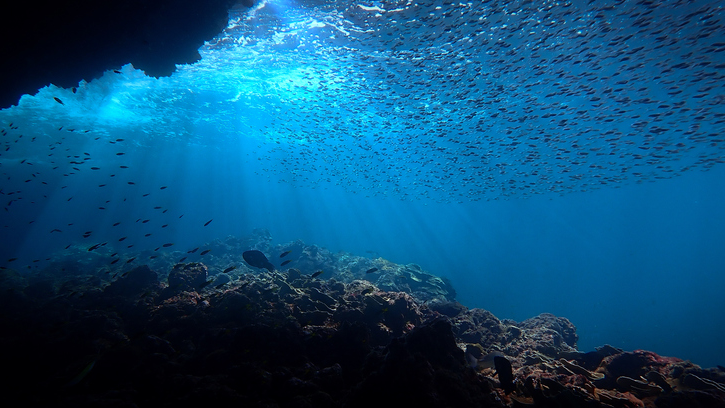
In summary, Ocean Theming serves as a vital link between nature and human creativity, transcending traditional boundaries and enhancing various aspects of our lives. Whether it’s through the calming colors in our homes or the innovative branding of businesses, the ocean’s influence is unmistakable, offering inspiration that enriches our experiences and connects us to the natural world.
Commonly Asked Questions
What are some color palettes commonly used in ocean-themed designs?
Common color palettes include shades of blue, turquoise, sandy beige, and coral tones, all evoking the essence of the ocean.
How can I incorporate ocean themes into my home décor?
You can use ocean-inspired artwork, textiles, and materials like driftwood or seashells to create a cohesive ocean theme.
What types of events work best with ocean theming?
Beach weddings, summer parties, and seafood festivals are great events where ocean theming can enhance the atmosphere.
How does ocean imagery affect consumer behavior?
Ocean imagery often evokes feelings of relaxation and tranquility, which can positively influence purchasing decisions.
What role do sustainable materials play in ocean-themed fashion?
Sustainable materials help reduce environmental impact, aligning with the ocean theme’s natural inspiration and concerns for marine conservation.