
 Eric
Eric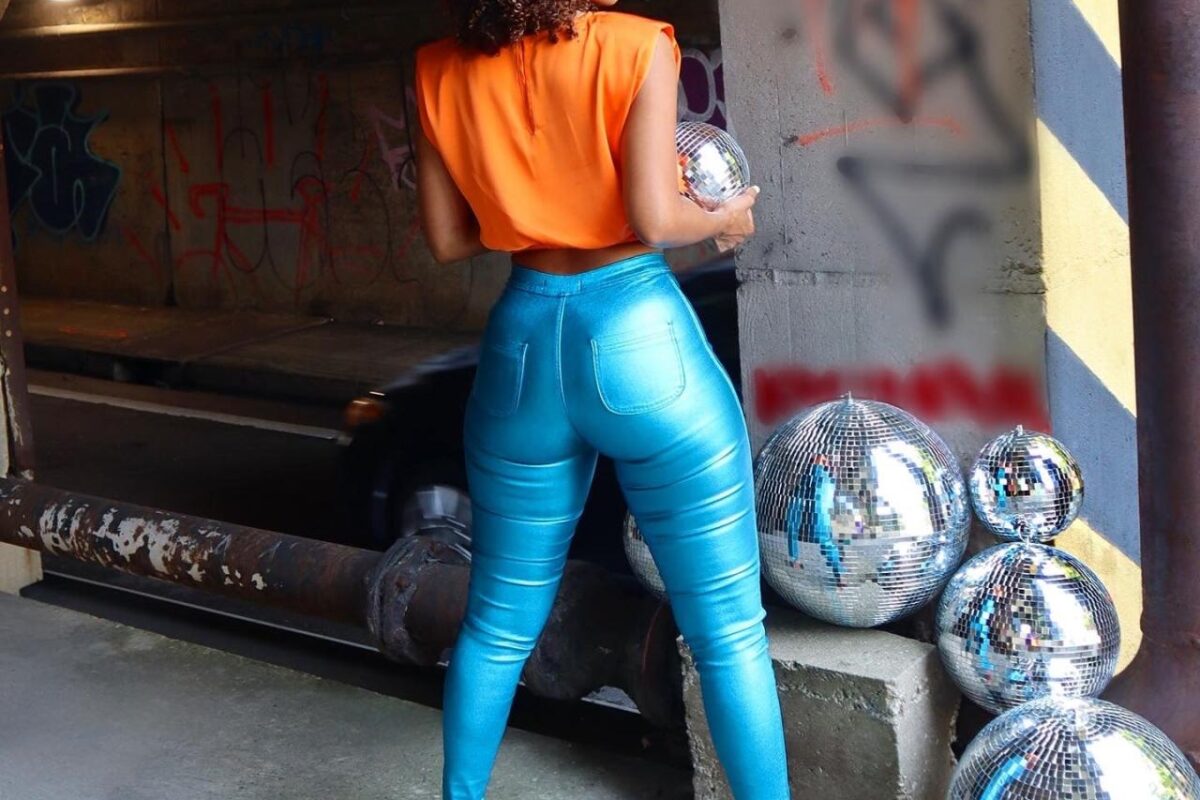
Kicking off with Metallic Disco, this genre is a vibrant fusion that brings together the electrifying energy of disco with the heavy nuances of metallic sound. Emerging in the late 1970s and peaking in the 1980s, it carved a unique niche in the music world, captivating fans with its infectious beats and bold aesthetics.
As we delve into the historical evolution, characteristics, and cultural impact of Metallic Disco, we will uncover the artists and iconic tracks that defined this genre, explore its distinctive sound, and appreciate the visual flair that accompanies its music. Get ready to groove through a captivating journey that showcases how Metallic Disco continues to influence contemporary music and dance culture.
The Historical Evolution of Metallic Disco Music
The fusion of metallic elements with disco music emerged as a unique genre that captivated audiences in the late 1970s and early 1980s. Disco itself originated from the nightlife and dance culture of urban America, characterized by its upbeat tempo, syncopated basslines, and lush orchestration. As disco evolved, so did the integration of various musical influences, notably rock and heavy metal, which gave rise to the metallic disco phenomenon. This genre not only shaped the musical landscape of its time but also reflected the cultural shifts occurring in society.
The cultural significance of metallic disco in the 1970s and 1980s lies in its ability to bridge diverse musical styles and attract a wide range of listeners. Disco clubs became spaces of liberation and expression, where individuals from various backgrounds came together to dance and celebrate. The incorporation of metallic sounds added a new texture to disco, making it more appealing to rock fans who might have previously dismissed the genre. This cross-pollination of styles is evident in notable tracks and artists who forged this genre’s path.
Influential Artists and Tracks in Metallic Disco
Several artists and tracks played a pivotal role in the evolution of metallic disco, each contributing their unique sound and style that resonated with fans. Below are some influential figures and their notable contributions.
- Chic: Known for their smooth grooves and catchy hooks, Chic’s “Good Times” laid the groundwork for later metallic interpretations, influencing bands that merged disco with rock elements.
- Bee Gees: With their falsetto harmonies and rhythmic melodies, the Bee Gees’ tracks like “Stayin’ Alive” exemplified the disco sound while inspiring rock artists to explore similar themes.
- Donna Summer: Often referred to as the “Queen of Disco,” Donna Summer’s collaboration with producer Giorgio Moroder on tracks like “I Feel Love” incorporated electronic elements that influenced the metallic disco sound.
- Kiss: The iconic rock band blended their theatrical style with disco in “I Was Made for Lovin’ You,” showcasing how rock and disco could coexist and appeal to fans of both genres.
- The Village People: Their hit “YMCA” not only became a disco anthem but also embraced a fun, campy aesthetic that resonated with audiences, further pushing the boundaries of disco’s reach.
Through these artists and their tracks, metallic disco emerged as a distinctive genre that celebrated diversity in music and culture, leaving an indelible mark on the musical landscape of the 1970s and 1980s.
Exploring the Characteristics of Metallic Disco Sound
Metallic disco is a vibrant fusion genre that combines the rhythmic grooves of traditional disco with the aggressive and polished elements of heavy metal. This innovative blend creates a distinct sound that stands out in the music landscape. By delving into the defining characteristics of metallic disco, one can appreciate its unique musical elements, instrumentation, and the crucial role of tempo and rhythm.
Defining Musical Elements of Metallic Disco
Metallic disco distinguishes itself from traditional disco through various musical elements that shape its identity. The combination of upbeat disco rhythms with heavy guitar riffs and synthesized sounds introduces a fresh dynamic. Central characteristics include:
- Guitar Presence: Electric guitars play a central role, often featuring distorted riffs and solos that add a layer of aggression absent in classic disco.
- Synthesizers: The use of synthesizers contributes to the genre’s futuristic sound, blending electronic textures with traditional disco elements.
- Vocal Styles: Vocals often reflect a more powerful and intense delivery, sometimes incorporating growls or harmonies reminiscent of metal.
Instrumentation in Metallic Disco Tracks
The instrumentation in metallic disco tracks is a defining factor that sets it apart from its disco roots. A typical metallic disco ensemble includes a diverse array of instruments that contribute to its unique sound:
- Electric Guitar: Often the cornerstone of metallic disco, providing melodic lines and heavy riffs.
- Drum Machines: A staple in disco, these machines deliver consistent, danceable beats while also allowing for intricate programming.
- Bass Guitar: The bass maintains the groove, typically featuring a punchy and rhythmic style that complements the drums.
- Synthesizers: From classic analog sounds to modern digital textures, synthesizers enhance the atmospheric quality of tracks.
- Brass and Strings: Occasionally used for added richness, these elements bring a theatrical flair to the sound.
Tempo and Rhythm in Metallic Disco
Tempo and rhythm are critical in creating the distinctive sound of metallic disco. The genre generally maintains a faster tempo than traditional disco, often ranging between 120 to 140 beats per minute. This tempo encourages an energetic atmosphere, inviting listeners to dance.
The rhythmic structure in metallic disco is characterized by:
- Syncopation: Off-beat accents create a more complex and engaging rhythmic feel, moving away from the straightforward four-on-the-floor beat of traditional disco.
- Polyrhythms: Layering different rhythmic patterns helps develop a dynamic texture, enhancing the overall listening experience.
- Breakdowns: Sections where the music drops to just rhythm or bass, often creating anticipation before the full instrumentation returns, heightening the energy of the track.
Metallic disco isn’t just a genre; it’s an exhilarating experience that merges the danceable grooves of disco with the raw power of metal.
The Visual Aesthetics of Metallic Disco Culture
The metallic disco movement is not just about the music; it’s a full sensory experience that envelops its audience in shimmering visuals and vibrant energy. Rooted in the 1970s and 1980s, this cultural phenomenon brought forth a unique blend of fashion, design, and visual displays that continue to influence contemporary aesthetics. The interplay between shimmering fabrics, eclectic accessories, and dazzling lights creates a striking atmosphere that enhances the rhythm and beats of metallic disco music.
The fashion and design elements of metallic disco culture embrace boldness and flamboyance, often featuring materials that reflect and refract light. Key components of this aesthetic include the use of metallic fabrics, sequins, and iridescent surfaces. The overall visual impact is designed to captivate and energize, ensuring that participants are not only listeners but active participants in a visually stunning environment.
Fashion and Design Elements
The fashion of metallic disco is characterized by its vibrant colors and extravagant designs, which are essential for creating an unforgettable visual experience. Each item serves not just as clothing but as a statement piece that resonates with the energetic pulse of disco music. The following points encapsulate the core elements of this eye-catching style:
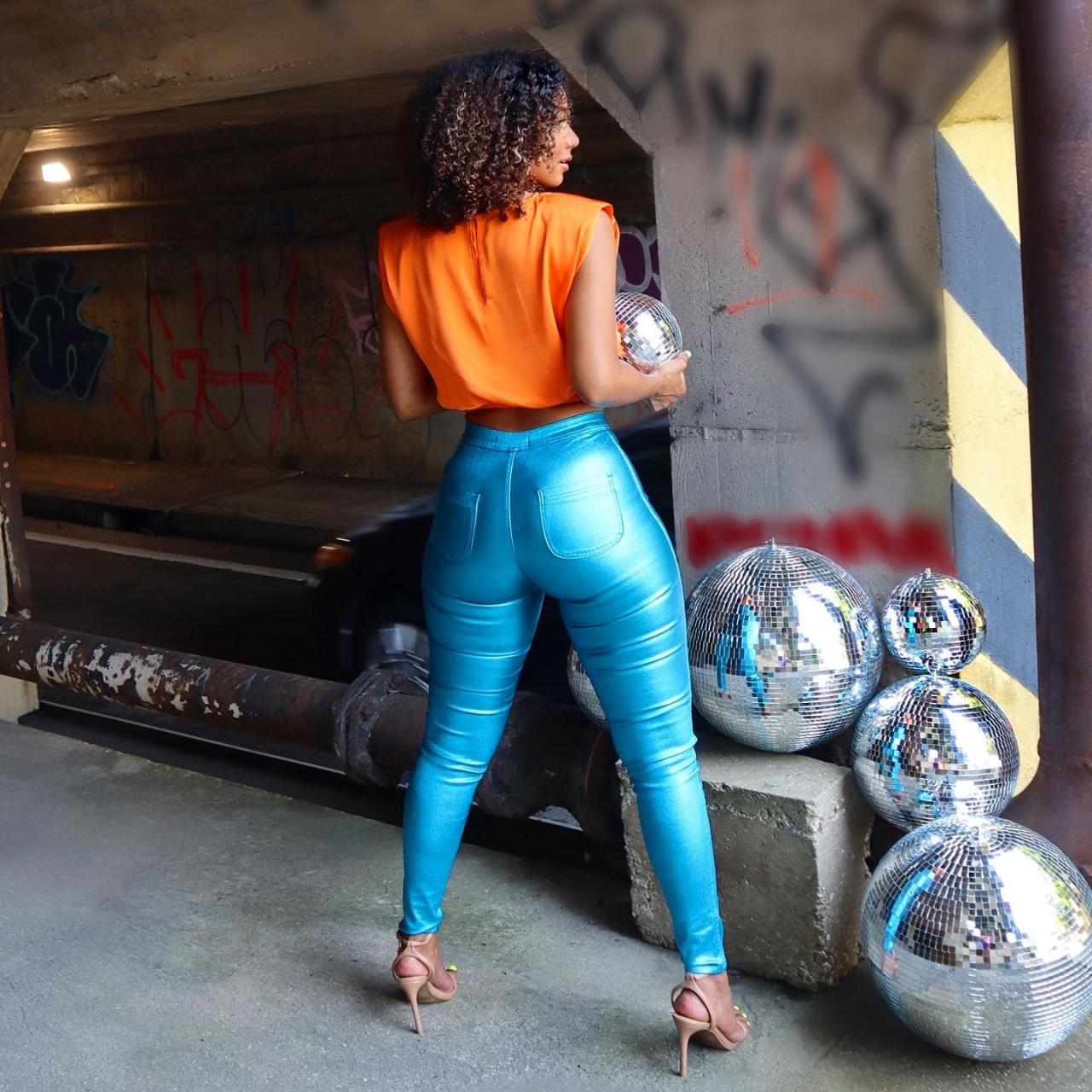
- Metallic Fabrics: Outfits made from shiny polyester, lamé, and spandex are staples of metallic disco. These materials reflect light, giving off a glimmering effect that seems to dance along with the music.
- Bold Colors: Bright neon colors and metallic tones dominate the palette, such as electric blue, hot pink, and shiny silver, enhancing the excitement of disco settings.
- Layered Textures: Combining different textures, such as sequins, feathers, and faux fur, adds depth to outfits, creating an engaging visual dynamic that entices the eye.
- Form-Fitting Silhouettes: Clothing that accentuates the body is a hallmark of the metallic disco aesthetic. Form-fitting jumpsuits, mini dresses, and tight high-waisted pants allow for freedom of movement while showcasing individual style.
Iconic Imagery
The imagery associated with metallic disco stretches beyond mere clothing; it encompasses a lifestyle filled with iconic symbols and accessories. The aesthetic transcends fashion, becoming a visual representation of the disco era’s exuberance and innovation. Notable elements include:
- Mirrored Ball: The quintessential disco ball, with its reflective surfaces, captures and disperses light throughout a space, creating a mesmerizing environment perfect for dance.
- Reflective Accessories: Sunglasses, jewelry, and belts featuring mirrored or metallic finishes enhance outfits while aligning with the overall theme of light reflection and personal flair.
- Luminous Footwear: Platform shoes with shiny finishes or LED elements are common, elevating wearers and literally shining on the dance floor, emphasizing the need to stand out.
- Light Displays: Strobing lights, colored gels, and fog machines help create an immersive experience, enhancing the visual appeal of the metallic disco phenomenon.
Enhancing the Experience of Metallic Disco Music
The visual aesthetics of metallic disco culture are instrumental in amplifying the overall experience of the music itself. The relationship between sight and sound is profound, as the dazzling visuals provide a backdrop that enhances the auditory sensations. Visual elements serve to:
- Engage the Audience: A vibrant, moving environment draws people in, making them feel part of the show and more connected to the music.
- Set the Mood: Colorful light displays and shimmering outfits help create an atmosphere that resonates with the upbeat tempo and rhythm of disco tracks.
- Encourage Self-Expression: The flamboyant nature of metallic disco fashion allows individuals to express themselves creatively, aligning their visual style with the pulsating beats of the music.
- Foster Community: Shared experiences in visually stimulating environments promote camaraderie among attendees, enhancing the sense of belonging within the disco culture.
The Impact of Metallic Disco on Contemporary Music Genres
Metallic disco, a genre that combines elements of disco with the hard-hitting aesthetics of heavy metal, has significantly influenced a range of contemporary music genres. Its unique fusion of rhythmic beats and metallic sounds has carved out a niche that resonates with modern listeners, bridging the gap between the dance floor and rock influences. This impact is particularly evident in genres such as electronic dance music (EDM), synthwave, and even some forms of pop and rock music.
The evolution of metallic disco’s sound has led to a diverse array of modern artists incorporating its elements into their work. This fusion reflects a broader trend within the music industry where boundaries between genres are increasingly blurred, creating innovative sounds that attract a wide audience.
Modern Genres Influenced by Metallic Disco
The influence of metallic disco has permeated various contemporary music genres, showcasing its versatility and appeal. The following genres exemplify this trend:
- Electronic Dance Music (EDM): Many EDM tracks incorporate the upbeat tempo and catchy hooks characteristic of disco, while adding metallic guitar riffs and synths. Artists like The Chainsmokers and Zedd have been known to integrate these elements, reflecting the danceability of disco with a modern twist.
- Synthwave: This genre, rooted in the nostalgia of the 1980s, often features heavy synths and retro beats that echo the metallic disco vibe. Artists such as Gunship and Miami Nights 1984 encapsulate this sound, merging upbeat disco aesthetics with futuristic electronic elements.
- Indie Pop: Many indie pop artists have begun to embrace metallic disco influences, creating catchy tunes that resonate with a younger audience. For instance, artists like CHVRCHES and Tame Impala incorporate bright, disco-inspired melodies layered with modern production techniques.
The fusion of these genres showcases how metallic disco’s energetic vibe and rhythmic intricacies can be adapted to fit contemporary tastes while maintaining its core essence. Its impact is also visible in how modern producers utilize sampling and layering techniques, which were prevalent in early metallic disco tracks, to create fresh, innovative sounds.
“The combination of disco’s infectious grooves with heavy metal’s intensity creates a unique sound that is both danceable and powerful.”
Contemporary Artists Incorporating Metallic Disco Elements
Many artists today have taken inspiration from metallic disco, weaving its distinct elements into their music. This has led to the emergence of exciting sounds that often defy traditional genre classifications. Key examples include:
- Chromeo: This duo blends funky disco grooves with rock and electronic elements, producing tracks that showcase the spirit of metallic disco while appealing to modern audiences.
- Death From Above 1979: Known for their energetic sound, this band effectively mixes punk rock with disco rhythms, demonstrating the genre’s influence in their music style.
- Lady Gaga: With tracks like “Stupid Love,” Gaga has incorporated disco-infused sounds, highlighting her ability to blend various influences, including metallic disco elements, into pop music.
As these examples illustrate, the fusion of genres inspired by metallic disco has evolved significantly from its original sound. Contemporary artists continue to experiment and innovate, ensuring that the legacy of metallic disco lives on in new and exciting forms.
“Metallic disco has proven that genre boundaries are meant to be crossed, leading to a vibrant and ever-evolving musical landscape.”
The Role of Metallic Disco in Dance Culture
Metallic disco has carved out a unique niche within the broader spectrum of dance culture, blending the exuberance of disco with the raw energy of metallic sounds. This fusion not only revitalizes traditional disco elements but also introduces a dynamic rhythm that inspires new dance styles and movements. From the dance floors of nightclubs to massive music festivals, metallic disco has become a significant player in the contemporary dance scene, drawing together diverse audiences united by a shared love for its vibrant beats.
The influence of metallic disco on dance styles is evident in the evolution of various movement forms. The pulsating rhythms and electrifying harmonies have led to the creation of new dance styles that incorporate elements from both disco and heavier music genres. Dancers often express themselves through a blend of classic disco moves, characterized by fluidity and grace, with more aggressive and sharp movements influenced by metal and electronic music. This hybridization results in a captivating performance style that resonates with audiences, pushing the boundaries of traditional dance forms.
Significant Dance Events Celebrating Metallic Disco
Numerous dance events and festivals have emerged to celebrate the unique vibrancy of metallic disco, showcasing both emerging and established artists. These gatherings not only highlight the music but also create a space for dance enthusiasts to come together and engage with the genre.
- One of the most notable events is the “Metallic Disco Fest,” which features a lineup of artists from both disco and electronic scenes, encouraging a collaborative environment. Attendees often participate in workshops that focus on combining traditional disco techniques with modern dance styles.
- The “Disco Inferno Night,” held at various nightclubs, is a popular local event that features metallic disco-themed dance-offs, where dancers showcase their creativity and energy in a competitive yet friendly atmosphere.
- International festivals, such as “Electric Daisy Carnival,” often include stages dedicated to metallic disco, illustrating its growing popularity and integration into the larger dance music community.
The social dynamics of dance within the context of metallic disco are rich and multifaceted. The genre fosters a sense of community, bringing together people from various backgrounds who share a passion for music and dance. On the dance floor, individuals often express their identities, forging connections with others through movement. The electrifying atmosphere encourages self-expression, where dancers feel liberated to explore their individuality.
“Dance is a universal language, and metallic disco amplifies that by blending traditions and breaking boundaries.”
This collective experience is often amplified by the communal energy generated during live performances, where the DJ or live act curates a journey through sound. As the beats drop and the lights flash, the audience transforms into a singular entity, dancing in unison and celebrating the rhythm together. This shared experience reinforces bonds among attendees, fostering friendships that extend beyond the dance floor.
Ultimately, metallic disco not only shapes individual dance movements but also cultivates a vibrant community that thrives on creativity, expression, and togetherness.
{Analyzing Lyrics in Metallic Disco Songs}
The lyrical content of Metallic Disco songs often serves as a powerful narrative tool, intertwining themes of rebellion, nostalgia, and the exploration of identity within a fantastical framework. The fusion of metallic elements with disco beats creates a unique platform for artists to convey their messages. Lyrics often reflect societal concerns or personal experiences, resonating with listeners on multiple levels.
The themes in Metallic Disco lyrics frequently revolve around the juxtaposition of light and dark, reflecting the genre’s hybrid nature. Artists utilize vivid imagery and metaphorical language to express complex emotions and concepts. Key themes include:
- Rebellion against conformity: Many songs emphasize a rejection of societal norms, celebrating individuality and freedom.
- Nostalgia: A longing for the past, often expressed through references to retro culture, creates a sense of connection and familiarity.
- Identity exploration: Lyrics often delve into questions of self, examining personal growth and transformation.
- Fantasy and escapism: The use of fantastical imagery allows listeners to escape reality and explore new possibilities.
{Comparison of Lyrical Styles among Artists}
Different artists within the Metallic Disco genre exhibit distinctive lyrical styles that contribute to the overall diversity of the music. While some may focus on abstract concepts, others approach their lyrics with a more narrative-driven style. Key differences include:
- Imagery use: Artists like XYZ often employ surrealistic visuals, creating a dream-like atmosphere, while others, such as ABC, prefer grounded, relatable themes.
- Structural complexity: Some artists craft multi-layered verses with intricate rhyme schemes, whereas others opt for straightforward, catchy choruses that enhance sing-along potential.
- Thematic focus: While certain artists concentrate on personal narratives, others may tackle broader societal issues, providing a range of perspectives within the genre.
The diversity in lyrical styles not only enriches the listening experience but also encourages listeners to engage with the music on different levels, fostering personal interpretations.
{Enhancing Narrative Through Lyrics}
The lyrics in Metallic Disco music significantly contribute to the overall narrative by creating a cohesive experience that resonates with the listener. Strong lyrical content can elevate the emotional impact of a song, making it more memorable and relatable. Elements that enhance the narrative include:
- Storytelling techniques: Many artists weave narratives that take the listener on a journey, often culminating in a powerful message or realization.
- Emotional depth: The use of evocative language and relatable themes allows listeners to connect personally with the music, evoking feelings of joy, sadness, or empowerment.
- Sound and rhythm synchronization: Lyrics often complement the rhythmic structure of the music, reinforcing the energy and emotion conveyed through the melody.
“Lyrics are not just words; they are the soul of the music, breathing life into the beats and melodies.”
The interplay between lyrics and music in the Metallic Disco genre exemplifies how effective songwriting can transform a simple track into a profound artistic statement, engaging listeners in a vibrant dance of sound and meaning.
The Reception of Metallic Disco in Different Cultures
Metallic disco, a unique fusion of heavy metal and disco, has carved out a niche in the global music landscape. Its reception varies significantly across different cultures, resulting in a fascinating tapestry of acceptance, adaptation, and sometimes, rejection. This genre, characterized by its energetic beats and powerful guitar riffs, resonates with diverse audiences, leading to interesting cultural dialogues surrounding its incorporation into local music traditions.
One of the most notable aspects of metallic disco’s reception is how various cultures have embraced or reinterpreted the genre. In the United States and parts of Europe, it has found a welcoming audience among fans of both heavy metal and disco, often celebrated at music festivals where eclectic genres merge. For example, the annual “Disco Metal Festival” in Germany showcases bands that incorporate elements of disco into their heavy metal sound, attracting fans from various genres.
Global Adoption by Artists and Movements
The blending of metallic disco with local music traditions has been a critical factor driving its global appeal. Several artists and movements have adopted this genre, reflecting their unique cultural backgrounds while pushing the boundaries of musical expression.
In Brazil, the fusion of samba rhythms with metallic disco has led to the emergence of bands that fuse traditional percussion instruments with electric guitars, creating a vibrant sound that resonates with local audiences. For instance, the band “Samba Metal” has successfully integrated samba beats with heavy metal, reviving interest in both genres among younger listeners.
Similarly, in Japan, the rise of “Visual Kei” bands has showcased how metallic disco influences can be incorporated into the rich tapestry of J-Rock. Bands like “Gackt” have experimented with disco-infused tracks that maintain the flamboyant aesthetic of Visual Kei while introducing heavier sounds. This fusion not only attracts fans of both genres but also sparks dialogue around identity and cultural expression in contemporary Japan.
“The beauty of metallic disco lies in its ability to transcend cultural boundaries, allowing artists to explore and express their musical heritage.”
The cultural dialogues that emerge from this fusion are often rich and complex. For instance, in the Philippines, artists have blended metallic disco with traditional folk music, resulting in a unique sound that celebrates national identity while appealing to modern sensibilities. This cultural exchange not only revitalizes interest in traditional music but also encourages younger generations to connect with their roots through contemporary genres.
In conclusion, the reception of metallic disco across various cultures illustrates the dynamic interplay between traditional and modern musical expressions. As this genre continues to evolve, it fosters global connections, encouraging dialogue and collaboration among artists from different backgrounds.
Future Trends and Directions for Metallic Disco Music
As the metallic disco genre continues to evolve, it is essential to identify emerging artists and trends that are shaping its future. This hybrid style, which combines the rhythmic elements of disco with the aggressive tones of metal, is attracting a fresh wave of musicians and fans looking for something unique. Technology is also playing a significant role in how metallic disco is produced and consumed, setting the stage for exciting developments in the coming years.
Emerging Artists and Trends in Metallic Disco
The landscape of metallic disco is witnessing the rise of innovative artists who blend genres in unexpected ways. These musicians are not only pushing the boundaries of sound but are also appealing to diverse audiences. Some notable artists making waves include:
- Dead Disco: Known for their energetic performances and catchy hooks, they fuse classic disco beats with heavy guitar riffs, creating an infectious sound.
- Neon Metal: This group combines synthwave aesthetics with metal instrumentation, often featuring retro-futuristic visuals that enhance their musical experience.
- Funky Iron: With a unique approach to song structures, they infuse funk elements into their metallic compositions, resulting in a danceable yet heavy sound.
These emerging talents are at the forefront of a growing trend that emphasizes crossover appeal, making metallic disco more accessible to fans of both genres.
Impact of Technology on Metallic Disco Music Production
Advancements in technology are revolutionizing music production across all genres, and metallic disco is no exception. The integration of digital audio workstations (DAWs), virtual instruments, and production software allows artists to experiment with sound in unprecedented ways. Here are some technological influences shaping the future of metallic disco:
- AI-driven composition: Artificial intelligence is assisting musicians in generating unique melodies and rhythms, expanding creative possibilities and streamlining the songwriting process.
- Virtual reality performances: Artists are beginning to explore VR as a medium for live shows, offering audiences immersive experiences that blend visual and auditory stimulation.
- Collaborative platforms: Online tools enabling real-time collaboration among musicians globally are fostering a more interconnected music scene, leading to innovative collaborations across genres.
The use of such technologies is not only enhancing production quality but also expanding the ways in which fans interact with the music.
Vision for the Evolution of Metallic Disco in the Next Decade
Looking ahead, the metallic disco genre is poised for significant evolution over the next decade. With a growing global audience and technological advancements, several key developments can be anticipated:
- Cultural fusion: As world music influences become more prominent, metallic disco may incorporate elements from diverse musical traditions, creating a rich tapestry of sounds.
- Environmental themes: Artists may increasingly address social and environmental issues through their music, blending emotional depth with metal’s intensity and disco’s danceability.
- Increased collaboration across genres: The blending of styles is likely to continue, with artists experimenting with hip-hop, EDM, and even classical influences, leading to an even broader appeal.
The evolution of metallic disco will reflect broader cultural shifts and technological innovations, creating a dynamic and ever-changing musical landscape.
Concluding Remarks
In summary, Metallic Disco stands as a dynamic testament to the innovative spirit of music evolution, blending genres and breaking barriers. This genre not only left an indelible mark on the music scene of its time but continues to inspire artists and dancers alike today. As we anticipate its future, the possibilities for Metallic Disco are as endless as its beats, inviting us all to keep dancing to its rhythm.
Questions Often Asked
What is Metallic Disco?
Metallic Disco is a genre that fuses traditional disco with metal influences, creating a unique sound characterized by heavy beats and vibrant melodies.
Who are some key artists in Metallic Disco?
Notable artists include Donna Summer, Bee Gees, and modern acts like Lady Gaga, who incorporate metallic elements into their music.
How does Metallic Disco influence dance culture?
The genre has inspired various dance styles and movements, leading to events and festivals that celebrate its energetic rhythms.
What are common themes in Metallic Disco lyrics?
Lyrics often explore themes of love, liberation, and the nightlife experience, reflecting the vibrant culture of disco and its metallic twist.
Is Metallic Disco popular in today’s music scene?
Yes, many contemporary artists draw inspiration from Metallic Disco, keeping its spirit alive and evolving in modern music.