
 Eric
Eric
Have a great one is more than just a casual farewell; it’s a universal sentiment that resonates across cultures and languages, embodying warmth and goodwill. This simple phrase has the power to brighten someone’s day, making it a staple in our daily interactions. As we dive into the significance of this expression, we’ll explore how it varies across different cultures, the impact of positive language, and the nuances of informal greetings in professional settings.
From the comforting familiarity of saying goodbye to a friend to the professional tact of engaging with a colleague, the phrase “Have a great one” encapsulates a spirit of positivity. We will unravel its psychological effects, creative alternatives, and its role in customer service, revealing how a few kind words can bridge gaps in communication and create lasting connections.
The Phrase “Have a Great One” in Various Cultures
In many cultures, expressions of goodwill and positivity are essential components of daily interactions. One such phrase that resonates broadly is “Have a great one.” While commonly used in English-speaking countries, similar expressions abound in other languages and cultures, each carrying its own significance and nuances.
The phrase “Have a great one” embodies a sentiment of encouragement and positivity that can be found across the globe. Many cultures have their unique ways of conveying similar messages, reflecting their values and social customs. Understanding these phrases not only highlights the beauty of linguistic diversity but also reveals the shared human desire for connection and well-being.
Global Variations of Well-Wishing Phrases
Expressions of goodwill are often used as parting words or greetings, promoting a sense of solidarity and warmth among people. Below are some notable examples from different cultures:
- Spanish: “Que tengas un buen día” translates to “Have a good day.” This phrase is used frequently in Latin America and Spain, reflecting the warm and friendly nature of Hispanic cultures.
- French: “Passe une bonne journée” means “Have a good day.” The French often use this phrase to wish others well, emphasizing the importance of enjoying life’s moments.
- Japanese: “良い一日を” (Yoi ichinichi o) translates to “Have a good day.” In Japan, using such phrases showcases respect and consideration for others, a hallmark of Japanese etiquette.
- Russian: “Хорошего дня” (Khoroshego dnya) means “Have a good day.” This phrase reflects the Russian spirit of camaraderie, often exchanged among friends and acquaintances.
- Swahili: “Uwe na siku njema” translates to “Have a good day.” This phrase is common in East Africa, symbolizing community and shared joy across diverse cultures.
“Expressions of goodwill not only strengthen bonds but also convey the essence of kindness that transcends borders.”
These phrases, though linguistically distinct, carry underlying themes of positivity, well-wishing, and the desire for happiness. They serve as reminders of the commonality of human experience across different cultures, fostering a sense of global unity through the simple act of wishing each other well. The use of such encouraging phrases enriches social interactions, acting as a bridge that connects people, no matter where they come from or which language they speak.
The Impact of Positive Language in Daily Interactions

In our daily lives, the language we choose to use can significantly shape our interactions and relationships. Positive language, such as the phrase “Have a great one,” has the ability to uplift spirits, foster goodwill, and create a sense of connection between individuals. This seemingly simple expression encapsulates a sentiment of care and encouragement, influencing not just how we communicate but also how we relate to one another. By adopting a positive linguistic approach, we can enhance our social dynamics, making our interactions more meaningful and enjoyable.
Positive language can alter the mood of a conversation and impact the emotional climate of our interactions. When individuals use uplifting phrases, they not only convey optimism but also create an environment where others feel valued and appreciated. For example, consider a scenario in a workplace setting. A manager who regularly encourages their team with affirmations like “Keep up the great work” or “I appreciate your efforts” fosters a culture of recognition. This not only boosts morale but also enhances productivity and job satisfaction. Employees who feel acknowledged tend to be more engaged and motivated, understanding that their contributions are noticed and valued.
In another scenario, a simple farewell wishing someone to “Have a great one” at a coffee shop can brighten a customer’s day, leading to a feeling of warmth and connection with the staff. This small gesture can turn a mundane transaction into a positive experience, encouraging repeat business. Moreover, positive language can be especially impactful in challenging situations. For instance, during a conflict resolution process, using phrases that emphasize understanding and collaboration, such as “I appreciate your perspective,” can de-escalate tension and promote constructive dialogue.
The benefits of positive language extend beyond immediate interactions; they can foster long-term relationships built on trust and mutual respect. Individuals who consistently use encouraging language have a higher likelihood of creating strong networks, both personally and professionally. Thus, integrating positive language into daily interactions is not merely a nicety; it is a powerful tool for enhancing relationships and creating a supportive community.
The Use of Informal Greetings in Professional Settings
In today’s fast-paced work environment, informal greetings are increasingly making their way into professional communications. This trend reflects a shift towards more approachable and relatable workplace interactions, where both employees and clients are looking for a connection beyond formalities. Understanding how to effectively use these informal phrases can enhance relationships and improve communication dynamics within an organization.
The effective use of informal greetings in professional communications can foster a friendly yet respectful atmosphere. Phrases like “Hey team,” “Hi everyone,” or “Good morning, folks!” break the ice and can make recipients feel more at ease. Such greetings can signal that the sender values a more personal rapport rather than just a transactional relationship. It’s important to note, however, that the context in which these informal greetings are used matters significantly. For instance, addressing a team on a casual Friday might warrant a more relaxed greeting than an email sent to a senior executive or a formal client meeting. Striking the right balance between professionalism and friendliness leads to more productive interactions and can help cultivate a positive workplace culture.
Balancing Professionalism and Friendliness
Finding the right balance between professionalism and friendliness is key to effective communication. This balance can be nuanced, and it requires an understanding of the audience and setting. Here are some aspects to consider when utilizing informal greetings:
1. Know Your Audience: Tailoring your greeting to the specific audience can significantly impact how your message is received. Familiarity levels, company culture, and industry norms all play a role in determining the appropriateness of informal language.
2. Evaluate the Context: The nature of the message and its purpose should guide your choice of greeting. For example, a project update email may allow for a more casual tone, whereas a performance review conversation calls for a degree of formality.
3. Maintain Respect: Regardless of how casual the greeting may be, it is vital to ensure that respect is always maintained. This can be achieved through the tone of the message and the choice of words, ensuring that no one feels belittled or undervalued.
4. Consistency with Company Culture: Aligning your communication style with your organization’s culture helps in establishing a coherent brand voice. If the company encourages informal interactions, it’s essential to adjust your approach accordingly while still upholding professional standards.
By integrating informal greetings thoughtfully and strategically, professionals can create a more inviting and collaborative workspace that enhances overall communication effectiveness.
The Psychology Behind Positive Farewells
Saying goodbye can often evoke a mixture of emotions, ranging from sadness to relief. Understanding the psychology behind positive farewells sheds light on their significant impact on both individuals involved in the parting. Positive farewells not only help in leaving a lasting impression but also play a crucial role in the emotional processing of changes in relationships or situations. They can be a powerful tool for fostering emotional well-being and resilience.
Emotional Impact of Positive Farewells
The act of saying farewell positively can significantly influence the emotional state of both parties. When goodbyes are framed in a positive light, they serve as a closure mechanism that allows individuals to process their feelings more effectively. This psychological phenomenon can be understood through several aspects.
Firstly, positive farewells can promote feelings of gratitude and appreciation. By acknowledging the good times and expressing well-wishes for the future, individuals often leave conversations feeling more connected, even as they part ways. This practice can enhance feelings of belonging and reduce feelings of isolation, which is essential for emotional health.
Secondly, the practice of expressing positive sentiments during farewells can alleviate anxiety and fear associated with change. For example, students graduating from high school often experience a mix of excitement and apprehension. By focusing on the positive aspects of their past experiences and future opportunities, they can transition more smoothly into the next phase of their lives, reducing the stress that accompanies such significant life changes.
Moreover, positive farewells also have a ripple effect on interpersonal relationships. They can strengthen bonds and create a lasting sense of goodwill, fostering an environment where individuals feel valued and respected. This is particularly important in the workplace, where constructive farewells can enhance team dynamics and support ongoing collaboration, even after individuals move on to different roles.
In summary, the psychology behind positive farewells is deeply intertwined with emotional well-being. By framing goodbyes positively, individuals can experience enhanced feelings of gratitude, reduced anxiety about change, and stronger interpersonal connections, making farewells a meaningful aspect of human interaction.
Creative Alternatives to “Have a Great One”
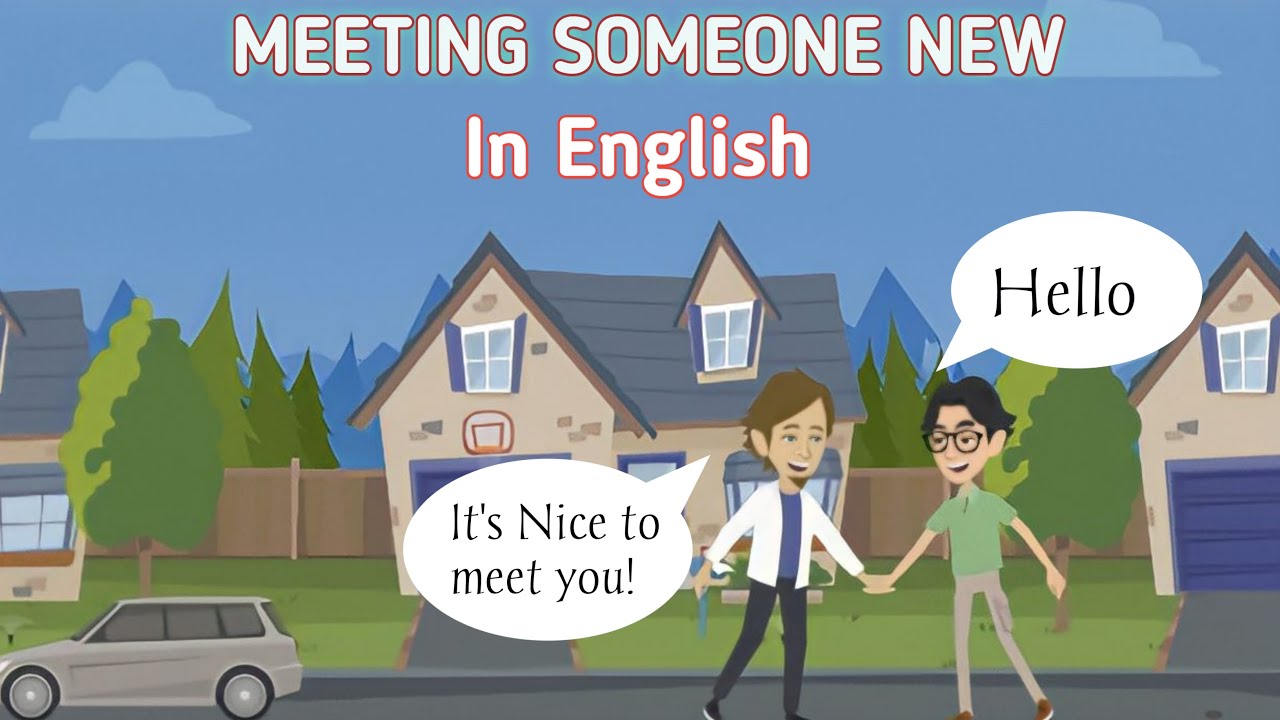
In various social and professional settings, expressing well-wishes can enhance relationships and create a positive atmosphere. While “Have a great one” is a friendly and casual way to send someone off, there are numerous alternatives that can convey similar sentiments while also being tailored to specific contexts. This discussion explores creative phrases to consider, ensuring your farewells resonate appropriately with the situation.
Contextual Alternatives for Well-Wishing
Selecting the right farewell can depend on the situation at hand, whether it’s a casual encounter, a professional setting, or a more personal interaction. Below are alternatives categorized by context, providing you with options that suit different scenarios.
- Casual Settings:
In friendly environments, light-hearted phrases can keep the mood upbeat:- “Catch you later!” – A relaxed way to say goodbye without formality.
- “Have a good one!” – A slight variation that retains the original sentiment.
- “Take it easy!” – Encourages a laid-back attitude.
- Professional Environments:
In work settings, a more polished approach might be appropriate:- “Wishing you a productive day!” – Encourages positive outcomes in a work context.
- “All the best with your tasks!” – A supportive phrase that shows understanding of their workload.
- “Looking forward to our next meeting!” – Indicates anticipation and enthusiasm for future collaboration.
- Personal Interactions:
For friends or family, more heartfelt messages can make a significant impact:- “Sending you good vibes!” – A modern, upbeat way to wish someone well.
- “Hope your day is as amazing as you are!” – Personalizes the farewell with compliments.
- “Enjoy every moment!” – Encourages them to savor their experience.
Choosing the right farewell can enhance the warmth of your interaction.
These expressions not only add variety to your conversations but also deepen the connection by showing thoughtfulness tailored to the moment. Use them freely to create a more engaging dialogue!
The Role of Positive Language in Customer Service
The use of positive language in customer service is crucial for creating an engaging and enjoyable experience for customers. Phrases that carry an uplifting tone, such as “Have a great one,” foster a sense of warmth and connection between service representatives and customers. This kind of communication not only improves customer satisfaction but also enhances brand loyalty, as clients feel valued and appreciated. Positive language can transform mundane interactions into memorable experiences, setting a business apart in a competitive marketplace.
The impact of positive language extends far beyond mere words. Effective communication in customer service can significantly influence customer perceptions and behaviors. When a customer feels genuinely cared for, they are more likely to return and recommend the service to others. Below are examples of effective communication strategies that utilize positive language:
Examples of Effective Communication in Customer Service
Using positive language in customer service can manifest in various scenarios, creating an optimistic atmosphere that encourages engagement and satisfaction. Here are some examples illustrating this concept:
-
“Thank you for reaching out to us! We appreciate your patience while we resolve this issue for you.”
This phrase acknowledges the customer’s effort in contacting support and conveys appreciation, which can soothe frustration.
-
“I’m happy to help you with that! Let’s see what we can do to make this right.”
By expressing happiness to assist, representatives can foster a collaborative spirit, making customers feel supported.
-
“Great choice! This product is one of our best-sellers, and I think you’ll really enjoy it.”
Highlighting the positive attributes of a product not only reinforces the customer’s decision but also builds excitement about their purchase.
-
“I understand where you’re coming from, and I’m here to help. Let’s find the best solution together.”
This shows empathy and a commitment to resolving the customer’s concern, enhancing trust and rapport.
Through these examples, it’s evident that positive language serves as a powerful tool in customer service. It helps create a pleasant interaction that can significantly improve customer satisfaction and loyalty, ultimately leading to better business outcomes. By training staff to incorporate uplifting phrases and a positive tone, organizations can elevate their customer service and create lasting positive impressions.
Exploring the Evolution of Common Farewells
The evolution of common farewells in the English language reflects not just the linguistic shifts but also the cultural changes over the centuries. Informal farewells serve as an essential aspect of communication, encapsulating sentiments of parting, hope, and camaraderie. As society evolves, so do the expressions we use to bid farewell, with each era contributing its unique flavor to these phrases.
The historical development of informal farewells can be traced back to the early forms of the English language, where simple phrases like “fare thee well” were common. This phrase, dating back to the Middle Ages, was imbued with a sense of formality and earnestness. Over time, as the English language evolved through the Renaissance into the modern era, farewells began to adopt a more casual tone. The 19th century saw the introduction of phrases such as “take care” and “see you later,” which conveyed a more personal touch compared to their predecessors.
Key changes in usage over the decades highlight the shift in social norms and communication styles. The post-World War II era brought about significant shifts in informal communication, with phrases like “catch you later” and “peace out” emerging in the context of a more relaxed social environment. By the late 20th century, the rise of technology and digital communication introduced a new set of informal farewells, such as “TTYL” (talk to you later) and “BRB” (be right back), reflecting the fast-paced nature of modern communication.
The informal farewell has transformed significantly, encapsulating various dimensions of social interaction. For instance, the casualness of “bye” or “later” emphasizes immediacy and familiarity, often used among friends and peers. In contrast, terminations like “take it easy” or “see you around” evoke warmth and casual sentiments. Today, farewells continue to evolve, influenced by social media and global communication, introducing phrases like “stay safe” or “stay tuned,” which reflect contemporary concerns and expectations.
Through these changes, we can see that farewells are not merely words; they are reflections of our evolving social landscapes, capturing the essence of human connection across time.
The Art of Personalizing Goodbyes
Personalizing goodbyes is a meaningful way to leave a lasting impact on those we interact with. A farewell is not just the end of a conversation; it’s an opportunity to express gratitude, share memories, and convey a sense of closure. Each individual and scenario warrants a unique approach to ensure the goodbye resonates with the recipient. Context plays a vital role in how we choose our phrases and gestures, making it essential to tailor them suitably for the situation at hand.
Understanding the context around a farewell can enhance the emotional connection and the significance of the moment. Different individuals, such as close friends, colleagues, or family members, will respond more positively to personalized goodbyes that reflect the nature of the relationship. For instance, a light-hearted farewell may be fitting among friends, while a more formal yet heartfelt approach may be appropriate for a workplace scenario. Here are some considerations for personalizing your goodbyes effectively:
Key Considerations for Personalizing Goodbyes
When crafting a farewell, consider the following factors that enhance the personal touch:
- Relationship Depth: Tailor your goodbye based on your relationship with the person. A close friend may appreciate humor, while a mentor might prefer a more respectful tone.
- Occasion: The event surrounding the goodbye matters. A farewell at a retirement party could call for a nostalgic reflection on shared experiences, whereas a casual goodbye during a break may be more relaxed.
- Emotional State: Gauge the emotional climate. If someone is moving away or leaving a job, a supportive, encouraging farewell can be uplifting and comforting.
- Shared Memories: Reference specific memories that highlight the bond you share. This shows thoughtfulness and acknowledges the time spent together.
- Future Connections: Express hope for future interactions. Phrases like “Let’s keep in touch” or “I look forward to our next adventure” can keep the connection alive.
“A personalized goodbye is not just an end; it’s a bridge to future interactions.”
Incorporating these elements can make your farewells memorable and impactful. By acknowledging the unique context of each relationship and situation, the goodbye becomes a cherished memory rather than a mere formality.
Final Conclusion
In conclusion, saying “Have a great one” is not just about parting ways; it’s about leaving an impression that lingers. The power of positive language can transform interactions, deepen relationships, and enhance experiences, both personally and professionally. By embracing this sentiment and its many forms, we can foster a culture of kindness and optimism that resonates far beyond the words themselves.
General Inquiries
Why is “Have a great one” so popular?
Its simplicity and positive connotation make it an appealing choice for casual farewells.
Can “Have a great one” be used in formal settings?
Yes, it can be appropriate in less formal professional contexts, balancing warmth with professionalism.
What are some similar phrases to “Have a great one”?
Expressions like “Take care” and “Enjoy your day” convey similar sentiments of goodwill.
Does using positive language really affect interactions?
Absolutely, positive language can boost morale and improve relationships by fostering an uplifting atmosphere.
Are there cultural variations of this phrase?
Yes, many cultures have their own expressions that carry a similar meaning and intent.