
 Eric
Eric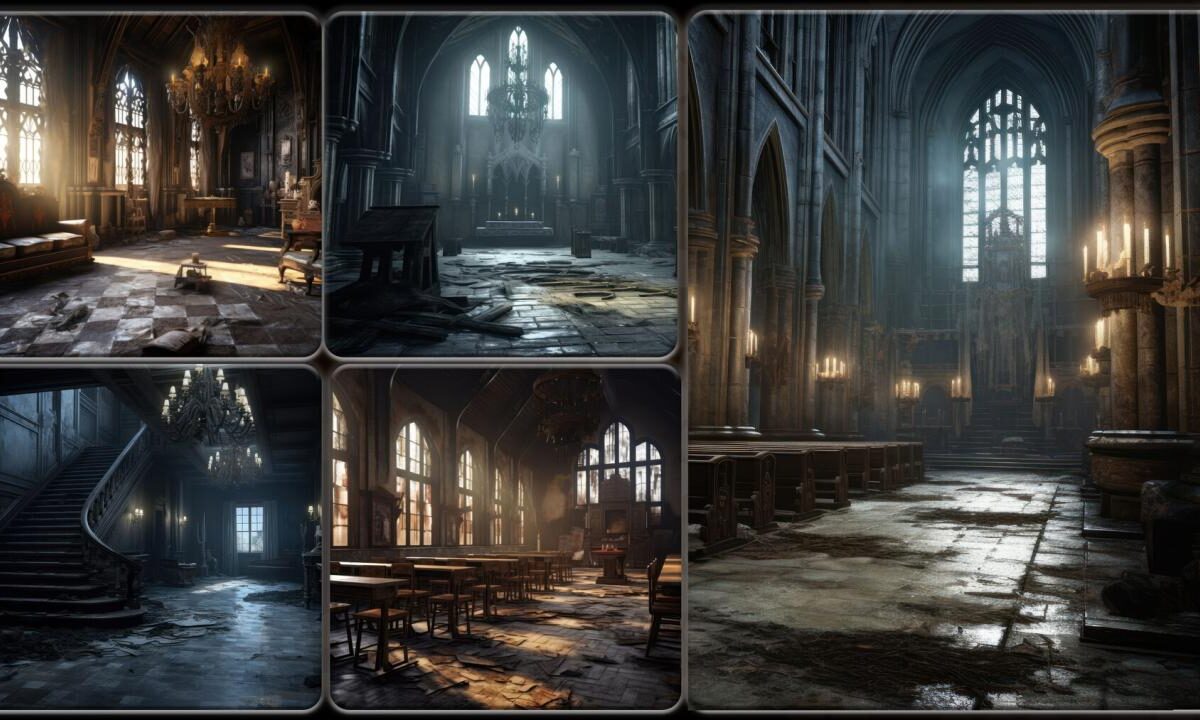
Gothic Horror, a captivating genre rich with eerie atmospheres and psychological depth, invites readers into realms where the uncanny intertwines with the human experience. Originating from the shadows of earlier literary movements, it thrives on themes of isolation, madness, and the supernatural, often reflecting the cultural anxieties of its time. As the Romantic era flourished, Gothic literature emerged as a powerful vehicle for exploring the darker aspects of human nature and societal change, crafting stories that linger long after the last page is turned.
This genre has evolved significantly from its historical roots, drawing upon the tumultuous events of the 18th and 19th centuries. Iconic works and authors have shaped its landscape, contributing unique styles that resonate with audiences today. In this exploration, we will delve into the defining themes, motifs, and psychological elements that characterize Gothic Horror, alongside its influence on modern media and popular culture.
Gothic Horror’s Historical Origins and Influences
Gothic horror, a captivating genre that intertwines the eerie with the sublime, has its roots deeply embedded in the literary movements of the 18th century. Emerging from the romantic sensibilities of the time, it draws heavily on earlier narratives that explored the darker facets of human experience. The genre is characterized by its unique blend of supernatural elements, psychological depth, and the exploration of human fears and desires.
The origins of Gothic horror can be traced back to the late 1700s, with Horace Walpole’s “The Castle of Otranto” often cited as its inaugural work. This novel set the stage for a new literary style, embracing themes of terror, the supernatural, and a complex interplay between light and dark. Walpole’s work, alongside others like Ann Radcliffe and Matthew Lewis, ushered in a fascination with medieval settings, haunted castles, and the sublime landscapes that would become hallmarks of the genre. These stories often reflected societal anxieties surrounding the Enlightenment’s emphasis on reason, contrasting the rational with the irrational, and ultimately illuminating the darkness of the human psyche.
Impact of the Romantic Era on Gothic Literature
The Romantic era, spanning the late 18th to mid-19th centuries, significantly influenced Gothic literature, infusing it with emotional depth and philosophical questions about existence. This period prioritized individual experience and emotion, paving the way for Gothic themes. Writers embraced a fascination with nature’s beauty and terror, often depicting landscapes as reflections of characters’ inner turmoil. For example, the works of Mary Shelley, particularly “Frankenstein,” encapsulate the Romantic spirit while exploring the morality of creation and the monstrosity within humanity.
Societal changes during the 18th and 19th centuries also shaped the evolution of Gothic horror. The Industrial Revolution introduced economic and social upheaval, leading to a growing sense of alienation and fear. As urban environments expanded, the contrast between progress and decay became a prominent theme in Gothic narratives. Writers began to explore the psychological ramifications of modernity, emphasizing isolation and existential dread. The trope of the haunted house evolved, symbolizing not just physical decay but also the moral corruption and anxieties of a rapidly changing society.
The intricate layering of these themes establishes Gothic horror not merely as a genre of fright but as a reflection of societal fears and the complexities of human emotion, making it a timeless exploration of darkness in all its forms.
Iconic Works and Authors of Gothic Horror
Gothic horror is a genre steeped in mystery, fear, and the exploration of the human psyche. Its iconic works and authors have not only shaped the genre but also reflected the cultural anxieties and societal fears of their respective eras. This segment delves into three seminal works that exemplify the essence of Gothic horror and the key authors whose unique styles and themes have left an indelible mark on literature.
Seminal Works in Gothic Horror
The following works are critical to understanding the evolution of Gothic literature. Each of these pieces highlights different aspects of the genre while addressing the fears and concerns of their times.
- Frankenstein by Mary Shelley – Published in 1818, this novel is often considered the first true science fiction work. It explores themes of creation, responsibility, and the consequences of playing God, reflecting anxieties surrounding the Industrial Revolution and the relationship between humanity and technology.
- Dracula by Bram Stoker – Released in 1897, this iconic tale of the vampire Count Dracula is layered with themes of sexuality, immigration, and the fear of the ‘other.’ It mirrors Victorian concerns about social norms and the encroachment of foreign influences, making it a reflection of its time.
- The Haunting of Hill House by Shirley Jackson – This 1959 novel is a modern classic that delves into psychological horror and the complexities of human relationships. Jackson’s work sheds light on the anxieties of post-war America, particularly concerning mental illness and the nature of fear itself.
Key Authors of Gothic Literature
Several authors have significantly influenced the Gothic horror genre through their distinct styles and thematic focus. Their contributions have shaped the way fear and the supernatural are portrayed in literature.
- Edgar Allan Poe – Known for his dark and macabre tales, Poe’s works often explore the themes of death, decay, and madness. His mastery of the short story format and use of unreliable narrators create a sense of unease and dread, exemplified in stories like “The Tell-Tale Heart.”
- Emily Brontë – With her novel “Wuthering Heights,” Brontë defied the conventions of her time by creating a complex narrative filled with raw emotion, gothic settings, and themes of obsession and revenge. Her portrayal of the wild moors reflects the tumultuous inner lives of her characters.
- H.P. Lovecraft – A pivotal figure in the evolution of cosmic horror, Lovecraft’s stories often depict an incomprehensible universe filled with ancient, malevolent entities. His unique blend of existential dread and the supernatural speaks to the anxieties of the early 20th century, especially during the rise of modern science and skepticism.
Cultural Anxieties Reflected in Gothic Works
The cultural contexts of Gothic horror works often mirror the fears and dilemmas faced by society at large. The interplay between the supernatural and the real serves as a lens through which the anxieties of different periods can be examined.
- The fear of technological advancement in the early 19th century is strikingly evident in Mary Shelley’s “Frankenstein,” where the consequences of unchecked ambition lead to catastrophic outcomes.
- Bram Stoker’s “Dracula” encapsulates fears surrounding sexuality and immigration during the Victorian era, depicting the vampire as both a seductive figure and a threat to societal norms.
- Shirley Jackson’s exploration of mental health in “The Haunting of Hill House” reflects the post-war society grappling with psychological trauma and the complexities of personal and communal identities.
Gothic horror serves not only as a source of entertainment but also as a profound commentary on the human condition, illuminating the fears that transcend time and culture.
Common Themes and Motifs in Gothic Horror
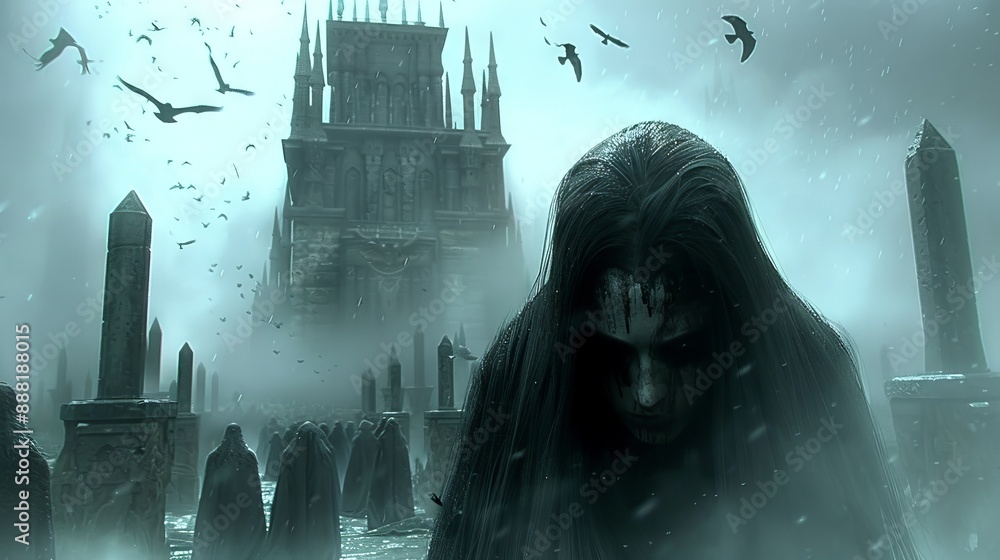
Gothic horror is a genre that delves into the darkest corners of the human psyche and the macabre aspects of existence. Its themes and motifs are not just present for shock value; they serve to explore complex emotions, societal issues, and existential dread. By weaving together elements of fear, isolation, and the supernatural, Gothic literature creates a rich tapestry that captivates readers and evokes a sense of unease. This genre, steeped in atmosphere and intrigue, invites audiences to confront their deepest fears and anxieties through its recurring themes.
One of the most prominent themes in Gothic horror is the idea of isolation. Characters often find themselves cut off from society, whether physically or emotionally. This isolation can amplify their sense of dread and vulnerability. In Mary Shelley’s “Frankenstein,” Victor Frankenstein’s self-imposed isolation leads to his tragic downfall, as he becomes consumed by his obsession with creating life. Similarly, in Charlotte Perkins Gilman’s “The Yellow Wallpaper,” the protagonist’s confinement in a room reflects her struggle against societal norms and her descent into madness.
Another recurring theme is madness, frequently portrayed through the deterioration of the mind under extreme circumstances. This theme often explores the thin line between sanity and insanity, as characters grapple with their fears. Edgar Allan Poe’s “The Tell-Tale Heart” showcases an unreliable narrator whose descent into madness is triggered by guilt and paranoia, ultimately leading to his confession of murder. The theme of madness not only heightens tension but also invites readers to ponder the fragility of the human mind.
The supernatural is a central motif in Gothic horror, encompassing ghosts, monsters, and otherworldly phenomena. This element serves as a reflection of the characters’ inner turmoil and societal fears. Bram Stoker’s “Dracula” exemplifies this motif, using Count Dracula as a symbol of both foreignness and the unknown, which incites fear among the characters and readers alike. The supernatural often acts as a catalyst for characters to confront their deepest fears, making it a crucial aspect of the genre.
A final significant theme is the exploration of forbidden knowledge and its consequences. This theme often ties back to the quest for power and the inherent dangers of pursuing it. In “Frankenstein,” Victor’s relentless pursuit of knowledge results in catastrophic consequences, emphasizing the moral implications of scientific exploration. Similarly, in H.P. Lovecraft’s works, the pursuit of cosmic knowledge often leads to madness and despair, illustrating the dangers of overstepping human boundaries.
Comparison of Motifs Across Various Works
The motifs of isolation, madness, and the supernatural are common threads that weave through numerous Gothic horror narratives. Understanding how these motifs manifest allows for a deeper appreciation of their thematic significance. Below is a comparison of these motifs across several notable works:
- Isolation:
- In “Wuthering Heights” by Emily Brontë, the moorland setting creates a physical and emotional isolation that shapes the characters’ turbulent relationships.
- In “The Haunting of Hill House” by Shirley Jackson, the isolation of the characters in the eerie mansion leads to heightened tensions and psychological unraveling.
- Madness:
- In “The Yellow Wallpaper,” the protagonist’s confinement drives her to madness, highlighting the effects of oppressive societal norms on mental health.
- In “The Fall of the House of Usher,” Edgar Allan Poe explores how familial decay and isolation lead to madness, culminating in a tragic end.
- Supernatural:
- In “Dracula,” supernatural elements symbolize cultural anxieties about sexuality and immigration in Victorian society.
- In “The Turn of the Screw” by Henry James, the ambiguous nature of the supernatural raises questions about perception and reality, blurring the line between sanity and madness.
Gothic horror invites readers to confront their deepest fears and anxieties through its rich themes and motifs.
The Role of Setting in Gothic Horror
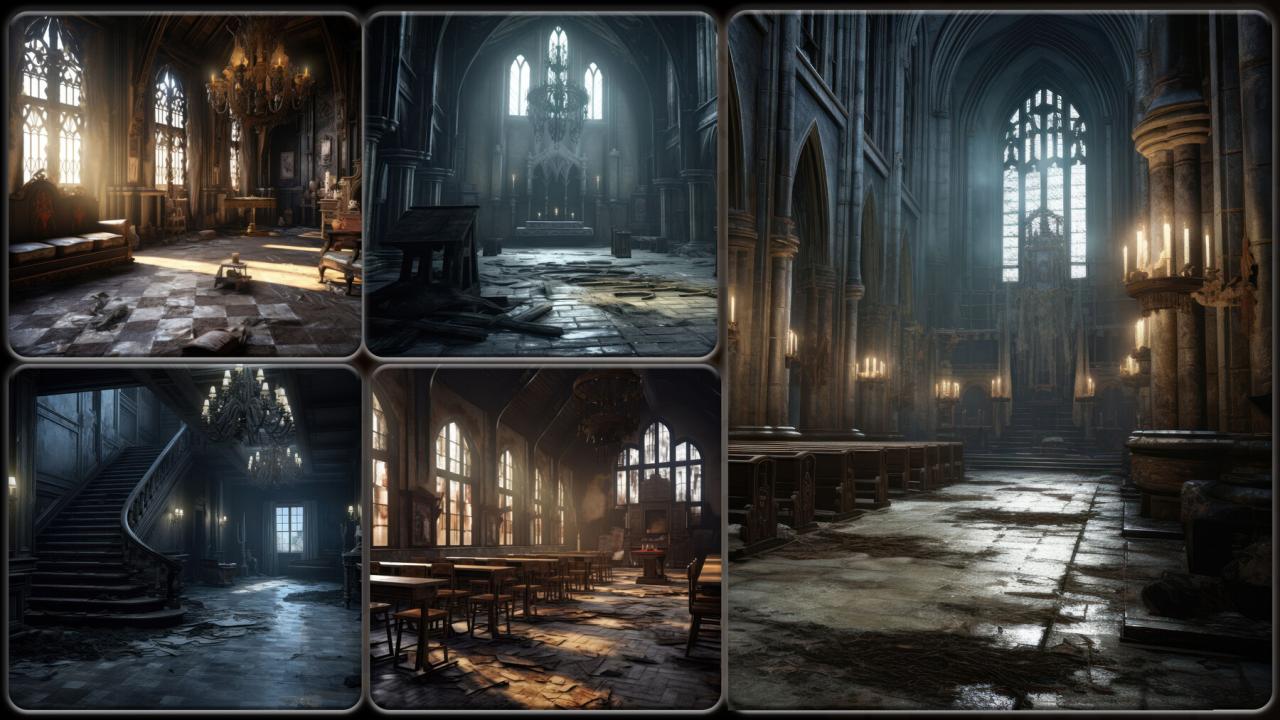
The setting in Gothic horror plays a crucial role in shaping the narrative and enhancing the emotional landscape of the story. It serves as a backdrop that not only reflects the themes of decay and despair but also reinforces the psychological states of the characters. From crumbling castles to dark, foreboding forests, the environments in which these tales unfold contribute significantly to the overall atmosphere of dread and suspense that defines the genre.
Typical Settings in Gothic Horror
Gothic horror often utilizes a variety of settings that evoke feelings of isolation and fear. Common locations include:
- Ancient Castles: Frequently depicted as dark and oppressive, these structures often symbolize the weight of the past, filled with secrets and trapped souls.
- Desolate Landscapes: Scenes featuring bleak moors or abandoned grounds create a sense of abandonment and desolation, enhancing the feeling of loneliness experienced by characters.
- Haunted Houses: These settings are typical in Gothic tales, often taking on lives of their own and acting as reflections of the characters’ inner turmoil.
- Dark Forests: Dense woods are frequently used to represent confusion, danger, and the unknown, serving as a physical manifestation of a character’s psychological state.
Architecture and Character Psychology
The architecture within Gothic horror serves as a crucial reflection of character psychology, illustrating the internal struggles and emotional states of the individuals within the narrative. For example, a decaying castle can represent a character’s deteriorating mental state, while ornate but oppressive structures may signify a character’s entrapment by societal expectations or personal demons. The contrast between light and shadow in these settings often mirrors the moral ambiguity faced by characters, enhancing the tension within the story.
“The architecture is not just a backdrop; it is a living entity that interacts with the characters, amplifying their fears and desires.”
Atmosphere and Tension in Gothic Tales
Atmosphere is vital in Gothic horror, as it establishes the tension and dread that permeate the narrative. Elements such as weather, lighting, and sound play significant roles in creating an immersive experience for the reader. For instance, a stormy night may heighten feelings of anxiety, while sudden gusts of wind or creaking floors can evoke a sense of impending doom. The use of silence, broken only by distant thunder or eerie whispers, enhances the feeling of isolation, pulling the reader deeper into the psychological horror of the story.
“The atmosphere envelops the reader, blending reality with the surreal, making the supernatural feel tangible and immediate.”
The Psychological Elements of Gothic Horror
Gothic horror thrives on the intricate web of psychological elements that evoke fear and unease. By delving into the characters’ minds and their interactions with the eerie atmospheres surrounding them, Gothic literature explores the darker facets of the human psyche. This genre not only presents supernatural occurrences but also mirrors the internal struggles of its characters, thus creating a layered experience of horror that transcends mere fright.
The psychological aspects in Gothic horror often revolve around themes of madness, fear, and the blurred lines between reality and the supernatural. Characters in these narratives frequently grapple with their own sanity, suffering from paranoia, dread, or delusions that lead them deeper into chaos. Their psychological turmoil is often exacerbated by external forces, which can either be heavily supernatural or rooted in real-world trauma.
Characters Embodying Madness and Fear
In Gothic literature, several characters exemplify madness and fear, shaping the overall narrative and amplifying the horror experience. These characters often serve as conduits for exploring psychological themes, reflecting societal anxieties and personal traumas.
- Heathcliff from “Wuthering Heights”: Heathcliff’s obsession with Catherine Earnshaw drives him to madness, creating a character that embodies both love and vengeance. His emotional turmoil is interwoven with the tumultuous landscape of the moors, further emphasizing his psychological instability.
- Miss Havisham from “Great Expectations”: Living in a decaying mansion, Miss Havisham’s mental deterioration is rooted in betrayal and heartbreak. Her refusal to move on, coupled with her eerie wedding dress, symbolizes the haunting grip of fear and despair over her psyche.
- Roderick Usher from “The Fall of the House of Usher”: Usher’s deteriorating mental state reflects the physical decay of his ancestral home. His acute sensitivity to his surroundings ties his fear of the supernatural to his own mental disintegration, embodying the theme of psychological horror.
The interplay between reality and the supernatural further shapes characters’ psyches, illustrating how their fears manifest through experiences that challenge their perceptions of the world. In many Gothic narratives, the boundary between the real and the imagined is deliberately blurred, leading characters to question their sanity.
“The supernatural becomes a reflection of the inner turmoil of the character, often revealing the depths of human fear and madness.”
The psychological horror experienced by these characters often stems from their inability to confront their fears, leading to tragic outcomes. Their interactions with supernatural elements serve to amplify their internal struggles, making the reader question what is real and what is merely a figment of their disturbed minds. This complex relationship between the psychological and the supernatural is a hallmark of Gothic horror, inviting readers to explore the darker corners of human existence.
Feminine Perspectives in Gothic Horror
The portrayal of female characters in Gothic horror is often multifaceted, revealing deep-seated anxieties about gender, sexuality, and societal expectations. Throughout the genre, women are depicted in various ways, ranging from helpless victims to empowered protagonists. These diverse representations reflect the changing perceptions of women and their roles both within the narratives and the broader cultural context. By examining key works of Gothic horror, we can uncover feminist themes that resonate with contemporary issues, highlighting the evolution of female characters over time.
Portrayal of Female Characters
The depiction of female characters in Gothic horror often oscillates between extremes, serving to underscore the genre’s exploration of power dynamics. Women may occupy roles as innocent victims, such as the archetypal “damsel in distress,” or emerge as powerful figures who defy convention. The tension between these roles illustrates the broader societal struggles regarding women’s autonomy and identity.
Key examples can be seen in works like Mary Shelley’s “Frankenstein,” where Elizabeth Lavenza is initially portrayed as a passive character, yet her fate serves as a commentary on the repercussions of male transgression. Conversely, in Angela Carter’s “The Bloody Chamber,” female characters reclaim power through subversion of traditional roles, embodying themes of sexual freedom and agency.
Feminist Themes in Key Works
Gothic horror frequently engages with feminist themes, reflecting the struggles for female empowerment and autonomy. These narratives often critique patriarchal structures and offer insight into the psychological complexities of women’s experiences. The exploration of madness, sexuality, and violence against women remains relevant, resonating with ongoing discussions surrounding gender equality and feminism.
Several key works exemplify these themes:
- Charlotte Perkins Gilman’s “The Yellow Wallpaper”: This story addresses the oppression of women under the guise of medical treatment, highlighting the societal expectations of femininity and the resulting mental health deterioration.
- Shirley Jackson’s “The Haunting of Hill House”: Here, the female protagonist Eleanor Vance grapples with her identity and societal expectations, ultimately confronting the haunting forces of her own psyche.
- Angela Carter’s “The Bloody Chamber”: Carter’s retellings of classic fairy tales infuse a feminist perspective that challenges traditional gender roles and explores themes of sexual liberation.
The exploration of these themes sheds light on the historical struggles faced by women and encourages contemporary readers to consider the implications for modern society.
Evolution of the Damsel in Distress Trope
The “damsel in distress” trope has evolved significantly throughout the history of Gothic horror, reflecting changing societal attitudes toward women. Traditionally, this trope depicted women as vulnerable beings in need of rescue, often amplifying the notion of male heroism. However, as feminist discourse has gained prominence, so too has the reimagining of this archetype.
In early Gothic works, women like Lucy Westenra in Bram Stoker’s “Dracula” are portrayed as passive victims, reinforcing the notion of women’s dependency on male figures. Conversely, modern interpretations have transformed these characters into symbols of resilience and strength. Contemporary iterations often show female characters taking control of their own narratives, challenging the idea that they require saving.
The implications of this evolution are profound, as they inspire a rethinking of gender dynamics within literature and society. By reshaping the damsel archetype, authors are not only reflecting changing attitudes toward women but also empowering new generations to envision alternative roles beyond traditional confines.
The Evolution of Gothic Horror in Modern Media
The Gothic horror genre has undergone a significant transformation in contemporary literature, film, and television, adapting to the changing fears and cultural contexts of modern society. While the foundational elements of Gothic horror—such as the presence of the supernatural, the exploration of human psyche, and the juxtaposition of beauty and terror—remain intact, modern interpretations have infused fresh themes and perspectives, reflecting contemporary anxieties and societal issues.
The evolution of Gothic horror in modern media illustrates how this genre has both retained its roots and morphed into new forms that resonate with today’s audiences. Classic motifs like isolation, madness, and decay have been repurposed to address current societal fears. The blend of technology, psychological depth, and social commentary has led to a revival of Gothic elements that captivate viewers and readers alike.
Contemporary Works Reflecting Gothic Traditions
In recent years, numerous works have redefined the Gothic genre, showcasing a blend of traditional elements with modern sensibilities. These works often delve into themes such as identity, trauma, and societal decay, allowing for a deeper exploration of character and setting.
- The Haunting of Hill House: This Netflix series, based on Shirley Jackson’s seminal novel, reimagines the original story through the lens of familial trauma and mental health. The series intertwines past and present narratives, creating a rich tapestry of horror that is both psychological and supernatural.
- Mexican Gothic: Silvia Moreno-Garcia’s novel incorporates classic Gothic motifs within a Mexican context, exploring themes of colonialism, gender, and cultural identity. The eerie atmosphere and the protagonist’s journey through a haunted house reflect the deep-rooted fears tied to cultural heritage.
- Doctor Sleep: A sequel to Stephen King’s The Shining, this film maintains the eerie, oppressive atmosphere of the original while exploring themes of addiction and recovery. The blend of nostalgia for the original work and contemporary issues makes it a compelling Gothic narrative.
- The Witch: This film exemplifies modern Gothic horror through its exploration of paranoia and societal breakdown. Set in 17th century New England, it reflects modern fears of religious fanaticism and the loss of family unity, encapsulated in a haunting, atmospheric narrative.
The modern interpretations of Gothic horror often reflect society’s current fears, from technology’s impact on human connection to the psychological burdens of trauma and mental illness. These themes resonate deeply as they are embedded in the fabric of contemporary life, underscoring how Gothic horror continues to evolve while retaining its core elements.
“The Gothic is alive and well; it just wears different clothes.”
The Influence of Gothic Horror on Popular Culture
Gothic Horror is a genre that extends far beyond the confines of literature, weaving its dark threads into various aspects of popular culture. Its haunting themes of decay, madness, and the supernatural have inspired artists, musicians, and fashion designers alike, creating a distinct aesthetic that resonates through time. This genre’s influence can be seen in the ways it has shaped modern storytelling, music, visual arts, and even fashion trends, leaving an indelible mark on our cultural landscape.
The Gothic Horror genre has permeated popular culture through various avenues, notably in music, fashion, and visual arts. Artists and creators have drawn inspiration from Gothic themes to explore complex emotions and haunting narratives. This influence is not only visible in classic adaptations but also in contemporary interpretations across different media. The genre’s signature elements—dread, the uncanny, and the grotesque—continue to captivate audiences and provide a rich source of inspiration.
Gothic Elements in Music
The impact of Gothic Horror on music is profound, with numerous genres and artists incorporating its themes and aesthetics. Here are some key aspects of this influence:
-
Gothic Rock and Darkwave
– These genres emerged in the late 1970s and early 1980s, characterized by their melancholic melodies, haunting vocals, and lyrics that often reference themes of death and the supernatural. Bands like Bauhaus and Siouxsie and the Banshees exemplify this trend.
-
Film Scores
– Composers such as Danny Elfman and Hans Zimmer have crafted memorable scores for films that embody Gothic elements, enhancing the eerie atmosphere and emotional depth of the narratives.
-
Lyricism
– Many modern rock and metal bands, like My Chemical Romance and Evanescence, incorporate Gothic imagery and references to horror literature in their lyrics, appealing to the genre’s fans.
Gothic Influences in Fashion
Fashion has long been a canvas for the expression of Gothic Horror’s aesthetic, with designers drawing inspiration from the genre’s dark romanticism. The following points illustrate how Gothic elements have shaped contemporary fashion:
-
Victorian Influence
– Clothing styles reminiscent of the Victorian era, such as corsets, lace, and long flowing skirts, echo the historical roots of Gothic literature.
-
Goth Subculture
– The rise of the Goth subculture in the 1980s brought a distinctive fashion style characterized by dark clothing, dramatic makeup, and accessories that reflect the genre’s themes.
-
Runway Collections
– Fashion designers, including Alexander McQueen and John Galliano, have infused their collections with Gothic elements, showcasing dark, theatrical pieces that evoke a sense of haunting beauty.
Visual Arts and Gothic Aesthetics
The influence of Gothic Horror extends significantly into the visual arts, inspiring painters, photographers, and filmmakers. This section highlights some examples of how Gothic elements have shaped visual creativity:
-
Classic Paintings
– Artists like Francisco Goya and Edward Munch have created works that explore themes of horror, madness, and the grotesque, embodying the essence of Gothic imagery.
-
Contemporary Photography
– Photographers such as Gregory Crewdson and Cindy Sherman utilize Gothic elements to create unsettling narratives that provoke thought and emotion in viewers.
-
Film and Animation
– Many filmmakers, including Tim Burton and Guillermo del Toro, have crafted visually striking films that integrate Gothic aesthetics, blending horror with fantasy to create unique storytelling experiences.
The Legacy of Gothic Horror
The legacy of Gothic Horror extends beyond its own genre, influencing a variety of other genres and forms of media. The following points highlight its lasting impact:
-
Influence on Horror Genres
– Elements of Gothic Horror have been integrated into modern horror films and literature, contributing to the development of sub-genres like psychological horror and supernatural thrillers.
-
Media Adaptations
– Countless adaptations of classic Gothic novels, such as “Dracula” and “Frankenstein,” continue to exist in film and television, showcasing the genre’s enduring appeal.
-
Cross-genre Explorations
– Themes of Gothic Horror are often explored in genres like fantasy, romance, and even science fiction, indicating its versatility and relevance in contemporary storytelling.
Final Thoughts
In summary, Gothic Horror remains a profound reflection of human fears and societal issues, woven intricately through its narratives and characters. Its evolution from historical roots to contemporary adaptations showcases a versatile genre that continues to captivate and engage audiences. As we explore the shadows cast by Gothic tales, we uncover not just stories of horror, but a deeper understanding of the complexities of the human psyche and the cultural fears that shape our reality.
FAQ Corner
What defines Gothic Horror?
Gothic Horror is characterized by its dark themes, mysterious settings, and exploration of psychological terror, often featuring supernatural elements and complex characters.
Who are some key authors in Gothic Horror?
Notable authors include Edgar Allan Poe, Mary Shelley, and Bram Stoker, each contributing unique perspectives and styles that have shaped the genre.
How has Gothic Horror influenced modern media?
Gothic Horror influences contemporary literature, film, and television by introducing themes of fear, isolation, and the supernatural, often reinterpreted for modern audiences.
What are common motifs in Gothic Horror?
Common motifs include isolation, madness, the supernatural, and the duality of human nature, often explored through atmospheric settings and character psychology.
Is there a feminist perspective in Gothic Horror?
Yes, many Gothic works examine female characters’ roles and the evolution of tropes like the “damsel in distress,” highlighting feminist themes relevant to contemporary issues.