
 Eric
Eric
Celebrating you is not just an act of joy; it’s a vital practice that nurtures your mental well-being and self-worth. By acknowledging and appreciating our own achievements, we create a positive feedback loop that enhances our self-esteem and encourages personal growth.
This exploration delves into the myriad benefits of self-celebration, from boosting mental health to developing a strong support system. Through personal reflection and unique celebration ideas, we can all learn to honor our journeys more thoughtfully and creatively.
Celebrating You as an Essential Practice for Mental Well-Being
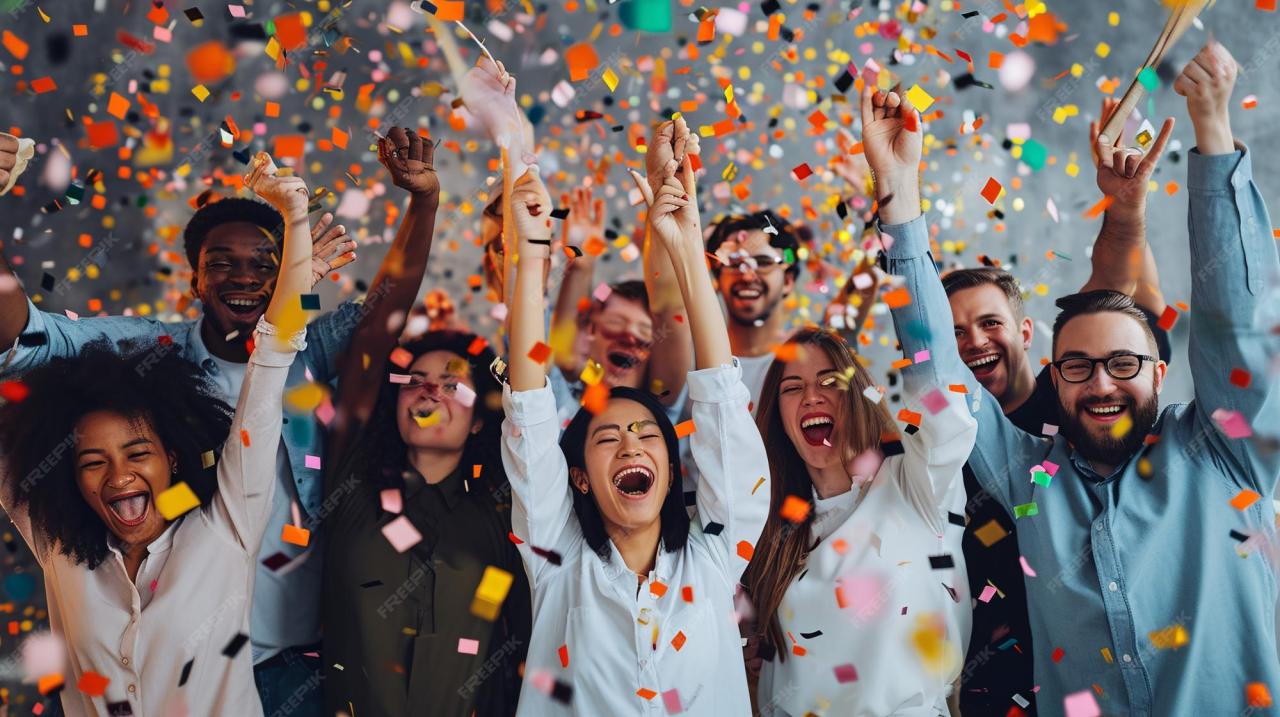
Self-celebration is a powerful practice that can greatly enhance mental well-being. By taking time to acknowledge our own achievements, no matter how small, we can cultivate a more positive mindset, boost our self-esteem, and foster a sense of happiness in our daily lives. Recognizing our accomplishments not only validates our efforts but also reinforces a healthy self-image.
Engaging in self-celebration has a multitude of mental health benefits that can transform how we view ourselves and our achievements. One of the most significant advantages is the enhancement of self-esteem. When we recognize our milestones, we provide ourselves with a reminder of our capabilities and strengths, which can counteract negative self-talk. By celebrating our wins, we signal to our brain that we are worthy of success and happiness. This practice can help reduce feelings of inadequacy and increase motivation for future goals.
Mental Health Benefits of Self-Celebration
The act of celebrating oneself is not merely a momentary indulgence; it serves as a crucial component in maintaining psychological well-being. Here are some of the key benefits:
- Improved Mood: Regular self-celebration can lead to an overall uplift in emotional state, making you more resilient against stress and anxiety.
- Increased Resilience: Acknowledging achievements helps build a buffer against setbacks. When you recognize your strengths, you are better equipped to face challenges.
- Enhanced Motivation: Celebrating small wins fuels motivation, encouraging you to set and pursue larger goals.
- Decreased Comparison: Focused recognition of your unique journey can reduce the tendency to compare yourself to others, fostering a healthier self-perception.
Real-life examples illustrate the transformative effects of self-celebration on mental health. For instance, a corporate employee who consistently sets aside time each week to reflect on their accomplishments experienced a notable decrease in stress levels and an increase in job satisfaction. By tracking their progress and celebrating it, they fostered a sense of purpose and engagement in their work. Another example is a student who began journaling about their daily achievements, no matter how minor. This practice significantly boosted their self-esteem and improved their academic performance, as they felt more confident and capable.
“Self-celebration is not just about acknowledging success; it’s about appreciating the journey and recognizing the growth along the way.”
These examples highlight that incorporating self-celebration into daily routines can have profound effects on mental well-being. By taking the time to honor our achievements, we can create a positive feedback loop that nurtures our self-worth and promotes overall happiness.
The Role of Personal Reflection in Celebrating Your Growth

Personal reflection plays a pivotal role in understanding and appreciating the journey of personal growth. It allows individuals to step back, evaluate their experiences, and recognize the progress they have made over time. By engaging in a thoughtful reflection process, one can gain clarity, foster self-awareness, and reinforce the steps taken towards achieving personal goals. This practice not only champions personal development but also enhances overall well-being and fulfillment.
Effective self-reflection involves a systematic approach to introspection, where individuals assess their thoughts, emotions, and behaviors. This process is vital for personal development as it fosters a deeper understanding of oneself, enabling individuals to identify strengths and areas for improvement. In addition, it creates a roadmap for future growth by highlighting past accomplishments and lessons learned. Engaging in regular reflection can transform experiences into wisdom, guiding future actions and decisions.
Techniques for Assessing Personal Growth
To effectively gauge personal growth over time, it is crucial to employ specific techniques that facilitate a comprehensive assessment of achievements. These techniques can help identify milestones and celebrate accomplishments, ultimately reinforcing a positive self-image. The following methods can be utilized for self-assessment:
- Journaling: Keeping a reflective journal allows individuals to document their thoughts, feelings, and experiences regularly. This act of writing can reveal patterns and insights that may not be immediately apparent.
- Goal Tracking: Maintaining a record of personal goals and monitoring progress can provide a clear picture of growth. Setting specific, measurable, achievable, relevant, and time-bound (SMART) goals can enhance this process.
- Feedback from Others: Seeking feedback from friends, family, or colleagues can offer valuable perspectives on personal growth. Constructive criticism and praise can illuminate aspects of development that might be overlooked.
- Self-Assessment Tools: Utilizing assessments or quizzes designed for personal development can help individuals evaluate their skills, personality traits, and emotional intelligence.
Creating a space for meaningful personal reflection is essential. A structured approach can ensure that the process is thorough and insightful. Here’s a step-by-step guide to conducting a personal reflection session:
Step-by-Step Guide for Personal Reflection
Commencing a personal reflection session with intention can significantly enhance the quality of insights gained. The following steps provide a framework for conducting a thoughtful reflection:
- Set the Environment: Choose a quiet and comfortable place where you can focus without distractions. This can be a cozy corner of your home, a park, or a café.
- Gather Materials: Have a notebook or digital device ready to document your thoughts. Having prompts or guiding questions can also be helpful during this process.
- Review Goals and Achievements: Reflect on the goals set in the past and assess your progress. Identify specific accomplishments and moments of pride.
- Analyze Challenges: Consider obstacles faced along the way and the lessons learned from those experiences. This can provide insights into resilience and adaptability.
- Emotional Reflection: Take time to process your feelings about your growth journey. Celebrate successes and acknowledge areas that still need work.
- Look Ahead: Conclude the session by setting new goals based on your reflections. This forward-looking perspective helps maintain momentum for continuous growth.
“Reflection is the lamp of the heart; if it departs, the heart will have no light.” – Ibn Qayyim
Incorporating personal reflection into your routine can be a powerful catalyst for growth. By understanding the importance of this practice and utilizing effective techniques, individuals can celebrate their journeys and continue to evolve in meaningful ways.
Creative Ways to Celebrate Yourself on Special Occasions
Celebrating yourself on special occasions is not just about marking time; it’s about honoring your journey, growth, and achievements. Whether it’s a birthday, anniversary, or any personal milestone, finding unique ways to celebrate can make these moments even more meaningful. By embracing creativity and intention, you can elevate your self-celebration into a cherished experience.
A personal ritual holds significant value in enhancing the experience of your celebration. These rituals can serve as anchors, allowing you to reflect on your past, acknowledge your present, and set intentions for your future. They can transform a simple event into a profound moment of self-appreciation, making it truly unique to you.
Unique Ideas for Celebrating Milestones
Creating memorable celebrations involves a mix of personal preferences and innovative ideas. Here are some unique ways to celebrate milestones such as birthdays or anniversaries:
- Personalized Retreat: Take a weekend off to a serene destination, focusing on self-care and personal growth.
- Memory Jar: Fill a jar with notes reflecting on your favorite memories from the past year, to be read on your special day.
- Creative Workshop: Engage in a workshop that aligns with your interests, such as painting, pottery, or cooking, allowing for both creativity and relaxation.
- Time Capsule: Create a time capsule with items that represent your current self, to be opened on a future milestone.
- Charitable Giving: Celebrate by donating to a cause that resonates with you, turning your special day into an opportunity to give back.
- Adventure Day: Plan an adventure, like zip-lining or hot air ballooning, that pushes your limits and creates exhilarating memories.
Incorporating these activities into your self-celebration can add excitement and joy, transforming a simple occasion into something extraordinary.
Importance of Personal Rituals in Celebrations
Personal rituals can significantly enhance the experience of celebration. They provide structure and meaning, allowing you to engage deeply with the moment. These rituals may include:
- Mindfulness Meditation: Set aside time to reflect quietly, acknowledging your accomplishments and setting intentions for the next phase of your journey.
- Gratitude Letters: Write letters to yourself or others expressing gratitude for the past year and aspirations for the future.
- Candle Lighting Ceremony: Light a candle while making a wish or reflecting on what you hope to achieve in the coming year.
- Nature Walk: Spend time in nature, connecting with the environment while reflecting on your personal growth.
- Vision Board Creation: Create a vision board that visually expresses your goals and dreams for the upcoming year.
Engaging in these rituals not only enhances the celebration but also fosters a deeper connection with yourself, making the experience more memorable.
Activities for Self-Celebration Events
To ensure that your self-celebration is enjoyable and fulfilling, consider incorporating a variety of activities. Here is a list of activities that can enrich your celebration:
- Solo Dining Experience: Treat yourself to a meal at your favorite restaurant or prepare a special dish at home.
- Personal Spa Day: Pamper yourself with a spa day at home, complete with baths, skincare, and relaxation techniques.
- Creative Expression: Spend time journaling, painting, or engaging in a craft that allows you to express your feelings.
- Book or Movie Marathon: Enjoy your favorite books or films, creating a cozy atmosphere to celebrate in your own way.
- Photo Shoot: Organize a personal photoshoot to capture this moment in time, celebrating who you are now.
- Host a Virtual Celebration: Connect with friends or family via video call to celebrate together, sharing stories and laughter.
These activities not only contribute to creating a memorable celebration but also allow you to engage in self-care and reflection on your journey.
Building a Strong Support System for Self-Celebration
Creating a robust support system is essential for anyone looking to celebrate their achievements meaningfully. Surrounding oneself with supportive friends and family can amplify the joy of personal victories, making each milestone feel even more significant. When our loved ones recognize and honor our successes, it not only boosts our self-esteem but also reinforces our motivation to strive for more.
Encouraging loved ones to participate in celebrating individual achievements can come from both clear communication and shared experiences. It’s essential to express to friends and family how much their acknowledgment means. Simple gestures, such as making a call or sending a text to share good news, can go a long way. Additionally, hosting gatherings or small celebrations can serve as an ideal platform for everyone to come together and honor individual successes. This not only enhances personal relationships but also cultivates a sense of community.
Establishing a Community for Mutual Appreciation
Building a community that fosters mutual appreciation among its members is vital for sustained encouragement and support. Such a community can consist of friends, family members, or even acquaintances who share similar interests or backgrounds. Here are some effective methods to create and strengthen these supportive networks:
- Organize regular meet-ups or social events where everyone can share their achievements.
- Establish group chats or online forums dedicated to celebrating wins, big or small.
- Encourage members to express gratitude and recognition for each other’s efforts, fostering a positive atmosphere.
- Incorporate a system where each member can highlight others’ successes, ensuring everyone feels valued.
The importance of these practices cannot be overstated. When individuals feel appreciated within their community, it enhances their sense of belonging and motivation. As an impactful reminder,
“Celebration is not just about the achievement; it’s about the connections we build along the way.”
Engaging in these activities promotes a culture of support that can significantly contribute to personal and collective growth, leading to a fulfilling environment where everyone can thrive.
Overcoming Barriers to Self-Celebration and Acceptance
Celebrating oneself can often feel like an uphill battle due to various psychological barriers. Many individuals struggle with self-acceptance, which can hinder their ability to recognize and appreciate their achievements. Understanding these barriers and finding ways to overcome them is essential for fostering a healthier self-image and encouraging self-celebration.
Common psychological barriers include feelings of inadequacy, fear of judgment, and societal pressures that dictate what success looks like. These mental blocks can make it challenging to acknowledge personal accomplishments. To combat these negative influences, individuals can adopt strategies to promote self-compassion and counteract detrimental self-talk. This involves recognizing one’s worth and treating oneself with kindness, especially during moments of self-doubt. For example, affirmations and self-reflection can be powerful tools in this process.
Strategies to Combat Negative Self-Talk
Addressing negative self-talk is pivotal in overcoming self-doubt and fostering an environment conducive to self-celebration. The following strategies can help individuals reshape their inner dialogues:
- Practice positive affirmations: Regularly affirming one’s strengths and accomplishments can counteract negative thoughts.
- Reframe negative thoughts: Instead of focusing on what went wrong, individuals can shift their perspective to recognize what they learned from experiences.
- Engage in journaling: Writing down thoughts and feelings can provide clarity and help identify patterns of negative self-talk.
- Seek support: Sharing feelings with trusted friends or professionals can provide external validation and encouragement.
Utilizing these strategies can lead to a more positive self-image, enhancing the ability to celebrate achievements, no matter how small.
Role of Mindfulness in Acceptance and Celebration
Mindfulness plays a crucial role in fostering self-acceptance and creating a nurturing space for celebration. By practicing mindfulness, individuals can learn to remain present and aware of their thoughts and feelings without judgment. This awareness helps in recognizing and countering negative beliefs surrounding self-worth.
Key benefits of mindfulness in this context include:
- Enhanced self-awareness: Mindfulness encourages individuals to observe their thoughts and feelings, leading to a greater understanding of their self-perceptions.
- Reduction of anxiety: Mindfulness practices can alleviate anxiety, making it easier to embrace one’s achievements without fear of judgment.
- Emotional regulation: Mindfulness helps in managing emotions, allowing individuals to respond to self-criticism with compassion rather than harshness.
Incorporating mindfulness techniques, such as meditation and deep-breathing exercises, into daily routines can significantly enhance one’s journey toward self-celebration and acceptance.
How Cultural Background Influences the Perception of Self-Celebration
Cultural background plays a significant role in shaping how individuals perceive and enact self-celebration. Across different societies, beliefs about individuality and communal values influence attitudes toward recognizing personal achievements. While some cultures encourage self-promotion and individual acknowledgment, others emphasize collective success and humility, leading to varied practices of celebration.
The perception of self-celebration is deeply intertwined with cultural attitudes towards individualism. In individualistic cultures, such as the United States or many Western European countries, personal achievement is often celebrated as a means of self-expression and identity formation. This leads to practices such as personal milestone celebrations, awards for individual accomplishments, and public acknowledgments of success. In contrast, collectivist cultures, like those found in many Asian countries, prioritize group harmony and communal achievements over individual recognition. Here, celebrating personal accomplishments may be seen as boastful or inappropriate, with a greater emphasis placed on family or community achievements.
Comparison of Celebration Practices Across Cultures
Celebration practices vary significantly between cultures, reflecting underlying values and social norms. Understanding these distinctions can illuminate how individuals navigate self-worth and recognition within their cultural contexts.
- Individualistic Societies: In cultures that value individualism, celebrations often focus on personal milestones such as birthdays, graduations, and promotions. These events are marked by parties, personal gifts, and public recognition, emphasizing the individual’s journey and success.
- Collectivist Societies: In contrast, collectivist cultures emphasize group achievements. Celebrations may center around family gatherings, festivals, or community events. Individual accomplishments are celebrated in the context of the family or community’s success, with a focus on shared joy rather than personal accolades.
- Religious and Cultural Festivals: Many cultures have specific festivals that celebrate communal identities and values. For instance, Diwali in India focuses on community and familial ties, while Independence Day in the U.S. celebrates national pride and individual freedoms. These events can shape how self-celebration is viewed within those societies.
- Expressions of Humility: In cultures where humility is valued, self-promotion may be frowned upon. Individuals may downplay their achievements to align with social expectations, showcasing how cultural values directly affect personal expression during celebratory moments.
“Cultural background shapes not only how we celebrate ourselves but also how we perceive the worth of our achievements within the larger social fabric.”
The Impact of Social Media on the Way We Celebrate Ourselves
Social media has become an integral part of our daily lives, significantly influencing how we celebrate our achievements and milestones. While it offers a platform for self-expression and recognition, it simultaneously fosters environments where comparison and competition thrive. This duality presents both opportunities and challenges in the realm of self-celebration.
The role of social media in our lives can be seen as a double-edged sword. On one hand, it empowers individuals to share personal achievements, fostering a sense of community and support. On the other hand, it often leads to unhealthy comparisons, where individuals measure their self-worth against curated online personas. The influence of social media on one’s perception of success is profound, as the constant flow of images and stories can warp expectations and diminish personal achievements.
Effects of Social Media on Self-Perception
Understanding the impact of social media on self-perception requires a closer look at how it shapes our views of success and accomplishment. The visibility of achievements may encourage people to celebrate themselves more openly. However, this can also invite feelings of inadequacy. The following points illustrate the intricate relationship between social media and self-recognition:
- Highlighting Achievements: Social media provides a stage for individuals to publicly acknowledge their successes, whether it’s a promotion, graduation, or personal milestones. This can enhance feelings of validation and worth.
- Comparison Culture: As individuals showcase their achievements, it becomes easy to fall into the trap of comparing oneself to others. This often leads to unrealistic benchmarks for success and personal fulfillment.
- Impact on Mental Health: The pressure to present a successful image online can lead to anxiety and stress, as individuals may feel the need to constantly validate their worth through likes and comments.
- Authenticity vs. Curation: Many users curate their online presence, sharing only the highlights while omitting struggles. This can distort the perception of reality, making others feel inadequate in their own lives.
The way we celebrate ourselves online can significantly alter our internal narrative about success and fulfillment.
Balancing social media use with genuine self-recognition is essential for mental well-being. Regularly taking time to reflect on personal achievements without the influence of social media can ground individuals in their self-worth. Engaging in offline celebrations, such as personal journaling or intimate gatherings with close friends, can reinforce a sense of authenticity that social media often lacks.
The Long-Term Effects of Regular Self-Celebration on Personal Development
Regular self-celebration plays a pivotal role in enhancing personal development, influencing motivation and goal achievement over time. Recognizing and celebrating small victories fosters a sense of accomplishment, which in turn encourages individuals to set and pursue larger goals. This ongoing practice contributes to a more positive self-image and reinforces the belief in one’s abilities, creating a cycle of success and motivation.
Research indicates that individuals who engage in consistent self-celebration are more likely to remain motivated over the long term. A study published in the Journal of Personality and Social Psychology found that celebrating personal milestones can lead to greater satisfaction and persistence in goal-oriented tasks. Experts suggest that acknowledging achievements—whether big or small—can significantly impact one’s mindset, leading to improved resilience and adaptability in the face of challenges.
Impact of Consistent Self-Celebration on Motivation
The relationship between self-celebration and sustained motivation can be illustrated through various factors that contribute to personal growth. Celebrating achievements not only boosts self-esteem but also reinforces positive behavior, encouraging individuals to continue striving towards their goals.
- Enhanced Self-Esteem: Regularly acknowledging personal successes helps build a stronger sense of self-worth, which is crucial for tackling future challenges.
- Improved Resilience: Individuals who celebrate their efforts tend to recover more quickly from setbacks as they maintain a positive outlook on their capabilities.
- Increased Engagement: Celebrating milestones leads to higher levels of engagement in activities, as individuals feel recognized and motivated to pursue further goals.
- Goal Reinforcement: Celebrations serve as reminders of what has been accomplished, reinforcing the value of setting and achieving new goals.
Long-Term Benefits of Recognizing Personal Milestones
The long-term benefits of celebrating personal milestones extend beyond immediate gratification. Recognizing achievements fosters a growth mindset, whereby individuals begin to view challenges as opportunities rather than obstacles. This shift in perspective is supported by findings from the American Psychological Association, which emphasize that acknowledgment of growth can lead to increased motivation for future endeavors.
To visualize the progression of personal growth through regular celebration, the following timeline illustrates how consistent self-recognition can influence various life stages:
| Time Period | Personal Growth Milestones | Celebration Activities |
|---|---|---|
| Year 1 | Establishing Goals | Journaling achievements weekly |
| Year 2 | Overcoming Challenges | Organizing a small gathering with friends |
| Year 3 | Achieving Significant Goals | Throwing a celebratory party or event |
| Year 4 | Mentoring Others | Creating a platform for sharing success stories |
| Year 5 | Continuous Learning | Attending workshops or retreats to celebrate personal growth |
“Success is a series of small wins.” – Unknown
The timeline not only reflects the journey of personal development but also highlights how each celebration acts as a catalyst for further achievements. Recognizing and celebrating milestones throughout this process is essential for maintaining motivation and fostering an enduring commitment to personal growth.
Last Recap
In conclusion, embracing the practice of celebrating you can profoundly impact your life, leading to greater self-acceptance and resilience. The journey of self-celebration is one of ongoing growth and community support, reminding us that taking time to appreciate ourselves is just as essential as the achievements we pursue.
FAQ Explained
What are the mental health benefits of self-celebration?
Self-celebration boosts self-esteem, reduces stress, and promotes a positive mindset, contributing to overall mental well-being.
How can I celebrate small achievements?
Recognizing small wins with personal rituals or simple rewards can enhance motivation and reinforce positive habits.
What if I feel uncomfortable celebrating myself?
It’s normal to feel uncomfortable; start small and gradually build your confidence in celebrating your achievements.
How does cultural background affect self-celebration?
Cultural differences shape our perceptions of individualism and celebration, influencing how we acknowledge our successes.
Can social media positively influence self-celebration?
When used mindfully, social media can provide a platform for sharing achievements and finding community support, enhancing self-recognition.
What strategies can I use to encourage friends to celebrate with me?
Invite friends to participate in your celebrations and share your experiences, fostering a supportive environment for mutual appreciation.
How often should I practice self-celebration?
Regular self-celebration, ideally after achieving goals or completing significant tasks, can maintain motivation and reinforce a positive self-image.