
 Eric
Eric
Backyard Festival brings together friends, families, and neighbors for a day filled with fun, food, and festivities. This event not only fosters community spirit but also showcases the unique charm of local culture through various engaging activities. Whether it’s the joyful laughter of children or the delightful melodies from local musicians, each backyard festival creates a memorable experience that encourages connection and support among attendees.
From selecting a captivating theme to ensuring safety and sustainability, careful planning is key to creating a successful festival that resonates with everyone. By involving local businesses and artists, the event becomes a vibrant tapestry of community talent and participation, making it a highlight of the season.
The Importance of Community in a Backyard Festival
Community involvement is the lifeblood of any successful backyard festival. When neighbors, friends, and local businesses come together to contribute their skills, resources, and enthusiasm, the event transforms into a vibrant celebration that embodies the spirit of the community. This collaborative effort not only enhances the festival experience but also fosters deeper connections among participants, creating lasting memories and friendships.
The planning and execution of a backyard festival rely heavily on the active participation of community members. From organizing activities to setting up booths, volunteers play a crucial role in ensuring everything runs smoothly. Their collective creativity and local knowledge can introduce unique elements that resonate with attendees. Moreover, when community members see their contributions come to life, it instills a sense of pride and ownership which heightens the festival’s overall success.
Local Businesses Contribution and Benefits
Local businesses hold a vital position in the ecosystem of a backyard festival. Their participation not only enriches the event but also provides them with unique marketing opportunities. By engaging with the community during the festival, businesses can showcase their products and services, driving foot traffic to their establishments while establishing a loyal customer base.
A few ways local businesses can contribute include:
- Providing sponsorships for various festival activities, such as live music or games, which enhances the event while promoting their brand.
- Setting up booths to sell goods, offering special festival deals that encourage attendees to shop locally.
- Collaborating with artisans and vendors to ensure a diverse range of food and crafts that reflect the local culture and creativity.
The reciprocal benefits are evident as well. For instance, a local bakery that participates in a backyard festival by supplying treats may experience a surge in orders post-event, as attendees remember the delicious offerings. This symbiotic relationship fosters economic growth within the community, reinforcing the idea that local businesses thrive when they engage in community-driven initiatives.
The true essence of a backyard festival is a shared celebration that brings together individuals and local businesses, creating a tapestry of culture, creativity, and community pride.
Sharing experiences from past attendees paints a vibrant picture of community impact. Many participants recount how the festival allowed them to connect with neighbors they had never met before, leading to new friendships and networking opportunities. Testimonials often highlight the discovery of hidden gems—local artists, musicians, and food vendors—that attendees were unaware of, further enriching their understanding and appreciation of their community.
In recounting one such experience, an attendee shared, “I was blown away by how many talented musicians we have right here in our town. I ended up chatting with them and discovered they have regular gigs at a local café. It’s amazing how many connections you can make in just one day!”
These stories underline the importance of community involvement and the enduring impact of backyard festivals, serving as a vital platform for connection, collaboration, and cultural celebration.
Crafting the Perfect Theme for Your Backyard Festival
Selecting a theme for your backyard festival is a vital step that sets the tone for the entire event. A well-chosen theme resonates not only with your audience but also complements the unique ambiance of your location. By aligning both aspects, you create an engaging atmosphere that enhances guest experience and fosters community spirit.
The process of selecting a theme begins with understanding your audience’s interests and the cultural elements of your location. Consider factors such as the demographics of your guests, local traditions, and seasonal influences. Conduct informal surveys among friends or community members to gauge preferences. Once you have gathered insights, brainstorm theme ideas that reflect these inputs.
Popular Theme Examples and Their Implementations
Numerous backyard festivals have successfully capitalized on popular themes that resonate with their guests. These examples illustrate the diverse ways themes can be brought to life.
- Summer Luau: A vibrant Hawaiian luau theme is celebrated with tropical decorations, tiki torches, and hula dancers. Guests often enjoy traditional Hawaiian dishes such as poke and kalua pork, while colorful leis are given as party favors.
- Farmers Market: This theme embraces local produce and artisanal goods. Attendees can enjoy fresh fruit tastings, farm-to-table meals, and workshops on sustainable gardening practices. Decorative elements include hay bales, burlap tablecloths, and mason jar centerpieces.
- Retro Carnival: A nostalgic carnival theme features games, colorful tents, and classic carnival foods like cotton candy and popcorn. Interactive activities such as face painting and ring toss can create an immersive experience for all ages.
Essential Elements to Align with the Theme
To create a cohesive and immersive experience for your festival attendees, it is essential to incorporate various elements that align with your chosen theme. These elements not only enhance the visual appeal but also enrich the overall experience.
- Decorations: Incorporate themed décor that reflects the mood of the festival. Use appropriate colors, materials, and styles to set the atmosphere.
- Food and Beverages: Curate a menu that complements the theme. Offer themed dishes and drinks that enhance the culinary experience, reflecting local flavors and seasonal delights.
- Activities and Entertainment: Plan activities that engage guests in fun and relevant ways, such as workshops, games, or live performances that fit the theme.
- Dress Code: Encourage guests to dress according to the theme. This adds an element of fun and creates an immersive environment.
“A well-crafted theme not only beautifies the festival but also deepens connections among attendees, creating lasting memories.”
Choosing the right theme for your backyard festival is a rewarding endeavor that enhances the event’s appeal and fosters a sense of community. By understanding your audience and creatively implementing your ideas, you can create a festival that resonates with everyone involved.
Essential Planning Steps for a Successful Backyard Festival
Planning a backyard festival can be an exhilarating yet intricate endeavor, requiring careful consideration of various elements to ensure its success. By organizing your thoughts and resources effectively, you can create an unforgettable experience for attendees while keeping everything manageable.
One of the first steps in planning a backyard festival is determining your budget. This entails understanding all potential costs, including food, entertainment, equipment, and permits. When a clear budget is established, it allows for better allocation of resources and avoids unexpected financial strain.
Budget Considerations and Logistics
Creating a comprehensive budget is crucial for the success of your festival. It is important to account for all potential expenses. Here are some key categories to consider:
- Venue: If the festival is hosted in a backyard, ensure it has enough space for activities and attendees.
- Permits: Check local regulations to see if permits are required for gatherings, food sales, or entertainment.
- Food and Beverages: Decide whether to cater, cook at home, or have potluck contributions from guests.
- Entertainment: Consider hiring local bands, DJs, or performers based on your budget.
- Equipment Rentals: This includes tents, tables, chairs, sound systems, and lighting.
- Marketing: Allocate funds for promoting your event, such as flyers, social media ads, or local ads.
Establishing a timeline for organizing your event ensures that every component is addressed efficiently. Begin with an inception date, and work backward to determine deadlines for each task.
Creating a Timeline for Organizing the Event
A well-defined timeline is essential to keep track of tasks and responsibilities. Below is a suggested timeline structure:
- 3-6 Months Prior: Determine the festival date, budget, and theme. Start obtaining necessary permits.
- 2-4 Months Prior: Finalize vendors, entertainment, and rental agreements. Initiate marketing efforts.
- 1 Month Prior: Confirm details with all vendors. Create a detailed event schedule.
- 1 Week Prior: Finalize guest list, confirm equipment rentals, and send out reminders.
- Day Before: Set up the venue, check equipment and supplies, and prepare for contingencies.
Having a checklist can significantly streamline the planning process by ensuring that nothing is overlooked. This checklist should encompass all aspects of the festival, from permits to safety measures.
Checklist of Items to Consider
When organizing a backyard festival, a detailed checklist can help you stay organized and ensure all necessary elements are covered. Consider including the following items:
- Permits: Verify whether you need a gathering permit or noise permit based on local regulations.
- Safety Measures: Have first aid kits available, designate emergency contact persons, and ensure clear exits in case of emergencies.
- Restroom Facilities: Ensure adequate restroom access, whether by arranging for portable toilets or confirming home facilities.
- Insurance: Consider obtaining event insurance to cover potential liabilities.
- Waste Management: Plan for trash and recycling bins to maintain cleanliness during and after the event.
“A well-organized backyard festival is built on thorough planning and attention to detail.”
With a focus on budgeting, logistics, and a structured timeline, your backyard festival can transform from a simple gathering into a memorable community event that everyone will cherish.
Engaging Activities and Entertainment for All Ages
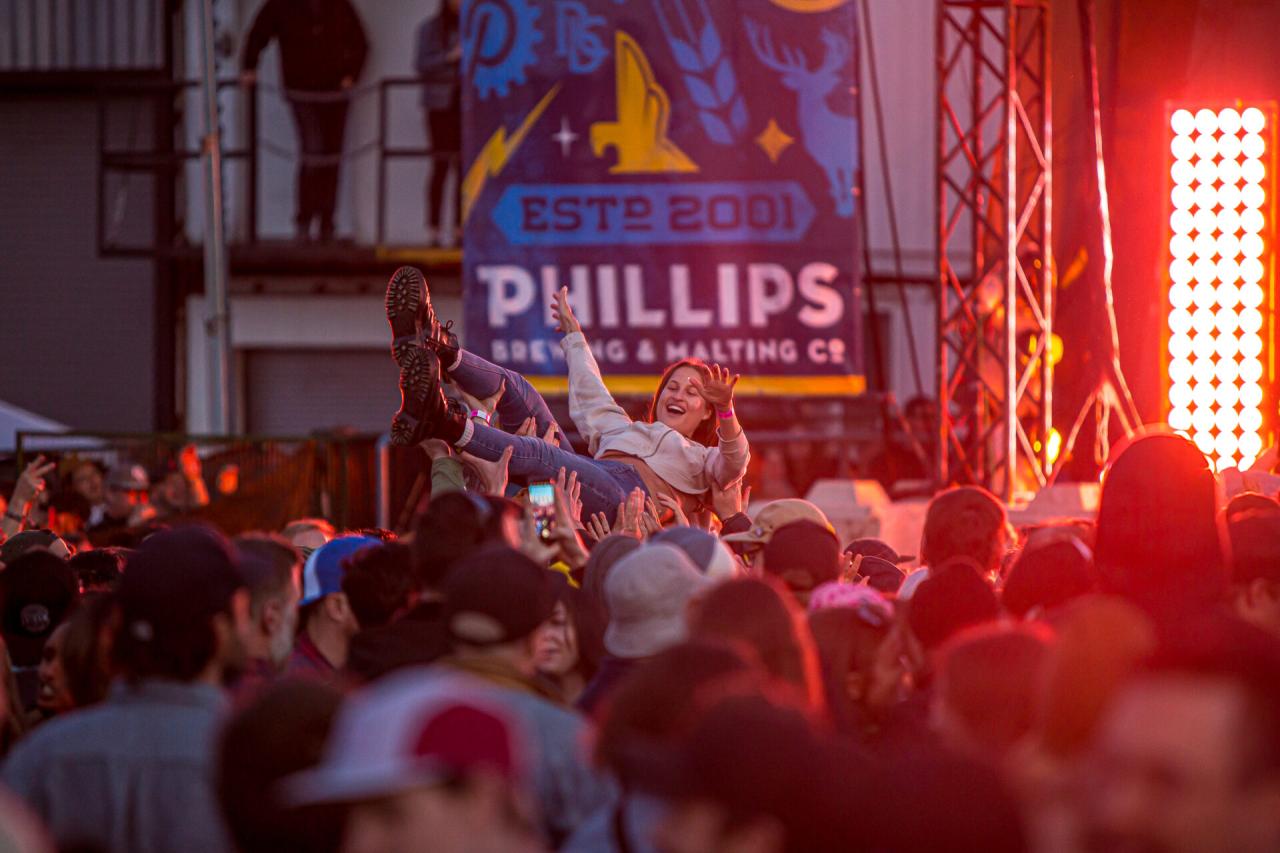
Creating a memorable festival experience relies heavily on offering a variety of engaging activities that cater to all age groups. A well-rounded selection of entertainment ensures that families, adults, and children alike have something to enjoy, fostering a sense of community and excitement throughout the event. Incorporating diverse options not only attracts a broader audience but also keeps attendees entertained and engaged for the duration of the festival.
Sourcing local talent for entertainment is crucial in creating a unique festival atmosphere. Local musicians and performers often bring a sense of authenticity and community pride that enhances the overall experience. Engaging with local arts organizations, community centers, and schools can be a fruitful approach to discovering talented individuals who are eager to showcase their skills. Additionally, utilizing social media platforms to reach out to local performers can provide an effective way to highlight hidden gems in the community.
Diverse Activities for All Age Groups
The festival should include a range of activities that appeal to different demographics. Here’s a curated list of engaging activities suitable for families, adults, and children:
- Live Music Performances: Featuring local bands and solo artists across various genres to cater to diverse musical tastes.
- Interactive Workshops: Creative workshops such as painting, pottery, or dance classes, ideal for both adults and kids.
- Kids’ Zone: Dedicated area for children with bounce houses, face painting, and arts & crafts to keep them entertained.
- Food and Drink Tastings: Offering local delicacies and craft beverages, allowing adults to explore flavors while kids enjoy fun treats.
- Community Games: Organizing group activities like tug-of-war, sack races, or scavenger hunts to promote teamwork and friendly competition.
- Art Exhibitions: Showcasing local artists’ work, providing an opportunity for attendees to appreciate and purchase unique pieces.
Scheduling Events Throughout the Day
Proper scheduling of activities is essential for maintaining attendee engagement. A well-structured timetable helps to maximize participation and enjoyment across the festival. Here are some tips to ensure a smooth flow of events:
1. Stagger Start Times: Schedule events in a staggered manner to prevent overlapping, allowing attendees to experience multiple activities without missing out.
2. Create Themed Time Slots: Designate specific times for family-friendly activities, adult-focused workshops, and evening entertainment to cater to different audiences.
3. Utilize Breaks: Incorporate short breaks between events for attendees to relax, socialize, and enjoy the festival ambiance.
4. Engaging Announcements: Use a central stage or designated area for announcements to keep attendees informed about upcoming activities and highlight any special performances.
5. Feedback Opportunities: Provide ways for attendees to share their preferences and experiences throughout the day, allowing for adjustments to be made in real-time for optimal engagement.
“Engaging activities and effective scheduling are key to creating a vibrant festival atmosphere that resonates with all attendees.”
Food and Refreshments
Offering a delightful variety of food options is essential for enhancing the overall experience of your Backyard Festival. Catering to diverse tastes and dietary needs not only satisfies attendees but also creates an inclusive atmosphere that encourages everyone to enjoy the festivities. A well-thought-out menu can elevate the event, making it memorable and enjoyable for all guests.
Collaborating with local food vendors and caterers not only supports the community but also ensures that you have access to fresh, high-quality ingredients. Building partnerships with local suppliers can enhance the festival experience significantly, as these vendors often have unique offerings that reflect the local culture and culinary traditions. When selecting vendors, consider those who have a reputation for excellent service and a commitment to sustainability, as this resonates well with festival-goers who appreciate eco-friendly practices.
Variety of Food Options
It is vital to consider the culinary diversity needed for a successful festival menu. Offering a range of food options caters to different dietary preferences and restrictions, ensuring that everyone finds something they can enjoy. Here are key food categories to include:
- Vegetarian and Vegan Options: Many attendees appreciate plant-based meals, so including dishes like roasted vegetable skewers or vegan tacos can be a hit.
- Gluten-Free Selections: Providing gluten-free options, such as quinoa salads or corn tortillas, accommodates those with gluten sensitivities.
- Local Specialties: Incorporating local dishes showcases regional flavors, such as barbecue or seafood platters, that resonate with attendees.
- Sweet Treats: A selection of desserts, like local pastries or fruit-based treats, can make for a satisfying conclusion to the meal.
Offering a variety of food options not only delights attendees but also creates an inclusive atmosphere that enhances their overall festival experience.
Collaboration with Local Vendors
Partnering with local food vendors and caterers brings numerous benefits to your Backyard Festival. Engaging local businesses fosters community spirit and can lead to unique culinary experiences that reflect the area’s cultural heritage. Here are some effective strategies for collaboration:
- Vendor Outreach: Start by reaching out to local restaurants and catering companies known for their quality and variety. Establishing a rapport can result in customized menus that suit your theme.
- Sampling Events: Organizing tasting sessions with potential vendors allows you to gauge the quality and presentation of their offerings.
- Cross-Promotion: Encourage vendors to promote the festival in their establishments, which can drive additional traffic to both the event and their businesses.
- Event Logistics: Work with vendors to ensure they can accommodate the expected crowd size and have the necessary equipment, such as food trucks or tents, for serving.
Creating a Thematic Menu
A well-crafted menu that reflects the festival’s theme and local culture can leave a lasting impression on attendees. The connection between food and the festival theme creates an engaging experience that enhances the festive atmosphere. Here are suggestions to achieve this:
- Seasonal Ingredients: Utilize ingredients that are in season, as they are often at their freshest and most flavorful. This also supports local farmers.
- Traditional Dishes: Include dishes that are historically significant to the area, which can provide educational insights while tantalizing taste buds.
- Interactive Food Stations: Consider setting up food stations where guests can customize their meals, such as build-your-own taco or salad bars, which adds an element of fun.
- Cultural Representation: Highlight diverse culinary traditions to celebrate the community’s multicultural aspects, making everyone feel included and appreciated.
By thoughtfully selecting a variety of food options and collaborating with local vendors, your Backyard Festival can create a vibrant culinary experience that resonates with attendees, reflecting both the theme of the event and the rich culture of the area.
Promoting Your Backyard Festival to Maximize Attendance
Promoting your backyard festival effectively is essential to ensure a vibrant turnout and create a memorable experience for all attendees. Utilizing a combination of modern marketing techniques and community engagement can significantly boost your festival’s visibility and attract a wider audience. Here’s how to effectively spread the word and maximize attendance.
Strategies for Effective Marketing
Implementing a well-rounded marketing strategy that engages both online and traditional platforms can create buzz around your festival. The integration of social media channels is particularly effective in reaching diverse demographics.
- Leverage Social Media: Utilize platforms like Facebook, Instagram, and Twitter to create event pages, share updates, and post engaging content such as countdowns and sneak peeks of festival activities. For example, posting photos of past festivals or behind-the-scenes preparations can generate excitement.
- Utilize Local Influencers: Collaborate with local influencers or community figures who can promote your festival to their followers, enhancing credibility and reach.
- Traditional Advertising: Don’t underestimate the power of flyers, posters, and local newspaper ads. Distributing promotional materials in community centers, local businesses, and schools can effectively target residents in your area.
Role of Community Partnerships
Forming partnerships with local businesses, non-profits, and community organizations can help broaden your festival’s audience reach. Collaboration fosters a sense of community and encourages local organizations to promote the festival to their supporters.
- Sponsorship Opportunities: Engage local businesses to sponsor parts of your festival, such as food stalls or entertainment, which can also include their branding in promotional materials, resulting in mutually beneficial exposure.
- Cross-Promotion: Work with local organizations to cross-promote your event through newsletters, websites, and social media channels, thus tapping into their existing customer bases.
- Community Involvement: Encourage local schools or clubs to participate in the festival by hosting booths, which can increase attendance from their members and families.
Building Anticipation through Pre-Festival Events
Creating excitement prior to the main event significantly contributes to higher attendance. Pre-festival promotions and events can engage potential attendees and generate buzz.
- Countdown Promotions: Initiate a countdown campaign on social media or through email newsletters, providing updates on performers, food vendors, or special attractions that will be at the festival.
- Pre-Festival Events: Organize smaller community events leading up to the festival, such as a kick-off party or teaser events, to build engagement and anticipation.
- Contests and Giveaways: Host contests on social media that reward participants with free tickets or festival-related merchandise. This not only engages your audience but also encourages them to share the event with friends.
Safety Measures and Regulations for Hosting a Backyard Festival
Hosting a backyard festival can be an enjoyable experience for all involved, but it requires diligent planning to ensure the safety of guests and compliance with local regulations. Implementing robust safety measures helps to mitigate risks and ensures a smooth event while adhering to legal requirements.
Establishing an effective safety protocol is crucial for managing crowd dynamics and preparing for emergencies. This includes identifying potential hazards and creating a clear plan for dealing with them. It’s also essential to understand and comply with regulations surrounding noise levels, food preparation, and necessary permits to create a safe and enjoyable atmosphere.
Essential Safety Protocols
Implementing essential safety protocols enhances the overall experience of the festival while keeping guests safe. Key protocols to consider include:
- Crowd Control Measures: Designate areas for different activities, and ensure adequate space for movement. Employ staff or volunteers to monitor crowd density and manage entry and exit points effectively.
- Emergency Plans: Develop a comprehensive emergency response plan that includes evacuation routes, designated meeting points, and procedures for responding to medical emergencies. Familiarize staff with their roles in emergencies.
- First Aid Provisions: Arrange for a first aid station staffed by qualified individuals and ensure that a sufficient supply of basic medical equipment is available on-site.
Regulations Regarding Noise and Permits
Compliance with local regulations is vital when hosting a backyard festival. Relevant regulations to consider include:
- Noise Ordinances: Check local noise regulations to determine allowable sound levels and curfews. This helps in avoiding disturbances to neighbors and potential fines.
- Special Permits: Depending on local laws, you may need to obtain permits for hosting the event, especially if serving food or alcohol, or if expecting a large crowd. Contact the local authorities to verify requirements.
- Food Safety Regulations: Adhere to local health department regulations regarding food preparation and handling if providing food. Ensure that food vendors are certified and knowledgeable about hygiene practices.
Conducting a Risk Assessment
Conducting a thorough risk assessment prior to the festival is an essential step in ensuring a safe environment. This involves identifying potential hazards and evaluating the risks associated with them. A framework for a comprehensive risk assessment should include:
- Hazard Identification: List all potential hazards that could affect the safety of guests, including physical hazards (like uneven ground), environmental factors (like weather), and health risks (like allergies).
- Risk Evaluation: Assess the likelihood and severity of each identified hazard. This helps to prioritize which risks need immediate attention and mitigation strategies.
- Control Measures: Develop strategies to mitigate identified risks, such as providing adequate lighting, ensuring pathways are clear, and having sufficient staff to monitor activities.
- Review and Revise: After the event, review the safety protocols and risk assessment process to improve for future festivals. Gather feedback from your team and guests to identify potential improvements.
“Safety is not just a priority; it’s an integral part of our event planning.” – Event Safety Expert
Eco-Friendly Practices for a Sustainable Backyard Festival

Planning a backyard festival with sustainability in mind not only reduces environmental impact but also sets a positive example for attendees. By integrating eco-friendly practices, festival organizers can create an enjoyable experience that promotes environmental consciousness. Implementing these practices encourages community involvement and fosters a sense of responsibility towards the planet.
To ensure the festival is environmentally sustainable, consider the following list of practices that can be integrated into the planning process. Each practice contributes to reducing waste, conserving resources, and promoting a greener event.
Sustainable Practices for Planning
The following sustainable practices can be seamlessly woven into the fabric of your backyard festival, enhancing both its appeal and its ecological footprint:
- Utilize biodegradable or compostable utensils and plates to minimize plastic waste.
- Implement a recycling program with clearly labeled bins to encourage responsible waste disposal.
- Source local and organic food to reduce carbon emissions from transportation and support local businesses.
- Encourage attendees to bring reusable water bottles and provide water refill stations to reduce single-use plastic.
- Use eco-friendly decorations, such as natural foliage or upcycled materials, to create a vibrant atmosphere without harming the environment.
- Opt for energy-efficient lighting and sound systems powered by renewable energy sources.
Promoting eco-friendly vendors and activities can significantly enhance the sustainability of the festival. By collaborating with vendors who prioritize environmental stewardship, the festival can showcase a variety of products and services that align with eco-conscious values. This not only supports small businesses but also educates attendees about sustainable choices they can make in their daily lives.
Benefits of Eco-Friendly Vendors
Incorporating eco-friendly vendors offers numerous advantages that extend beyond the festival itself. Highlighting these benefits can help in understanding the broader impact of such collaborations:
- Encouraging attendees to discover sustainable products, fostering a culture of responsible consumerism.
- Attracting a demographic that values sustainability, which can boost attendance and engagement.
- Creating opportunities for community education through workshops or demonstrations on sustainable practices.
- Building partnerships with local businesses, enhancing community ties and economic resilience.
There are several successful eco-conscious festivals that have made significant strides in promoting sustainability. These events serve as powerful examples of how commitment to environmental responsibility can yield positive results.
Examples of Successful Eco-Conscious Festivals
Some notable eco-friendly festivals have gained recognition for their impactful initiatives, demonstrating what is possible when sustainability is prioritized:
- The Green Gathering in the UK focuses on sustainability with a zero-waste policy, using renewable energy and promoting local artisans.
- Burning Man incorporates eco-friendly practices such as leave-no-trace policies and renewable energy usage, inspiring participants to minimize their environmental footprint.
- Sierra Nevada World Music Festival emphasizes local and organic food, providing a platform for eco-friendly vendors and promoting conservation awareness.
Through the integration of these sustainable practices, promotion of eco-friendly vendors, and lessons learned from successful eco-conscious festivals, a backyard festival can become a model for sustainability, inspiring attendees to adopt greener habits beyond the event.
Post-Festival Reflection
After the excitement of the Backyard Festival winds down, taking time to reflect on the event’s successes and challenges is crucial for future improvements. Gathering insights from both attendees and vendors helps identify what worked well and what could be enhanced. This reflection not only informs future planning but also fosters a culture of continuous improvement within the organizing team.
Gathering feedback from various stakeholders is essential for optimizing future festivals. Engaging participants in the feedback process creates an opportunity to understand their experiences and expectations. It’s important to create a structured approach for collecting this feedback, ensuring it covers various aspects of the festival, such as logistics, programming, and overall satisfaction. A combination of surveys, informal conversations, and suggestion boxes can yield valuable insights.
Conducting a Debriefing Session
Debriefing sessions serve as an essential platform for organizers and volunteers to evaluate the festival comprehensively. These sessions should be scheduled shortly after the event while the experiences are still fresh in everyone’s minds. A structured agenda can facilitate open discussions about each component of the festival, including planning, execution, and attendee engagement.
Key steps for conducting a successful debriefing session include:
- Setting a welcoming environment that encourages honesty and openness among participants.
- Reviewing the event timeline and discussing key moments, both positive and negative.
- Encouraging volunteers and organizers to share their personal experiences and recommendations for improvement.
- Documenting noteworthy points, including any recurring themes identified during discussions.
Utilizing visual aids, such as charts or graphs, can help summarize participant feedback and identify trends effectively. This visual representation aids in grasping the overall sentiment towards various festival elements.
Documenting Lessons Learned
Creating a robust documentation method for lessons learned is vital for informing future planning efforts. Establishing a central repository—such as a shared drive or project management tool—can help keep track of all insights collected during the post-festival evaluation process.
When documenting lessons learned, it’s beneficial to consider the following components:
- Categorizing feedback: Organize insights by themes such as logistics, marketing, entertainment, and vendor relations.
- Highlighting key takeaways: Focus on specific actions that led to success or areas that need improvement.
- Creating an action plan: Artikel steps for addressing issues or implementing suggestions for the next festival.
Integrating these lessons into the planning process can significantly enhance the quality of future events, ensuring that past mistakes are addressed and successful strategies are replicated. Documenting and reflecting on experiences fosters a growing knowledge base that supports the festival’s evolution over the years.
Closure
As we reflect on the joys of the Backyard Festival, it’s clear that the essence of such events lies in their ability to unite people and celebrate local culture. By taking the lessons learned and feedback gathered from each festival, we can continually enhance future gatherings, ensuring they remain engaging and enjoyable for all. Here’s to many more successful festivals that bring our communities closer together!
Questions and Answers
What is a Backyard Festival?
A Backyard Festival is a community-oriented event held in residential backyards featuring activities, food, and entertainment, designed to celebrate local culture.
How can I get involved in planning a Backyard Festival?
You can join local organizing committees, volunteer, or collaborate with community members and businesses to bring your ideas to fruition.
What types of activities are typically included?
Activities often include games, live music, crafts, and food stalls, catering to all ages to ensure everyone has something to enjoy.
How do I promote my Backyard Festival?
Utilize social media, local community boards, and partnerships with local businesses to spread the word and generate excitement.
Are there any specific safety measures I should consider?
Yes, it’s important to establish crowd control, emergency plans, and adhere to local regulations regarding permits and food safety.
Can I have eco-friendly practices at my festival?
Absolutely! Incorporating recycling stations, using biodegradable materials, and collaborating with eco-conscious vendors can enhance sustainability.