
 Eric
EricAnother year wiser is more than a simple phrase; it encapsulates the journey of self-discovery and growth that we all experience as we navigate through life’s complexities. Each year brings with it challenges that shape our understanding and enrich our perspectives, allowing us to evolve into wiser individuals. Through the lens of personal development, we find that wisdom is not just a product of age but a reflection of our experiences, reflections, and the lessons we learn along the way.
As we dive deeper into this concept, we uncover how moments of reflection, celebrating milestones, and embracing mentorship can significantly enhance our wisdom. These elements contribute to a richer understanding of ourselves and the world around us, making the journey of becoming wiser an ongoing adventure filled with valuable insights.
Understanding the concept of ‘Another year wiser’ in personal growth
The phrase “Another year wiser” encapsulates the essence of personal growth and the journey we undertake through life. It signifies not just the passage of time, but the accumulated experiences and insights that contribute to our maturity and understanding of the world. With each year, we encounter various situations that challenge us, teach us, and shape our perspectives, allowing us to emerge with greater wisdom.
As we navigate through life, our experiences play a crucial role in developing our wisdom. Wisdom is not merely about knowledge; it encompasses understanding, compassion, and the ability to make sound judgments. Life experiences, both positive and negative, provide valuable lessons that contribute to our personal growth. Through reflection on these experiences, we learn to navigate similar situations more adeptly in the future, reinforcing the idea that growth often stems from overcoming challenges.
Life Experiences Contributing to Wisdom
The connection between life’s challenges and the wisdom gained is profound. Each struggle often transforms into an opportunity for growth, leading to deeper insights about ourselves and the world around us. Below are key examples illustrating how individuals gain wisdom through adversity:
- Facing Failure: Experiencing failure in professional or personal endeavors can lead to critical lessons. For instance, a business owner who faces bankruptcy may learn the importance of financial management and strategic planning, resulting in a more resilient approach for future ventures.
- Overcoming Loss: The loss of a loved one often teaches individuals about the value of relationships and the importance of cherishing moments. Such experiences can foster empathy and a greater appreciation for life, encouraging individuals to live more fully.
- Health Challenges: Battling a serious illness can impart significant wisdom regarding self-care and priorities. Individuals who recover often emerge with a renewed focus on their health and well-being, as well as a deeper understanding of the fragility of life.
“Wisdom is not a product of schooling but of the lifelong attempt to acquire it.” – Albert Einstein
Each of these situations exemplifies how navigating difficulties can lead to profound realizations, ultimately contributing to a richer, wiser perspective on life. As we look back on our experiences year after year, we find that the essence of being “another year wiser” is rooted deeply in these transformative moments.
The role of reflection in becoming wiser each year
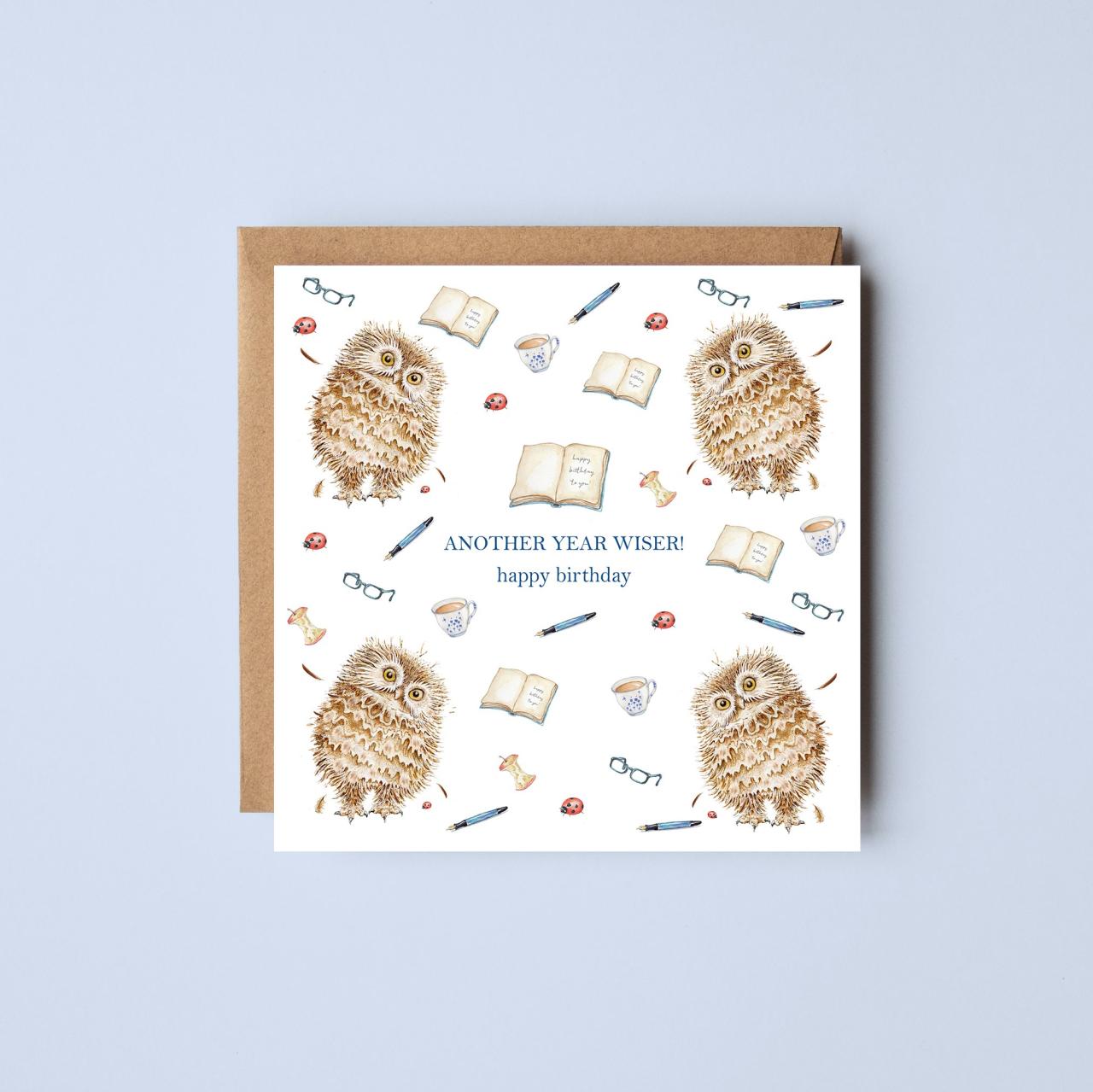
Reflection serves as a powerful tool for personal development and wisdom. As we navigate through life, the experiences we encounter—both good and bad—shape our perspectives and inform our decisions. Taking the time to reflect on these experiences allows us to comprehend our growth over the years, leading to greater self-awareness and insight. This practice helps us to not only learn from our mistakes but also to celebrate our achievements, ultimately making us wiser individuals.
Self-reflection is crucial in assessing personal growth and understanding past experiences. It provides a structured way to evaluate our thoughts, feelings, and behaviors, allowing for a deeper understanding of ourselves. This process can highlight patterns in our decisions and help identify areas for improvement. Engaging in regular reflection fosters resilience and adaptability, equipping us with the knowledge needed to face future challenges with confidence.
Methods for effective reflection
Incorporating reflection into daily routines can enhance the understanding of one’s experiences and facilitate personal growth. Here are some effective methods individuals can use:
- Journaling: Writing down thoughts and feelings on a regular basis encourages clarity and helps track progress over time.
- Mindfulness Meditation: Practicing mindfulness allows individuals to observe their thoughts without judgment, promoting greater self-awareness.
- Feedback from Others: Seeking constructive feedback from trusted friends or mentors can provide new insights and perspectives.
- Guided Reflection Exercises: Using structured prompts or questions can help focus the reflection process and lead to deeper insights.
- Setting Aside Time: Dedicating specific times for reflection, such as weekly or monthly reviews, can establish a routine that prioritizes personal growth.
Reflective questions play a significant role in guiding individuals toward deeper insights. These questions encourage critical thinking and can lead to breakthroughs in self-understanding. Below are some reflective questions that can aid in gaining insights from experiences:
- What have I learned from my experiences this year?
- How have my actions aligned with my values?
- What challenges did I face, and how did I respond to them?
- What achievements am I most proud of, and why?
- How have my relationships evolved over the past year?
- In what ways have I stepped out of my comfort zone?
- What patterns or habits do I notice in my behavior?
- What would I do differently if I could relive any significant moment?
Engaging with these methods and questions regularly not only promotes understanding of past experiences but also fosters a mindset geared toward continuous personal improvement. As individuals reflect on their journey, they cultivate wisdom that enhances their approach to life’s challenges.
Celebrating milestones and the wisdom gained through them
Life is a series of milestones, each representing a significant change or achievement that shapes our journey and increases our wisdom. Whether it’s graduating from school, entering a new job, or embarking on a lifelong partnership, these moments teach us valuable lessons and provide insights that enrich our lives. Recognizing and celebrating these milestones not only honors the effort and growth that led to them but also reinforces the wisdom gained during these transformative experiences.
Various life milestones contribute to the accumulation of wisdom. Key events often include:
Common Life Milestones Contributing to Wisdom
These significant moments often serve as catalysts for personal growth and reflection. Here are a few notable milestones that many people experience:
- Graduation: Completing an educational program opens doors to new opportunities and experiences, fostering critical thinking and independence.
- Marriage: Entering into a commitment with a partner teaches valuable lessons in communication, compromise, and partnership.
- Career Changes: Transitioning jobs or diving into new career paths encourages adaptability and resilience, pushing individuals to learn and grow.
- Parenthood: Raising children challenges one’s patience, empathy, and understanding, leading to profound personal development.
- Retirement: Stepping away from a long-term career can provide time for reflection on life’s achievements and future possibilities, often sparking new interests.
Celebrating these milestones can reinforce the wisdom gained through them. Acknowledgment and celebration serve as affirmations of personal growth and provide an opportunity to reflect on lessons learned. It is essential to carve out time to recognize these achievements, whether through quiet reflection, a gathering with loved ones, or a personal ritual.
Strategies for Creating a Personal Milestone Celebration
Crafting a celebration that emphasizes growth and wisdom can be both fulfilling and memorable. Here are effective strategies to consider when planning such a celebration:
- Reflect on Achievements: Before celebrating, take a moment to reflect on the journey that led to this milestone. Consider journaling or creating a vision board that highlights key experiences and lessons learned.
- Gather Loved Ones: Sharing the milestone with friends and family can enhance the experience. Consider hosting a small gathering where stories and experiences can be shared, fostering a deeper connection.
- Create a Personal Ritual: Develop a unique tradition that honors your journey, such as lighting a candle, planting a tree, or writing a letter to your future self.
- Document the Occasion: Capture the moment through photos or videos. This documentation serves as a tangible reminder of your growth and achievements, allowing for future reflection.
- Set Future Intentions: Use the celebration as a time to set new goals. Reflect on how the wisdom gained can guide future decisions and aspirations.
By thoughtfully recognizing and celebrating life’s milestones, individuals can cultivate a deeper understanding of their journeys and the wisdom that comes with them. Each celebration becomes a powerful reminder of growth, resilience, and the lessons learned along the way.
The impact of mentorship on gaining wisdom over the years
Mentorship plays a pivotal role in developing personal wisdom and growth throughout one’s life. Engaging with mentors allows individuals to tap into a well of experience and knowledge that can significantly influence their journey. Mentorship provides a unique opportunity for learners to gain insights from those who have traversed similar paths, thus accelerating their own growth and understanding.
Influence of Mentorship on Personal Growth
The relationship with a mentor can dramatically shape an individual’s approach to challenges and decision-making. Mentors not only offer guidance but also encourage critical thinking and self-reflection, essential components in the quest for wisdom. A mentor’s feedback and perspective can illuminate blind spots, offering mentees a broader view of their circumstances and potential.
-
“A mentor is someone who sees the talent in you and helps you grow it.”
This perspective fosters an environment where mentees feel valued and recognized, propelling them toward greater self-confidence.
- Mentors often share personal stories of their successes and failures, creating relatable learning experiences. This narrative approach helps individuals learn vicariously, grasping lessons that might take years to understand through trial and error.
- Regular interactions with mentors encourage the development of soft skills, such as communication and interpersonal relations. These skills are vital for navigating both personal and professional landscapes.
Finding and Establishing Meaningful Mentorship Relationships
Establishing a meaningful mentorship relationship requires intentional effort and clear goals. It is crucial to identify individuals who not only have the desired knowledge and experience but also share similar values and interests. Here are some effective strategies to foster these relationships:
- Network within your industry: Attend conferences, workshops, and seminars where potential mentors might be present. Engaging in discussions and sharing your aspirations can lead to organic mentorship opportunities.
- Leverage social media and professional platforms: Websites like LinkedIn can connect you with influential figures in your field. Thoughtful outreach messages can initiate conversations that may blossom into mentorships.
- Join industry-related groups or associations: Many organizations offer mentorship programs that match seasoned professionals with those seeking guidance, providing a structured environment for mentorship to thrive.
Stories of Individuals Benefiting from Mentorship
Numerous individuals have transformed their lives through mentorship, illustrating its profound impact on personal wisdom. One notable example is Oprah Winfrey, whose mentorship with media mogul Maya Angelou guided her through the complexities of the entertainment industry. Oprah credits Angelou with instilling confidence and a sense of purpose in her career.
Another compelling story is that of Steve Jobs, who, during his time at Atari, sought mentorship from Nolan Bushnell. Bushnell’s insights on creativity and innovation influenced Jobs’s approach to product development, laying the groundwork for his future success at Apple.
These narratives exemplify how mentorship can unlock potential, providing direction and wisdom that shape personal and professional trajectories. Ultimately, engaging with mentors fosters a culture of learning and growth that continues to enrich individuals throughout their lives.
The connection between age and the perception of wisdom
The relationship between age and wisdom is often intertwined with societal norms and cultural beliefs. Many culture narratives suggest that with age comes not only experience but also wisdom. However, the reality of wisdom is more complex, as it is shaped by individual experiences at various life stages. This discussion delves into how societal beliefs about wisdom contrast with the reality of its acquisition and how perceptions of wisdom can differ across cultures.
Understanding the connection between age and wisdom reveals important insights about how wisdom is perceived. Commonly, society holds a belief that older individuals possess more wisdom simply due to their age. However, wisdom is not solely determined by the number of years lived but is influenced significantly by the richness of life experiences.
Differences in the perception of wisdom across cultures
Cultural contexts play a significant role in shaping how wisdom is perceived and valued. Across various communities, the definition of wisdom can vary greatly, affecting how age is related to this qualitative trait.
In some cultures, wisdom is seen as a product of age and a lifetime of experiences. For instance, many Indigenous cultures honor elders as the keepers of knowledge, attributing great respect and authority to their opinions and insights. In these societies, the wisdom gained from years of living is often considered invaluable, and older individuals are seen as invaluable resources for guidance and decision-making.
Conversely, other cultures may emphasize practical knowledge and situational adaptability over age. For example, in fast-paced environments like technology-driven industries, younger individuals may be perceived as wiser due to their familiarity with new tools and innovative approaches. This reality illustrates that wisdom can be situated within the context of specific experiences and age is not necessarily indicative of a deeper understanding.
Challenging age-related stereotypes about wisdom is essential for promoting a more inclusive view of knowledge. It is crucial to recognize that individuals of any age can exhibit wisdom, and society should encourage the sharing of perspectives regardless of one’s life stage.
In light of this, individuals can take steps to confront these stereotypes:
- Engage in intergenerational dialogue: Encouraging conversations across age groups helps to bridge the gap in understanding and appreciation of different experiences.
- Value diverse perspectives: Recognizing that wisdom can emerge from various backgrounds and experiences allows for a richer understanding of knowledge.
- Promote mentorship programs: Creating opportunities for individuals of different ages to mentor one another fosters mutual respect and sharing of wisdom.
Wisdom is not confined to age; it is shaped by the experiences and insights of individuals throughout their lives.
Learning from failure as a pathway to becoming wiser
Failure is often seen as a setback, but it can also serve as a powerful teacher, imparting valuable lessons that lead to personal growth and wisdom. Embracing failure allows individuals to analyze their missteps, understand their implications, and emerge stronger and more knowledgeable. Each failure presents an opportunity to reflect, adapt, and ultimately thrive, fostering resilience and insight.
Experiencing failure can illuminate areas for improvement, encouraging a mindset shift towards growth. By viewing failures as stepping stones rather than obstacles, individuals can cultivate a more constructive perspective on their experiences. This reframing process involves recognizing the benefits that come from setbacks, such as increased resilience, creativity, and a deeper understanding of one’s own capabilities.
Lessons learned from failure
Failures often reveal critical lessons that contribute to personal wisdom. These lessons can include:
- Adaptability: Learning to adjust strategies and approaches in response to challenges.
- Self-awareness: Gaining insights into strengths and weaknesses that can guide future decisions.
- Perseverance: Developing the ability to persist in the face of adversity, reinforcing the importance of resilience.
- Empathy: Fostering a deeper understanding and compassion for others who face similar struggles.
- Innovation: Encouraging creative problem-solving as individuals explore new solutions after a setback.
Each of these lessons contributes to an individual’s overall wisdom, enhancing their decision-making and problem-solving capabilities in future endeavors.
Strategies for reframing failures
Reframing failures as opportunities can significantly impact personal growth. Here are some effective strategies:
- Adopt a growth mindset: Embrace the belief that abilities and intelligence can be developed through dedication and hard work.
- Reflect on failures: Take time to analyze what went wrong and identify specific lessons learned.
- Set realistic expectations: Recognize that setbacks are a natural part of the journey towards success and not a reflection of one’s worth.
- Seek feedback: Engage with trusted peers or mentors to gain external perspectives on failures and areas for improvement.
- Practice self-compassion: Treat oneself with kindness and understanding after experiencing failure, rather than harsh self-criticism.
Utilizing these strategies helps individuals transform negative experiences into positive learning opportunities, ultimately paving the way to greater wisdom.
Notable figures who turned failures into wisdom
History is replete with examples of influential individuals who transformed their failures into valuable lessons and achievements. Their journeys illustrate the power of resilience and learning from setbacks. Some notable figures include:
- Thomas Edison: Famously quoted, “I have not failed. I’ve just found 10,000 ways that won’t work,” Edison exemplified perseverance, leading to the invention of the light bulb after numerous unsuccessful attempts.
- J.K. Rowling: Before the success of the Harry Potter series, Rowling faced multiple rejections and personal hardships, using those experiences to enrich her storytelling and resilience.
- Walt Disney: After being fired from a newspaper for lacking creativity, Disney went on to create an entertainment empire, proving that initial failures can lead to monumental success.
- Steve Jobs: After being ousted from Apple, he learned valuable lessons about leadership and innovation, which he applied when he returned to transform the company.
- Oprah Winfrey: Overcoming a tumultuous childhood and early career setbacks, Winfrey became a media mogul, using her experiences to connect with and inspire others.
These individuals exemplify the transformative power of learning from failure, demonstrating that each setback can serve as a stepping stone towards greater knowledge and success.
The significance of continuous learning in the pursuit of wisdom
The journey toward wisdom is intrinsically linked to the concept of lifelong learning. As we navigate through different stages of life, our experiences and knowledge accumulate, shaping our perspectives and decisions. Continuous learning enriches this process, enabling individuals to adapt, grow, and cultivate deeper insights over time. It transforms knowledge into practical understanding and equips us with the tools necessary for thoughtful decision-making.
Learning is not a one-time event; it is an ongoing process that enhances our ability to reflect and make informed choices. Engaging in lifelong learning helps us stay relevant in an ever-changing world, where new information and technologies emerge regularly. The pursuit of wisdom through continuous learning can be facilitated by various resources and techniques that promote personal development.
Resources for Continuous Personal Development
Numerous resources are available to support continuous learning and personal growth. These resources serve as valuable tools for individuals seeking to expand their knowledge base and enhance their wisdom. Here are some noteworthy examples:
- Books: Classic texts such as “Meditations” by Marcus Aurelius or “The Art of War” by Sun Tzu offer timeless wisdom applicable across various life situations. Modern books like “Thinking, Fast and Slow” by Daniel Kahneman provide insights into cognitive biases that affect decision-making.
- Online Courses: Platforms like Coursera and edX offer courses on diverse topics, from philosophy to technology, often taught by leading experts in their fields. These courses can deepen understanding and provide fresh perspectives.
- Podcasts and Audiobooks: Engaging in podcasts such as “The Tim Ferriss Show” or “The Knowledge Project” allows listeners to absorb insights from thought leaders and innovators while multitasking in daily life.
- Workshops and Seminars: Attending local workshops or seminars can facilitate hands-on learning experiences, allowing participants to interact with others and share ideas, enhancing the learning process.
Integrating these resources into your routine can significantly impact your journey toward wisdom.
Techniques for Integrating Learning into Daily Routines
Fostering a habit of continuous learning often requires intentionality and structure. Here are some effective techniques to seamlessly incorporate learning into everyday life:
- Set Specific Goals: Define clear learning objectives, such as reading a new book each month or completing a course within a set timeframe. This creates a structured approach to your learning journey.
- Daily Reflection: Spend a few minutes each day reflecting on what you’ve learned. Journaling can be an effective way to consolidate knowledge and insights, making them more meaningful.
- Mix Learning with Routine Activities: Listen to educational podcasts or audiobooks during commutes or while exercising. This multitasking approach allows for learning without significantly altering your schedule.
- Join Study Groups or Discussion Forums: Engaging with others who share similar learning interests fosters a collaborative environment that can enhance understanding and retention of new concepts.
By incorporating these techniques into your daily routine, you cultivate an environment that nurtures ongoing wisdom and enhances your capacity for personal growth.
“Lifelong learning is the key to unlocking the door of wisdom.”
The cultural variations in the understanding of wisdom over time
Different cultures have distinct interpretations of wisdom, shaped by their unique histories, philosophies, and social norms. This variation influences not only how wisdom is defined but also how it is pursued and valued within communities. Understanding these cultural differences offers insights into the broader human experience and the diverse paths individuals take toward personal growth.
In Western cultures, wisdom is often associated with knowledge, experience, and the ability to make sound judgments. It is frequently depicted as a linear progression, where age and knowledge acquisition directly correlate with wisdom. In contrast, many Eastern cultures emphasize harmony, relational understanding, and an intuitive grasp of life’s complexities as key components of wisdom. This perception of wisdom may prioritize emotional intelligence and interpersonal skills over mere intellectual attainment.
Rituals and practices emphasizing wisdom
Various cultures have developed specific rituals and practices that highlight the importance of wisdom in their societies. These customs serve to honor wise individuals and to pass on knowledge from one generation to the next. The following examples illustrate how different cultures integrate wisdom into their traditions:
- Indigenous Wisdom Traditions: Many Indigenous cultures have storytelling as a fundamental practice, where elders share life lessons and cultural heritage through oral narratives. These stories often contain moral and ethical teachings that guide community behavior.
- Philosophical Schools in Ancient Greece: The Greeks, particularly the Stoics, emphasized the importance of self-reflection and living in accordance with nature. Practices like journaling and philosophical discussions were common as tools to cultivate wisdom.
- Zen Buddhism: In Zen culture, meditation plays a crucial role in attaining wisdom. Through mindfulness and contemplation, practitioners aim to reduce distractions and achieve deeper insights into life’s truths.
- Native American Vision Quests: Many Native American tribes recognize the significance of vision quests as rites of passage for young individuals. These quests often involve solitude in nature, fostering a personal connection to wisdom and the guidance of spirits.
The implications of these cultural views on individual growth and personal identity are profound. They shape how individuals understand their place in the world and guide their moral compass. In cultures where wisdom is linked to community and relational dynamics, personal identity may be more collectively oriented. Conversely, in cultures that prioritize individual achievement, personal growth might be viewed as a solitary journey. Such differences highlight the diverse pathways through which people seek meaning and fulfillment in their lives, ultimately enriching the tapestry of human experience.
Epilogue

In conclusion, the path to becoming another year wiser is paved with experiences, reflections, and the willingness to learn from both successes and failures. Embracing this journey not only helps us celebrate our milestones but also reinforces the wisdom acquired along the way. By recognizing the different cultural perceptions of wisdom and the role of continuous learning, we can challenge stereotypes and redefine what it means to be wise, ensuring that each year adds depth to our understanding of life.
General Inquiries
What does “another year wiser” really mean?
It signifies the growth and wisdom gained through experiences over the past year.
How can self-reflection enhance my wisdom?
Self-reflection allows you to evaluate past experiences, learn from them, and apply those lessons to future situations.
Are there specific milestones that contribute to gaining wisdom?
Yes, milestones like graduation, marriage, or career changes often provide valuable lessons that enhance personal wisdom.
How can I find a mentor?
Look for individuals in your field of interest or those whose life experiences you admire, and don’t hesitate to reach out.
Can wisdom be gained from failure?
Absolutely! Failures often teach us crucial lessons that contribute significantly to our overall wisdom.
How does culture influence our understanding of wisdom?
Cultural beliefs shape how wisdom is defined and valued, with different practices highlighting its importance in personal growth.