
 Eric
Eric
Tropical Luau brings together the essence of Hawaiian culture, presenting a lively celebration that showcases traditional customs and community spirit. This festive gathering has its roots in ancient Hawaiian traditions and has evolved into a rich cultural experience that fosters connection and joy among participants.
From mouthwatering dishes to enchanting music and dance, a luau is more than just an event; it’s a heartfelt expression of the vibrant Hawaiian heritage. As we explore the elements that make a Tropical Luau special, we’ll uncover the layers of history, culinary delights, and the engaging performances that create unforgettable memories.
A Tropical Luau is a vibrant celebration of culture and community.
A Tropical Luau represents much more than a festive gathering; it encapsulates the heart and soul of Hawaiian culture. This lively celebration showcases traditional culinary delights, music, dance, and a strong sense of community that has evolved over centuries. The luau serves as a communal space, bringing together friends, family, and visitors to share in the rich heritage of the islands.
The historical significance of a luau within Hawaiian culture dates back to ancient times when these gatherings were held to celebrate significant events, such as births, marriages, and victories in battle. Initially, only high-ranking chiefs and their invited guests could partake, enjoying lavish feasts and hula performances. This exclusivity represented the power and status of the hosting chief, while also emphasizing the importance of community bonds through shared experiences.
Evolution of the Luau from Ancient to Modern Celebrations
Over the years, the luau has transformed into a more inclusive celebration that welcomes everyone, regardless of background. The transition began during the 19th century, as missionaries and Western influences introduced new foods and traditions to the islands. While traditional dishes like kalua pig and poi remain staples, modern luaus often incorporate a variety of culinary influences, reflecting Hawaii’s multicultural society.
The modern luau is characterized by lively music, vibrant hula dance, and colorful decorations, creating an inviting atmosphere. The use of tiki torches, flower leis, and lush tropical settings enhances the festive spirit. Luaus today often serve as a means for locals and tourists alike to connect, enjoy, and learn about Hawaiian culture, making it a truly enriching experience.
To illustrate the significance of the luau in fostering community bonding, consider the following aspects:
-
Encouragement of Intergenerational Connections:
Luaus provide a space for different generations to come together, share stories, and learn from one another.
-
Strengthening Local Identity:
Participation in luaus helps reinforce a sense of belonging and cultural pride among locals, as they celebrate their heritage.
-
Promotion of Friendship and Hospitality:
The welcoming nature of luaus encourages friendships to flourish, as new connections are made among attendees.
-
Encouraging Collaboration:
Organizing a luau often involves community members working together, fostering teamwork and camaraderie.
The luau stands as a testament to the resilience and adaptability of Hawaiian culture, continuing to thrive as a vibrant celebration of life, love, and community spirit. Through both traditional practices and modern interpretations, the luau remains a cherished event that binds people together in a joyful celebration of heritage and unity.
The essential elements that make up a traditional Tropical Luau.

A Tropical Luau is a vibrant celebration steeped in Hawaiian culture, characterized by its festive atmosphere, rich traditions, and communal spirit. Essential components that define this experience include the food, music, decor, and attire, all coming together to create an unforgettable event. Each element plays a crucial role in enriching the luau and providing guests with an authentic taste of Hawaiian culture.
Key Components of Food, Music, and Decor
The food at a luau is often a highlight, showcasing traditional Hawaiian dishes that reflect the rich agricultural bounty of the islands. Popular items include kalua pig, which is slow-cooked in an underground oven called an imu, and poi, a starch made from taro root. Accompanying these are a variety of tropical fruits like pineapple and mango, as well as side dishes such as mac salad and lomi lomi salmon.
Music is the heartbeat of any luau, with live performances featuring hula dancers and musicians playing traditional Hawaiian instruments like the ukulele and slack-key guitar. This musical backdrop not only entertains but also tells stories of the islands’ history and mythology, engaging guests in the cultural experience.
Decor enhances the luau atmosphere, often featuring vibrant floral arrangements, tiki torches, and colorful banners. The use of natural elements such as palm leaves and seashells contributes to the tropical vibe, creating an inviting space for guests to socialize and enjoy the festivities.
Traditional Hawaiian Attire
Traditional Hawaiian attire significantly enhances the luau experience, allowing guests to immerse themselves in the culture. Attire typically includes colorful, floral-patterned shirts known as Aloha shirts for men, while women often wear mu’umu’u or leis made from fresh flowers. The use of such clothing not only adds to the festive atmosphere but also signifies respect for Hawaiian customs and traditions.
Wearing traditional attire fosters a sense of belonging and encourages guests to embrace the spirit of aloha, which is central to Hawaiian hospitality. The vibrant colors and patterns reflect the lush landscapes of the islands, creating a visually stunning experience that complements the overall celebration.
Storytelling and Cultural Performances
Storytelling is a fundamental aspect of the luau, providing a medium to share the rich tapestry of Hawaiian history and mythology. During the event, cultural performances often include hula dancing, which tells stories through movement and expression. These performances are not only entertaining but also serve to educate guests about the significance of various traditions and beliefs.
The importance of cultural performances cannot be overstated; they create a connection between past and present, helping to preserve and promote Hawaiian culture. By engaging in these storytelling traditions, guests gain a deeper appreciation for the values, beliefs, and histories that shape the Hawaiian identity.
In summary, a traditional Tropical Luau is defined by its delicious food, lively music, decorative elements, authentic attire, and rich storytelling traditions. Each component plays a vital role in creating an immersive experience that celebrates the beauty and uniqueness of Hawaiian culture.
Culinary delights that are typically served at a Tropical Luau.
A Tropical Luau is not only a vibrant celebration of Hawaiian culture but also a feast that showcases the rich flavors and traditions of the islands. The culinary offerings at a luau are a centerpiece of the gathering, bringing people together to enjoy dishes that have been passed down through generations. From savory meats to delightful sides, the menu reflects the local bounty and culinary techniques that define Hawaiian cuisine.
The significance of using local ingredients in luau cuisine cannot be overstated. Fresh, locally-sourced ingredients not only enhance the flavor of the dishes but also connect the meal to the land and its cultural heritage. Many traditional luau dishes feature staples that are indigenous to Hawaii or have become integral to its culinary identity.
Traditional Dishes of a Luau
Among the most beloved dishes served at a luau, kalua pig stands out as a symbol of authentic Hawaiian cuisine. This dish involves slow-cooking a whole pig in an underground oven called an “imu.” The process infuses the meat with a smoky flavor, making it tender and juicy. Kalua pig is typically served shredded, allowing the natural juices and seasonings to enhance its flavor.
Another staple is poi, made from taro root that has been cooked, pounded, and mixed with water to achieve a smooth, sticky consistency. Poi is not only a traditional side dish but also carries cultural significance, often served at special occasions and gatherings. Its mild flavor pairs well with the rich, savory tastes of other luau dishes.
Preparation Methods and Presentation Styles
The preparation of luau dishes involves traditional cooking techniques that embody the essence of Hawaiian culture. The kalua pig preparation begins with wrapping the pig in banana leaves and seasoning it with sea salt and other spices before placing it in the imu. The pig is covered with hot stones and buried for several hours, allowing the flavors to meld beautifully.
Poi, on the other hand, requires careful preparation. The taro root is first steamed until tender, then pounded with a pestle and mixed with water until it reaches the desired consistency. The final product is often served in a bowl, inviting guests to dip their fingers or use a spoon to enjoy this unique dish.
Presentation is equally important, focusing on vibrant colors and natural elements. Fresh fruits, tropical flowers, and lush green leaves are often used as garnishes, creating an inviting and visually appealing feast. The combination of flavors, aromas, and sights at a Tropical Luau makes it a memorable culinary experience, celebrating not only the island’s ingredients but also the spirit of aloha that pervades Hawaiian culture.
Music and dance as integral parts of a Tropical Luau celebration.
The vibrant atmosphere of a Tropical Luau is profoundly shaped by the music and dance that accompany the festivities. These elements not only entertain but also serve to educate attendees about Hawaiian culture and traditions. The melodies and movements create an immersive experience that resonates with the spirit of the islands, transforming a simple gathering into a celebration of life and community.
Hawaiian music is characterized by its diverse genres that play a central role in luau celebrations. Traditional Hawaiian music often includes the soothing sounds of slack-key guitar, ukulele, and traditional chants called mele. The rhythmic beat of the ipu (gourd drum) and the sweet harmonies of vocalists create a unique soundscape that encapsulates the essence of the islands. Other popular genres, such as Hawaiian reggae and contemporary Hawaiian music, have also found their way into luau celebrations, blending traditional elements with modern influences to appeal to a broader audience.
Significance of Hula Dancing
Hula dance is a vital component of any luau, carrying deep cultural significance and storytelling traditions. This expressive dance form reflects the history, mythology, and spirituality of the Hawaiian people. Each movement is intentional, conveying emotions and narratives that connect dancers to their ancestors and the land.
The dance is often accompanied by chants or songs that provide context and meaning, creating a multi-sensory experience for the audience. Hula can be categorized into different styles, including Hula Kahiko (ancient hula) and Hula ʻAuana (modern hula). The former is performed to traditional music and often incorporates traditional attire, while the latter embraces contemporary influences and may feature modern costumes.
Traditional instruments used in luau performances enhance the overall experience and serve as a link to Hawaiian heritage. Among these instruments are:
- Ukulele: A small, four-stringed instrument that adds a bright, cheerful sound to Hawaiian music.
- Slack-key guitar: A fingerstyle guitar technique that creates a soft, mellow sound characteristic of Hawaiian music.
- Ipu: A gourd drum played with the hands, providing rhythm during hula performances.
- Pahu: A traditional Hawaiian drum made from a hollowed-out tree trunk, often used in ceremonial contexts.
- Vocal harmonies: Singing is a crucial aspect of Hawaiian music, with groups often performing in intricate harmonies that tell stories through song.
These instruments and their accompanying music create a rich tapestry of sounds that resonate with both the performers and the audience, enhancing the vibrant spirit of the luau celebration.
Planning a Tropical Luau
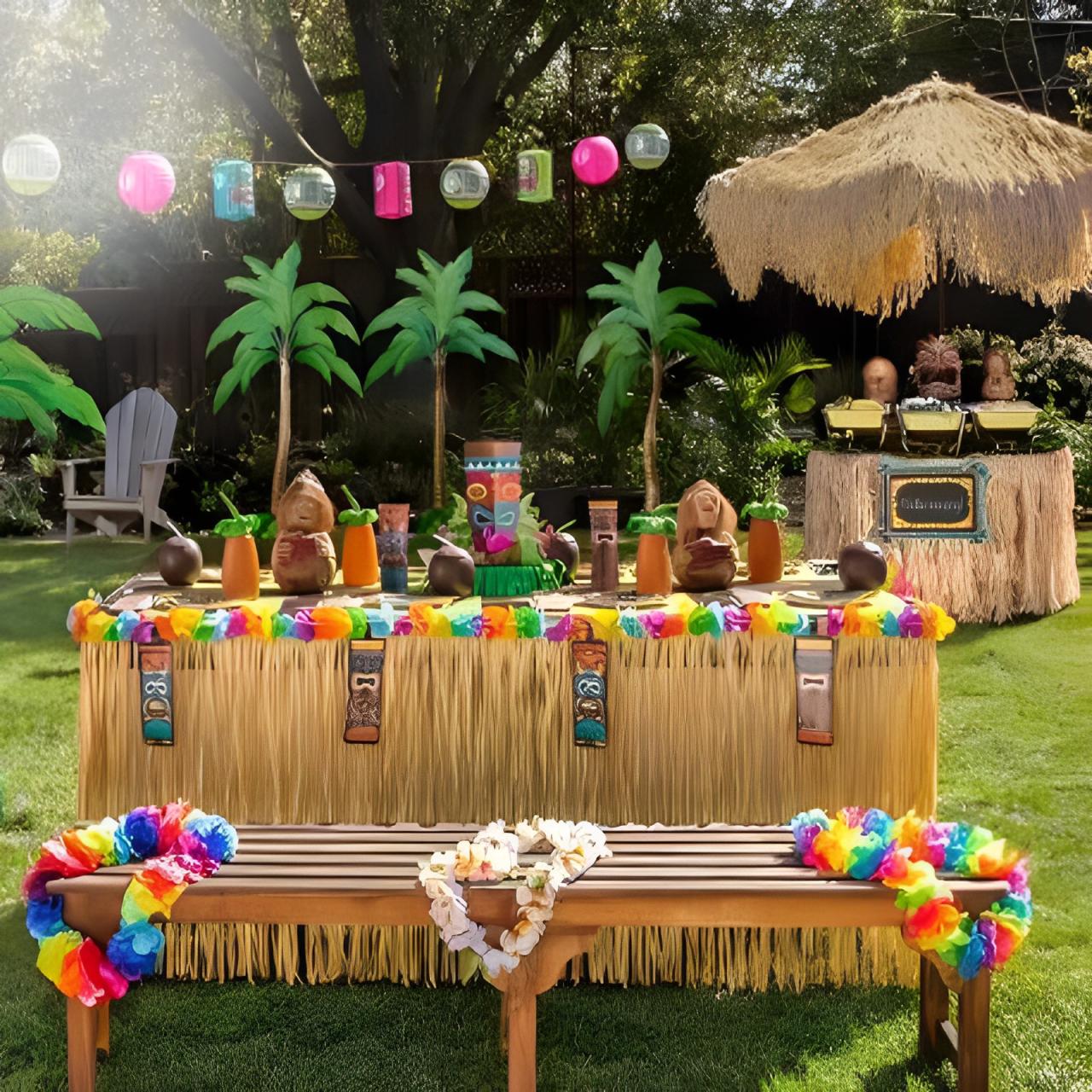
A successful tropical luau requires careful planning and attention to detail to create an unforgettable experience for your guests. From selecting the perfect venue to crafting the ideal invitation list, each step plays a crucial role in executing an enjoyable event. Here, we’ll delve into essential considerations and tips that will help bring your luau vision to life.
Venue Selection
Choosing the right venue is fundamental to setting the mood for your luau. Ideal locations should reflect the tropical theme and accommodate your expected number of guests. Consider factors such as accessibility, ambiance, and available facilities. Outdoor spaces like backyards, beaches, or parks work wonderfully, but always have a contingency plan for inclement weather.
Guest Invitations
Inviting guests is more than just sending out invites; it’s about creating excitement. Opt for vibrant, tropical-themed invitations that encapsulate the essence of a luau. Include essential details such as date, time, dress code (think Hawaiian shirts and grass skirts), and location. Digital invitations are cost-effective and can be easily shared, while printed ones add a personal touch.
Budgeting for Food, Entertainment, and Decorations
Budgeting is a crucial aspect of planning your luau. Here’s a breakdown to help manage your expenses effectively:
- Food: Traditional luau dishes such as kalua pork, poi, and tropical fruit salads are popular. Allocate a budget based on your guest count, and consider catering services or potluck-style contributions.
- Entertainment: Incorporate traditional Hawaiian entertainment, such as hula dancers or live music. Research local performers and compare rates, ensuring you get the best value for your budget.
- Decorations: Create a festive atmosphere with tiki torches, leis, and tropical flowers. DIY decorations can save costs while allowing creativity to shine.
Challenges and Solutions
Planning a luau comes with its own set of challenges, but being prepared can help you tackle them effectively. Some common obstacles include:
- Weather Conditions: If hosting outdoors, always have a backup plan. Renting a tent can offer protection from sun or rain.
- Budget Overruns: Keep track of all expenses with a detailed budget spreadsheet. This will help identify areas where you may be overspending.
- Guest Attendance: Sending reminders closer to the event can help ensure a better turnout. Consider using a RSVP tracking tool to monitor responses.
“Proper planning prevents poor performance.”
With these considerations in mind, you’ll be well on your way to hosting an extraordinary tropical luau that your guests will remember long after the event has ended.
The impact of Tropical Luau experiences on tourism in Hawaii.
The Tropical Luau is not just a party; it’s a cultural showcase that significantly influences tourism in Hawaii. Each luau offers a unique glimpse into Hawaiian culture and traditions, attracting visitors from around the globe. The combination of lively music, traditional Hawaiian cuisine, and entertaining hula performances creates an unforgettable experience that encourages tourists to explore the islands further.
One of the most notable impacts of luaus on the local economy is their ability to draw visitors to Hawaii. These events serve as a catalyst for tourism, with many travelers specifically planning their trips around attending a luau. This influx of tourists translates to increased spending in various sectors, including accommodations, dining, and local attractions. In fact, luaus can contribute millions of dollars to the local economy, providing jobs and sustaining businesses across the islands.
Authentic Cultural Experiences and Sustainable Tourism
Authentic cultural experiences, such as luaus, play a vital role in promoting sustainable tourism. By providing visitors with genuine insights into Hawaiian traditions, luaus foster a deeper appreciation for the local culture, leading to more responsible tourism practices. Tourists who engage with the culture are more likely to respect the environment and support local communities.
The following points highlight the importance of authentic experiences in sustainable tourism:
- Enhanced Visitor Engagement: Tourists who participate in luaus often leave with a greater understanding of Hawaiian history and culture, promoting cultural preservation.
- Support for Local Artisans: Luaus frequently feature local crafts and performances, providing a platform for artisans and performers to showcase their talents, thereby sustaining their livelihoods.
- Environmental Awareness: Many luaus incorporate eco-friendly practices, such as using locally sourced ingredients and promoting conservation efforts, which align with sustainable tourism goals.
Case Studies of Popular Luaus
Several luaus have gained international recognition for their unique offerings and commitment to cultural authenticity. These case studies illustrate how luaus can successfully attract tourists while maintaining their cultural significance.
A notable example is the Old Lahaina Luau on Maui, renowned for its traditional approach and dedication to preserving Hawaiian culture. The luau features authentic food, local music, and storytelling that reflect the islands’ heritage. Its popularity has made it a must-visit destination for travelers seeking a genuine experience.
Similarly, the Paradise Cove Luau in Oahu combines breathtaking ocean views with a variety of activities, including lei-making and hula lessons, allowing guests to immerse themselves fully in the Hawaiian experience. This luau consistently garners high praise from visitors and contributes significantly to the local tourism economy.
In summary, the influence of Tropical Luau experiences on tourism in Hawaii is profound. They not only attract visitors but also support sustainable practices and celebrate the rich culture of the islands, ensuring that Hawaii remains a vibrant and appealing destination for years to come.
Unique themes for modern Tropical Luau events.
As modern luaus evolve, incorporating unique themes can make the experience more engaging and memorable for guests. These themes can infuse creativity into traditional elements, making the event feel fresh and exciting. By aligning the luau with specific concepts, hosts can create immersive environments that resonate deeply with attendees.
Themed luaus enhance guest engagement by providing distinct settings and interactive elements that encourage participation. When guests are invited to embrace a theme, they often feel more connected to the experience, leading to lasting memories. Below are some innovative themes that can elevate a tropical luau beyond the traditional setting.
Creative Themes for Tropical Luaus
To capture the imagination of your guests, consider these creative themes that provide a twist on the classic luau experience:
- Midnight Beach Glow: Transform the event into a nighttime paradise with glowing decorations, LED lights, and bioluminescent-inspired elements. Guests can wear glow-in-the-dark accessories, creating a magical atmosphere.
- Island Safari: Incorporate elements of an adventurous safari, featuring tropical animals, jungle decorations, and themed activities like scavenger hunts. The focus shifts from traditional dance to exploration and fun.
- Retro Hawaiian: Celebrate the vibrant history of luaus by incorporating elements from the 1960s and 70s Hawaiian culture. Think colorful floral prints, vintage music, and classic cocktails that transport guests back in time.
- Hawaiian Movie Night: Feature classic films set in Hawaii, with themed decorations and a popcorn bar. This can blend the excitement of a movie night with cultural appreciation, enhancing the luau experience.
- Global Fusion: Combine Hawaiian elements with influences from other cultures. For instance, incorporate Caribbean, Asian, or South American cuisine, music, and activities, creating a multicultural celebration.
These themes not only enhance the aesthetic appeal but also encourage guests to participate more actively, leading to a richer experience overall.
“Theming a luau can turn a simple gathering into an unforgettable adventure, resonating with guests long after the event.”
Successful themed luaus often include memorable elements that resonate with guests. For instance, the “Midnight Beach Glow” theme can feature glow stick leis and luminescent drinks, transforming the beach into an otherworldly escape. The “Island Safari” might include interactive stations where guests can learn about tropical wildlife, making the event both educational and entertaining.
Incorporating themed decorations, food, and activities can create a cohesive experience that guests will talk about for years. For example, a “Hawaiian Movie Night” could enhance the atmosphere with film screenings projected onto a large screen, along with popcorn and themed drinks that match the movies shown.
By embracing unique themes, hosts can elevate the tropical luau experience, making it not just an event, but a vibrant celebration that encourages interaction, creativity, and lasting memories.
Ultimate Conclusion
In conclusion, a Tropical Luau is not just a feast for the senses but a celebration of community, culture, and history. Whether you’re planning your own luau or just curious about this iconic Hawaiian tradition, understanding its significance enhances the experience, making it more enriching and enjoyable for everyone involved.
General Inquiries
What is the origin of the luau?
The luau originated from ancient Hawaiian feast traditions, initially serving as a way to celebrate special occasions and honor significant events.
What should I wear to a luau?
Guests are usually encouraged to wear Hawaiian attire, such as aloha shirts, grass skirts, or floral prints, to fully embrace the festive spirit.
Are luaus suitable for children?
Yes, luaus are family-friendly events with activities and entertainment suitable for all ages, making it a great outing for kids and adults alike.
How long does a typical luau last?
A typical luau can last anywhere from two to four hours, depending on the program and activities planned.
Can I book a luau for a private event?
Many venues offer packages for private luaus, allowing you to customize the experience for special occasions such as weddings or birthdays.