
 Eric
EricJungle Rainforest stands as a vibrant testament to nature’s grandeur, teeming with life and mystery. These lush ecosystems are more than just a collection of trees and animals; they form a complex web of interactions that play a crucial role in sustaining life on Earth. From the countless species of flora and fauna to the intricate relationships with indigenous cultures, the jungle rainforest is an essential element of our planet’s ecological balance.
As we venture deeper into the jungle rainforest, we uncover its remarkable contributions to global biodiversity and climate regulation. The diverse plant life not only supports myriad wildlife but also serves as a critical ally in combating climate change. Moreover, the cultural significance of these rainforests enriches the lives of countless communities, intertwining traditional knowledge and modern conservation efforts to preserve these vital ecosystems for future generations.
The Ecological Importance of the Jungle Rainforest

Jungle rainforests are often referred to as the lungs of our planet, playing a crucial role in maintaining ecological balance and supporting global biodiversity. These lush, dense forests are teeming with life, serving as habitat for a vast array of species that contribute to the health of ecosystems worldwide. From the smallest insects to the largest mammals, the diversity found in jungle rainforests is a testament to nature’s ingenuity and resilience.
Jungle rainforests significantly contribute to global biodiversity, hosting more than half of the world’s plant and animal species despite covering only about 6% of the Earth’s surface. This immense variety is crucial for ecosystem stability and resilience, providing essential services such as pollination, seed dispersal, and nutrient cycling. The complex interactions among various species create a web of life that supports the survival of all organisms within the ecosystem. For instance, many rainforest plants have developed symbiotic relationships with fungi and animals, showcasing the intricate balance necessary for thriving ecosystems.
Carbon Sequestration and Climate Regulation
Jungle rainforests play a pivotal role in carbon sequestration, absorbing vast amounts of carbon dioxide from the atmosphere and storing it in biomass. Through photosynthesis, trees and plants convert CO2 into organic matter, essentially acting as carbon sinks. This process is vital in combating climate change, as it helps reduce the concentration of greenhouse gases in the atmosphere. The Amazon Rainforest alone is estimated to absorb approximately 1.5 billion metric tons of carbon dioxide annually, significantly influencing global climate patterns.
Additionally, jungle rainforests regulate local and global climates through transpiration, which releases water vapor into the atmosphere, contributing to cloud formation and precipitation. This mechanism not only sustains the rainforest’s ecosystem but also affects weather patterns far beyond their borders, illustrating their importance in global climate systems.
Unique Ecosystems within Jungle Rainforests
Within jungle rainforests, several distinct ecosystems can be identified, each with unique characteristics that contribute to the overall biodiversity. Understanding these ecosystems is critical for conservation efforts and ecological studies.
- Canopy Ecosystem: The canopy layer is the uppermost layer of the rainforest, where trees reach their maximum height. This area is rich in biodiversity, hosting birds, insects, and mammals like monkeys and sloths. The dense foliage provides shelter and food, making it a vital habitat for many species.
- Forest Floor Ecosystem: The forest floor receives only about 2% of the sunlight, making it a dark and humid environment. This layer is home to decomposers, such as fungi and insects, which break down organic matter and recycle nutrients back into the soil. Here, large mammals and reptiles can also be found, demonstrating the diversity of life that thrives in this less-explored layer.
- Understory Ecosystem: Positioned between the canopy and the forest floor, the understory is characterized by smaller trees and a thick covering of shrubs. This layer captures limited sunlight and is rich in young plants and flowering species. It serves as a critical habitat for species like jaguars and various bird species, which rely on this sheltered environment for survival.
The diversity of life found in these ecosystems highlights the critical need for conservation and protection of jungle rainforests, ensuring that they continue to thrive and support the planet’s ecological balance.
The Flora and Fauna of Jungle Rainforests
Jungle rainforests are among the most biologically diverse ecosystems on the planet, boasting an incredible variety of plant species that are essential for both the environment and the creatures that inhabit these lush landscapes. The sheer abundance of flora in jungle rainforests plays a critical role in maintaining ecological balance, serving as habitats, food sources, and more for countless species.
The plant life found in jungle rainforests is remarkably diverse, with thousands of species of trees, shrubs, vines, and ferns. Towering canopy trees, like the kapok tree and rubber tree, can reach heights of over 60 meters, creating a rich upper layer that supports numerous organisms. Beneath the canopy lies a complex understory, where smaller trees and a multitude of flowering plants thrive in the low light. These understory species, such as the heliconia and various types of orchids, often exhibit unique adaptations to survive in shaded conditions.
In addition to trees and shrubs, jungle rainforests are home to an array of epiphytes, which are plants that grow on other plants. For instance, bromeliads and mosses can often be seen growing on the trunks and branches of taller trees, capturing moisture and nutrients from the air. This adaptation allows them to thrive in a vertical habitat, utilizing the canopy for sunlight while avoiding competition for ground resources. The rich soil of the rainforest is also home to an extensive range of fungi, which play a crucial role in nutrient cycling and support the health of the ecosystem.
Adaptations of Animals in Jungle Rainforests
The animals that inhabit jungle rainforests have evolved a variety of fascinating adaptations that enable them to survive in their unique environment. With dense vegetation and a multi-layered structure, these adaptations often include specialized diets, camouflage, and unique reproductive strategies.
Many animals in the jungle have developed specialized feeding habits. For example, sloths consume leaves that are high in cellulose but low in nutrients. Their slow metabolism allows them to digest these tough leaves over a long period. Similarly, howler monkeys have strong teeth and jaws adapted for munching on tough foliage while also possessing vocal cords that enable their distinctive howling calls to communicate across the dense forest.
Camouflage is another critical adaptation for survival. Creatures such as the leafy sea dragon and the green tree frog possess coloration and patterns that blend seamlessly into their surroundings, making them less visible to predators and aiding in their hunting strategies. Furthermore, many species have adapted to life in the trees, like tree-dwelling snakes and birds, which have developed gripping claws and prehensile tails that assist in climbing and maneuvering through branches.
Unique species endemic to specific jungle rainforest regions further illustrate the biodiversity present. The golden poison dart frog, native to Colombia, possesses potent toxins that deter predators. The jaguar, predominantly found in Central and South American jungles, has powerful jaws and a distinctive coat pattern that provides both stealth and strength as it hunts. In Madagascar’s rainforests, the fossa—an agile carnivore—has adapted to hunt lemurs and other small mammals, showcasing the distinct evolutionary paths taken by species in these isolated ecosystems.
The intricate relationships between flora and fauna in jungle rainforests highlight the complexity and interdependence of life within these ecosystems, each species playing a vital role in maintaining the balance of this vibrant habitat.
The Cultural Significance of Jungle Rainforests
Jungle rainforests hold immense cultural significance for indigenous communities around the globe. These vibrant ecosystems are not only vital for biodiversity but also play a pivotal role in the social, spiritual, and economic lives of the people who inhabit them. The relationship between indigenous communities and jungle rainforests is characterized by deep-rooted traditions, practices, and a worldview that emphasizes the interconnectedness of nature and humanity.
The jungle rainforest serves as a living resource for many indigenous groups, providing food, medicine, and materials essential for their livelihoods. Traditional practices often revolve around sustainable use of the resources found in the rainforest, guided by a philosophy of stewardship and respect for the land. Indigenous people possess extensive knowledge of their environment, passed down through generations, which informs their practices in agriculture, hunting, and gathering. This knowledge is crucial for maintaining biodiversity and ecological balance within these lush ecosystems.
Cultural Practices and Beliefs Related to Rainforest Ecosystems
Indigenous communities develop unique cultural practices and beliefs that are deeply intertwined with the rainforest. These practices often encompass various aspects of life, including spiritual beliefs, rituals, and social structures. For instance, many tribes view trees not just as biological entities but as sacred beings with spirits. Rituals may include offerings to the forest spirits to ensure successful hunts or fruitful harvests.
In examining the perspectives of different indigenous groups, the Yanomami and the Kayapo provide compelling examples of how culture and rainforest ecosystems converge. The Yanomami, residing in the Amazon rainforest, maintain a cosmology that emphasizes harmony with nature. Their rituals are closely linked to the forest, where they believe spirits reside in animals and plants. In contrast, the Kayapo, also from Brazil, engage in active resistance against deforestation and industrial encroachment, reflecting a cultural emphasis on guardianship and activism for their land.
The varying perspectives of these groups illustrate the diverse ways indigenous cultures embody their relationship with the rainforest. While the Yanomami focus on spiritual connections and coexistence, the Kayapo integrate activism into their cultural identity, demonstrating adaptability in the face of external threats. Both examples underscore the importance of the rainforest not just as a physical space but as a central element of cultural identity and continuity.
The Threats Facing Jungle Rainforests
Jungle rainforests, often referred to as the lungs of our planet, are under severe threat from various factors. These vibrant ecosystems play a vital role in maintaining global climatic balance, supporting biodiversity, and providing resources for local communities. However, escalating human activities and environmental changes pose significant challenges to their survival. Understanding these threats is essential for forming solutions that can help preserve these irreplaceable habitats.
One of the most critical threats to jungle rainforests is deforestation. This is driven primarily by agricultural expansion, logging, and infrastructure development. The conversion of forest land into agricultural fields leads to habitat destruction, loss of biodiversity, and disruption of local water cycles. Moreover, as trees are removed, the carbon stored in them is released into the atmosphere, contributing to climate change.
Another significant threat is climate change itself. Altered weather patterns can lead to increased droughts in certain regions, negatively impacting tree health and forest resilience. Warmer temperatures can also facilitate the spread of pests and diseases that further weaken rainforest ecosystems. The implications of climate change extend beyond the forests, affecting everything from wildlife populations to local communities that rely on the forest for their livelihoods.
Lastly, illegal logging poses a grave danger to jungle rainforests. Despite regulations aimed at protecting these ecosystems, illegal logging persists, facilitated by corruption and weak enforcement. This not only leads to loss of trees but also affects the habitat for numerous species, some of which may be threatened or endangered. The removal of trees disrupts the intricate balance within the ecosystem, leading to soil erosion and water quality issues affecting nearby communities.
To illustrate the gravity of rainforest loss, the following table summarizes current statistics on rainforest loss over the last decade:
| Year | Area Lost (hectares) | Percentage Loss |
|---|---|---|
| 2013 | 3,200,000 | 0.5% |
| 2014 | 3,600,000 | 0.5% |
| 2015 | 4,300,000 | 0.6% |
| 2016 | 3,700,000 | 0.5% |
| 2017 | 4,000,000 | 0.6% |
| 2018 | 4,500,000 | 0.7% |
| 2019 | 5,000,000 | 0.8% |
| 2020 | 4,800,000 | 0.7% |
| 2021 | 5,200,000 | 0.9% |
| 2022 | 5,500,000 | 1.0% |
| 2023 | 5,700,000 | 1.1% |
“The loss of rainforest not only diminishes biodiversity but also threatens the livelihoods of millions of people dependent on these ecosystems.”
Conservation Efforts in Jungle Rainforests
Jungle rainforests are vital ecosystems that host unparalleled biodiversity and are crucial for the health of our planet. However, they face severe threats from deforestation, climate change, and human encroachment. In response, numerous conservation efforts are underway globally, aimed at protecting these irreplaceable environments and their inhabitants. Various strategies have proven effective in safeguarding jungle rainforests, combining community engagement, scientific research, and legal frameworks to create lasting change.
Strategies Utilized in Rainforest Conservation
A multifaceted approach is essential for effective rainforest conservation. Strategies include the establishment of protected areas, sustainable land management practices, reforestation initiatives, and community-based conservation efforts. Protected areas play a crucial role, as they limit access to sensitive regions, thereby reducing the risk of deforestation and habitat destruction. These zones are often enforced through collaboration with local governments and indigenous communities to ensure that conservation efforts are respectful and inclusive.
Sustainable land management practices focus on balancing ecological health with human needs. Techniques such as agroforestry, which integrates trees and shrubs into agricultural landscapes, promote biodiversity while providing income to local farmers. Reforestation and afforestation initiatives aim to restore degraded lands by planting native tree species, which help in carbon sequestration and restoring wildlife habitats. Community-based conservation empowers local populations by involving them in decision-making processes, ensuring that their livelihoods are considered in conservation strategies.
“The health of jungle rainforests is directly linked to the well-being of the global environment.”
Roles of Non-Governmental Organizations (NGOs)
Non-governmental organizations are pivotal in the conservation landscape. They often act as facilitators between communities, governments, and the private sector, leveraging funding and expertise to implement conservation projects. NGOs provide education and resources to local communities, empowering them to manage their natural resources sustainably. They also advocate for stronger environmental policies and legal protections for rainforests, often conducting research that informs policy changes.
Furthermore, NGOs organize awareness campaigns that highlight the importance of rainforest conservation. By engaging the public and raising awareness about deforestation issues, they can mobilize support for various initiatives, drawing international attention to the challenges faced by these ecosystems.
Successful Conservation Projects and Outcomes
Numerous successful conservation projects have demonstrated effective strategies and tangible outcomes. For example, the Amazon Fund in Brazil has raised significant funds to combat deforestation in the Amazon rainforest, resulting in a notable decrease in deforestation rates over the past decade.
Another successful initiative is the Heart of Borneo project, which spans Indonesia, Malaysia, and Brunei. This project focuses on protecting a vast area of rainforest while promoting sustainable development. It has successfully established protected areas and improved the livelihoods of local communities through eco-tourism.
Additionally, the Wildlife Conservation Society’s efforts in Madagascar have led to the preservation of unique species and habitats through community engagement and sustainable practices. These projects exemplify the potential for positive change when conservation strategies are implemented effectively.
The Economic Value of Jungle Rainforests
Jungle rainforests are not only a treasure trove of biodiversity but also hold significant economic value for the communities and nations that house them. These forests offer a myriad of benefits, from providing resources for local livelihoods to attracting millions of visitors through ecotourism. The sustainable management of these valuable ecosystems is crucial for balancing development needs with conservation efforts.
The economic benefits derived from jungle rainforests primarily include timber resources, non-timber forest products, and ecotourism. Sustainable harvesting practices allow communities to utilize forest resources without overexploitation, ensuring long-term availability. For instance, the collection of fruits, nuts, and medicinal plants can provide stable income streams while preserving the ecological balance. Furthermore, ecotourism has emerged as a significant revenue source, drawing travelers interested in experiencing the unique flora and fauna of rainforest regions. Countries like Costa Rica and Brazil have successfully developed ecotourism industries that promote environmental stewardship while generating income for local communities.
Balancing Development and Conservation
In rainforest-rich nations, striking a balance between economic development and conservation is a pressing challenge. The temptation to exploit forest resources for short-term gains often conflicts with the need to protect these invaluable ecosystems. Governments and organizations are increasingly recognizing the importance of sustainable practices that allow for development without compromising ecological integrity.
Communities are adopting various sustainable practices to maximize the benefits from jungle rainforests while minimizing environmental impact. Examples of such practices include:
- Agroforestry: This involves integrating agriculture with forest management. Farmers plant crops alongside trees, which improves biodiversity, enhances soil quality, and provides shade for crops. This method not only boosts agricultural productivity but also conserves forest cover.
- Selective Logging: Instead of clear-cutting forests, selective logging allows for the harvesting of certain trees while maintaining the overall health of the forest. This practice ensures that the ecosystem remains intact and capable of regenerating.
- Community-Based Forest Management: Local communities are empowered to manage their forests sustainably. By establishing rules and practices that benefit both the ecosystem and the community, these initiatives foster a sense of ownership and responsibility towards forest conservation.
- Eco-entrepreneurship: Innovative business models focused on sustainable products, such as organic honey or herbal medicines, can help rainforest communities thrive economically while protecting the environment. This encourages sustainable practices and promotes biodiversity.
These practices demonstrate that it is possible to derive economic benefits from jungle rainforests while ensuring their preservation for future generations. By fostering a culture of sustainability, rainforest-rich nations can navigate the complexities of development and conservation successfully.
The Future of Jungle Rainforests
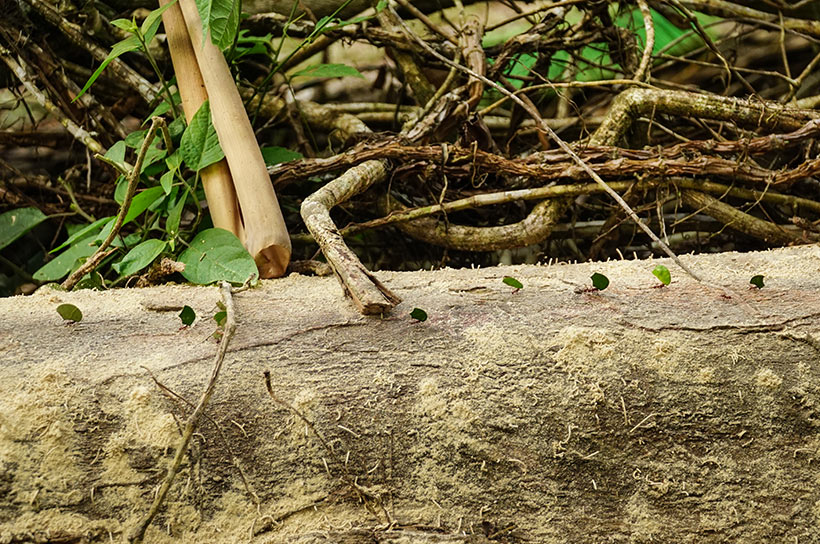
The preservation of jungle rainforests is crucial for maintaining biodiversity, regulating climate, and sustaining the livelihoods of numerous indigenous communities. As we look toward the future, innovative solutions and technologies are emerging to protect these vital ecosystems. These advancements, paired with global cooperation, hold the potential to significantly enhance rainforest conservation efforts.
Innovative Solutions and Technologies for Rainforest Protection
Advancements in technology are offering new methods to combat deforestation and promote sustainable practices. From satellite imagery to drones, innovative tools are being utilized to monitor rainforest health and detect illegal logging activities. For instance, satellite systems like Global Forest Watch provide real-time data on forest cover changes, allowing governments and organizations to act swiftly against deforestation.
Technologies such as blockchain are also being explored for their potential to enhance transparency in supply chains. By tracking the origin of timber and other rainforest products, companies can ensure they are sourcing materials sustainably. This reduces the demand for illegal logging and promotes the use of certified timber from sustainably managed forests.
Additionally, reforestation initiatives are gaining traction, with the use of drones to plant trees in deforested areas. This method not only speeds up the reforestation process but also allows for the planting of diverse species that contribute to the overall health of the ecosystem. Projects like the “Droneseed” initiative in the Pacific Northwest of the United States exemplify how technology can be harnessed to restore damaged landscapes.
Global Cooperation in Rainforest Preservation
The role of global cooperation in rainforest preservation cannot be overstated. International agreements, such as the Paris Agreement, emphasize the importance of collaborative efforts in combating climate change, which directly impacts rainforest ecosystems. Countries are increasingly recognizing that preserving rainforests is vital for achieving their climate targets.
Multinational initiatives, such as the UN’s REDD+ program (Reducing Emissions from Deforestation and Forest Degradation), incentivize countries to maintain and enhance their forest carbon stocks. Financial support from wealthier nations to developing countries for sustainable practices fosters a collective responsibility towards rainforest preservation.
Organizations like the World Wildlife Fund (WWF) and Conservation International also work on the ground with local communities to implement sustainable practices that benefit both the environment and the economy. These collaborations are crucial in addressing the underlying causes of deforestation, such as poverty and land tenure issues.
Future Trends in Rainforest Conservation Efforts
Looking ahead, several trends are likely to shape the future of rainforest conservation. Increased emphasis on ‘nature-based solutions’ is anticipated, where restoration and conservation of ecosystems are recognized as essential strategies for climate mitigation. This shift could lead to more integrated policies that prioritize ecological health alongside economic development.
Another trend is the rise of eco-tourism, which can provide financial incentives for preserving rainforests. By showcasing the beauty and biodiversity of these ecosystems, communities can generate income while fostering a culture of conservation. The success of eco-tourism ventures in countries like Costa Rica serves as a model for how local economies can thrive without compromising environmental integrity.
Furthermore, the engagement of indigenous communities in conservation efforts is expected to grow. Recognizing the traditional ecological knowledge of these communities can enhance conservation strategies, as they have lived sustainably within these ecosystems for generations.
In summary, through innovative technologies, global cooperation, and emerging trends, the future of jungle rainforests appears promising. With a continued focus on sustainable solutions, it is possible to protect these invaluable ecosystems for generations to come.
Ultimate Conclusion
In conclusion, the Jungle Rainforest embodies the beauty and complexity of natural ecosystems that are vital for our planet’s health. As we explore the ongoing threats and the proactive conservation efforts in place, it becomes increasingly clear that protecting these irreplaceable forests is essential. By understanding their ecological, cultural, and economic significance, we can better appreciate and advocate for the preservation of the jungle rainforest, ensuring it thrives for generations to come.
Key Questions Answered
What are the primary threats to jungle rainforests?
The main threats include deforestation, climate change, and illegal logging, which collectively endanger biodiversity and disrupt ecosystems.
How can individuals help in rainforest conservation?
Individuals can support conservation NGOs, choose sustainable products, and raise awareness about the importance of rainforests.
What unique species can be found in jungle rainforests?
Unique species such as the jaguar, poison dart frog, and various orchids are endemic to specific jungle rainforest regions.
What role do indigenous communities play in rainforest conservation?
Indigenous communities possess traditional knowledge that is crucial for sustainable management and conservation practices of rainforest ecosystems.
Why are jungle rainforests important for climate regulation?
Jungle rainforests act as carbon sinks, absorbing significant amounts of carbon dioxide from the atmosphere, which helps mitigate climate change.