
 Eric
EricSci-Fi & Futuristic invites you into a realm where imagination meets innovation, shaping our understanding of what the future might hold. From the pages of classic literature to the screen’s dazzling visual effects, science fiction has captivated audiences by blending creativity with the exploration of technology, society, and human identity.
This genre not only entertains but also serves as a lens through which we can examine our current world, providing insights into our hopes, fears, and the ethical dilemmas of emerging technologies. Whether through futuristic societies, alien encounters, or philosophical inquiries, Sci-Fi & Futuristic continues to inspire thought and discussion, making it a vital part of contemporary culture.
The Evolution of Sci-Fi and Futuristic Themes in Literature
The journey of science fiction (sci-fi) literature is a fascinating reflection of human imagination and societal change. Starting in the early 19th century, sci-fi has evolved from simplistic tales of adventure to complex narratives that explore themes of technology, identity, and the future of humanity. This evolution highlights not only the growth of the genre but also the shifting cultural landscapes that have influenced its development.
The historical progression of sci-fi literature can be traced back to early works like Mary Shelley’s “Frankenstein,” published in 1818, which introduced themes of creation and the consequences of scientific ambition. This was followed by Jules Verne’s adventurous narratives like “Twenty Thousand Leagues Under the Sea,” which envisioned technology as a means to explore the unknown. As the genre developed, H.G. Wells emerged with influential texts such as “The War of the Worlds” and “The Time Machine,” which tackled issues of imperialism, class, and evolution.
In the mid-20th century, the rise of pulp magazines established a platform for new writers and ideas. Authors like Isaac Asimov and Arthur C. Clarke introduced foundational concepts such as robotics and space exploration, respectively, while also reflecting the concerns of the atomic age and the Cold War. The genre further diversified with the New Wave movement in the 1960s, led by writers like Ursula K. Le Guin and Philip K. Dick, who employed experimental writing styles to explore psychological and sociopolitical themes.
In contemporary times, sci-fi has expanded into various sub-genres, reflecting diverse perspectives and issues. Authors such as Octavia Butler and N.K. Jemisin have introduced themes of race, gender, and identity into their works, prompting readers to reconsider the implications of technology and future societies. The rise of post-apocalyptic fiction and dystopian narratives often serves as commentary on current societal challenges, such as climate change and political unrest.
Futuristic Themes and Societal Change
Futuristic themes in sci-fi literature are a mirror to the societal changes and technological advancements of the times in which they are written. They often serve as a commentary on contemporary issues, projecting current anxieties and aspirations into imagined futures. As technology has evolved, so too have the themes explored in science fiction.
The exploration of futuristic societies often reflects the values, fears, and hopes of the present. For instance, early sci-fi often envisioned utopian societies where technology solved human problems—reflecting a post-war optimism. However, as society faced challenges such as war, inequality, and environmental degradation, the narratives shifted towards dystopian futures. In these stories, authors explore the consequences of unbridled technological advancement and its impact on humanity.
Consider the work of Margaret Atwood in “The Handmaid’s Tale,” which addresses gender politics, reproductive rights, and authoritarianism, all of which resonate strongly in today’s sociopolitical climate. Similarly, the rise of AI and its ethical implications are central themes in the works of contemporary authors like Ted Chiang, whose stories probe the intersection of humanity and technology.
“Science fiction is the most important literature of the 20th century; it’s a way of looking at our world, asking questions, and imagining what could be.”
This indicates that futuristic themes are not just imaginative exercises but essential explorations of our societal paths. The evolution of these themes encapsulates the dynamic relationship between literature and society, proving that sci-fi is a vital part of the cultural conversation, reflecting fears, hopes, and the relentless march of progress.
{The Role of Technology in Shaping Sci-Fi Realities}
The intersection of technology and science fiction has always been a fertile ground for imagination and innovation. Sci-fi narratives often act as a mirror reflecting our hopes, fears, and aspirations regarding technological advancement. As these stories capture the essence of evolving tech, they simultaneously inspire real-world inventions that bridge the gap between fiction and reality.
Numerous technological advancements have drawn inspiration from science fiction, leading to groundbreaking inventions that have significantly impacted society. The concept of virtual reality, for instance, emerged from the realms of sci-fi literature and films, where immersive simulations were commonplace. Today, advancements in VR technology allow users to experience new realities in gaming, education, and training, transforming engagement and learning methods. Moreover, the notion of artificial intelligence (AI), long explored in sci-fi, has burgeoned into a reality with applications ranging from smart home devices to advanced medical diagnostics. This leap from fiction to functionality showcases the profound effect that speculative narratives can have on technological development.
{Examples of Sci-Fi Inspired Technology}
Several notable inventions originated from the imaginative concepts found in science fiction, illustrating the powerful relationship between technology and human experience. These inventions have not only advanced technology but have also reshaped how we interact with the world around us.
– Communicators: Inspired by devices in the Star Trek series, modern smartphones embody the concept of portable communication devices. Today, these devices serve as multifunctional tools that facilitate social interaction, information access, and connectivity on an unprecedented scale.
– Robotics: The portrayal of robots in films like *I, Robot* and *Ex Machina* paved the way for advancements in robotics. From industrial robots that enhance manufacturing efficiency to personal assistants like robot vacuum cleaners, these innovations have redefined daily convenience and industry operations.
– Space Travel: Concepts from Arthur C. Clarke’s *2001: A Space Odyssey* and the Mars missions in *The Martian* have fueled public interest and investment in space exploration. This has led to the development of technologies aimed at making space travel more feasible and sustainable, such as reusable rockets and life-support systems.
– Smart Homes: Sci-fi works often depict homes with integrated technology that responds to the inhabitants’ needs. Today, smart home devices like thermostats, lights, and security systems are interconnected and controllable through smartphones, enhancing convenience and energy efficiency.
“The future is already here—it’s just not very evenly distributed.” – William Gibson
The relationship between technology and human experience, as depicted in sci-fi narratives, often explores both the benefits and challenges of advanced tech. Characters frequently navigate a landscape where innovation can lead to enhanced lifestyles or, conversely, ethical dilemmas and existential threats. This duality reflects our real-world anxieties about technological progress, illuminating how sci-fi serves as both a visionary guide and a cautionary tale. Through these narratives, we grapple with the implications of living alongside technology, exploring themes of identity, society, and morality in an increasingly digital age.
The Influence of Sci-Fi on Modern Cinematic Storytelling
The evolution of science fiction in cinema has profoundly impacted modern storytelling techniques and cultural reflections. Early sci-fi films, such as “Metropolis” (1927) and “The Day the Earth Stood Still” (1951), laid the groundwork for exploring complex themes of humanity, technology, and societal change. These films used limited special effects and simple narratives but tapped into the zeitgeist of their eras, capturing the anxieties and hopes of their audiences. In contrast, modern sci-fi films like “Inception” (2010) and “Blade Runner 2049” (2017) leverage advanced technology and intricate plots, reflecting contemporary issues such as artificial intelligence and environmental concerns. The cultural significance of these films continues to evolve as they mirror and challenge societal norms.
Comparative Analysis of Early and Modern Sci-Fi Films
The shift from early to modern sci-fi films demonstrates a remarkable transformation in storytelling and visual representation. Early films often featured rudimentary special effects and focused more on narrative simplicity. They served as cautionary tales or utopian visions that responded to the technological advancements and sociopolitical issues of their times. For instance, “Metropolis” is a commentary on class struggle, while “The Day the Earth Stood Still” addresses Cold War fears.
In contrast, contemporary sci-fi utilizes sophisticated special effects technology, enabling filmmakers to create immersive worlds that challenge the imagination. The transition from practical effects to CGI has allowed for a more detailed representation of futuristic concepts. Films like “Avatar” (2009) not only showcase spectacular visual effects but also delve into themes such as colonialism and environmentalism, resonating strongly with today’s global audience. The following points highlight the key differences in themes and techniques between early and modern sci-fi films:
- Thematic Depth: Modern films explore complex issues like identity, ethics, and existentialism, often layered within intricate narratives.
- Visual Effects: The advent of CGI and digital technology has revolutionized how stories are told visually, allowing for previously unimaginable scenes and landscapes.
- Cultural Reflection: Contemporary sci-fi often addresses current social and political issues, making it more relatable to modern audiences.
“Science fiction serves as a mirror to society, reflecting our fears, hopes, and the moral dilemmas we face in an ever-evolving world.”
The visual and thematic elements that define the sci-fi genre today combine to create a rich tapestry of storytelling. Visual elements include the use of vibrant color palettes, intricate set designs, and imaginative technology that transport viewers into alternate realities. For example, “The Matrix” (1999) utilizes a green tint to signify the digital world, while the aesthetics of “Dune” (2021) draws heavily on the expansive landscapes of desert planets. Thematic elements often revolve around humanity’s relationship with technology, exploring topics such as artificial intelligence, genetic engineering, and the ethical implications of such advancements.
Thus, modern sci-fi films not only entertain but also provoke thought, inviting audiences to reflect on the trajectory of human progress and the potential consequences of our choices.
Imagining Future Societies
In the realm of science fiction, the portrayal of future societies often oscillates between utopian ideals and dystopian nightmares. These contrasting representations not only entertain but also provoke thought about the direction humanity is heading. Through imaginative narratives, authors and filmmakers explore the complexities of societal structures, human behavior, and moral dilemmas, reflecting both our aspirations and apprehensions about the future.
Utopian societies in sci-fi are often depicted as ideal worlds where social, political, and economic systems function harmoniously. Literature and film examples, such as “Star Trek” and “The Giver,” illustrate visions of a future where technology enhances life, equality prevails, and humanity thrives in peace. These portrayals often address themes of cooperation, sustainability, and the betterment of human existence. In contrast, dystopian narratives, evident in works like “1984” and “The Hunger Games,” highlight the consequences of societal flaws, including authoritarianism, environmental collapse, and social inequality. These dystopias serve as cautionary tales, illustrating the potential downfall of civilizations when power is misused or when technology surpasses ethical considerations.
Common Themes and Societal Issues Addressed in Utopias and Dystopias
The contrasting representations of utopias and dystopias in sci-fi often converge on several common themes that resonate with contemporary societal issues. These themes include:
- Technology and Control: Utopian narratives often showcase technology as a means to enhance life, while dystopian stories reveal the potential for technology to control and manipulate societies.
- Social Inequality: Many dystopias highlight the stark divides between different social classes, prompting discussions about wealth distribution and access to resources.
- Environmental Concerns: Utopias may present sustainable futures, whereas dystopias frequently depict environmental degradation, reflecting current fears about climate change.
- Government Power and Surveillance: Dystopian societies often feature oppressive governments that surveil their citizens, mirroring contemporary anxieties about privacy and state control.
- Human Nature: Both utopias and dystopias explore the complexities of human behavior, questioning whether humanity is inherently good or flawed, and how this shapes societal outcomes.
The depiction of future societies in sci-fi resonates deeply with contemporary fears and aspirations, acting as a mirror reflecting our current struggles and hopes for improvement. For instance, the rise of artificial intelligence and its implications are frequently explored, showcasing the delicate balance between innovation and ethical responsibility. The portrayal of these future worlds encourages audiences to engage with the realities of their present, prompting reflection on what kind of society they wish to create. As we navigate the complexities of modern life, these narratives challenge us to consider the paths we choose and the legacy we leave for future generations.
The Significance of Alien Encounters in Sci-Fi Narratives
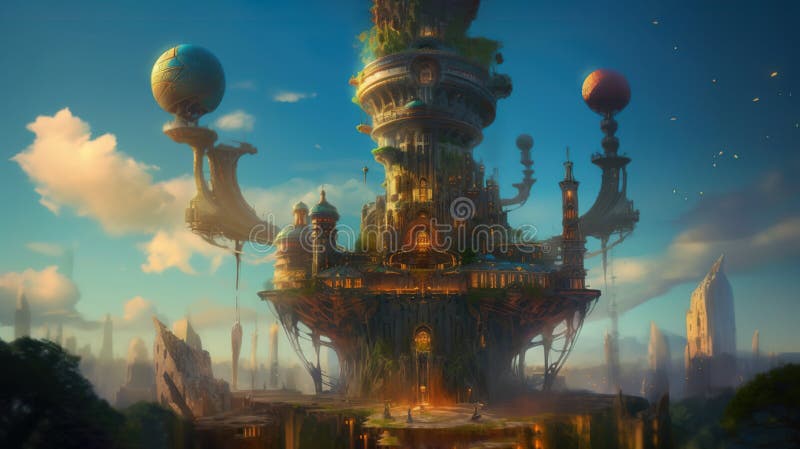
In the realm of science fiction, alien encounters serve as a profound narrative device that transcends mere storytelling. They reflect our deepest fears, aspirations, and ethical dilemmas while challenging the very fabric of humanity. As we venture into the cosmos, the depiction of alien life forms opens up a dialogue about what it means to coexist in a universe inhabited by other intelligent beings. The myriad representations of extraterrestrial entities in sci-fi narratives not only entertain but also provoke critical cultural and philosophical reflections on existence itself.
Representations of Alien Life Forms and Their Symbolic Meanings
Alien life forms in science fiction can be as diverse as the imaginations of their creators. Often, these representations carry symbolic meanings that resonate with contemporary societal themes. For instance, aliens might embody the unknown, leading to a spectrum of responses ranging from fear to curiosity. The classic depiction of the green, bug-eyed Martian symbolizes humanity’s anxiety about the otherness and unpredictability of foreign cultures.
Conversely, more empathetic portrayals, such as in “E.T. the Extra-Terrestrial,” illustrate the potential for understanding and connection beyond our species. Through these narratives, alien encounters raise critical cultural and philosophical questions about identity, ethics, and the fundamental nature of life. They challenge us to reconsider our preconceived notions of intelligence, consciousness, and what it truly means to be ‘human.’
The implications of these encounters extend far beyond entertainment. They force societies to confront their values, especially in terms of diversity and acceptance. Alien beings are often used as a mirror reflecting our flaws, fears, and prejudices; thus, they can serve as a catalyst for societal change.
Impact on Human Identity and Societal Norms
The impact of alien encounters on human identity and societal norms within sci-fi stories is profound. These narratives often explore themes of isolation, belonging, and the meaning of existence in a universe that is vast and potentially populated by other intelligent beings. The presence of aliens has led to significant transformations in how humans view themselves and their place in the cosmos.
In many stories, such as “Arrival” and “Contact,” humans are prompted to rethink their priorities and the implications of communication across species. The desire to understand and connect with extraterrestrial life can lead to a reevaluation of what it means to be human. This is particularly evident in storytelling that emphasizes empathy, collaboration, and the quest for knowledge.
Moreover, encounters with alien civilizations often prompt a reassessment of societal norms. For example, in “District 9,” the presence of extraterrestrial refugees challenges existing social hierarchies and prejudices, leading to intense conflicts and ethical considerations regarding xenophobia and inclusion. These narratives urge audiences to consider issues of power dynamics, governance, and the treatment of marginalized groups.
In conclusion, alien encounters in sci-fi narratives serve as a powerful lens through which to explore and critique human identity and societal values. The multifaceted representations of alien life forms invite audiences to question their own beliefs, fears, and aspirations, fostering a deeper understanding of our shared humanity amidst the vastness of the universe.
The Intersection of Sci-Fi and Environmental Themes

Science fiction has long served as a mirror reflecting societal anxieties, and increasingly, it has turned its gaze toward ecological issues and environmental crises. By envisioning futures shaped by our current environmental practices, sci-fi engages with themes of climate change, resource depletion, and ecological collapse. Through imaginative narratives, authors and filmmakers prompt audiences to confront the consequences of environmental neglect, often presenting scenarios that resonate deeply with contemporary ecological concerns.
One notable aspect of sci-fi is its ability to explore complex ecological dilemmas through fantastical lenses. These narratives often serve as cautionary tales, urging audiences to consider the ramifications of humanity’s actions on the planet. Works such as “The Overstory” by Richard Powers delve into the interconnectedness of human and ecological life, presenting a multifaceted view of how deforestation impacts both the environment and human communities. Similarly, the film “Interstellar” explores themes of resource depletion, where humanity’s search for survival forces it to confront the limits of the Earth’s ecosystem. These narratives do not merely entertain; they challenge viewers to think critically about their own environmental impact.
Examples of Notable Works Tackling Environmental Issues
Several influential sci-fi works explicitly address climate change and the depletion of natural resources, showcasing the genre’s capacity to address urgent global issues:
- “The Windup Girl” by Paolo Bacigalupi: Set in a future where bioengineered food is the norm and fossil fuels are scarce, this novel explores themes of genetic engineering, climate change, and corporate greed.
- “Snowpiercer” (film directed by Bong Joon-ho): This dystopian narrative unfolds on a train that endlessly circles a frozen Earth, serving as a metaphor for class struggle exacerbated by environmental disaster.
- “Annihilation” by Jeff VanderMeer: This novel introduces Area X, a region transformed by an ecological catastrophe, prompting questions about human intervention in nature and the mysteries of biodiversity.
- “Avatar” directed by James Cameron: The film presents a poignant critique of colonialism and environmental degradation, showcasing the relationship between the Na’vi people and their lush planet of Pandora.
These examples exemplify how sci-fi can stimulate public discourse on environmental responsibility. By engaging audiences’ imaginations, these narratives encourage reflection on real-world consequences of ecological neglect and the importance of sustainable practices.
“Science fiction can explore the uncharted territories of human experience, opening our eyes to the realities of ecological crises and the importance of collective responsibility.”
Gender Representation and Diversity in Sci-Fi Works
The portrayal of gender roles and diversity in science fiction has undergone significant evolution over the decades. Classic sci-fi narratives often reflected the societal norms and biases of their time, predominantly presenting male characters in positions of power and influence, with female roles relegated to support or romantic interests. In contrast, modern sci-fi works increasingly embrace a broader spectrum of gender identities and racial diversity, reflecting a more nuanced understanding of society’s complexities.
The evolution of representation in sci-fi is indicative of shifting societal attitudes towards gender and race. Early works, such as those by Isaac Asimov and Arthur C. Clarke, showcased predominantly white male protagonists, often depicting women in stereotypical roles. However, as the genre evolved, authors like Octavia Butler and N.K. Jemisin began to challenge these norms by introducing strong, complex female characters and diverse cultural perspectives. This shift not only signifies the changing landscape of gender roles but also illustrates a growing recognition of the importance of authentic representation in storytelling.
Implications of Diverse Storytelling in Shaping Future Sci-Fi Narratives
Diverse storytelling in sci-fi holds profound implications for the genre’s future. It enables broader narratives that resonate with a wider audience, fostering inclusivity and understanding. By integrating diverse experiences and perspectives, sci-fi creates a richer tapestry of storytelling that reflects the reality of a multicultural society. For instance, the success of films like “Black Panther” and series such as “The Expanse” illustrates how representation can enhance viewer engagement and broaden the appeal of science fiction.
Furthermore, the inclusion of diverse characters and stories allows for the exploration of themes relevant to underrepresented groups, such as identity, alienation, and empowerment. This not only enriches the genre but also encourages discussions about societal issues, such as gender equality and racial justice. As a result, modern sci-fi serves as a platform for marginalized voices, challenging conventional narratives and promoting empathy among audiences.
The implications of this diversity extend beyond entertainment. It shapes the cultural narrative around technology, ethics, and the future, suggesting that a more inclusive approach can lead to innovative ideas and solutions. As creators continue to push boundaries, future sci-fi narratives will likely reflect an ever-evolving understanding of gender and race, paving the way for a more equitable and imaginative future.
Sci-Fi as a Tool for Philosophical Inquiry
Science fiction serves as a unique platform for exploring profound philosophical questions that often go unaddressed in traditional narrative forms. By creating worlds where the rules of reality can be bent or entirely rewritten, sci-fi opens the door to discussions about free will, consciousness, and the essence of existence itself. Through imaginative storytelling, these narratives invite audiences to reflect on complex ideas about what it means to be human and how our choices define us, as well as the nature of reality and our perception of it.
The philosophical exploration in sci-fi allows authors and audiences alike to ponder significant questions about the human condition. As technology advances and our understanding of consciousness deepens, these narratives challenge our preconceptions about free will and existence. In many stories, characters face moral dilemmas that force them to confront the implications of their choices within a predetermined or manipulated universe.
Exploration of Key Philosophical Concepts
Several foundational philosophical concepts are examined within the sci-fi genre, making it a fertile ground for inquiry:
- Free Will: Sci-fi often delves into the debate over determinism versus free will. Works like Philip K. Dick’s “Do Androids Dream of Electric Sheep?” question whether androids can possess genuine free will or if their actions are merely programmed responses. This raises questions about our own autonomy in a world influenced by technology.
- Consciousness: The nature of consciousness is a central theme in many sci-fi narratives. In “Neuromancer” by William Gibson, the exploration of artificial intelligence blurs the lines between human and machine consciousness, prompting us to consider what it truly means to be ‘alive’ or ‘aware.’
- The Nature of Reality: Sci-fi challenges our understanding of reality itself. For instance, in “The Matrix,” the characters must discern between the perceived reality and the actual world, illustrating the philosophical concept of skepticism about what we can know.
These themes hold significant importance as they not only entertain but also provoke essential discussions about morality, identity, and existence. By engaging readers in speculative ideas about the future and the implications of technological advancements, sci-fi cultivates a deeper appreciation for the complexities of human nature and the dilemmas we face as we navigate an ever-changing world. The genre encourages critical thinking and reflection on our own lives, pushing us to ask questions about the choices we make and the realities we construct.
Summary
In conclusion, the journey through Sci-Fi & Futuristic themes reveals a rich tapestry of ideas that reflect the complexities of our human experience. As we delve into the narratives of tomorrow, we uncover vital truths about ourselves and the world we shape. The genre not only entertains but prompts us to ponder the consequences of our actions, ensuring that our exploration of the future remains as thought-provoking as it is exciting.
FAQs
What are the earliest examples of sci-fi literature?
Early examples include works like Mary Shelley’s “Frankenstein” and Jules Verne’s “Twenty Thousand Leagues Under the Sea,” which laid the groundwork for the genre.
How has technology influenced sci-fi storytelling?
Technology provides the backdrop and inspiration for many sci-fi narratives, often predicting advancements like space travel, artificial intelligence, and virtual reality.
Why are dystopian themes popular in sci-fi?
Dystopian themes resonate with societal fears, allowing authors and filmmakers to explore the darker aspects of human nature and the consequences of unchecked progress.
How does sci-fi address environmental issues?
Many sci-fi works tackle ecological crises, using futuristic settings to reflect on current environmental challenges and promote awareness around sustainability.
What role do aliens play in sci-fi narratives?
Aliens often symbolize the unknown, reflecting humanity’s fears and hopes while encouraging questions about identity, culture, and coexistence.
How has gender representation evolved in sci-fi?
Gender representation in sci-fi has evolved from stereotypical roles to more diverse and complex characters, reflecting broader societal changes in attitudes toward gender and race.
Can sci-fi be considered a philosophical genre?
Absolutely, sci-fi often explores philosophical concepts such as reality, free will, and consciousness, prompting readers and viewers to reflect on profound questions.