
 Eric
EricFestival Themed Event unveils a vibrant tapestry of cultural celebration, where communities come together to share joy, creativity, and tradition. These events serve as a lively platform for cultural expression, showcasing diverse themes that resonate with various audiences worldwide.
From music and arts festivals to food fairs and seasonal celebrations, festival themed events foster a sense of belonging and unity among participants while promoting cultural exchange. Each event offers unique experiences that engage attendees, making them memorable occasions that people look forward to year after year.
Festival Themed Event Overview
Festival themed events are vibrant celebrations that revolve around specific themes, often reflecting cultural, historical, or artistic values. These events serve as a crucial part of community identity, offering a platform for individuals to come together, share experiences, and celebrate their heritage. Festivals can range from large-scale, internationally recognized events to smaller, local gatherings, each playing a significant role in cultural preservation and community bonding. The significance of festival themed events lies not only in their entertainment value but also in promoting cultural understanding and appreciation among diverse populations.
Various types of festival themed events are held worldwide, showcasing an array of themes that cater to different interests and cultures. From music and arts festivals to food and film celebrations, these events attract audiences from near and far. Each type of festival brings its unique flavor and atmosphere, creating a tapestry of experiences for attendees. Examples of popular festival themed events include:
- Carnival Festivals: Characterized by parades, costumes, and vibrant music, these events celebrate cultural heritage and often take place before Lent, with Rio de Janeiro’s Carnival being one of the most famous.
- Film Festivals: Celebrating cinematic achievements and fostering new talent, events like the Cannes Film Festival showcase international films and offer a platform for filmmakers to gain recognition.
- Music Festivals: Events such as Coachella and Glastonbury highlight various music genres, bringing together artists and fans for immersive experiences.
- Food Festivals: Celebrating culinary traditions and innovations, events like the Taste of Chicago allow attendees to explore diverse cuisines from local restaurants.
Festival themed events play a vital role in fostering community engagement and cultural exchange. They create opportunities for local businesses to thrive, encourage volunteer participation, and enhance social interactions among attendees. The communal atmosphere at such events cultivates understanding and appreciation of different cultures, promoting inclusivity. For instance, multicultural festivals encourage the sharing of traditions, practices, and cuisines, bridging gaps between diverse communities and fostering unity. By participating in these events, individuals not only celebrate their own culture but also gain insights into others, creating a richer, more connected society.
“Festivals serve as a reminder of our shared humanity, transcending borders and fostering connections through cultural celebration.”
Planning a Successful Festival Themed Event
Organizing a festival themed event involves a blend of creativity, logistics, and attention to detail. It begins with a well-thought-out concept and culminates in a memorable experience for attendees. Understanding the key steps from ideation to execution is essential for a successful event.
Selecting a suitable location and venue is a critical step in the planning process. The right choice sets the tone for the festival, influencing everything from attendance to atmosphere. Key factors to consider include accessibility, capacity, and amenities, all of which play a role in shaping the event experience.
Key Steps in Organizing a Festival Themed Event
The organization of a festival themed event can be broken down into several key steps. Each step is crucial in ensuring that the festival runs smoothly and meets the expectations of attendees.
1. Concept Development: Start by defining the theme and vision of the festival. This includes identifying the target audience and the type of activities that will resonate with them.
2. Budgeting: Create a detailed budget that includes estimates for venue rental, permits, entertainment, marketing, and other expenses. Ensure to allocate funds for contingencies.
3. Venue Selection: Choose a location that aligns with the festival theme and can accommodate the expected number of guests. Factors like parking, facilities, and overall ambiance are important.
4. Permits and Licenses: Research and secure all necessary permits and licenses well in advance, ensuring compliance with local regulations.
5. Event Design: Plan the layout of the festival, including stages, vendor areas, and seating. Consider flow and accessibility for all attendees.
6. Vendor Coordination: Source and negotiate with vendors for food, beverages, merchandise, and entertainment. Building alliances with local businesses can enhance the festival experience.
7. Marketing and Promotion: Develop a marketing strategy to promote the festival. Utilize social media, local press, and community boards to reach potential attendees.
8. On-Site Management: Prepare for on-the-day logistics, including staff assignments, equipment setup, and attendee services.
9. Post-Event Evaluation: After the event, gather feedback and evaluate the overall success. This can provide valuable insights for future events.
Importance of Location and Venue Selection
Choosing a venue that matches the festival’s theme is pivotal. A well-suited location can enhance the overall experience, making it more enjoyable and memorable. Consider the following aspects when selecting a location:
– Accessibility: Ensure the venue is easy to reach with adequate transportation options and parking facilities. A location that is accessible encourages higher attendance.
– Size and Capacity: The venue should comfortably accommodate the expected crowd while allowing for the planned activities. Overcrowding can detract from the experience.
– Ambiance: The venue’s inherent character should align with the festival theme. A rustic barn might suit a country fair, while an urban park could be perfect for a modern music festival.
– Facilities: Adequate restrooms, food service areas, and shelter from weather conditions are essential for a positive attendee experience.
“The right venue can elevate a festival from ordinary to extraordinary.”
Essential Elements for Creating an Engaging Festival Atmosphere
To cultivate a vibrant festival atmosphere, several elements must come together seamlessly. These include:
– Decor and Theme: Use decorations that reflect the festival theme. For instance, colorful banners, lights, and themed props can create an immersive environment.
– Entertainment: Curate a diverse lineup of performances that cater to different tastes. Music, dance, and interactive activities keep attendees engaged.
– Food and Beverage: Offer a variety of food options that align with the theme. Unique culinary offerings can become highlights of the festival.
– Activities and Workshops: Include hands-on experiences or workshops that encourage participation. This can enhance interaction and create lasting memories.
– Community Engagement: Involve local artists or organizations to foster a sense of community and support. This not only enriches the festival but also strengthens local ties.
– Safety and Security: Ensure adequate safety measures are in place to protect guests. This includes crowd control, emergency services, and clear communication with attendees.
By focusing on these elements, event planners can create a festival atmosphere that captivates and engages attendees, leading to a successful and memorable event.
Creative Ideas for Festival Themes

Festivals offer a vibrant way to celebrate culture, community, and creativity. By selecting unique themes, organizers can attract diverse audiences, spark interest, and create memorable experiences. Innovative festival themes can bridge gaps between different cultures while fostering inclusivity and enjoyment. In this discussion, we will explore some creative festival theme ideas, examine popular themes and their cultural significance, and discuss how to weave local traditions into the festival’s fabric.
Innovative Festival Theme Ideas
Choosing an engaging festival theme can set the tone for the entire event. Here are some innovative themes that have the potential to draw various audiences:
- Eco-Future Festival: Focus on sustainability and environmental awareness, featuring workshops on eco-friendly practices and showcasing local green businesses.
- Global Village: Celebrate the diversity of world cultures by inviting different communities to share their traditions, foods, and performances, encouraging inter-cultural dialogue.
- Time Traveler’s Ball: An immersive experience taking guests through different historical eras with costumes, music, and entertainment representing various times and places.
- Art and Innovation Expo: Showcase local artists and inventors, blending art with technology, featuring interactive installations and live demonstrations.
- Culinary Odyssey: A festival that focuses solely on food from around the world, including cooking classes, tasting events, and chef competitions.
Examples of Popular Festival Themes
Throughout history, various festival themes have gained popularity for their cultural relevance and appeal. These themes not only provide entertainment but also promote cultural understanding and appreciation.
- Harvest Festivals: Celebrating the autumn harvest, these festivals often include local food vendors, craft booths, and family-friendly activities, reflecting the agricultural heritage of the community.
- Music Festivals: Events like Coachella and Glastonbury not only showcase popular music but also represent the cultural movements of their times, attracting diverse crowds from around the globe.
- Diwali Festivals: Celebrated widely in Indian communities, these festivals emphasize light over darkness and good over evil, featuring vibrant decorations, traditional foods, and cultural performances.
Incorporating Local Traditions and Cultural Elements
Integrating local traditions into a festival theme enhances authenticity and community connection. Utilizing regional customs and cultural elements can create a richer experience for attendees.
- Local Performances: Highlight traditional music, dance, and art forms unique to the area, encouraging participation from local artists and performers.
- Cultural Cuisine: Feature food vendors who specialize in traditional dishes, providing an opportunity for attendees to taste local flavors.
- Craft Workshops: Organize workshops that teach visitors traditional skills, such as weaving, pottery, or local culinary techniques, preserving and sharing cultural heritage.
- Storytelling Sessions: Incorporate local folklore and history through storytelling sessions, giving a platform to community elders and cultural historians.
- Community Involvement: Invite community members to participate in planning and executing the festival, ensuring that the event reflects the collective identity and spirit of the area.
Marketing Strategies for Festival Themed Events
To successfully promote festival-themed events, it is essential to adopt a comprehensive marketing strategy that engages potential attendees and maximizes visibility. The dynamic nature of festivals requires innovative approaches that resonate with targeted audiences, ensuring a memorable experience while fostering high attendance rates.
One effective marketing technique is leveraging social media platforms to create buzz and excitement around the event. Engaging content, including behind-the-scenes footage, artist interviews, and sneak peeks of festival highlights, can be shared to build anticipation. Additionally, using eye-catching visuals and event countdowns can keep potential attendees informed and excited about the upcoming festivities.
Role of Social Media and Online Marketing
Social media serves as a powerful tool for reaching potential attendees. The immediacy and vast reach of platforms like Instagram, Facebook, and TikTok enable event organizers to connect directly with their target demographics. By utilizing targeted advertising, festivals can ensure that their promotional materials reach the right audience.
Key strategies for effective online marketing include:
- Influencer Partnerships: Collaborating with local influencers can enhance credibility and expand reach, as their followers often trust their recommendations.
- Content Creation: Crafting engaging content that highlights unique aspects of the festival—such as food vendors, performers, or themed activities—can capture interest and encourage sharing.
- Event Hashtags: Creating a unique hashtag for the festival allows attendees to follow and contribute to the conversation, generating organic promotion through user-generated content.
- Live Streaming: Streaming performances or festival highlights can engage those who are unable to attend, creating a sense of inclusivity and promoting future events.
Collaborating with Local Businesses and Sponsors
Partnering with local businesses and sponsors can significantly enhance promotional efforts for festival-themed events. These collaborations not only provide additional resources but also create a sense of community support that can amplify marketing efforts.
Working with local businesses can take various forms, including:
- Cross-Promotional Activities: Businesses can promote the festival at their locations or through their own marketing channels, reaching their established customer base.
- Sponsored Contests: Collaborating on contests or giveaways that include festival tickets as prizes can generate excitement and engagement while expanding the event’s reach.
- Vendor Partnerships: Encouraging local food and craft vendors to participate can enhance the festival experience while increasing local business visibility.
- Joint Marketing Campaigns: Developing joint marketing materials, like flyers or social media ads, can help share costs and expand the audience outreach.
“Partnering with local businesses not only strengthens community ties but also multiplies the marketing impact of the festival.”
Engaging Activities and Attractions for Festival Themed Events
Festival themed events are a wonderful opportunity to create a vibrant atmosphere that captivates attendees of all ages. Engaging activities and attractions serve as the heart of these festivals, providing unforgettable experiences that promote interaction, enjoyment, and community spirit. The key to a successful festival lies in cultivating an environment where everyone can find something appealing, whether it’s through entertainment, food, or interactive experiences.
Interactive Experiences for All Ages
Incorporating interactive experiences ensures that every attendee feels included and actively engaged in the festival’s offerings. Here are some ideas that can cater to various age groups:
- Live Art Installations: Engage local artists to create live murals or sculptures during the event, encouraging attendees to contribute by painting or adding their personal touches.
- Workshops and Demonstrations: Offer hands-on workshops in activities such as pottery, dance, or cooking, allowing attendees to learn new skills in a fun environment.
- Interactive Games and Challenges: Set up various game stations like a scavenger hunt, trivia contests, or obstacle courses designed for families and competitive teams.
- Photo Booths with Themes: Create themed photo booths with props for attendees to capture memories, enhancing their experience while promoting social sharing.
- Storytelling Sessions: Incorporate storytelling or puppet shows to engage younger audiences, featuring local folklore or festival-related tales.
Diverse Entertainment Options
Offering a variety of entertainment options is essential to cater to the diverse interests of festival-goers. This not only keeps the energy lively but also enhances the overall experience. Consider the following entertainment ideas:
- Live Music and Performance Stages: Feature a range of musical genres and performance arts, from local bands to dance troupes, ensuring there is something for everyone.
- Cultural Showcases: Highlight local cultures through food, music, and performances that celebrate the community’s heritage, allowing attendees to learn and appreciate different backgrounds.
- Food Tasting Events: Organize tastings or competitions that focus on local culinary specialties, providing a delicious way for people to explore flavors while engaging with food vendors.
- Craft and Merchant Markets: Invite local artisans and vendors to sell their handmade goods, creating a marketplace atmosphere where attendees can shop unique products.
- Fireworks or Light Shows: Cap off the festival with a dazzling fireworks display or light show, leaving attendees with a lasting impression as they conclude their day of fun.
“Diverse entertainment options not only enhance the festival experience but also foster a sense of community connection and inclusivity.”
Engaging activities and attractions are vital components that can transform a festival themed event into a memorable occasion. By focusing on interactive experiences and offering diverse entertainment, organizers can ensure that every participant leaves with cherished memories, making them eager for future events.
Evaluating the Success of a Festival Themed Event
Assessing the success of a festival themed event is crucial for understanding its impact and areas for improvement. Identifying key performance indicators (KPIs), gathering feedback from attendees, and managing finances effectively are essential components of this evaluation process. By focusing on these elements, event organizers can gain valuable insights that contribute to the planning of future festivals.
Key Performance Indicators for Success Evaluation
To determine the effectiveness of a festival themed event, it is important to establish clear KPIs that align with the event’s goals. These indicators serve as measurable values that reflect the event’s performance and success. Common KPIs include:
- Attendance Numbers: Tracking the total number of attendees compared to previous events provides insight into popularity and growth.
- Revenue Generated: Analyzing ticket sales, merchandise, and sponsorship income helps assess financial success.
- Satisfaction Ratings: Collecting feedback through surveys can reveal attendee satisfaction levels, highlighting strengths and weaknesses.
- Social Media Engagement: Monitoring likes, shares, and comments on platforms can indicate the event’s reach and public perception.
- Vendor Satisfaction: Gathering input from participating vendors can ensure that the festival supports local businesses effectively.
Gathering Feedback from Attendees and Participants
Feedback is a cornerstone of evaluating any event. Understanding attendees’ and participants’ experiences can help refine future events. Methods for gathering feedback include:
- Post-Event Surveys: Utilizing online surveys or paper forms distributed at the event allows for collecting quantitative and qualitative data.
- Focus Groups: Inviting a small group of attendees to discuss their experiences in detail provides deeper insights into specific elements of the event.
- Social Media Monitoring: Analyzing online conversations about the event can reveal attendees’ sentiments and suggestions for improvement.
- In-Person Conversations: Engaging with attendees during the event can provide immediate feedback and personal insights that might not be captured through formal surveys.
Financial Management and Budgeting for Overall Success
Effective financial management plays a significant role in evaluating the overall success of a festival themed event. Proper budgeting ensures that expenses do not exceed revenue, which is critical for the event’s sustainability. Key aspects include:
- Detailed Budget Planning: Creating a comprehensive budget that Artikels all expected costs and revenues helps in tracking financial performance.
- Expense Tracking: Monitoring expenses in real-time allows for adjustments to be made promptly, ensuring financial goals are met.
- Return on Investment (ROI): Calculating ROI by comparing the profits generated to the costs involved helps assess the financial success of the event.
- Sponsorship Management: Ensuring that sponsorships are effectively utilized and deliver value is crucial for maintaining financial support for future events.
“Effective financial management not only influences the current success of a festival but also impacts its future viability and growth.”
Future Trends in Festival Themed Events
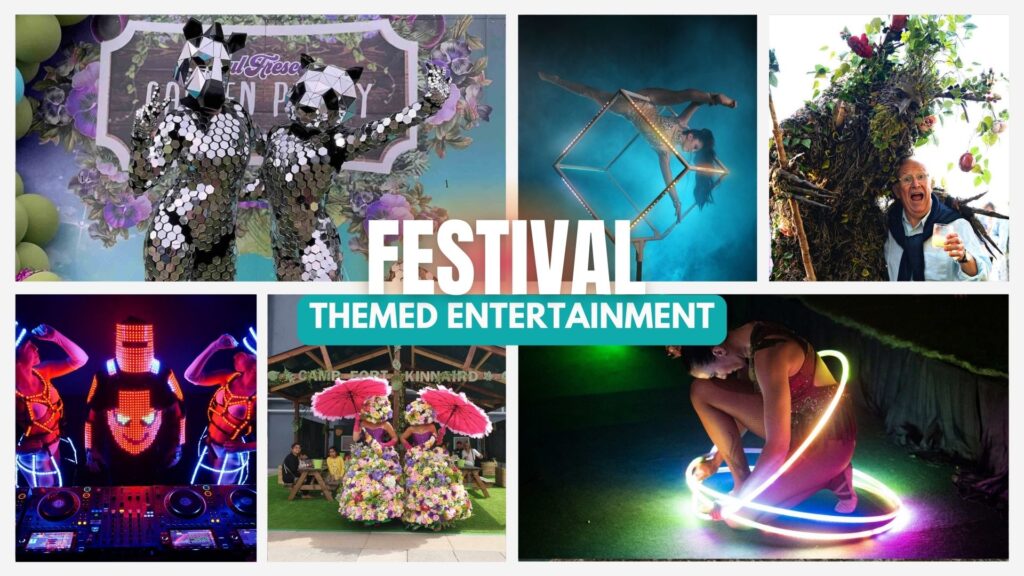
As festival themed events continue to evolve, new trends are emerging that significantly impact the planning and execution of these gatherings. Organizers are constantly seeking innovative ways to enhance attendee experiences, promote sustainability, and incorporate the latest technological advancements. This section explores some of the most notable trends shaping the future of festival themed events.
Emerging Trends in Festival Themed Events
A range of trends is currently influencing festival planning, reflecting changing audience expectations and societal values. These trends not only enhance the overall experience but also align with broader cultural movements.
- Personalization: Attendees now seek more personalized experiences, from tailored schedules to customizable merchandise, enabling them to engage with the event on a deeper level.
- Theming Diversity: Festivals are embracing a wider array of themes, catering to diverse interests, including niche genres, cultural celebrations, and global traditions.
- Health and Wellness Focus: With a growing emphasis on mental health, festivals are incorporating wellness activities, such as yoga sessions and mindfulness workshops, into their programming.
- Hybrid Events: The integration of virtual elements allows festivals to reach a broader audience and provide options for those unable to attend in person.
Role of Technology in Enhancing Festival Experience
Technology has become a fundamental aspect of modern festivals, transforming how attendees interact with the event, each other, and the environment. The integration of innovative tech solutions has redefined the festival experience, making it more immersive and engaging.
- Mobile Apps: Festival apps provide attendees with real-time updates, personalized schedules, and interactive maps, enhancing navigation and overall enjoyment.
- Cashless Transactions: Many festivals are adopting cashless payment systems, simplifying purchases while improving security and reducing wait times.
- Augmented and Virtual Reality: These technologies create immersive experiences, such as virtual tours or interactive art installations, captivating attendees in unprecedented ways.
- Social Media Integration: Engaging social media activities and live-streaming options foster community and allow for real-time sharing of experiences, enhancing the overall festival atmosphere.
Sustainability Practices in Festival Planning
As environmental consciousness grows, sustainability has become a critical component of festival planning. Organizers are increasingly integrating eco-friendly practices to minimize their carbon footprint and promote responsible consumption.
- Waste Reduction: Festivals are implementing waste management strategies, such as recycling stations and composting, to minimize trash and promote recycling among attendees.
- Local Sourcing: Collaborating with local vendors for food and services not only supports the community but also reduces transportation emissions.
- Eco-friendly Transportation: Encouraging carpooling, shuttle services, and bike rentals helps alleviate traffic congestion and reduces environmental impact.
- Green Energy Solutions: Many festivals are shifting towards renewable energy sources, such as solar and wind power, to reduce reliance on fossil fuels and lower carbon emissions.
“Sustainability is not just a trend; it’s a necessity for the future of festival themed events.”
Wrap-Up
In conclusion, organizing a Festival Themed Event is not just about planning activities; it’s about creating an atmosphere that celebrates community and culture. By embracing creative themes, effective marketing strategies, and engaging activities, these events can leave a lasting impact on both participants and organizers alike.
FAQs
What is the primary purpose of a festival themed event?
The primary purpose is to celebrate culture, engage communities, and promote cultural exchange through diverse activities and themes.
How can I choose a theme for my festival themed event?
Choosing a theme involves considering community interests, local traditions, and popular cultural elements that resonate with potential attendees.
What are some common challenges in organizing a festival themed event?
Common challenges include securing funding, managing logistics, and ensuring adequate promotion to attract attendees.
How important is community involvement in festival planning?
Community involvement is crucial as it fosters engagement, encourages participation, and ensures the event reflects local culture and values.
Can festival themed events be sustainable?
Yes, integrating sustainability practices such as waste management, eco-friendly materials, and local sourcing can make festival themed events more sustainable.