
 Eric
Eric
Linen Table Runners have a rich history, seamlessly blending tradition with modern elegance. These beautiful pieces not only enhance the aesthetic of your dining space but also tell a story of craftsmanship and heritage. From their origins in historical dining rooms to contemporary homes, linen table runners have evolved to become a staple in stylish living.
With their distinctive texture and natural fibers, linen table runners provide numerous benefits, such as durability and sustainability, making them an excellent choice for any occasion. Whether you’re hosting a formal dinner or a casual brunch, incorporating these runners into your decor can transform the atmosphere and create memorable dining experiences.
The Historical Significance of Linen Table Runners
Linen table runners have a profound historical significance that dates back centuries, serving not just as functional dining accessories but also as cultural artifacts that reflect the traditions and customs of various societies. These elegant pieces of fabric have adorned tables across the world, evolving through time while retaining their essential purpose of enhancing the dining experience.
The origins of linen table runners can be traced back to ancient civilizations, where linen fabric was revered for its durability and elegance. In ancient Egypt, linen was made from the flax plant and was considered a luxury textile. It was commonly used in burial shrouds and garments, showcasing its status as a symbol of purity and wealth. In dining settings, the use of linen served both practical and aesthetic purposes, as it was often employed to protect tables and display affluence. Similarly, in medieval Europe, linen became a staple in households of nobility, where it was intricately embroidered and decorated, signifying the host’s wealth and sophistication.
The Evolution of Linen in Different Cultures
Linen’s journey through various cultures illustrates its significance beyond mere utility. The fabric’s versatility has allowed it to adapt to different societal norms and artistic expressions.
– In ancient Greece and Rome, linen was favored for its breathability, making it ideal for the warm Mediterranean climate. It was commonly used in banquet settings, where long, flowing table runners would complement lavish feasts, adorned with fruits, meats, and amphorae of wine.
– During the Renaissance, table runners became an essential part of dining decor in European courts. They were often handmade with intricate designs, reflecting the artistic influence of the time. Special occasions saw the use of ornate runners to enhance the grandeur of the dining table.
– The 18th and 19th centuries marked a period of textile innovation, with the introduction of different weaving techniques that allowed for more elaborate designs. This era saw the rise of printed linens, featuring patterns that were influenced by the natural world, geometric shapes, and cultural motifs.
– In modern times, linen remains a popular choice for table runners due to its timeless appeal. Contemporary designs blend traditional craftsmanship with modern aesthetics, catering to diverse tastes while retaining the historical essence of the fabric.
The significance of linen table runners is not limited to their function; they serve as a testament to the cultural heritage of various societies, representing the evolution of dining rituals and the artistry of textile production. Linen’s enduring popularity in table decor continues to celebrate its rich history while adapting to the changing needs of households around the globe.
The Benefits of Choosing Linen for Table Runners
Linen table runners are more than just decorative accents; they bring a myriad of benefits that make them a wise choice for any dining setting. From their timeless elegance to their eco-friendly credentials, linen stands out among other fabric options. Using linen elevates any occasion, transforming a simple meal into a memorable gathering.
One of the standout features of linen is its exceptional durability. Unlike many synthetic fabrics that wear thin over time, linen is known for its strength and resilience. It can withstand frequent use and laundering, making it an ideal option for busy households or for those who love to entertain. Additionally, linen is naturally resistant to dirt and stains, which means that it maintains its beauty even after numerous meals. This durability is complemented by linen’s unique texture, which adds a touch of refinement to the dining experience.
Environmental Benefits of Linen
Choosing linen for table runners is not only a stylish choice but also an environmentally conscious one. Linen is derived from the flax plant, which requires significantly less water and pesticides compared to other crops such as cotton. This sustainable farming practice contributes to a lower environmental footprint.
Linen is biodegradable, allowing it to break down naturally at the end of its life cycle without leaving harmful residues. This means that when you choose linen, you are opting for a product that supports eco-friendly practices and promotes sustainability in the textile industry.
Aesthetic Appeal of Linen Table Runners
The aesthetic qualities of linen are another major reason to consider it for table runners. Linen’s natural fibers have a unique, slightly textured finish that offers an organic yet polished look. This quality allows linen to enhance both casual and formal settings seamlessly. Whether it’s a cozy family dinner or an elegant wedding reception, linen table runners provide a sophisticated backdrop for any meal.
The versatility of linen extends to color and style. Available in a wide range of hues and patterns, linen can complement any table décor. Its ability to drape beautifully introduces an element of softness to the table setting, creating an inviting atmosphere.
Occasions Perfect for Linen Table Runners
Various occasions can benefit from the unique properties of linen table runners. Here are a few examples:
- Wedding Receptions: Linen table runners add elegance and sophistication to wedding tables, enhancing the overall aesthetic of the celebration.
- Holiday Gatherings: During festive occasions, linen runners can be adorned with seasonal colors, enriching the holiday spirit.
- Casual Family Dinners: Their durability makes linen a practical choice for everyday meals, while still providing a refined look.
- Outdoor Picnics: Linen’s resistance to dirt and easy maintenance makes it suitable for al fresco dining, bringing style to nature.
In conclusion, linen’s durability, environmental benefits, and aesthetic appeal make it a standout choice for table runners, tailored to enhance any dining occasion.
Creative Ways to Style Linen Table Runners in Your Home
Linen table runners are a versatile and stylish addition to any dining experience. They not only serve as a protective layer for your table but also enhance the aesthetic of your home decor. By experimenting with various styling techniques, you can effortlessly refresh your dining space or even elevate casual gatherings into chic affairs.
Incorporating linen table runners into your home involves considering the overall theme of your decor, the tableware you choose, and the seasonal changes that may influence your styling choices. Here are some innovative ideas to make your linen table runners shine in different settings.
Innovative Styling Techniques for Different Settings
Styling linen table runners can be tailored to suit various occasions, whether it’s a formal dinner party or a casual brunch. Below are some creative techniques to consider:
- Layering Textures: Combine your linen runner with other textiles like lace or burlap for a rustic yet elegant look. This adds depth and visual interest to your table setting.
- Mixing Patterns: Don’t shy away from mixing prints. Pair a solid linen table runner with patterned plates or napkins. This contrast can create a dynamic table presentation.
- Color Coordination: Choose linen runners that complement the color scheme of your tableware. For instance, a neutral runner can beautifully accentuate vibrant dishware, while a bold-colored runner can serve as a statement piece against simpler table settings.
- Incorporating Nature: Adorn your linens with natural elements like fresh flowers, fruits, or greenery. A simple bouquet or a cluster of seasonal fruits can breathe life into your table and create a more inviting atmosphere.
Pairing Linen Table Runners with Tableware and Centerpieces
The way you pair your linen table runner with tableware and centerpieces plays a significant role in achieving a cohesive look. Here are some suggestions on how to harmonize these elements effectively:
- Dining Ware Selection: Opt for tableware that matches the casual or formal vibe of the linen. White or ceramic dishes often work well with natural-looking linens to create an understated elegance.
- Centerpiece Choices: Use your runner as a base for a striking centerpiece. Large candles, beautiful floral arrangements, or decorative trays can be placed atop the runner for an impactful focal point.
- Seasonal Themes: Adapt your tableware to reflect seasonal elements. For example, during autumn, consider using earthy-toned dishes and warm candlelight, paired with a bronze or rust-colored linen runner.
Seasonal Styling Ideas for Linen Table Runners
Linen table runners can be styled differently throughout the year, aligning with seasonal festivities and color palettes. Here are some tips for each season:
- Spring: Embrace soft pastels and floral patterns. A light linen runner can serve as a fresh backdrop for pastel-colored dishes and a vibrant floral centerpiece, creating a lively spring vibe.
- Summer: Go for bright colors and casual outdoor settings. Pair your linen runner with nautical-themed decor, like striped tableware and seashell accents, to channel a beachy feel.
- Autumn: Use rich, warm colors like deep reds, oranges, and browns. A linen runner in a burnt orange or mustard shade can beautifully complement wood-toned dishes and rustic centerpieces.
- Winter: Choose deeper hues and elegant accents. A dark green or navy linen runner can provide a luxurious backdrop for holiday-themed tableware and sparkling decorations.
“Transform your dining experience by creatively styling your linen table runners, making every meal a special occasion.”
Maintenance and Care Techniques for Linen Table Runners
Keeping your linen table runners in pristine condition requires a bit of attention and care, but the results are well worth the effort. Linen is a natural, breathable fabric known for its durability and elegance, making it a popular choice for dining settings. Following the right maintenance techniques not only enhances the longevity of your runners but also preserves their beauty over time.
When it comes to washing and maintaining linen table runners, there are a few best practices to consider. Both hand washing and machine washing can be effective, but each method has its own impact on the fabric. Hand washing is typically gentler on linen, allowing you to control the water temperature and minimize agitation. On the other hand, machine washing can save time and effort, but it may expose the fabric to harsher conditions if not done carefully.
Washing and Drying Methods
Selecting the right washing method is crucial in maintaining the quality of linen table runners. Here’s how to properly care for them:
- Hand Washing: This method is recommended for delicate linens. Use lukewarm water and a mild detergent. Soak for about 10-15 minutes, gently agitating the water. Rinse thoroughly to remove all detergent residue.
- Machine Washing: If opting for this method, use a gentle cycle with cold water and a mild detergent. Avoid overloading the washing machine, as this can cause friction that may damage the fibers.
- Drying: Air drying is best for linen. Hang your runner in a shaded area to prevent sun bleaching. If using a dryer, select a low heat setting to avoid shrinking and maintain texture.
To ensure that the color and texture remain vibrant over time, consider the following specific care tips:
- Ironing: Linen wrinkles easily. Iron your table runners while they are still slightly damp for best results. Use a medium heat setting and steam to remove stubborn wrinkles.
- Stain Treatment: Address stains immediately by blotting (not rubbing) the area with a clean cloth and cold water. For tougher stains, a mixture of water and vinegar can be effective.
- Storage: Store linen table runners in a cool, dry place, preferably folded or rolled to prevent creases. Avoid plastic bags, as they can trap moisture and lead to mildew.
“Proper care and maintenance not only preserve the look of linen but also enhance its durability, ensuring that your table runners can be enjoyed for many seasons to come.”
The Role of Linen Table Runners in Sustainable Living
Linen table runners are not just stylish accents for your dining table; they play a significant role in promoting a sustainable lifestyle. Made from flax plants, linen is a natural fiber that boasts many environmental benefits, making it a preferred choice for eco-conscious consumers. By choosing linen, you not only enhance your home’s aesthetic but also contribute to a more sustainable future.
Using linen table runners contributes to a sustainable lifestyle in several ways. Flax, the plant from which linen is derived, requires less water, pesticides, and fertilizers compared to cotton, making it an environmentally friendly crop. Additionally, linen is biodegradable and durable, reducing waste and the need for frequent replacements. This longevity means that linen table runners can be used for many years, minimizing their carbon footprint over time. Furthermore, when sourced ethically, linen can support sustainable farming practices and fair labor conditions.
Ethical Sourcing of Linen Products
Understanding the sourcing of linen products is essential for minimizing environmental impact. Ethically sourced linen comes from farms that prioritize sustainable agricultural practices, ensuring that both the land and its workers are treated well. Here are some important considerations regarding ethical sourcing:
- Farm Practices: Look for linen produced using organic farming methods, which avoid synthetic pesticides and fertilizers.
- Local Production: Choosing linen made close to home can reduce transportation emissions, contributing to a lower carbon footprint.
- Fair Trade Certifications: Verify if the linen manufacturers are certified by organizations that promote fair labor practices and sustainable farming.
“Choosing linen not only elevates your decor but also actively supports the planet and its people.”
Brands Prioritizing Sustainability in Linen Production
Several brands are leading the way in sustainable linen production, offering eco-friendly options that align with responsible consumerism. These brands are committed to minimizing their environmental impact and supporting ethical labor practices. Here are a few noteworthy examples:
- Libeco: This Belgian brand focuses on using organic flax and maintains a transparent supply chain, ensuring the sustainability of their products.
- Le Souk: Known for its handwoven linen, Le Souk promotes fair trade practices and supports artisans while providing beautiful, sustainable home decor.
- Ten Thousand Villages: This organization collaborates with artisans worldwide to create linen products that are ethically produced and environmentally sustainable.
By supporting these brands, consumers can make informed choices that favor sustainability while enjoying the beauty and functionality of linen table runners in their homes.
Crafting Personalized Linen Table Runners
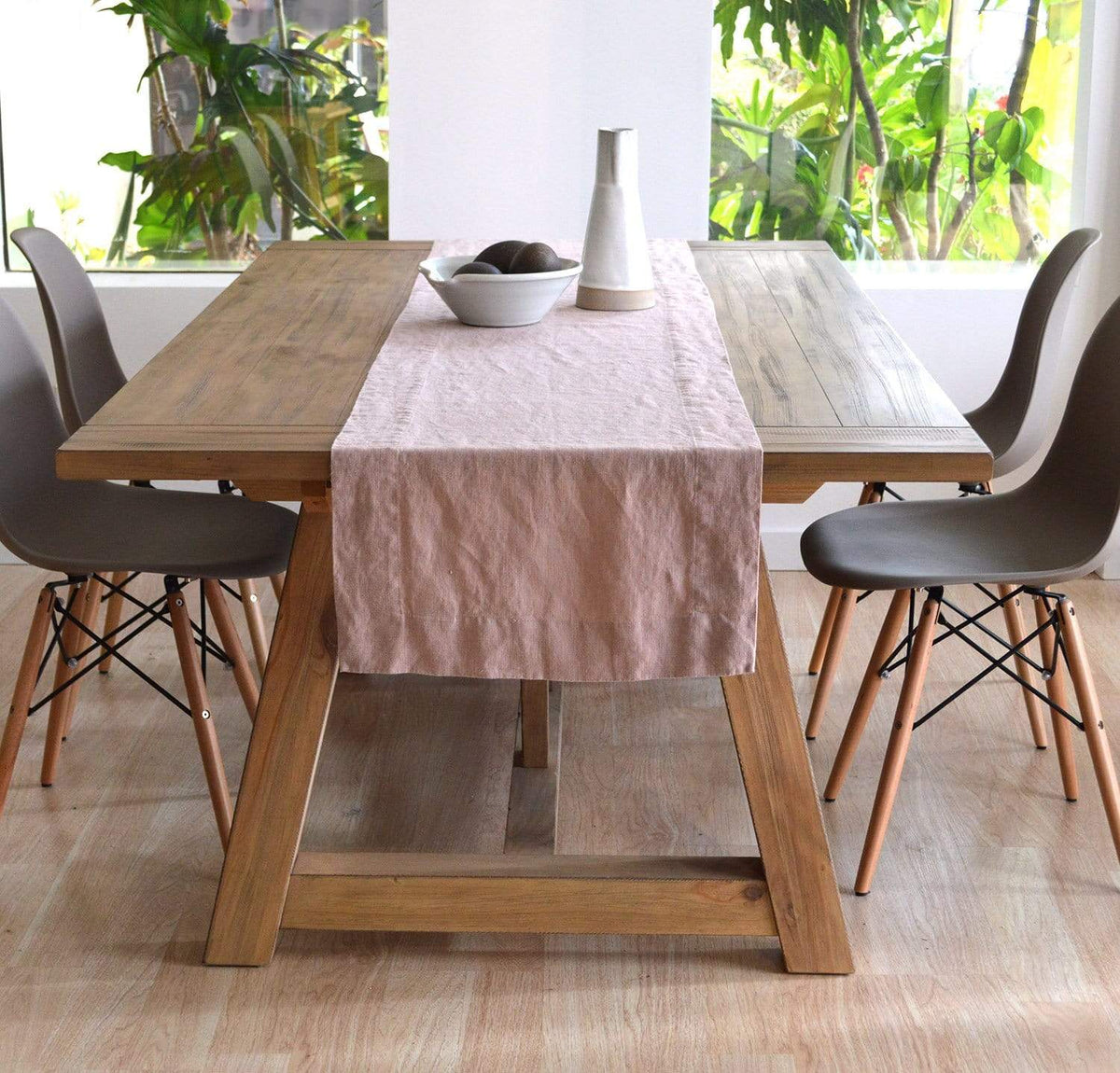
Creating personalized linen table runners is a delightful way to add a custom touch to your dining experience. These runners can be tailored to suit any occasion, reflecting your personal style or commemorating special events. The process is not only enjoyable but also allows for creativity and expression in home décor. Here’s a step-by-step guide on how to create your own linen table runners, including techniques for dyeing and printing, as well as incorporating monograms or symbols that are meaningful to you.
Step-by-Step Guide to Creating Custom Linen Table Runners
Making your own linen table runner can be a simple yet fulfilling project. Here’s how you can do it:
1. Gather Materials: You will need linen fabric (the length and width depend on your table size), scissors, a sewing machine or needle and thread, and iron. Optionally, fabric dye or fabric paint can be used for designs.
2. Cut the Fabric: Measure your table and cut the linen to your desired size, ensuring you allow for hems (usually about 1 inch on all sides).
3. Hem the Edges: Fold the edges of the fabric over by about ½ inch, then fold again. Press with an iron for crisp edges, and sew to secure.
4. Design Application: If you wish to add color or designs, choose a dyeing or printing technique that works for you.
5. Finish the Runner: Once any embellishments are dry, give your runner a final press with the iron for a polished look.
Techniques for Dyeing or Printing Designs on Linen
Adding colors or patterns to your linen table runner can transform its appearance. Here are some popular techniques:
– Dyeing with Fabric Dye:
– Prepare the dye according to the instructions.
– Submerge the linen in the dye bath, stirring occasionally for even coloring.
– Rinse the fabric thoroughly after achieving the desired color and allow it to dry completely.
– Fabric Paint Stencils:
– Create or purchase stencils of your desired designs.
– Secure the stencil on the linen with painter’s tape.
– Use a sponge or brush to apply fabric paint over the stencil, ensuring even coverage.
– Carefully remove the stencil and let the paint dry completely.
– Block Printing:
– Carve a design into a rubber or wooden block.
– Apply fabric paint to the block using a brayer.
– Press the block onto the linen fabric to create a repeated pattern.
Incorporating Monograms or Personal Symbols into the Design Process
Adding a personal touch like a monogram or symbol can make your linen table runner truly unique. Here’s how to incorporate these elements:
– Choosing a Design: Decide on the initials or symbols you want to use. This could be your family initial, a significant date, or a graphic that represents an interest or hobby.
– Monogramming Techniques:
– Embroidery: Use embroidery thread to stitch your chosen monogram onto the fabric. Transfer the design onto the linen using fabric chalk and stitch over it.
– Iron-On Transfers: Print your monogram design onto transfer paper and follow the instructions to apply it to the linen.
– Fabric Paint: Directly paint the monogram on the runner using fabric paint. Practice on scrap fabric first for precision.
– Placement: Consider where you want the monogram to appear. Common placements include the corners or centered along the length of the runner.
Creating personalized linen table runners allows for unique expressions of style and character in your home. By utilizing these crafting techniques, you can easily transform plain linen into cherished pieces that enhance your dining experience.
Linen Table Runners for Special Occasions and Events
Choosing the right table runner can transform the ambiance of any event, from a grand wedding to an intimate dinner party. Linen table runners not only add a touch of elegance but also serve as a versatile base for your table settings, enhancing the overall theme and decor. Their texture and colors can reflect the essence of your occasion, making them an essential element in event planning.
When selecting linen table runners for special occasions, it’s vital to consider the nature of the event and the atmosphere you wish to create. Different styles and colors can evoke various moods—soft pastels for a spring wedding, vibrant hues for a summer party, or rich jewel tones for formal gatherings in the fall or winter. Each choice can significantly affect how your table looks and feels.
Styles and Colors of Linen Table Runners for Various Occasions
Selecting the right style and color of linen table runners can help set the tone for your event. Here are some popular options suitable for different occasions:
- Classic White Linen: A timeless choice that exudes sophistication. Ideal for weddings and formal events, it pairs well with almost any color scheme.
- Bold Colors: Bright reds, deep blues, or vibrant greens can energize a setting. Perfect for parties and celebrations, these colors can be matched with complementary centerpieces.
- Neutral Tones: Shades like beige, taupe, and soft gray provide a subtle backdrop that allows floral arrangements or decorative items to stand out. Suitable for both casual and formal events.
- Textured Linens: Fabrics with a bit of texture, such as linen blends or embroidered patterns, add depth and interest to your table setting. These are great for rustic or vintage-themed events.
Understanding how to plan a cohesive table setting can elevate your event. The table runner can serve as a focal point, guiding the selection of other elements such as plates, glasses, and centerpieces. Here are some tips to achieve a harmonious look:
- Coordinate Colors: Choose a color palette that complements your linen runner. For instance, if your runner is a bold color, select plates and napkins in softer shades that harmonize without clashing.
- Layer Textures: Mixing various textures can create visual interest. Pair a linen runner with ceramic dishware or glass centerpieces, maintaining balance without overwhelming the table.
- Add Greenery: Fresh flowers or greenery can enhance the natural look of linen runners. Simple arrangements work best; they should not overpower the runner but rather complement its style.
- Use Proper Sizing: Ensure your runner is appropriately sized for your table. A runner that extends beyond the table’s edges can create a more relaxed, inviting feel.
“A well-styled table is the heart of a memorable event.”
The Impact of Color and Design on Linen Table Runners
The choice of color and design in linen table runners plays a pivotal role in shaping the ambiance of dining spaces. From elegant dinner parties to casual family meals, the right linen runner enhances the overall aesthetic and mood, making dining experiences more memorable. Understanding how different colors and patterns influence the atmosphere allows hosts to curate settings that reflect their style and the occasion.
The psychology of color reveals that various hues evoke different feelings and responses. For instance, warm colors like reds and oranges can stimulate appetite and conversation, while cool tones such as blues and greens promote calmness and relaxation. Patterns, too, can create distinct vibes; floral designs often lend a touch of romance, while geometric prints can inject a modern flair. A well-chosen linen table runner can harmoniously blend these elements, enhancing the visual appeal of the dining environment.
Current Design Trends in Linen Table Runners
Staying abreast of current design trends is essential for making informed choices about linen table runners. Popular colors and patterns frequently evolve, influenced by seasonal changes, fashion, and interior design movements. Presently, the following trends are noteworthy:
- Earth Tones: Shades like terracotta, olive green, and muted browns have surged in popularity, resonating with the growing interest in sustainable and nature-inspired decor.
- Bold Patterns: Geometric shapes and vibrant florals are being embraced for their ability to add visual interest and personality to dining setups.
- Minimalist Designs: Simple, monochromatic linens are favored for their versatility and ability to complement various decor styles without overwhelming the space.
- Textured Fabrics: Linen blends that feature texture, such as slubs or embroidery, are trending, enhancing the tactile experience of dining.
When selecting a design for a linen table runner, it is crucial to consider how it will complement or contrast with existing decor. The key factors to evaluate include:
- Color Coordination: Choose a color that harmonizes with the tableware and surroundings; for example, a soft pastel runner can beautifully offset dark wood furniture.
- Pattern Balance: If tableware features intricate designs, opting for a solid or subtly patterned runner can prevent visual chaos.
- Theme Consistency: Ensure that the runner aligns with the overall theme of the occasion; for instance, a rustic runner can enhance a farmhouse-style gathering.
In summary, the impact of color and design in linen table runners cannot be overstated. A thoughtful selection can transform dining spaces into inviting and stylish environments, making every meal feel special.
Last Point
In conclusion, linen table runners are more than just decorative elements; they embody a blend of history, functionality, and sustainability. By choosing linen, you not only enrich your home’s aesthetic but also contribute to a more environmentally conscious lifestyle. Embrace the versatility of linen table runners and make every gathering special.
FAQs
How do I choose the right size linen table runner?
Measure your table and ensure the runner extends at least 6-12 inches beyond the edges for a balanced look.
Can I use linen table runners outdoors?
Yes, but be mindful of weather conditions as linen is best suited for semi-protected areas to avoid damage.
Are linen table runners easy to clean?
Yes, they can be machine washed, but it’s best to follow care instructions for optimal longevity.
Do linen table runners wrinkle easily?
Yes, linen is prone to wrinkling, but a light iron or steamer can easily smooth them out.
Can I customize a linen table runner?
Absolutely! Linen can be dyed, printed, or embroidered for a personal touch or special occasions.