
 Eric
Eric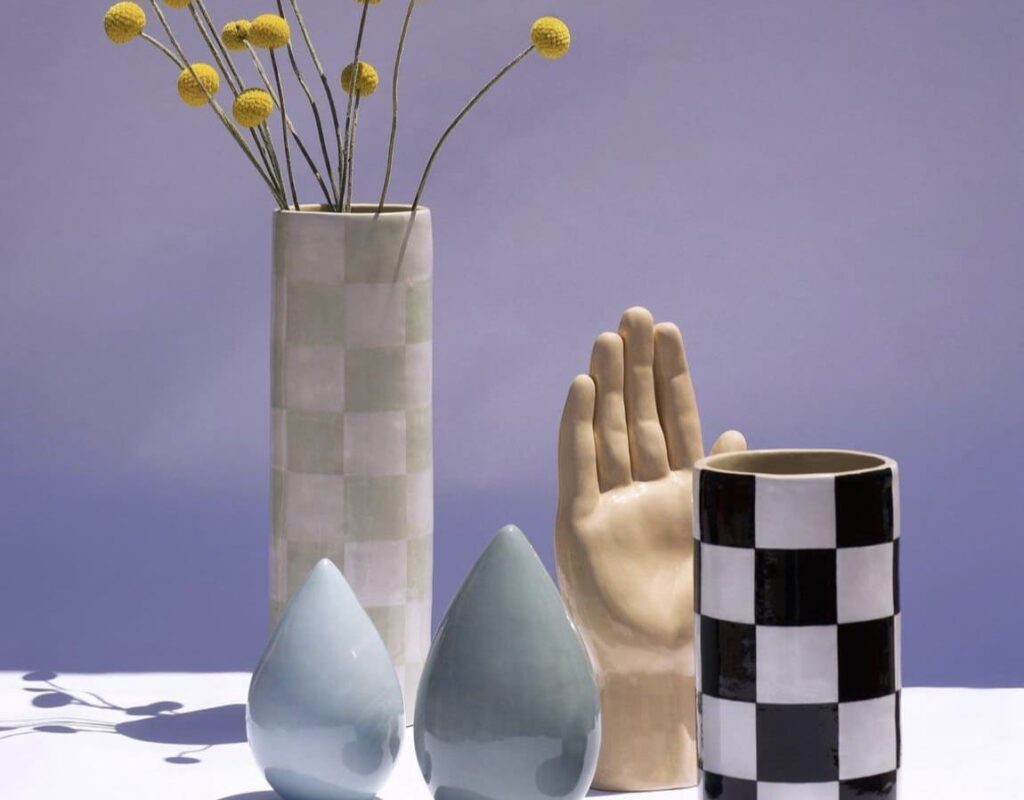
Ceramic vases have long been celebrated as both functional items and works of art, seamlessly blending beauty with practicality. From ancient civilizations that revered these vessels for their cultural significance to modern homes where they serve as decor staples, ceramic vases have an intriguing history that showcases human creativity and craftsmanship.
These versatile creations come in various shapes, sizes, and styles, making them suitable for any decor theme or gardening endeavor. The materials and techniques used in their production have evolved over centuries, reflecting the influences of different cultures and eras. As we explore the world of ceramic vases, we will uncover their historical importance, contemporary designs, and the artistry that goes into crafting each piece.
The Historical Significance of Ceramic Vases
Ceramic vases have played a crucial role in various cultures throughout history, serving not only as functional objects but also as significant artistic expressions. They have evolved over centuries, influenced by cultural exchanges and technological advancements. From ancient civilizations to contemporary artistry, the journey of ceramic vases reflects the values, beliefs, and aesthetics of the societies that created them.
The production of ceramic vases has undergone significant changes over time, influenced by materials and techniques specific to different eras and cultures. In ancient Mesopotamia, for instance, potters utilized clay sourced from riverbanks, shaping it by hand before firing it in rudimentary kilns. The application of glazes began with the Egyptians, who developed lead glazes to enhance the visual appeal of their pottery. As trade routes expanded, techniques such as slip casting and the use of high-fired ceramics became prevalent, especially in East Asia. Japanese potters, for example, mastered the art of Raku pottery in the 16th century, highlighting the intricate relationship between ceramics and Zen Buddhism.
Notable Historical Ceramic Vases
Throughout history, several ceramic vases have emerged as cultural icons, showcasing the artistry and craftsmanship of their time. These vases are more than mere artifacts; they narrate the stories of the societies that produced them.
- The Amphora: Originating from ancient Greece, the amphora was used for storage and transportation of liquids, particularly wine and oil. Its unique shape often featured intricate depictions of mythology and daily life, providing insight into Greek culture.
- The Ming Dynasty Vase: This iconic porcelain piece from China, often blue and white, exemplifies the height of ceramic artistry during the Ming Dynasty. Its intricate designs and cultural motifs became symbols of status and power in Chinese society.
- The Acoma Pot: Crafted by the Acoma Pueblo in New Mexico, these vases showcase a blend of traditional techniques and modern inspirations. The hand-painted designs often reflect the natural surroundings and spiritual beliefs of the Acoma people.
- The Urn: Used across various cultures, the urn often served as a burial vessel. Roman urns, for instance, were richly decorated and signified the importance of the individual in the afterlife, showcasing both artistry and societal values.
The significance of these vases lies not only in their aesthetic appeal but also in their ability to convey the cultural narratives and historical contexts of their respective periods. They continue to inspire contemporary artists and collectors, embodying the timeless nature of ceramic artistry.
Different Types of Ceramic Vases and Their Uses
![[Chinese to English] Hi all, this is on the base of a porcelain vase ...](https://maibirthday.com/wp-content/uploads/2026/04/vase-main-1024x1024-1.jpg "[Chinese to English] Hi all, this is on the base of a porcelain vase ...")
Ceramic vases are a versatile addition to any home, serving both decorative and functional purposes. These vases come in various styles, each designed to suit specific aesthetic preferences and practical needs. From traditional to contemporary designs, ceramic vases can enhance any space, making them an essential element of home decor and gardening.
One of the hallmark uses of ceramic vases is in home decor. They can be placed on tables, shelves, or mantels, adding a touch of elegance and personality to the interior. Depending on the style, ceramic vases can either stand alone as decorative pieces or be paired with flowers and greenery to create stunning arrangements. For instance, a tall, slender ceramic vase works well with long-stemmed flowers, while a wider, short vase is perfect for a more compact bouquet. The color and glaze of the vase can significantly impact the overall ambiance of a room, with bold colors making a statement and neutral tones providing subtle sophistication.
Additionally, ceramic vases are pivotal in gardening, particularly for indoor plants. The porous nature of ceramic allows for proper airflow and moisture retention, promoting healthy root growth. Many people utilize ceramic pots for herbs, succulents, and houseplants, benefitting from their durability and aesthetic appeal. Specific styles of ceramic vases, such as terracotta or glazed options, can enhance the growth environment by regulating temperature and humidity levels.
Styles of Ceramic Vases and Their Functions
Understanding the different styles of ceramic vases can help homeowners choose the right pieces for their needs. Each style not only serves a decorative purpose but also caters to specific functional requirements. Here are some notable styles along with their uses:
- Around the World: Globally inspired ceramic vases often feature intricate designs and vibrant colors, making them excellent conversation starters in any room. These vases can hold fresh or dried flowers, serving as a focal point in both traditional and contemporary decor.
- Minimalist Designs: Characterized by clean lines and a simple aesthetic, minimalist ceramic vases often complement modern interiors. They are perfect for showcasing single flowers or branches, allowing the beauty of the flora to shine without distraction.
- Artisan Handmade Vases: These unique pieces often bear the signature of the artist, reflecting individuality. They are ideal for creating bespoke arrangements and can also serve as standalone art installations, adding character to any setting.
- Terracotta Vases: Known for their rustic appeal, terracotta vases are popular for outdoor use, especially in gardens. Their natural clay composition allows for good drainage, making them suitable for various plants.
- Glazed Vases: These come in a variety of colors and finishes, enhancing their visual appeal. Glazed ceramic vases are waterproof, making them ideal for holding fresh flowers without the risk of leaking.
The form and design of a ceramic vase significantly enhance its utility. A well-designed vase not only complements the flowers it holds but also enhances the overall decor of a room. For example, a vase with a narrow neck can create an elegant silhouette, while a wide body can accommodate larger arrangements. Furthermore, textures and finishes can add depth and interest, making even a simple bouquet look extraordinary.
The Craftsmanship Behind Handmade Ceramic Vases
The creation of handmade ceramic vases is an intricate journey that transforms raw clay into stunning art pieces. Each step in this process embodies the artistry and skill of the craftsmen, making every vase a unique testament to creativity and tradition. From the initial shaping to the final touches, the craftsmanship involved reflects a deep respect for materials and techniques passed down through generations.
The process of crafting a handmade ceramic vase begins with selecting the right type of clay, which is often influenced by the desired outcome in terms of texture, color, and strength. Once the clay is chosen, artisans skillfully knead and wedge it to remove air bubbles, ensuring a uniform consistency. This step is crucial as it enhances the workability of the clay, allowing for a smoother crafting experience.
Shaping Techniques and Tools Used in Vase Creation
Artisans employ various techniques and tools to shape the clay into vases, each contributing uniquely to the final product. Some of the most common methods include:
- Hand-building: This technique involves forming the vase using the hands and basic tools such as wooden paddles, ribs, and coils. It allows for intricate designs and customization.
- Wheel-throwing: Using a potter’s wheel, artisans spin the clay while applying pressure to shape it into a symmetrical form. This method often results in perfectly proportioned vases.
- Slip casting: A technique where liquid clay (slip) is poured into molds. This method is ideal for producing identical pieces and intricate designs that might be difficult to achieve by hand.
The tools used by ceramic artisans play a vital role in the shaping process. These include:
- Potter’s wheels: Essential for wheel-throwing, these wheels can be manual or electric, allowing for various speeds and techniques.
- Clay knives and trimming tools: Used for refining shapes and adding details to the vase.
- Sponges and brushes: Employed for smoothing surfaces and applying glazes during the finishing stages.
The individual craftsmanship behind each vase significantly influences its value. Handmade vases often carry a story, reflecting the artisan’s skill, personality, and cultural background. Unlike mass-produced items, these creations embody artistry and unique expression. Each imperfection or variation is celebrated, adding character and charm. For instance, a vase with a slight asymmetry may be viewed as a mark of authenticity, enhancing its desirability among collectors and art enthusiasts alike.
In essence, the craftsmanship behind handmade ceramic vases is not just about the finished product; it’s about the tradition, techniques, and individual artistry that go into every piece, making them cherished items in homes and galleries around the world.
The Influence of Contemporary Design on Ceramic Vases
The aesthetics of ceramic vases have significantly evolved due to contemporary design trends, infusing modern elegance and functionality into traditional craftsmanship. As the boundaries between artistic expression and functional decor continue to blur, ceramic vases have emerged as not only vessels for flowers but also as statement pieces that reflect personal style and cultural narratives.
The fusion of traditional and contemporary techniques in vase design showcases the innovative spirit of modern artisans. Many contemporary ceramicists draw inspiration from age-old practices, reinterpreting them through a modern lens. This blending of styles results in vases that embody both heritage and innovation. Techniques such as wheel throwing and hand-building are still prevalent but are often combined with modern glazing techniques, allowing for unique textures and colors that were not possible in the past.
Characteristics of Modern Ceramic Vase Styles
Understanding the characteristics of modern ceramic vase styles reveals how they differ from those of previous decades. Modern vases emphasize minimalism, bold shapes, and vibrant colors, contrasting sharply with the more ornate and intricate designs of earlier eras.
The significance of this evolution can be seen in the following attributes:
- Simplicity in Design: Contemporary vases often feature sleek, clean lines and simple silhouettes that prioritize form and function. This is a shift from the elaborate detailing common in vintage styles.
- Innovative Materials: Modern ceramicists experiment with a variety of materials, including mixed media, which allows for greater expression and uniqueness in design.
- Functional Art: Many contemporary vases are designed with an emphasis on usability, enabling them to serve as both decorative objects and practical vessels.
- Color and Finish: A wider palette and a variety of finishes, such as matte, glossy, or metallic, are seen in modern designs, offering more choices for consumers seeking to match their personal aesthetics.
In contrast, ceramic vases from previous decades tended to focus on intricate patterns, detailed hand-painting, and traditional motifs. The use of pastel colors and more conservative shapes characterized these older styles, which often aimed to reflect cultural traditions or depict nature.
As contemporary design continues to influence the world of ceramic vases, the marriage of old techniques with new ideas fosters a dynamic landscape where artisans can explore creativity while honoring the craft’s rich history. This ongoing dialogue between past and present not only enriches the art of ceramics but also provides consumers with an expansive array of choices that resonate with modern sensibilities and lifestyles.
“The beauty of ceramic vases lies not only in their function but in their ability to evoke emotion and tell a story.”
Caring for and Maintaining Ceramic Vases
Proper care and maintenance of ceramic vases are essential for ensuring their durability and beauty over time. By following a few simple guidelines, you can keep your vases looking pristine while also preserving their artistic integrity. This section Artikels effective cleaning methods, storage practices, and common mistakes to avoid in vase care.
Cleaning and Preserving Ceramic Vases
Regular cleaning is vital to maintain the beauty of ceramic vases. Dust and debris can accumulate and dull their finish, while improper cleaning methods may lead to damage. Here are detailed steps to clean and preserve your ceramic vases effectively:
- Use a soft, lint-free cloth or a microfiber cloth for dusting. Avoid rough materials that could scratch the surface.
- If the vase has stains or dirt, prepare a gentle cleaning solution by mixing warm water with a few drops of mild dish soap. Dip the cloth in the solution, wring it out, and gently wipe the vase.
- For stubborn stains, consider using a mixture of baking soda and water to create a paste. Apply it gently with a soft cloth, then rinse with clean water.
- Avoid using abrasive cleaners or harsh chemicals, as these can strip the glaze and ruin the finish of the vase.
- After cleaning, dry the vase thoroughly with a soft cloth to prevent water spots and ensure moisture does not affect the ceramic over time.
Regular cleaning enhances the longevity of ceramic vases and preserves their aesthetic appeal.
Proper Storage and Display Methods
The way you store and display ceramic vases can significantly impact their condition. Proper techniques help prevent accidental damage and ensure they remain a focal point of your decor. Consider the following points for optimal storage and display:
- When storing vases, wrap them in soft materials like bubble wrap or old towels to cushion them against impacts.
- Store vases in a stable environment, avoiding areas with extreme temperatures or humidity fluctuations, which can lead to cracking or fading.
- Display vases on sturdy shelves away from high-traffic areas to minimize the risk of them being knocked over.
- For tall vases, place them on lower shelves to prevent tipping, while also ensuring they are secured in their position.
- Utilize display cases or cabinets that provide protection while allowing visibility, ensuring they are dust-free and less prone to accidental damage.
Smart storage and display techniques safeguard your ceramic vases from potential harm while enhancing their visual appeal.
Common Mistakes in Caring for Ceramic Vases
Many vase owners inadvertently make mistakes that can lead to damage. Recognizing and avoiding these common pitfalls can prolong the life and beauty of your ceramic vases. Here are some mistakes to watch out for:
- Using harsh chemicals or abrasive materials during cleaning, which can scratch and damage the ceramic surface.
- Placing vases in direct sunlight for extended periods, as this can cause colors to fade and weaken the structure.
- Neglecting to dust regularly, allowing dirt to accumulate and tarnish the finish.
- Overloading shelves or displaying vases in unstable arrangements, increasing the risk of breakage.
- Ignoring the type of ceramic; for instance, some pieces may require special care depending on their glaze or finish.
Avoiding common mistakes ensures the longevity and beauty of your ceramic vases, making them a cherished part of your collection.
The Role of Ceramic Vases in Sustainable Design
Ceramic vases are not just aesthetically pleasing home decor items; they also play a significant role in promoting sustainable living and eco-friendly design. In a world increasingly aware of environmental issues, opting for materials that prioritize sustainability is essential. Ceramic vases provide an excellent alternative to traditional plastic vases, aligning with eco-conscious values while enhancing the beauty of any space.
Ceramic vases contribute to sustainable living by being made from natural materials, primarily clay, which is abundant and easily sourced. The production process for ceramics typically involves lower energy consumption compared to plastic manufacturing. Additionally, ceramics possess a longer lifespan than their plastic counterparts, reducing the frequency of replacements and the waste generated over time.
Materials Used in Sustainable Vase Production
Various materials can be used in the production of sustainable ceramic vases. These materials not only enhance the environmental benefits but also add unique characteristics to each piece. Notable examples include:
- Natural Clay: This is the primary material for most ceramic vases. Its availability and renewability make it a sustainable choice.
- Recycled Materials: Some manufacturers incorporate recycled glass and other ceramics into new designs, reducing waste and promoting a circular economy.
- Eco-friendly Glazes: Non-toxic and sustainably sourced glazes minimize the environmental impact while providing vibrant finishes.
- Biodegradable Inks: For decorative purposes, using biodegradable inks in the glazing process ensures that the entire product remains eco-friendly.
The choice of ceramic vases over plastic options brings substantial environmental benefits. Firstly, ceramics are biodegradable, meaning they won’t contribute to landfill waste in the same way that plastics do, which can take hundreds of years to decompose. The production of plastic involves petroleum extraction and toxic chemical processes that harm the environment. In contrast, ceramic vases, when disposed of properly, break down naturally.
Secondly, ceramics are non-toxic, making them safe for both indoor and outdoor use. They do not leach harmful substances into the soil or water, ensuring a healthier ecosystem. Moreover, ceramic vases can be reused and repurposed in numerous ways, further diminishing the need for new products and conserving resources.
In summary, ceramic vases not only enhance our living spaces but also embody sustainable design principles that support eco-friendly lifestyles. By choosing ceramics over plastic, consumers are making a conscious choice towards a healthier planet, reflecting a commitment to sustainability that is increasingly important in today’s world.
Exploring Popular Trends in Ceramic Vases
Ceramic vases have evolved significantly over the years, reflecting not only artistic creativity but also societal and cultural movements. Today, they serve as both functional items and statement pieces that enhance home décor. Let’s delve into the current trends in ceramic vase designs, materials, and their cultural significance.
Current Trends in Designs and Materials
The modern ceramic vase landscape showcases a variety of designs and materials that cater to diverse aesthetic preferences. Minimalism continues to dominate with simple lines and neutral colors, while bold, expressive forms are gaining popularity among collectors and decorators. Materials such as stoneware and earthenware are favored for their durability and natural textures.
Some notable trends include:
- Textured Surfaces: Vases with unique textures, such as ridges or grooves, add visual interest and tactile appeal.
- Natural Glazes: Earthy tones and non-glossy finishes resonate with the growing trend towards sustainability and organic aesthetics.
- Geometric Shapes: Angular and asymmetrical designs challenge traditional vase forms, making them conversation starters.
Color Palettes and Cultural Reflections
Color choices in ceramic vases are often reflective of broader cultural movements and individual expression. Recent trends indicate a shift towards warm, earthy palettes that evoke a sense of comfort and nostalgia. These colors not only align with the biophilic design concept but also promote a connection to nature.
Highlighted color trends include:
- Terracotta and Rust: These hues symbolize a return to rustic roots and authenticity, resonating with the artisanal movement.
- Pastels: Soft pinks, blues, and greens convey a sense of tranquility and are often used in modern, minimalist settings.
- Monochrome Schemes: Vases in a single color, particularly black or white, are used to create striking contrasts and highlight other elements in a room.
Trending Accessories that Complement Ceramic Vases
The right accessories can elevate the presence of ceramic vases in home décor, making them focal points in a room. Current accessories that pair beautifully with ceramic vases include:
- Natural Elements: Incorporating dried flowers, branches, or even stones can enhance the organic feel of ceramic vases.
- Layered Textiles: Using linen or cotton table runners alongside vases adds softness and texture to the display, creating a cohesive look.
- Art Pieces: Surrounding vases with small sculptures or framed art reflects a curated aesthetic and enhances the overall ambiance.
“Ceramic vases are not merely decorative; they encapsulate culture, style, and personal expression.”
Final Conclusion
In conclusion, ceramic vases represent more than mere objects; they embody a rich tapestry of artistic expression, cultural heritage, and sustainable living. As we’ve seen, their journey from historical significance to modern-day trends illustrates the enduring appeal and relevance of these exquisite pieces. Whether you’re a collector or simply looking to enhance your living space, ceramic vases offer a timeless connection to art and nature.
FAQ Corner
What types of materials are used in ceramic vases?
Ceramic vases are typically made from clay, which may be mixed with various additives like feldspar and quartz to enhance durability and aesthetic qualities.
How can I incorporate ceramic vases into my home decor?
Consider using ceramic vases as centerpieces on dining tables, accent pieces on shelves, or as part of a gallery wall, showcasing their unique designs.
Are ceramic vases suitable for outdoor use?
Yes, but it’s essential to choose frost-resistant ceramics and ensure proper care to prevent cracking due to temperature fluctuations.
How can I tell if a ceramic vase is handmade?
Handmade vases often display slight imperfections and unique variations in shape and glaze, distinguishing them from mass-produced items.
What cleaning methods are safe for ceramic vases?
Use a soft cloth and mild soap solution; avoid abrasive materials to prevent scratches and damage to the glaze.