
 Eric
EricWood Element Decor invites a unique blend of warmth and sophistication into your living spaces. By incorporating wood into your interior design, you not only enhance the aesthetic appeal but also create an inviting atmosphere that reflects a connection to nature. The natural textures and earthy tones of wood can transform any room into a cozy retreat, making it a popular choice for homeowners and designers alike.
From rustic charm to modern minimalism, the versatility of wood allows it to adapt to various decor styles. Each wood type brings its own character, contributing to the overall ambiance of a space. Whether you prefer the rich hues of walnut or the light tones of ash, understanding the significance of wood in decor can elevate your home’s aesthetic while promoting sustainability.
The significance of wood in interior design and decor
Wood is one of the most versatile materials used in interior design, prized not only for its functionality but also for its inherent beauty and warmth. In a world where modernity often takes precedence, wood brings a sense of timelessness and natural elegance into spaces, making it a cornerstone of both contemporary and traditional decor styles. The tactile quality of wood, along with its organic patterns and rich tones, creates an inviting atmosphere that resonates with comfort and familiarity. By incorporating wood into a design scheme, one can transform a sterile room into a cozy haven.
The natural qualities of wood significantly enhance both aesthetic appeal and sustainability in interior design. Wood offers a unique texture and visual warmth that few materials can replicate. Each piece of wood comes with its own story, visible through its grains and knots, adding character and uniqueness to every space. Moreover, wood is a renewable resource, making it an environmentally friendly choice when sourced sustainably. By prioritizing responsibly harvested timber, designers contribute to a more sustainable future while infusing spaces with the beauty of nature.
Different types of wood have distinct characteristics that can greatly influence the overall decor style. For instance, oak is known for its durability and prominent grain patterns, making it a popular choice for rustic and traditional interiors. Its warm, golden tones complement earthy palettes beautifully. On the other hand, walnut features a rich dark hue and a smoother grain, offering a sophisticated elegance that pairs well with modern and minimalist designs. Maple, with its light color and fine grain, lends itself to contemporary aesthetics and can brighten up a space, making it feel open and airy.
In addition to these common types, exotic woods like teak and mahogany bring their unique charm. Teak is particularly valued for its weather-resistant properties, making it ideal for both indoor and outdoor furnishings, while mahogany’s deep reddish-brown color can add a touch of luxury to any room. The choice of wood not only affects the visual appeal but also the mood and atmosphere of a space. By thoughtfully selecting the right type of wood, designers can craft environments that evoke warmth, comfort, and aesthetic pleasure, showcasing the timeless allure of wood in interior design.
Wood is not just a material; it is a connection to nature and a source of warmth that enhances the living experience.
Exploring various styles of wood element decor

Wood has an inherent warmth and versatility that makes it a popular choice in various decor styles. From rustic cabins to sleek modern apartments, wood elements bring texture, character, and even a touch of nature into our living spaces. By understanding different design styles and how they incorporate wood, you can effectively create an ambiance that reflects your personal taste while leveraging the beauty of this natural material.
Rustic Style
Rustic decor emphasizes natural beauty and simplicity, often drawing inspiration from countryside aesthetics. This style typically features raw, unfinished wood elements that highlight the material’s organic qualities. Key characteristics include:
- Natural Finishes: Emphasis on reclaimed wood, often with visible knots and imperfections, adds authenticity to the design.
- Earthy Color Palettes: Warm browns, greens, and muted tones create a soothing environment that connects with nature.
- Textured Fabrics: Incorporation of wool, burlap, or linen in textiles complements the rustic wood elements.
- Functional Furniture: Heavy, sturdy pieces such as farmhouse tables or log beds showcase the strength and durability of wood.
In a rustic setting, think of using reclaimed wood beams for ceilings, or a large wooden dining table surrounded by mismatched chairs for a welcoming, homey vibe.
Modern Style
Modern design is characterized by clean lines, minimalism, and a focus on functionality. Wood plays a crucial role in softening the starkness often associated with modern spaces. Some of the key aspects include:
- Sleek Lines: Incorporating smooth, polished wood surfaces in furniture and cabinetry adds elegance without overwhelming the space.
- Neutral Color Schemes: Light woods like birch or maple often complement a palette of whites, blacks, and grays, enhancing the modern aesthetic.
- Open Spaces: Wood can define areas within open floor plans. For example, a wooden partition can create a subtle distinction between the living room and dining space.
- Innovative Design: Look for furniture that integrates wood with materials like metal or glass for a fresh and contemporary look.
A modern living room might feature a sleek walnut coffee table paired with leather sofas, creating an inviting yet sophisticated ambiance.
Scandinavian Style
Scandinavian decor focuses on simplicity, functionality, and a connection to nature, making wood a perfect fit. The key characteristics include:
- Light Woods: Woods such as pine or birch are often used, highlighting their natural light tones that enhance brightness in interiors.
- Functional Design: Furniture tends to be minimalist and multifunctional, emphasizing the practicality of wood.
- Warmth and Comfort: Layering different wood types with soft textiles adds warmth to spaces, creating a cozy atmosphere.
- Natural Elements: Incorporate plants and other organic forms alongside wood to foster a serene environment.
Imagine a Scandinavian-inspired living area featuring light wood furniture, fluffy white rugs, and plenty of greenery for a refreshing and inviting setting.
By understanding these styles, you can effectively incorporate wood into your decor to create a harmonious and stylish environment that resonates with your individual preferences.
Practical ways to integrate wood decor into your living space
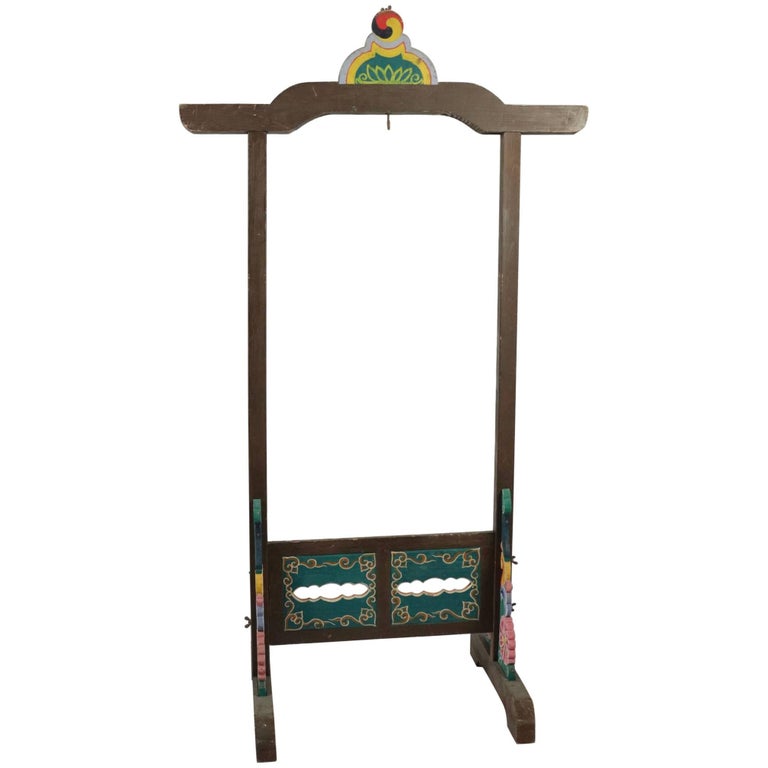
Integrating wood decor into your living space can enhance the warmth and character of your home. Wood elements bring a natural aesthetic that can create a cozy and inviting atmosphere. This guide will explore practical methods to incorporate wood products into various rooms, highlighting specific wooden decor items and tips for balancing wood with other materials.
Incorporating Wood in Different Rooms
Adding wood decor to your living spaces can be done in several ways, transforming the look and feel of each room. Here are some practical suggestions:
Living Room:
In the living room, wooden furniture pieces serve as focal points. Consider a wooden coffee table with a natural finish that complements your seating arrangement. Accent your space with wooden shelves to display books and decorative items, adding both style and functionality. You can also incorporate wooden picture frames to showcase family memories, enhancing the personal touch of the room.
Kitchen:
The kitchen is another area where wood can make a significant impact. Opt for wooden cabinets or even a kitchen island crafted from reclaimed wood for a rustic feel. Adding wooden cutting boards, spoon holders, or decorative bowls can enhance the aesthetic without overwhelming the space. Consider installing wooden shelving to hold spices or cookbooks, making them easily accessible while still looking stylish.
Bedroom:
In the bedroom, wooden elements can create a serene and restful environment. A wooden bed frame, nightstands, or a bench at the foot of the bed can anchor the space. Decorative wooden wall art or a carved wooden headboard adds texture without distracting from the overall decor. To enhance the ambiance, wooden accessories like lamps or candle holders can soften the lighting and add warmth.
Wood Decor Items:
Integrating wood decor can be accomplished with various items that enhance each room’s style. Here’s a list of popular wooden decor items you can consider:
- Wooden shelves
- Wooden coffee tables
- Wooden picture frames
- Wooden cutting boards
- Wooden dining tables
- Wooden bed frames
- Wooden decorative bowls
- Wooden wall art
- Wooden lamps
- Wooden benches
Balancing Wood with Other Materials:
To maintain a harmonious design, balancing wood with other materials is crucial. Pair wooden elements with metal accents, such as a metal lamp on a wooden side table, for a contemporary look. Use textiles like plush cushions or throws to soften the hard surfaces of wood. Consider integrating glass elements, such as a glass coffee table surrounded by wooden chairs, to create an airy feel. Mixing wood types—like a light oak with dark walnut—can also add depth and interest to your decor.
“The key to a well-designed space is creating balance; wood, when combined thoughtfully with other materials, can elevate your home’s aesthetic.”
The environmental benefits of choosing wood in decor
Choosing wood as a primary material in home decor offers numerous environmental benefits that significantly contribute to sustainability. As concerns about climate change and ecological degradation rise, selecting wood becomes an increasingly attractive option for conscientious consumers. This natural material not only enhances aesthetic appeal but also supports a healthier planet when sourced responsibly.
Sustainability is at the heart of choosing wood for decor. Wood is a renewable resource, especially when harvested from sustainably managed forests. These forests are carefully monitored to ensure that logging does not exceed growth rates, allowing trees to regenerate and continue to sequester carbon dioxide from the atmosphere. In contrast, materials like plastic, metal, and synthetic fabrics are often derived from non-renewable resources and involve energy-intensive production processes that contribute to pollution and waste.
Ecological impact comparison of wood and other materials
When comparing the ecological impact of wood to other common home decor materials, several key differences emerge.
- Carbon Footprint: Wood has a lower carbon footprint than many alternatives. The energy required to grow, harvest, and process wood is significantly less than that for aluminum or plastic, which require extensive energy for extraction and production.
- Biodegradability: Wood is biodegradable, meaning it naturally decomposes without releasing harmful toxins. Conversely, materials like plastic can take centuries to break down, leading to long-term environmental pollution.
- Energy Efficiency: The manufacturing process for wood products generally uses less energy compared to metals and synthetics. This efficiency translates into reduced greenhouse gas emissions throughout the lifecycle of wood products.
In addition to the benefits of wood, it is vital to consider responsible sourcing and certifications when making purchasing decisions. Look for labels such as the Forest Stewardship Council (FSC) or the Sustainable Forestry Initiative (SFI), which ensure that the wood comes from forests that are managed sustainably and ethically. These certifications guarantee that the forests are maintained for their biodiversity, wildlife habitats, and ecosystem functions while providing economic benefits to local communities.
In summary, opting for wood in home decor not only enhances the beauty of spaces but actively contributes to the protection of our environment. Its renewable nature, lower ecological impact compared to other materials, and the availability of responsibly sourced options make wood a standout choice for sustainable living.
Creative DIY wood decor projects for enthusiasts
Engaging in DIY wood decor projects is a fulfilling way to express creativity while adding a personal touch to your living space. Working with wood allows for endless possibilities, from rustic to modern designs. This guide will walk you through simple and enjoyable DIY projects that you can easily tackle at home.
Creating your own wood decor not only enhances your environment but also serves as a rewarding hobby. Whether you’re a seasoned craftsperson or a beginner, you’ll find that these projects require minimal tools and materials, making them accessible to everyone.
Wooden Wall Art
One of the most popular and versatile projects is creating wooden wall art. This allows for a broad range of artistic expression and can easily complement your home’s color scheme and decor style.
Tools and Materials Needed:
– Wooden boards (varied sizes)
– Sandpaper (medium and fine grit)
– Wood stain or paint
– Paintbrushes
– Saw (for cutting wood)
– Nails or adhesive (for assembly)
– Hanging hardware
To create your wooden wall art, follow these steps:
1. Select your Design: Sketch out your desired pattern on paper. Geometric shapes and nature-inspired themes work well.
2. Cut the Wood: Use a saw to cut the wooden boards into the necessary shapes according to your design.
3. Sand the Edges: Smooth out any rough edges with medium grit sandpaper followed by fine grit for a polished finish.
4. Stain or Paint: Apply wood stain or paint to your pieces. Let each layer dry before adding another coat.
5. Assemble: Once all pieces are dry, arrange them according to your design and connect them using nails or adhesive.
6. Hang: Attach the hanging hardware on the back, and your wall art is ready to display.
DIY Wooden Coasters
Wooden coasters are a practical and stylish addition to your home. They protect surfaces while showcasing your craftsmanship.
Tools and Materials Needed:
– Wooden slices (can be purchased or cut from a larger piece)
– Sandpaper (fine grit)
– Wood finish or sealant
– Paint or wood burning tool (optional for decoration)
For crafting your wooden coasters, you can follow these steps:
1. Prepare the Wooden Slices: Ensure that the slices are uniform in thickness and free from bark if desired.
2. Sand the Surface: Use fine grit sandpaper to smooth out the surface and edges to prevent splinters.
3. Finish the Coasters: Apply a wood finish or sealant to protect the coasters from moisture. Allow them to dry fully.
4. Add Decorative Elements: If desired, use paint or a wood burning tool to add designs to the surface.
5. Final Touches: Once decorated, apply another layer of sealant to protect the designs.
Wooden Planter Boxes
Creating wooden planter boxes is a fantastic way to introduce greenery into your home or garden, while also showcasing your woodworking skills.
Tools and Materials Needed:
– Untreated lumber (e.g., cedar or pine)
– Wood screws or nails
– Drill or hammer
– Saw
– Sandpaper
– Wood sealant (optional, for outdoor use)
To build your planter box, follow these steps:
1. Cut the Lumber: Measure and cut the wood to create the four sides and bottom of the box.
2. Assemble the Box: Use screws or nails to connect the pieces, ensuring the corners are square.
3. Sand the Edges: Sand down the edges to prevent splinters and achieve a smooth finish.
4. Seal (if necessary): If placing outdoors, apply a wood sealant to protect against the elements.
5. Add Soil and Plants: Fill the box with soil and add your choice of plants or flowers.
These DIY wood decor projects are not only budget-friendly but also allow you to create unique pieces that reflect your personal style. With a few basic tools and a bit of creativity, you can transform simple wood into beautiful home decor.
The psychological impact of wood in home interiors
The integration of wood into home interiors is more than just an aesthetic choice; it profoundly influences mood and well-being. The warmth and natural beauty of wood create an inviting and calming atmosphere that can enhance our living spaces. Research has shown that the presence of natural materials, especially wood, elicits a sense of comfort and connection to nature, which is essential for mental health and emotional stability.
Wooden elements in decor have a unique ability to evoke various sensory responses that can significantly affect our psychological state. The visual appeal of wood, with its rich textures and warm hues, can create an inviting ambiance that promotes relaxation. When we enter a room adorned with wood, our eyes are often drawn to the intricate grain patterns and earthy tones, which can instill a sense of tranquility. This visual connection to nature is vital; studies indicate that environments rich in natural materials can reduce stress levels and enhance feelings of well-being.
Sensory responses associated with wood textures and colors
The sensory responses elicited by wood are multifaceted and impact our overall mood. The tactile quality of wood plays a crucial role in how we perceive a space. The smoothness of a polished surface can be soothing to the touch, offering a sensory experience that feels comforting. In contrast, rougher textures can evoke a sense of rustic charm, connecting us to the earth and nature.
Color also plays a significant role in the psychological impact of wood. Lighter woods, such as maple or birch, tend to create an airy and bright environment, promoting feelings of openness and clarity. Darker woods, like walnut or mahogany, impart a sense of richness and warmth, fostering coziness and security. These sensory experiences can influence our emotions and behaviors within a space, making wood an essential component in interior design.
Research findings lend credence to the psychological benefits of wood decor. A study published in the Journal of Environmental Psychology indicated that natural materials in interior spaces contribute to lower stress and anxiety levels. The presence of wood has been linked to improved cognitive function and a greater sense of well-being. Additionally, expert opinions suggest that incorporating wood into our living spaces can enhance feelings of comfort and personal security, which are vital for mental health.
Incorporating wood into interior design not only enhances the aesthetic appeal of a space but also fosters an environment conducive to psychological well-being. The natural warmth, inviting textures, and calming colors of wood create a harmonious setting that nurtures our emotional health. By understanding and embracing the psychological impact of wood in home interiors, we can create living spaces that are not only beautiful but also supportive of our overall well-being.
Trends in wood element decor for contemporary homes
As modern design continues to evolve, wood element decor has carved out a distinct niche in contemporary homes. Homeowners are increasingly recognizing the warmth and character that wood brings to their spaces. This trend isn’t just about aesthetic appeal; it also reflects a growing appreciation for sustainability and natural materials. In this segment, we will explore the current trends in wood decor, notable designs, and how these innovations can be personalized to fit individual styles.
Current Trends in Wood Decor
The integration of wood in home decor is witnessing a transformation driven by several key trends. Not only are homeowners gravitating towards natural finishes, but they are also exploring innovative designs that push the boundaries of traditional woodworking.
One notable trend is the use of reclaimed wood, which not only adds a rustic charm but also appeals to eco-conscious consumers. Pieces made from salvaged wood tell a story and bring a sense of history to modern interiors.
Another emerging design is the incorporation of multifunctional wood furniture. For example, wooden coffee tables with built-in storage or dining tables that can extend for larger gatherings are particularly popular. These pieces maintain the elegance of wood while addressing practical needs in smaller living spaces.
Additionally, the combination of wood with other materials, such as metal and glass, is becoming increasingly popular. This blending creates visually striking contrasts that appeal to contemporary aesthetics. Floating wood shelves, for instance, pair beautifully with minimalist metal brackets, creating an airy feel without sacrificing strength.
Examples of contemporary wood decor pieces gaining popularity include:
- Live-edge tables: These tables celebrate the natural shape of the wood, offering a unique centerpiece for dining rooms.
- Wooden wall art: Carved and layered wood pieces add textural depth to walls, serving as striking focal points.
- Wooden planters: Combining nature and design, these planters enhance indoor greenery while showcasing craftsmanship.
- Wooden accent chairs: With organic curves and ergonomic designs, they provide comfort and style in living spaces.
To tailor these trends to personal tastes, homeowners can mix different wood types, play with finishes, and choose pieces that resonate with their lifestyle. For instance, someone who loves a minimalist look might opt for sleek, light-colored woods, while another who prefers a bohemian style could opt for darker, more intricate pieces.
In essence, the world of wood element decor is versatile and ripe for personalization, allowing individuals to create spaces that reflect their unique identities while embracing contemporary trends.
Last Recap
In conclusion, embracing Wood Element Decor can significantly enhance the beauty and comfort of your home. From the environmental benefits of sustainable sourcing to the psychological advantages of natural materials, wood offers a plethora of reasons to integrate it into your living spaces. With various styles and DIY projects available, anyone can discover the perfect way to incorporate wood elements into their unique decor.
FAQ Corner
What types of wood are best for decor?
Hardwoods like oak, maple, and cherry are popular for furniture, while softer woods like pine and cedar are great for accents and DIY projects.
How do I maintain wood decor items?
Regular dusting and occasional polishing with suitable cleaners will keep wood items looking their best. Avoid excessive moisture and direct sunlight.
Can I mix wood types in my decor?
Absolutely! Mixing wood types can create visual interest and depth, but aim to keep a cohesive color palette to maintain harmony.
What are the benefits of using reclaimed wood?
Reclaimed wood adds character and history to your decor, is environmentally friendly, and is often more durable than new lumber.
Is wood decor suitable for small spaces?
Yes, using lighter wood tones or minimalist designs can help make small spaces feel larger and airier while still providing warmth.