
 Eric
Eric
Helium Balloon Bunches have become synonymous with celebration, infusing events with a sense of joy and whimsy. From birthday parties to weddings and everything in between, these colorful clusters not only brighten the atmosphere but also serve as thematic focal points that can elevate any occasion. Whether it’s a romantic evening or a lively festive gathering, the charm of balloons is undeniable, making them a staple in joyful celebrations across the globe.
The vibrant colors and playful shapes of helium balloons can convey specific themes, enhancing the overall decor. Attendees are often drawn to the uplifting sight of balloon bunches, creating memorable backdrops for photos and experiences alike. Not only do they add a festive touch, but they also spark conversations and smiles, making them essential elements in our cherished moments.
Helium Balloon Bunch as a Celebration Element
Helium balloon bunches play a vital role in elevating the ambiance of various celebrations, enhancing joy and festivity. Their buoyant nature and vibrant colors create an instant visual allure that captures attention and elevates the mood. Whether it’s a birthday party, wedding, or corporate event, helium balloons are a universal symbol of celebration, infusing the atmosphere with excitement and happiness.
The significance of helium balloon bunches lies in their ability to convey themes and emotions through color and shape. Different colors can evoke specific feelings and set the tone for the occasion. For instance, red balloons symbolize love and passion, making them a popular choice for romantic celebrations like anniversaries and Valentine’s Day. In contrast, pastel colors are often associated with softer themes, suitable for baby showers or spring weddings. Shapes also play a crucial role; heart-shaped balloons are ideal for romantic events, while star-shaped balloons might be chosen for a graduation celebration.
Common Events Featuring Helium Balloon Bunches
Helium balloon bunches are prominently featured in a variety of events, each with its specific characteristics and requirements. Understanding their common usages can help in planning and executing themed celebrations effectively. Here are several popular events where balloon bunches are frequently utilized:
- Birthday Parties: A classic choice for birthdays, helium balloons add color and fun, often tailored to suit the age and interests of the celebrant.
- Weddings: Decorative balloon bunches can enhance wedding ceremonies and receptions, creating romantic and whimsical settings.
- Baby Showers: Balloons in soft pastel colors and playful shapes often signify joy in welcoming a new baby, making them a staple for such gatherings.
- Corporate Events: Businesses often use helium balloons for grand openings, product launches, and celebrations to create a festive atmosphere that draws attention.
- Graduation Ceremonies: Balloons in school colors or shape of caps and diplomas celebrate academic achievements, adding a celebratory touch to the event.
The versatility of helium balloon bunches allows them to adapt to various themes and occasions, making them indispensable in the world of celebrations. They not only add aesthetic value but also bring a sense of joy and festivity that resonates with people of all ages.
The buoyant nature of helium balloons enhances the celebratory atmosphere, making them a favorite choice for events.
The Science Behind Helium Balloons

Helium balloons are a popular choice for celebrations and events, primarily due to their ability to float gracefully in the air. The science behind this phenomenon is rooted in the unique properties of helium and its interaction with the atmosphere. Understanding these properties not only enhances our appreciation for these festive items but also highlights important environmental considerations surrounding their use.
Helium is a noble gas that is lighter than air, which is a primary reason why helium balloons can float. The atmospheric air is composed mainly of nitrogen and oxygen, with a density of approximately 1.225 kg/m³ at sea level. In contrast, helium has a density of about 0.1786 kg/m³, making it much lighter. When a helium balloon is filled, the buoyant force acting on it, which arises from the weight of the air it displaces, exceeds the weight of the helium inside the balloon, allowing it to rise. This principle is encapsulated in Archimedes’ principle:
The buoyant force on an object is equal to the weight of the fluid displaced by the object.
Environmental Considerations of Helium Usage
The use of helium balloons raises significant environmental concerns, particularly due to the finite nature of helium resources. Helium is a non-renewable resource, primarily sourced from natural gas extraction. The extraction process can be resource-intensive and can lead to ecological disturbances.
Moreover, once helium balloons are released into the atmosphere, they can pose threats to wildlife and the environment. When balloons eventually fall back to the ground, they can be mistaken for food by animals, leading to ingestion and potential harm. To address these issues, here are some important considerations:
- Helium is a limited resource, and its extraction can contribute to environmental degradation.
- Once released, balloons can travel long distances, causing litter and hazards for wildlife.
- Alternative methods for balloon decoration, such as using air-filled balloons, can reduce helium consumption.
Lifespan and Behavior of Helium Balloons in Different Conditions
The lifespan of helium-filled balloons can vary significantly based on environmental conditions. Factors such as temperature, altitude, and humidity play crucial roles in determining how long a balloon will float before it deflates. Generally, a standard latex helium balloon can float for 12 to 24 hours, while foil balloons can last several days or even weeks.
Temperature has a direct impact on helium balloon behavior. In cooler temperatures, helium contracts, and the balloon may appear to lose lift. Conversely, in warmer temperatures, helium expands, which can increase the buoyancy temporarily but risks the balloon bursting if the pressure exceeds its limits.
Humidity also affects balloon longevity; higher humidity can lead to faster deflation as the moisture can seep through the balloon material. A detailed overview of environmental factors influencing balloon behavior includes:
| Condition | Effect on Lifespan |
|---|---|
| Temperature Drop | May cause balloon to sink or appear deflated |
| High Temperature | Can lead to expansion and potential bursting |
| High Humidity | Accelerates deflation |
Understanding these scientific principles and environmental factors enhances our awareness of helium balloons’ impact and lifespan, allowing for more responsible usage and celebration practices.
Creative Arrangements for Helium Balloon Bunches
Creating a visually stunning helium balloon bunch is an art that can elevate any event or celebration. Whether it’s a birthday party, wedding, or corporate event, the arrangement of balloons can set the mood and enhance the overall aesthetic. This section delves into various creative designs and DIY arrangements that you can consider for your next gathering, ensuring that your balloon decor becomes a centerpiece of admiration.
Variety of Designs and Arrangements
Helium balloons can be arranged in countless creative ways to suit different themes and occasions. Below are some popular arrangements that can make your balloon display stand out.
- Balloon Arch: A grand archway made from multiple balloon bunches can serve as a striking entrance or backdrop. Mixing colors and sizes can create depth and intrigue.
- Balloon Bouquets: Individual bunches can be grouped together, featuring varying heights, to create an eye-catching display. Adding a decorative weight at the bottom keeps them secure.
- Floating Table Centerpieces: Helium balloons can be attached to weights and arranged on tables for a whimsical centerpiece that draws attention without taking up too much space.
- Balloon Columns: Tall columns made from stacked balloons can add height to your decor. These are particularly effective in larger spaces like banquet halls.
The creativity in balloon arrangements can be enhanced by incorporating different colors, shapes, and sizes. For instance, using a mix of round and star-shaped balloons can provide a playful touch.
DIY Balloon Bunch Arrangements for Various Occasions
Crafting your own balloon arrangements can be a fun and fulfilling task. Here are some suggestions tailored for specific occasions, ensuring that your decorations align beautifully with the event’s theme.
- Birthday Parties: Opt for bright, fun colors that reflect the birthday person’s personality. You can create a rainbow effect by blending multiple colors in clusters.
- Weddings: Soft pastels or metallic balloons can add an elegant touch. Consider creating heart-shaped bunches or using balloons as table settings.
- Baby Showers: Incorporate themed balloons such as animal shapes or pastel colors to celebrate the arrival of a newborn.
- Corporate Events: Use balloons in the company’s branding colors to create a professional yet inviting atmosphere. Custom-printed balloons with the company logo can serve as a unique touch.
Each arrangement should reflect the essence of the occasion while also being visually appealing.
Materials Needed for Balloon Displays
To achieve a stunning helium balloon display, having the right materials on hand is crucial. Below is a list of essential items needed for assembling eye-catching balloon arrangements.
- Helium Balloons: Choose a variety of shapes and sizes to enhance your design.
- Balloon Weights: These are essential for keeping your balloons from floating away.
- Balloon Tape or Adhesive: Useful for securing balloons together and creating arrangements.
- String or Ribbon: To tie balloons together or attach them to weights.
- Balloon Clips: These can simplify the process of tying multiple balloons together.
- Air Pump: If you need to inflate balloons that won’t be filled with helium.
Having these materials at your disposal can streamline the setup process, enabling you to focus on creativity and design.
“Creative balloon arrangements can transform any space, adding joy and vibrant colors to your celebration.”
Safety Precautions When Using Helium Balloons
Helium balloons can add a festive touch to any event, but using them safely is crucial, especially around children. Understanding the potential hazards and implementing proper safety measures can prevent accidents and ensure a fun experience for everyone involved.
One of the primary concerns with helium balloons is their potential to cause choking or suffocation, particularly for young children. In addition, improperly disposed balloons can pose serious environmental hazards. To ensure safety during events and parties, it’s important to recognize these risks and take appropriate precautions.
Identifying Potential Hazards
Children are particularly vulnerable to the dangers associated with helium balloons. Here are some of the key hazards:
- Choking Hazards: Deflated balloons or balloon fragments can easily be swallowed by young children, leading to choking incidents.
- Suffocation Risks: Children may accidentally inhale balloons, causing suffocation.
- Environmental Concerns: Released balloons can become litter that harms wildlife and the environment.
Taking these hazards into account is essential to ensuring a safe environment for children and other attendees at events.
Safety Measures for Events
Implementing safety measures can significantly reduce risks associated with helium balloons. Consider the following guidelines:
- Supervision: Always supervise children around helium balloons; ensure they are aware of the potential dangers.
- Securing Balloons: Tie balloons securely to weights to prevent them from floating away and becoming a hazard.
- Inflation and Deflation: Inflate balloons in a designated area away from children, and ensure that they are deflated properly before disposal.
- Educating Attendees: Share safety information with guests to raise awareness about the risks and encourage responsible behavior.
These measures can create a safer environment for guests while allowing everyone to enjoy the festivities.
Proper Disposal of Helium Balloons
Disposing of helium balloons responsibly is important in minimizing environmental impact. Here are effective guidelines for disposal:
- Deflation: Always fully deflate balloons before disposal to prevent them from becoming airborne.
- Recycling: Check local regulations to see if balloon materials can be recycled. Some balloon manufacturers offer recycling programs.
- Safe Disposal: Place deflated balloons in a trash bag to ensure they do not end up as litter, especially in nature.
By following these disposal guidelines, individuals can help protect wildlife and the environment while enjoying the festive aspect of helium balloons.
Alternatives to Helium Balloons for Decorations
As the push for eco-friendly celebrations grows, many are searching for alternatives to helium balloons that still provide a festive atmosphere. While helium balloons have long been a popular choice for decorations, their environmental impact and the rising cost of helium mean that many are exploring creative substitutes. This section delves into various options that can enhance your festivities without relying on these traditional balloons.
Eco-Friendly Decoration Options
A variety of eco-friendly materials and decoration ideas can serve as excellent substitutes for helium balloons. Not only do these alternatives reduce environmental impact, but they also allow for creativity in your celebrations.
- Paper Lanterns: These come in various shapes, colors, and sizes, making them versatile for any event. They can be hung from ceilings or trees, casting a lovely glow when illuminated.
- Bunting and Garlands: Made from fabric or recycled paper, bunting and garlands can be tailored to fit any theme. These decorations add a charming touch and can be reused for future celebrations.
- DIY Decorations: Crafting your own decorations using recycled materials can be a fun activity. Items such as old newspapers, magazines, or fabric scraps can be transformed into beautiful decor pieces.
- Tissue Paper Poms: Light and colorful, these tissue paper flowers can brighten up any space. They can be made in various sizes and colors, allowing for a personalized touch.
- Biodegradable Balloons: If you still prefer a balloon-like aesthetic, opt for biodegradable options made from natural latex. These will break down more quickly compared to traditional balloons.
Creative Decoration Ideas Without Helium
There are numerous creative ways to decorate your event space without the use of helium balloons. These alternatives can add flair and personality to your gatherings while remaining environmentally conscious.
- Floral Arrangements: Use fresh flowers or potted plants to create stunning centerpieces. They add color and can be a lovely gift for guests to take home.
- LED String Lights: These lights can create a magical ambiance, particularly for evening events. They can be draped across tables or hung from ceilings.
- Photo Booths: Set up a backdrop with fabric or paper decorations for guests to take pictures. This creates a fun activity while providing personalized mementos.
- Table Settings: Consider using colorful table linens, decorative plates, and centerpieces to create an inviting atmosphere. Unique table settings can make a significant impact on the overall aesthetic.
- Recycled Materials: Incorporate items like glass jars or tin cans as vases or candle holders. This not only adds to your decor but also champions sustainability.
“Creativity is intelligence having fun.” – Albert Einstein
By choosing these alternatives, you can create an enchanting atmosphere for your celebrations while being mindful of the environment. Embracing eco-friendly decorations not only enhances the aesthetic appeal but also promotes sustainability in our festivities.
Helium Balloon Bunches in Marketing and Advertising
Helium balloon bunches have become a popular tool in the marketing arsenal of many businesses. Their vibrant colors and whimsical nature not only capture attention but also create an inviting atmosphere. This unique medium of advertising leverages the inherent joy associated with balloons, making them effective for brand promotions, events, and in-store displays.
Businesses utilize helium balloon bunches for promotional purposes to enhance visibility and attract customers. The strategic placement of balloon displays at entrances, trade shows, or special events can significantly increase foot traffic. Balloons serve as eye-catching decorations that often draw people in from afar, piquing their curiosity and encouraging them to engage with the brand. Moreover, the playful nature of balloons creates a positive association with the brand, reinforcing customer loyalty and brand recognition.
Psychology of Vibrant Balloon Displays
The psychology behind using vibrant balloon displays in attracting customers is rooted in color theory and emotional response. Colors evoke specific feelings and behaviors, and balloons offer a spectrum of hues that can influence customer perceptions.
– Bright Colors: Colors like red, yellow, and orange are known to stimulate excitement and energy. These hues can create a sense of urgency, encouraging customers to take immediate action.
– Association with Celebrations: Balloons are often linked to celebrations and joyful occasions, which can evoke positive emotions in customers. This emotional connection can lead to increased purchases or engagement with the brand.
– Visual Appeal: The sheer visual impact of a cluster of balloons can stand out in crowded environments, providing a focal point that draws individuals towards a product or service.
“Balloon displays not only capture attention but also create memorable experiences that foster brand loyalty.”
Case Studies of Successful Marketing Campaigns
Real-world examples highlight the effectiveness of helium balloon bunches in marketing campaigns. Several businesses have successfully incorporated balloon displays to enhance their promotional efforts.
– Retail Promotions: A well-known grocery store chain utilized helium balloon bunches during a grand opening event. The vibrant displays at the entrance attracted families, resulting in a 30% increase in foot traffic compared to previous openings. Customers were drawn in by the festive atmosphere, leading to higher sales that day.
– Product Launches: An electronics company launched a new smartphone with a balloon-themed promotional event. The use of large, colorful helium balloon arches and clusters around the venue created a lively environment that encouraged attendees to explore the product. Feedback indicated that the balloon displays significantly enhanced the overall experience, contributing to a successful product launch.
– Charity Events: A local nonprofit organization hosted a fundraising event that featured helium balloon decorations. The balloons not only brightened the atmosphere but also served as a symbolic gesture of hope and celebration. This resulted in increased donations and community involvement, demonstrating the power of balloons in conveying messages that resonate with audiences.
The strategic use of helium balloon bunches in marketing and advertising effectively engages customers, enhances brand visibility, and creates memorable experiences that can lead to increased sales and customer loyalty.
Balloon Sustainability and Environmental Impact
The use of helium balloons has become a popular way to celebrate various occasions, but it’s crucial to consider the sustainability of helium and the environmental impact of balloon usage. Helium, a non-renewable resource, is extracted through mining processes that can contribute to environmental degradation. Understanding the implications of balloon releases on wildlife and ecosystems is essential for promoting responsible balloon usage.
The extraction and consumption of helium raise significant ethical considerations. Helium is a finite resource, and its over-extraction can lead to shortages, impacting industries that rely on it, such as medical applications and scientific research. Moreover, the balloon industry contributes to waste and pollution, especially when balloons are improperly discarded. Environmental awareness highlights the importance of sustainable practices to mitigate these impacts.
Impact of Balloon Releases on Wildlife and Ecosystems
Balloon releases, often seen as a festive gesture, have detrimental effects on wildlife and ecosystems. When balloons ascend, they eventually burst and fall back to the ground, posing risks to animals that ingest the remnants. The material can lead to choking hazards or severe digestive blockages in various species, including marine life.
The environmental consequences of balloon releases extend beyond wildlife harm. The balloons contribute to litter, impacting natural landscapes and waterways. Wildlife can become entangled in balloon strings, leading to injury or death. These issues highlight the need for awareness and mitigation strategies.
To address the negative impacts associated with balloon releases, it is vital to promote sustainable practices in balloon usage. Effective strategies include:
- Encouraging the use of biodegradable balloons, which can break down more naturally in the environment.
- Educating communities about the risks of balloon releases and promoting alternatives, such as using reusable decorations.
- Implementing regulations that limit balloon releases in certain areas, especially near wildlife habitats.
- Supporting initiatives that focus on recycling and proper disposal of balloons to minimize waste.
Promoting these strategies not only helps protect wildlife but also fosters a culture of sustainability in celebrations. Adopting responsible balloon practices can lead to a more harmonious coexistence with nature while still allowing for festivities and enjoyment.
The Art of Balloon Twisting and Decoration
Creating balloon art is not just an enjoyable activity; it also allows for boundless creativity and expression. Balloon twisting, in particular, transforms simple balloons into whimsical characters, intricate shapes, and delightful decorations that can enhance any celebration. This craft combines technical skill and artistic flair, making it a fascinating pursuit for hobbyists and professionals alike.
Balloon twisting involves a series of techniques that allow artists to manipulate and shape balloons into various forms. The fundamental technique is the “twist,” where the balloon is twisted at different points to create sections. Properly inflating the balloon, leaving enough tail to prevent popping during twisting, and using controlled pressure are crucial for success. Advanced techniques include the “lock twist,” “bubble twist,” and “fold twist,” which enable the creation of more complex designs.
Basic Techniques for Balloon Twisting
Mastering the basic techniques is essential for creating imaginative balloon designs. Below are some key methods and their descriptions:
- Twist: This is the primary method used to join sections of the balloon. It involves twisting a segment of the inflated balloon tightly to create a secure connection.
- Bubble Twist: This technique involves twisting a bubble of air into the balloon to create shapes like limbs or animal heads. The size of the bubble can be adjusted to suit the design.
- Lock Twist: This method interlocks two bubbles together, providing stability to the structure, ideal for creating feature-packed designs such as animals.
- Fold Twist: By folding the balloon instead of twisting it, this technique allows for smoother curves and rounded shapes, such as in flower petals.
For beginners, developing balloon decoration skills also requires practice and patience. It’s beneficial to start with simple designs, gradually progressing to more intricate forms. Here are some helpful tips for those new to balloon art:
Tips for Beginners in Balloon Decoration
Progressing in balloon decoration skills can be both challenging and rewarding. Following these tips can assist beginners in honing their craft:
- Begin with a basic balloon twisting kit containing assorted balloon types and a pump.
- Watch instructional videos or attend workshops to gain insights from experienced balloon artists.
- Practice regularly to improve dexterity and confidence in balloon manipulation.
- Experiment with different designs to enhance creativity and develop a personal style.
Investing in the right resources and tools can also make a significant difference in learning balloon art. Here’s a curated list of useful materials and resources:
Resources and Tools for Balloon Art
Having the right tools and resources will facilitate a smoother learning process in balloon art. Consider the following essentials:
- Balloon Pump: A good-quality pump is vital for inflating balloons swiftly and safely without risking finger injury.
- Balloon Twisting Guidebooks: These books provide step-by-step instructions for a variety of designs, catering to all skill levels.
- Online Tutorials: Numerous websites and video platforms offer free tutorials that cover basic to advanced balloon twisting techniques.
- Practice Balloons: Investing in lower-quality balloons for practice can help beginners refine their skills without the pressure of wasting more expensive supplies.
By immersing oneself in the art of balloon twisting and decoration, one can not only create stunning visuals but also bring joy and excitement to any event.
Final Wrap-Up
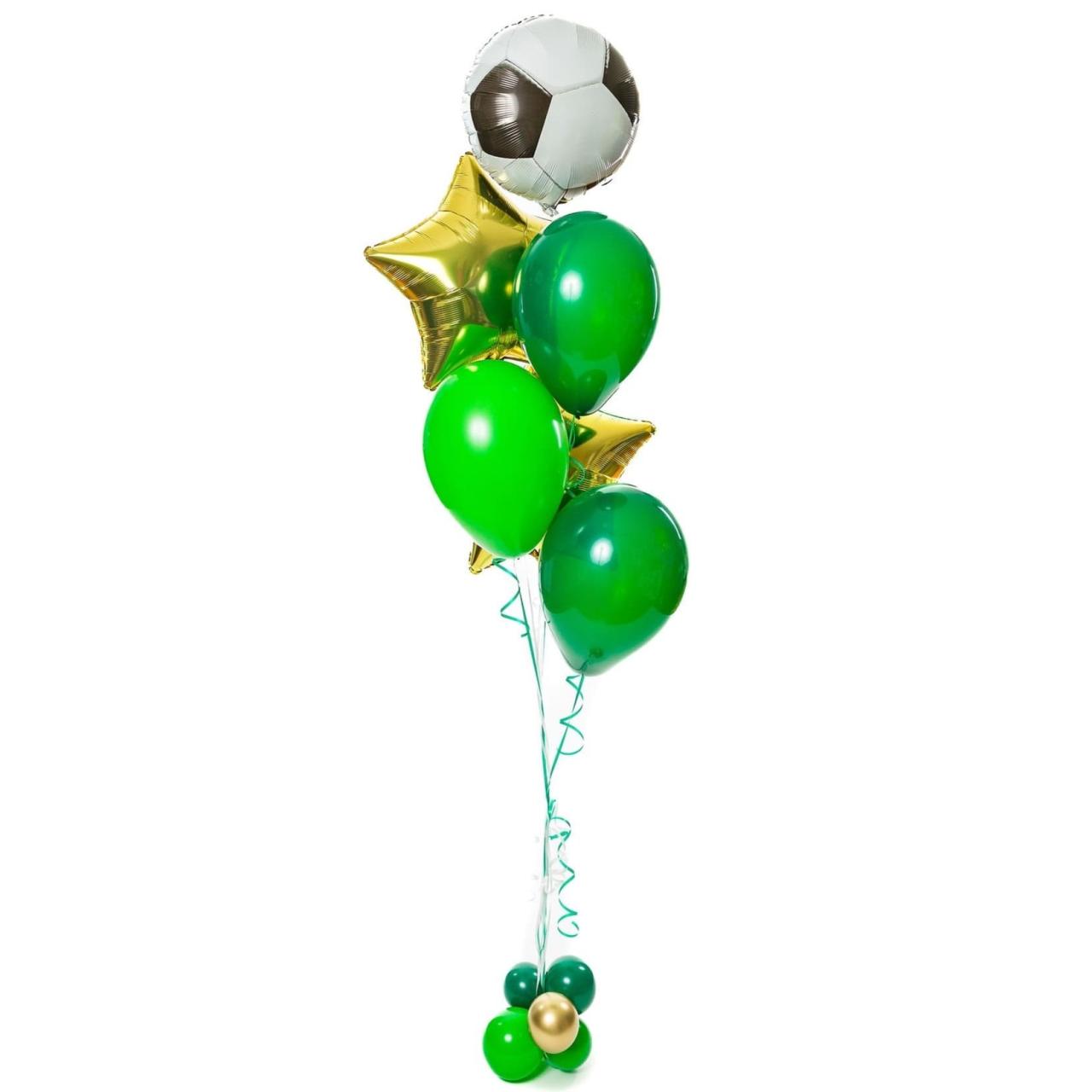
In conclusion, Helium Balloon Bunches are more than mere decorations; they encapsulate the spirit of celebration and creativity. By understanding their significance, the science behind them, and the various arrangements that can be created, one can appreciate their role in both personal and professional celebrations. As we embrace the joy that these balloon bunches bring, let’s also consider our environmental impact and explore sustainable alternatives to ensure that our celebrations remain joyous for generations to come.
FAQ Explained
How long do helium balloons last?
Helium balloons typically last anywhere from 8 to 12 hours, depending on the balloon type and environmental conditions.
Can helium balloons be reused?
In general, helium balloons are designed for single use, but they can sometimes be refilled if they are still intact and not over-inflated.
What is the best way to dispose of helium balloons?
The best way to dispose of helium balloons is to deflate them and throw them in the trash; do not release them into the environment.
Are there any health risks associated with helium balloons?
While helium is non-toxic, inhaling it can pose risks such as asphyxiation. Always supervise children and ensure balloons are used safely.
What are some eco-friendly alternatives to helium balloons?
Eco-friendly alternatives include biodegradable balloons, fabric buntings, and paper decorations, which can provide a vibrant look without environmental harm.