
 Eric
Eric
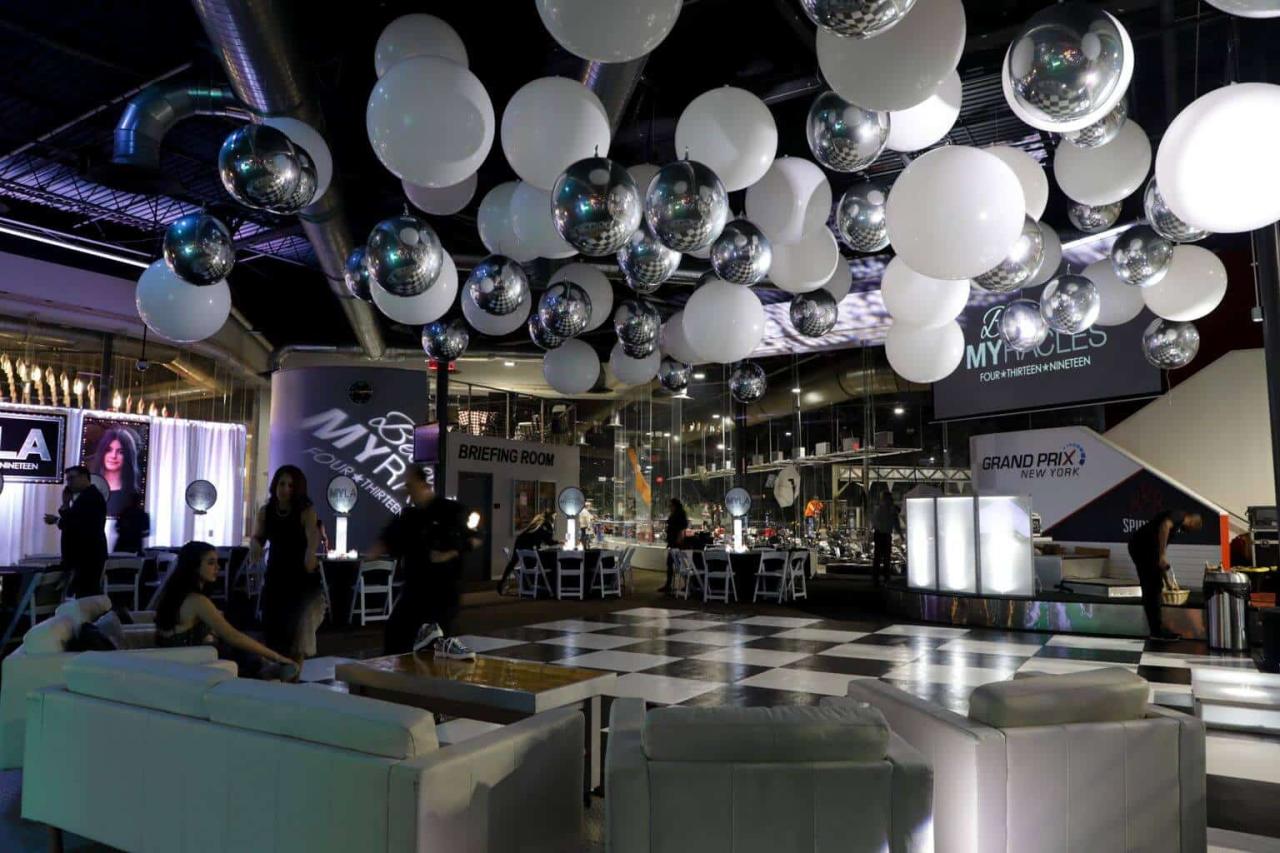
With Floating Balloon Ceiling at the forefront, this delightful design trend has become a favorite in event planning, captivating guests and adding a whimsical touch to celebrations. The colorful array of balloons that float gracefully overhead transforms ordinary venues into extraordinary spaces, creating a magical ambiance that encourages joy and festivity.
This exploration into floating balloon ceilings reveals their rich historical significance, artistic appeal, and the practical considerations that come with their design and installation. From the origin of balloons in celebrations to modern techniques and environmental considerations, the floating balloon ceiling stands as a testament to creativity and innovation in the world of event decoration.
The historical significance of floating balloons in celebrations
Floating balloons have become an iconic symbol of joy and festivity, often seen gracing the skies at various celebrations. The origins of floating balloons stem from the late 18th century, where they were initially crafted from animal bladders or intestines. It wasn’t until the invention of rubber in the 1820s that balloons as we know them today began to take shape, leading to their widespread use in celebrations and events. Over the years, these vibrant orbs of color have evolved in both design and purpose, adapting to the changing times and cultural practices surrounding festive occasions.
Throughout history, floating balloons have played significant roles in numerous celebrations. Notably, in the early 20th century, they were prominently featured in parades, such as the Macy’s Thanksgiving Day Parade, which began in 1924. The sight of massive, elaborately designed balloons soaring over city streets became a cherished tradition, symbolizing the onset of the holiday season. Additionally, during events like the 1986 Olympics, balloons were released as a gesture of goodwill and peace, further solidifying their place in celebratory practices. The use of balloons has also expanded globally, with various cultures adopting their own unique styles and traditions surrounding balloon displays, enhancing the festive atmosphere of significant events.
Evolution of Cultural Practices Surrounding Floating Balloons
The cultural significance of floating balloons has evolved, reflecting shifts in societal values and technologies. Initially, balloons were predominantly used for decoration, but they have gradually transformed into symbols of celebration and community spirit.
The context in which balloons are utilized has broadened, with various cultures incorporating them into their unique festivities. The following points highlight the changing practices around floating balloons:
- In many Western cultures, balloons are now a staple at birthday parties, weddings, and other significant milestones, symbolizing joy and celebration.
- Countries in Asia, such as Japan and China, have developed their own customs, where balloons are often released during festivals as an expression of hope and wishes for the future.
- In recent years, the environmental impact of balloon releases has sparked discussions, leading to a movement towards sustainable practices, such as the use of biodegradable materials for balloons.
The adaptation of floating balloons into digital celebrations, particularly during the COVID-19 pandemic, showcases their enduring relevance. Virtual events saw the use of animated balloon graphics, keeping the spirit of festivity alive despite physical distancing. As we move forward, floating balloons continue to capture the imagination, embodying the essence of celebration across cultures and generations.
The artistic aspect of designing a floating balloon ceiling
Designing a floating balloon ceiling is an art form that transforms spaces and elevates event aesthetics. The creative process involves more than merely inflating balloons; it requires a thoughtful blend of colors, shapes, and themes that resonate with the overall vision of the event. This design technique can evoke emotions, enhance the atmosphere, and create memorable experiences for guests.
The artistic journey of creating a floating balloon ceiling begins with brainstorming and conceptualization. Designers often draw inspiration from various sources, such as nature, art movements, or specific themes related to the event. By visualizing how the balloons will interact with the environment, designers can effectively plan the layout, choice of colors, and styles. Incorporating various themes into balloon ceiling designs is a crucial element that can significantly impact the visual outcome.
Themes and styles for balloon ceiling designs
Incorporating themes and styles into balloon ceiling designs allows for a unique representation of the event’s character. Here are some popular themes and styles to consider:
- Whimsical Wonderland: Incorporating pastel colors, clouds, and fairy lights can create a magical atmosphere reminiscent of a fairytale.
- Elegant Gala: Using metallic colors, sophisticated shapes, and structured arrangements can elevate the atmosphere for formal events.
- Seasonal Themes: Tailoring the design to reflect seasonal elements, such as autumn leaves or summer florals, adds a unique touch to any gathering.
- Corporate Identity: Incorporating company colors and branding elements can enhance corporate events, ensuring alignment with the brand image.
- Celebration of Milestones: Customizing designs to celebrate birthdays, weddings, or anniversaries with personal touches enhances the emotional connection to the event.
Achieving visually stunning balloon arrangements requires a combination of technique and creativity.
Techniques for stunning balloon arrangements
Utilizing effective techniques can significantly enhance the visual impact of a floating balloon ceiling. Here are some key techniques to implement:
- Color Coordination: Selecting a cohesive color palette can tie the design together, making the arrangement visually appealing.
- Layering: Varying the heights of balloons and using clusters allows for a dynamic arrangement that draws the eye upwards.
- Textured Balloons: Incorporating different textures, such as matte, glossy, and patterned balloons, can add depth and intrigue to the overall design.
- Lighting Effects: Using ambient lighting can enhance the colors of the balloons and create a magical atmosphere, especially in the evening.
- Installation Techniques: Utilizing fishing lines or transparent threads to suspend the balloons makes them appear as if they are floating in mid-air, enhancing the ethereal feel of the design.
Designing a floating balloon ceiling is an intricate blend of artistic expression and planning. The thoughtful consideration of themes, styles, and techniques ensures that the final arrangement leaves a lasting impression on all who experience it.
Practical considerations when setting up a floating balloon ceiling
Creating a floating balloon ceiling can elevate the aesthetic of any event, offering a whimsical and festive atmosphere. However, meticulous planning and execution are essential to ensure safety and visual appeal. This guide Artikels the materials needed, installation steps, and potential challenges you may face while setting up a floating balloon ceiling in various venues.
Materials and tools necessary for creating a floating balloon ceiling
To successfully create a floating balloon ceiling, certain materials and tools are indispensable. Understanding what you need beforehand can streamline the installation process, making it more efficient and effective. Below is a list of essential items:
- Balloons: Choose a mix of colors and sizes to create depth and visual interest. Consider using helium-filled balloons for the floating effect.
- Balloon Pump: A hand or electric pump will save time and effort when inflating each balloon.
- Fishing Line or Balloon Tape: Both can be used to secure balloons in place. Fishing line offers a nearly invisible option, while balloon tape provides a sturdy hold.
- Weight or Anchoring Materials: Ensure the balloons do not float away by using weights made of sandbags or small rocks.
- Scissors: Essential for trimming fishing line or balloon tape to the desired lengths.
- Ladder: Depending on the height of the ceiling, a sturdy ladder may be necessary for installation.
Steps involved in safely installing a floating balloon ceiling
The installation process of a floating balloon ceiling involves several critical steps to ensure the project is executed safely and efficiently. Organizing your approach can help minimize potential issues during implementation.
- Plan Your Design: Visualize how you’d like the ceiling to appear. Consider color combinations, balloon sizes, and overall layout.
- Prepare the Venue: Ensure the installation site is clean and free of obstacles. Check for any overhead fixtures that may interfere with balloon placement.
- Inflate Balloons: Use the balloon pump to inflate all chosen balloons to your desired size, ensuring consistency.
- Secure Balloons: Attach fishing line or balloon tape to the inflated balloons. Group them in clusters for a more dynamic look.
- Install the Ceiling: Begin placing the balloons on the ceiling, starting from one corner and working your way across the space. Use a ladder when necessary for higher areas.
- Adjust and Finalize: Step back regularly to assess the overall look and make adjustments as needed for balance and spacing.
Challenges that may arise during installation
While setting up a floating balloon ceiling can be a rewarding endeavor, various challenges may arise during the process. Understanding these potential setbacks can better prepare you for a smooth installation.
Common challenges include balloon popping, insufficient adhesive strength, and space constraints.
To address these challenges, consider the following strategies:
- Balloon Popping: Handle balloons gently and ensure they are not over-inflated. Using high-quality balloons can also reduce the risk of popping.
- Adhesive Strength: If using tape or adhesives, test a small area first to ensure they hold well on the ceiling material. Stronger adhesives or additional anchoring weights may be necessary for larger installations.
- Space Constraints: Measure the area carefully before installation. If the ceiling height is limited, consider using smaller balloons or creating a more condensed design.
The impact of floating balloon ceilings on event ambiance
Floating balloon ceilings have become a trendy design element in various events, from weddings to corporate gatherings, significantly enhancing the overall atmosphere. This unique decoration style introduces a playful and whimsical charm, making any space feel more inviting and festive. When strategically placed, balloon ceilings not only capture attention but also set a specific tone that resonates with the theme of the event.
The presence of floating balloon ceilings can drastically transform an event space, creating an environment that encourages participation and engagement among guests. These colorful decorations often elicit positive emotions, serving as a visual treat that stimulates joy and excitement. The buoyant nature of balloons evokes feelings of nostalgia and innocence, inviting guests to let their guard down and fully embrace the celebratory atmosphere.
Psychological effects of balloon decorations on guests
The psychological impact of balloon decorations on guests is profound and multifaceted. Balloons often symbolize joy, celebration, and festivity, which can subconsciously influence the mood and behavior of attendees. Here are some key psychological effects that balloon ceilings can have:
-
Enhanced mood and positivity: The bright colors and playful shapes of balloons can elevate the mood of guests, creating a sense of happiness and celebration.
-
Increased engagement: A visually stimulating environment encourages guests to participate more actively in the event, whether it’s mingling, dancing, or enjoying the activities provided.
-
Childlike nostalgia: Balloons often remind adults of childhood celebrations, triggering fond memories and creating an emotional connection to the event.
-
Social interaction: The vibrant and dynamic nature of balloon ceilings can facilitate conversations and interactions among guests, breaking down barriers and fostering a sense of community.
Event organizers have frequently noted the positive impact that balloon ceilings can have on their events. Many report that the creative use of balloons not only enhances the aesthetic appeal of the venue but also transforms the energy in the room. For instance, a wedding planner shared their experience of using a balloon ceiling at a recent reception, highlighting how the guests were drawn to the colorful display, which encouraged them to take photos, interact, and celebrate together. This sense of engagement was markedly higher compared to other decor styles previously employed, demonstrating the effectiveness of balloon ceilings in elevating event ambiance.
Environmental considerations regarding balloon usage
The use of balloons in decorations and celebrations can have significant environmental implications. While they add a festive touch to various occasions, it’s essential to consider their impact on wildlife and ecosystems. Traditional latex balloons can take years to decompose, contributing to pollution and threatening marine and terrestrial life when released into the environment. Thus, exploring sustainable alternatives and biodegradable options becomes crucial for minimizing the ecological footprint while still enjoying their aesthetic contributions.
Biodegradable balloons have emerged as a popular alternative to traditional balloons, designed to break down more quickly and reduce environmental harm. However, the effectiveness of these options can vary significantly based on the materials used and environmental conditions. It’s important to understand that while biodegradable balloons decompose faster, they still require specific conditions to break down properly and can pose risks if not disposed of correctly.
Biodegradable balloon options and their effectiveness
A variety of biodegradable balloon options are available, which prioritize sustainability without sacrificing the visual appeal of events. These balloons are typically made from natural latex or other eco-friendly materials designed to degrade over time. Here are some key points about these alternatives:
- Natural Latex Balloons: Made from rubber tree sap, these balloons are compostable and can decompose in a matter of months under the right conditions, unlike traditional latex balloons that can take years.
- Paper and Plant-Based Balloons: Some manufacturers produce balloons from paper or plant-based materials, enhancing their biodegradability and reducing reliance on fossil fuels.
- Compostable Alternatives: Balloons made from materials like PLA (polylactic acid) can be composted industrially, breaking down into non-toxic materials within a few months.
While biodegradable options demonstrate reduced environmental impacts, their effectiveness is highly contingent upon proper disposal methods and the specific environment in which they are placed.
Recommendations for minimizing environmental impact
To strike a balance between aesthetic goals and environmental preservation, several recommendations can be employed. These practices not only reduce the ecological footprint of balloon usage but also encourage responsible celebration planning.
- Choose Biodegradable Options: Opt for biodegradable balloons over traditional ones to minimize environmental harm.
- Avoid Balloon Releases: Releasing balloons into the sky poses significant risks to wildlife, as they can cause ingestion or entanglement. Consider using alternative celebrations, such as bubble releases or paper lanterns.
- Proper Disposal: Ensure that all balloons are properly disposed of after use. Collect and recycle where possible, or consider composting biodegradable options if the proper facilities are available.
- Educate Others: Share information about the environmental impacts of balloon use and promote sustainable practices among friends and family.
- Explore Alternative Decorations: Substitute balloons with other decorative elements, such as fabric banners, natural foliage, or reusable items that serve a similar visual purpose without the associated environmental risks.
By implementing these recommendations, it is possible to enjoy the festivities while honoring our planet and its ecosystems.
Innovative techniques for maintaining floating balloon ceilings
Creating a stunning floating balloon ceiling is a fantastic way to elevate the aesthetics of any event. However, the challenge lies in keeping these balloons inflated and in place for the duration of the occasion. Various innovative techniques can ensure that your floating balloons maintain their charm and visual impact throughout the event, enhancing the overall atmosphere and experience.
One of the key aspects in maintaining floating balloon ceilings is the choice between helium and air for inflation. Each option comes with its own set of advantages and disadvantages that can significantly affect the design’s longevity. Helium-filled balloons tend to float gracefully and add an element of whimsy, but they also have a shorter lifespan due to the gas escaping rapidly. In contrast, air-filled balloons, while not floating, can be manipulated creatively to create depth and texture while lasting longer.
Methods for Balloon Maintenance
To ensure that floating balloons remain inflated and in place, several methods can be employed. Each method plays a crucial role in extending the life of the balloons and maintaining their desired appearance during events.
- Balloon Treatment Products: Using balloon shine or sealants can help reduce helium diffusion, keeping balloons inflated for longer periods. These products create a barrier that slows down the gas escape process.
- Quality Balloons: Choosing high-quality latex or foil balloons designed specifically for floating can enhance durability and reduce the likelihood of leaks or ruptures.
- Proper Inflation: Ensuring balloons are inflated to the appropriate size is essential; over-inflation can lead to pops, while under-inflation can cause them to sag prematurely.
- Temperature Considerations: Balloons are sensitive to temperature fluctuations. Maintaining a stable environment can prevent balloons from expanding or contracting, which is crucial for their longevity.
- Weighting and Tying Techniques: Properly tying and weighting balloons can help secure them. Using a string or balloon weight can prevent drifting and keep them in desired positions.
Comparative Analysis of Helium and Air
Understanding the implications of using helium versus air for balloon inflation can inform better design choices. Helium balloons provide an enchanting floating effect but require careful planning for timing and placement due to their shorter lifespan.
Helium balloons typically last 6-12 hours, while air-filled balloons can last several days when properly managed.
Air-filled balloons, while unable to float, can be used creatively to form intricate designs and structures that hold up well over longer periods. This method allows for a more sustainable approach, especially for extended events.
Troubleshooting Common Balloon Issues
Encountering issues with balloons during events is not uncommon, but being prepared with troubleshooting tips can save the day. Here are some common problems and solutions to keep in mind:
- Balloon Deflation: If balloons start to deflate, check for leaks. A simple fix is to apply a small amount of balloon repair tape over any noticeable punctures.
- Slippage: Balloons may slip from their bindings. Ensure that the knots are double-tied and secure, and consider using a balloon clip for added safety.
- Uneven Floating: If some balloons are floating lower than others, it may be due to insufficient helium or air. Re-evaluate inflation levels and adjust as needed.
- Popping Balloons: To prevent pops, keep balloons away from sharp objects and ensure they have enough space to expand without restriction.
Floating balloon ceiling trends in various types of events
Floating balloon ceilings have become a stunning centerpiece in event decor, captivating attendees with their ethereal aesthetic. From weddings to corporate gatherings, these installations are evolving to reflect the themes and moods of diverse occasions. Understanding the trending styles can help event planners curate captivating atmospheres that resonate with their guests.
Trends in floating balloon ceilings are varied across different types of events, showcasing unique themes and atmospheric goals. For weddings, couples often favor romantic color palettes, incorporating soft pastels and metallics to create a dreamlike ambiance. Parties, on the other hand, typically embrace bold colors and playful patterns, reflecting the celebratory nature of the event. Corporate gatherings may lean towards more minimalistic and sophisticated designs, using colors that align with brand identity while maintaining a professional look.
Seasonal and cultural variations in balloon ceiling designs
Seasonal trends greatly influence the choice of balloon ceiling designs, as certain colors and styles are associated with different times of the year. For instance, spring events often feature florals and light colors, while autumn gatherings might incorporate earthy tones and rustic elements. Cultural significance also plays a pivotal role in design choices, as different cultures may have traditional colors or symbols that are integrated into balloon installations during festive celebrations.
- Spring: Pastel colors and floral arrangements, representing renewal and freshness.
- Summer: Bright, bold hues reflecting energy and joy, often with tropical themes.
- Autumn: Warm colors like oranges and browns, with themes of harvest and coziness.
- Winter: Icy blues and whites, often paired with shimmering metallics to invoke a festive spirit.
Event planners can stay updated on the latest designs and concepts in floating balloon ceilings through various channels. Engaging with industry-specific publications and attending trade shows dedicated to event planning are effective ways to discover new trends. Additionally, following influential event planners and designers on social media platforms can provide a continuous stream of inspiration.
“Staying attuned to seasonal and cultural trends can elevate an event’s decor and create memorable experiences for guests.”
Incorporating interactive elements into balloon installations, such as lighting or unique shapes, can also keep designs fresh and exciting. By understanding these trends and remaining flexible to adapt to changing preferences, event planners can create stunning floating balloon ceilings that enhance the overall event experience.
Safety measures related to floating balloon ceilings
Creating a visually stunning floating balloon ceiling can transform an event space, but safety must always be a priority. It’s crucial to implement essential safety protocols to ensure the safety of attendees, maintain the integrity of the venue, and minimize the environmental impact of balloon use.
When incorporating floating balloons into an event, several potential hazards must be identified, and appropriate measures should be taken to mitigate them. Risks include balloon bursts, which can cause injuries, and the environmental concerns associated with balloon disposal. Adopting proper safety measures can significantly reduce these risks.
Essential safety protocols
Implementing safety protocols ensures that the use of floating balloons is secure for both guests and the environment. The following guidelines are essential when planning and executing a floating balloon ceiling:
- Secure Anchoring: Ensure all balloons are securely anchored to avoid accidental release. Use appropriate weights or tethering methods to keep them in place and prevent them from floating away.
- Avoiding Sharp Objects: Keep balloons away from sharp objects and surfaces that could lead to bursting. Ensure that all decorations and equipment in the vicinity are smooth and non-abrasive.
- Supervision: Have designated personnel monitor the balloon ceiling throughout the event. Quick action in case of any accidents can prevent injuries.
- Height Considerations: Ensure floating balloons do not obstruct fire alarms, sprinklers, or emergency exits. This is critical for maintaining safety regulations and ensuring visibility.
- Material Safety: Use non-toxic, biodegradable balloons to minimize environmental impact and ensure safety for all attendees, especially children and pets.
Identifying potential hazards and mitigation strategies
Inherent risks associated with floating balloon ceilings can lead to harmful incidents if not properly addressed. Identifying these hazards is the first step in safeguarding your event:
- Balloon Bursting: The unexpected bursting of balloons can startle guests and cause injuries. To mitigate this, use high-quality balloons that are less prone to popping and maintain a suitable temperature to avoid stress on the latex.
- Allergic Reactions: Some individuals may be allergic to latex. Inform guests about the presence of latex balloons, and offer alternatives made from mylar or other non-latex materials.
- Suffocation Hazard: Balloons can pose a suffocation risk, particularly for children. Keep inflatable decorations out of reach of small children and provide supervision.
- Environmental Impact: The release of balloons can harm wildlife and the environment. Educate staff and attendees on the importance of proper disposal methods and encourage balloon recycling.
- Fire Hazard: Balloons near open flames or heat sources can ignite. Ensure floating balloon ceilings are distanced from any flammable materials or heat sources.
Safe disposal of balloons
Responsible disposal of balloons after an event is crucial to prevent environmental damage. The following practices should be observed:
- Collecting Debris: After the event, carefully collect all balloon remnants, including pieces that may have popped. This helps reduce litter and potential hazards for wildlife.
- Recycling Programs: Many communities have balloon recycling programs. Check local guidelines to find the nearest facility that accepts balloons for recycling.
- Biodegradable Options: When possible, choose eco-friendly balloons that break down faster in the environment. Educate attendees on the importance of selecting sustainable options.
- Educate Guests: Inform all attendees about the significance of proper disposal to foster a culture of environmental responsibility. Provide designated collection points for used balloons.
- Avoiding Release: Encourage guests to refrain from releasing balloons into the atmosphere, as this contributes to pollution and poses risks to wildlife.
Last Word
In conclusion, the floating balloon ceiling not only elevates the aesthetic of any event but also fosters an atmosphere of celebration and togetherness. As we have seen, incorporating these stunning balloon designs requires careful planning, creativity, and a commitment to sustainability, ensuring that every event is not just beautiful but also environmentally responsible. Embrace the magic of floating balloons and let your next gathering soar to new heights!
FAQ Resource
What materials are best for creating a floating balloon ceiling?
High-quality latex balloons, helium, and various decorative accents like ribbons or lights are ideal for creating a stunning floating balloon ceiling.
How long will a floating balloon ceiling last?
Depending on the type of balloon and environmental conditions, a floating balloon ceiling can last anywhere from several hours to a couple of days.
Can I create a floating balloon ceiling indoors and outdoors?
Yes, floating balloon ceilings can be designed for both indoor and outdoor events, but outdoor setups may require special considerations for wind and weather.
What are some creative themes for a floating balloon ceiling?
Popular themes include whimsical garden, elegant monochrome, festive rainbow, and seasonal motifs like winter wonderland or summer beach.
Are there eco-friendly alternatives to traditional balloons?
Yes, biodegradable balloons made from natural latex are available and are a more environmentally friendly option compared to standard balloons.