
 Eric
Eric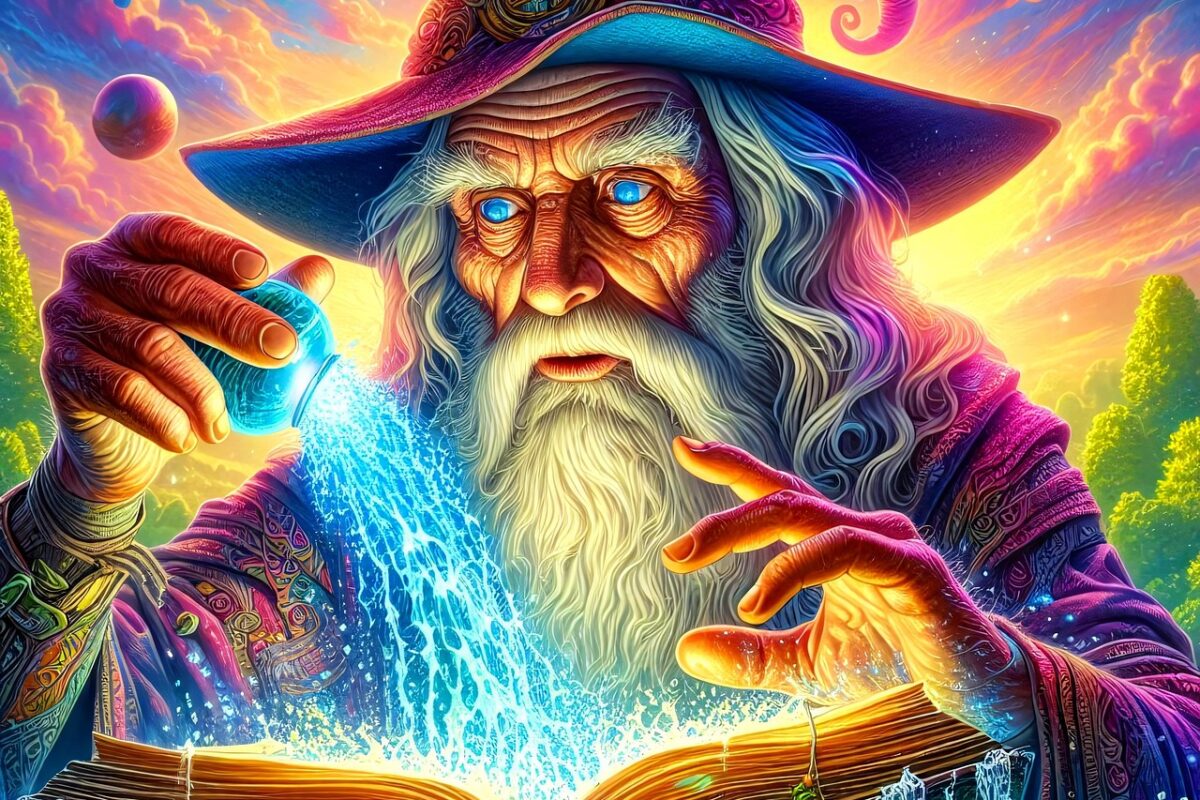
Magical Wizards, iconic figures steeped in folklore and fantasy, have captivated audiences for centuries. From the ancient tales of mighty sorcerers in medieval lore to the enchanting wizards of modern literature and film, these characters embody the allure of magic and the quest for knowledge. Their journeys intertwine with cultural beliefs, reflecting humanity’s fascination with the supernatural and the powers that lie beyond our understanding.
The narrative of magical wizards spans various cultures and eras, each contributing unique interpretations and attributes to these spellbinding figures. As we delve into the origins, archetypes, powers, and representations of wizards, we discover how they have evolved into symbols of wisdom and strength, resonating deeply within contemporary storytelling.
The Origins of Magical Wizards in Folklore
Throughout history, the concept of magical wizards has captivated the imagination of countless cultures around the globe. Wizards, often depicted as wise old men with mystical powers, have their roots deeply embedded in ancient folklore. These enchanting figures have been essential to storytelling, embodying human curiosity about the supernatural and the unknown. The portrayal of wizards varies significantly across different cultures, yet they share common threads that highlight the societal beliefs in magic, power, and wisdom.
In ancient myths and legends, wizards were often portrayed as guardians of knowledge and secrets. They served essential roles in various narratives, acting as mentors to heroes, advisors to kings, or as mediators between the earthly realm and the divine. For instance, in Celtic mythology, Merlin, the legendary wizard, was not only a prophet but also a wise counselor to King Arthur. His character illustrates the association of wizards with leadership and guidance. Similarly, in Norse mythology, figures like Odin, who was often depicted as a wizard, wielded immense power and knowledge, influencing the fate of gods and humans alike. These early narratives illustrate the dual nature of wizards—capable of benevolence and malevolence, reflecting the complexities of human nature.
The evolution of these early representations has significantly shaped modern interpretations of wizards in contemporary literature and popular culture. The archetype of the wizard has transformed over centuries, leading to new narratives that often emphasize the moral ambiguity of these characters. In modern fantasy literature, wizards are frequently depicted as protagonists or antiheroes, navigating complex moral landscapes. Works such as J.K. Rowling’s “Harry Potter” series and J.R.R. Tolkien’s “The Lord of the Rings” have further cemented the image of wizards as powerful yet fallible beings, capable of both great good and profound harm.
This rich tapestry of folklore illustrates how the characteristics of wizards have been adapted over time. Their traits, including wisdom, independence, and a deep connection to the mystical world, continue to resonate with audiences today. Moreover, the visual imagery associated with wizards—long robes, staffs, spellbooks, and mythical creatures—has become iconic, reflecting societal perceptions of magic and learning. Through these evolving narratives, wizards have not only survived the test of time but have also flourished, continuing to enchant and inspire generations across the globe.
The Evolution of Wizard Archetypes in Literature
Throughout history, wizards have captured the imagination of readers, serving as archetypes that reflect cultural values, fears, and aspirations. These magical figures often embody the complexities of knowledge, power, and morality. As literature evolved, so did the representation of wizards, leading to various archetypes that have become staples in fantasy genres. This discussion explores three distinct wizard archetypes found in literature and their implications for contemporary writing.
Distinct Wizard Archetypes
The representation of wizards in literature can generally be categorized into three distinct archetypes: the Wise Sage, the Dark Sorcerer, and the Trickster Mage. Each archetype reflects different traits, motivations, and roles within their narratives, shaping the stories they inhabit.
- The Wise Sage: Often depicted as an elderly figure with vast knowledge and wisdom, the Wise Sage serves as a mentor to protagonists. A quintessential example is Gandalf from J.R.R. Tolkien’s “The Lord of the Rings.” He provides guidance, insight, and support to the Fellowship, showcasing a deep understanding of both human nature and the world’s complexities.
- The Dark Sorcerer: This archetype represents the antagonist, wielding magic for malevolent purposes. A prominent example is Voldemort from J.K. Rowling’s “Harry Potter” series. The Dark Sorcerer embodies the fear of unchecked ambition and power, often serving as a foil to the hero and reinforcing themes of good versus evil.
- The Trickster Mage: Characterized by their cunning and unpredictability, Trickster Mages often blur the lines between hero and villain. An example is Rincewind from Terry Pratchett’s “Discworld” series. This character represents the humorous side of magic, showcasing how intelligence and survival instincts can outwit more powerful foes.
The evolution of these archetypes significantly influences contemporary fantasy writing. By incorporating elements from these traditional models, modern authors can craft multidimensional characters that resonate with readers. For instance, blending traits of the Wise Sage with the Trickster Mage can yield characters who are both knowledgeable and unpredictable, enhancing plot tension. Moreover, the presence of morally ambiguous wizards allows for rich exploration of themes related to power, ethics, and the human condition.
“The wizard archetype, through its evolution, mirrors society’s changing attitudes towards knowledge, authority, and morality.”
Contemporary fantasy writing often challenges the traditional boundaries of these archetypes, leading to innovative narratives that reflect current societal values. As readers crave complexity, wizards in modern literature are not merely powerful beings but are also deeply flawed characters whose journeys mirror the struggles of real life.
Magical Powers and Abilities Associated with Wizards
Wizards are often depicted as powerful beings in various forms of storytelling, wielding an array of magical abilities that define their characters and influence their narratives. These powers not only serve as tools for enchanting feats but also reflect the inner workings of their personalities, motivations, and moral complexities. The following exploration delves into some of the most common magical powers that wizards possess across different stories and the significance of these abilities in shaping the characters.
Common Magical Powers of Wizards
Wizards are characterized by a variety of magical powers that enhance their abilities and contribute to their unique identities. Below are five prevalent powers associated with wizards, along with their implications for the wizard’s character.
| Magical Power | Significance | Examples from Literature |
|---|---|---|
| Elemental Manipulation | Control over natural elements signifies a wizard’s connection to the world around them, showcasing their mastery of nature and often their inner conflict regarding its use. | Gandalf from J.R.R. Tolkien’s “The Lord of the Rings” uses fire and lightning. |
| Transmutation | This power highlights a wizard’s creativity and intelligence, reflecting their ability to adapt and change forms or materials, often symbolizing transformation. | Merlin in various Arthurian legends transforms objects and beings, showcasing his wisdom. |
| Illusion Casting | Utilizing illusions conveys a wizard’s cunning and strategic thinking, hinting at their deeper motivations and the potential for deception. | Illusions crafted by the character Rincewind in Terry Pratchett’s “Discworld” series illustrate the humorous yet clever use of magic. |
| Healing | The ability to heal reflects a wizard’s compassion and moral standing, often serving as a means to redeem or protect others, thus shaping their role as a hero. | The healing abilities of Elrond in “The Lord of the Rings” underscore his wisdom and benevolence. |
| Time Manipulation | This power adds a layer of complexity to a wizard’s character, often illustrating themes of fate, free will, and the consequences of altering time. | Hermione Granger’s use of a Time-Turner in J.K. Rowling’s “Harry Potter and the Prisoner of Azkaban” demonstrates the ethical dilemmas of time travel. |
“The true measure of a wizard’s power lies not in the magic they wield, but in the choices they make with it.”
The Role of Wizards in Contemporary Pop Culture
In today’s entertainment landscape, wizards have emerged as captivating figures, blending fantasy with contemporary storytelling. From blockbuster films to binge-worthy television series, the portrayal of wizards has evolved significantly, reflecting societal changes and shifting cultural norms. This evolution has allowed audiences to connect with these mystical characters in new and exciting ways, transcending traditional stereotypes to embrace a more nuanced depiction.
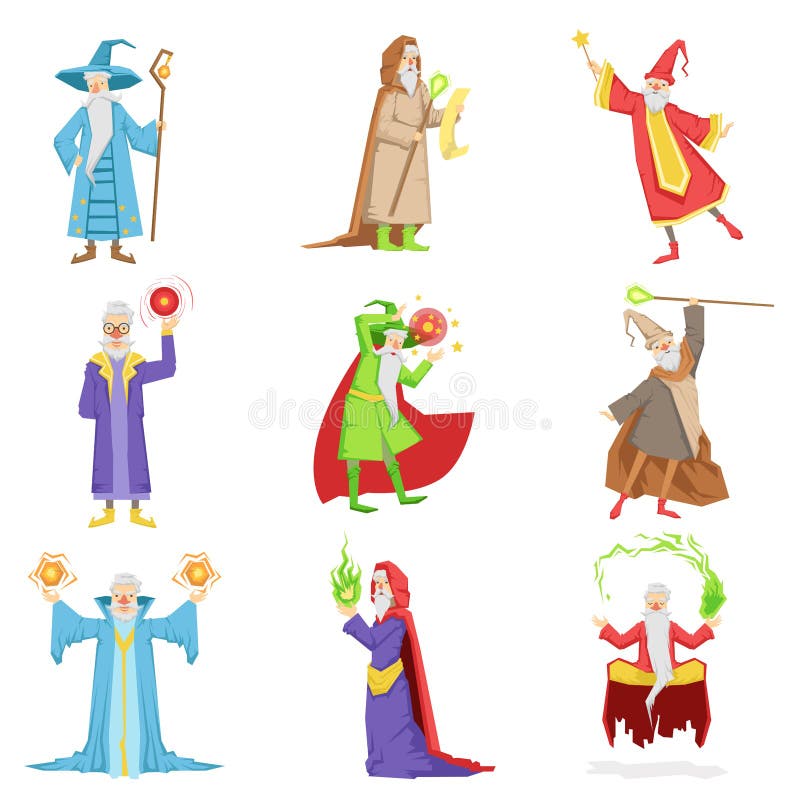
The portrayal of wizards in movies and television demonstrates a remarkable transformation from the traditional representations often found in classic folklore and literature. Historically, wizards were depicted as wise old men with long beards, often serving as mentors or guardians of ancient knowledge. However, contemporary narratives have diversified these figures, presenting them as complex individuals with distinct personalities, moral dilemmas, and relatable struggles. Modern wizards often grapple with themes of identity, belonging, and the consequences of power, rendering them more accessible to audiences.
Current Popular Films and Series Featuring Wizards
The contemporary media landscape is abundant with films and series that feature wizards, each showcasing unique traits and characteristics. These portrayals often reflect the complexities of modern life, infusing traditional wizardry with contemporary issues. Below is a list of notable films and series, along with key characteristics of the wizards depicted:
- Harry Potter Series:
The wizards in this franchise, particularly Harry, Hermione, and Dumbledore, are characterized by their growth, friendships, and the moral choices they must make against the backdrop of a dark antagonist. The series emphasizes themes of love, sacrifice, and courage. - Fantastic Beasts Series:
This series expands the wizarding world by focusing on diverse characters like Newt Scamander, who embodies empathy and an affinity for magical creatures. The films reflect modern issues such as immigration and social justice. - The Witcher:
Geralt of Rivia, while primarily a monster hunter, occasionally interacts with powerful wizards like Yennefer. This portrayal emphasizes the struggles for power and the complexities of magical ethics in a gritty, morally ambiguous world. - Merlin:
The television series presents a young Merlin who is torn between his destiny and the realities of living in a kingdom that fears magic. This show highlights themes of friendship and loyalty, with a focus on the struggles of a young wizard finding his place. - Chilling Adventures of Sabrina:
Sabrina Spellman navigates her dual identity as a half-witch, half-mortal. This series addresses modern themes of feminism, personal choice, and the conflict between tradition and individualism.
The evolving portrayal of wizards in contemporary pop culture not only entertains but also serves as a mirror to society’s changing values. The complexities and challenges faced by these characters resonate with audiences, offering a fresh perspective on the age-old archetype of the wizard.
The Influence of Wizards on Modern Fantasy Gaming
Wizards have long been a staple of fantasy lore, captivating imaginations with their mystical powers and arcane knowledge. In modern fantasy gaming, they play a crucial role, influencing gameplay mechanics and storytelling across various platforms. With their unique abilities and diverse interpretations, wizards continue to shape the landscape of interactive entertainment, allowing players to explore their fantasy adventures through spellcasting, strategic thinking, and character development.
Wizards are intricately woven into the fabric of fantasy gaming systems, contributing both to the mechanics of gameplay and the depth of the narrative. They often represent a class or archetype that players can choose, bringing a wealth of abilities, spells, and lore to the gaming experience. Typically, wizards possess high intelligence and access to powerful spells that can influence the game’s outcome, whether through combat, healing, or utility spells. Their role can vary greatly between gaming systems, yet several common features exist, which enhance the gameplay experience.
Roles of Wizards in Gameplay Mechanics and Storytelling
The multifaceted roles of wizards can be categorized into several key areas:
- Spellcasting: Wizards are primarily known for their ability to cast spells. This includes offensive spells for dealing damage, defensive spells for protection, and utility spells that provide support to allies or alter the environment.
- Character Development: Wizards often evolve through leveling up, gaining access to new spells and abilities as their experience grows. This encourages strategic thinking in how players manage their character’s progression.
- Strategic Gameplay: Wizards often require players to think strategically about their resource management, such as spell slots or mana, leading to dynamic decision-making during encounters.
- Narrative Depth: Wizards frequently have rich backstories and connections to the game’s lore. This allows them to be pivotal characters within the story, interacting with other characters and influencing plot developments.
Different gaming platforms have unique interpretations of wizards, each presenting their strengths and challenges. For example, in tabletop role-playing games like Dungeons & Dragons, wizards are often defined by their spellbooks and the meticulous preparation of spells. Players must choose their spells wisely before embarking on an adventure, emphasizing the importance of strategic planning.
In contrast, in massively multiplayer online role-playing games (MMORPGs) like World of Warcraft, wizards (often referred to as mages) can specialize in various schools of magic, such as fire, frost, or arcane. This specialization allows for diverse playstyles, whether a player prefers dealing damage, controlling enemies, or providing crowd control effects.
Console and PC games, such as The Elder Scrolls series, also portray wizards with a focus on exploration and character customization. Here, players can experience an open world where wizards wield magic in real-time combat, blending action with traditional RPG mechanics.
“Wizards not only represent power through magic but also embody the unlimited possibilities of creation and change within the gaming worlds they inhabit.”
Through these varied interpretations, wizards remain a flexible and integral part of the fantasy gaming experience, allowing players to engage with the genre in myriad ways while enriching the narrative and gameplay dynamics.
The Symbolism Behind Wizardry and Magic
The world of wizardry and magic is rich with symbolism, often providing deeper insights into the narratives they inhabit. These symbols serve as conduits for exploring themes of power, knowledge, and morality, allowing readers to engage with complex ideas through the lens of fantastical elements. By dissecting the symbols associated with wizards, we can uncover the nuances that add layers of meaning to these stories.
Major Symbols in Wizardry
Three major symbols associated with wizards and their magic are the wand, the robe, and the spellbook. Each of these elements carries significant weight in the context of wizardry and often reflects broader themes within the narratives.
- The Wand: Often seen as the primary tool of a wizard, the wand symbolizes authority and the ability to channel one’s will into the magical realm. It represents the connection between the wizard and the forces of nature. In J.K. Rowling’s “Harry Potter” series, wands are not just instruments; they are unique extensions of the wizard’s identity, with each wand containing its own magical core, which emphasizes the personal relationship between the wizard and their chosen magic.
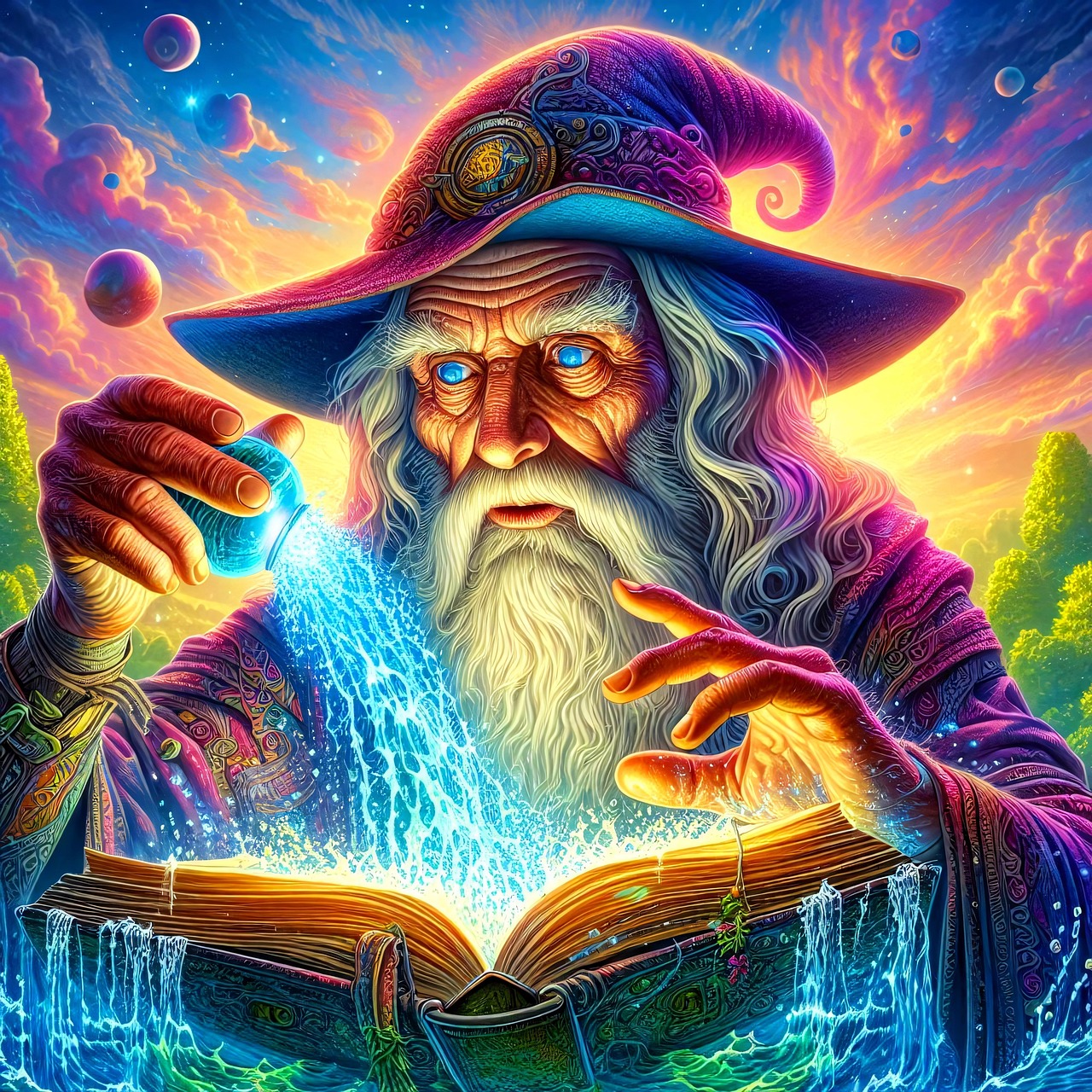
- The Robe: A wizard’s robe often symbolizes wisdom, secrecy, and power. The flowing nature of the robe can represent the mysteries of the universe and the depth of knowledge that the wizard possesses. In works such as “The Hobbit” by J.R.R. Tolkien, the character Gandalf wears a distinct robe, which not only marks him as a wizard but also serves to cloak his true intentions and abilities, thereby conveying the notion that not all is as it seems.
- The Spellbook: This symbol signifies knowledge and the pursuit of wisdom. It represents the intellectual foundation upon which magic is built. In literature like “The Name of the Wind” by Patrick Rothfuss, the protagonist Kvothe’s understanding of magical theory is encapsulated in his spellbook, which is instrumental in his journey of self-discovery and mastery over his craft. The spellbook acts as a gateway to greater power, underscoring the importance of learning in the practice of magic.
“Magic is not a tool for chaos but a means to understand the intricacies of life itself.”
These symbols not only shape the identity of the wizard but also serve to reinforce the underlying themes prevalent in their respective stories, such as the balance of power, the pursuit of knowledge, and the moral implications of wielding magic.
Wizards as Symbols of Knowledge and Power
Wizards have long been depicted as figures of immense knowledge and formidable power in various narratives across cultures. Their duality as both wise scholars and powerful sorcerers creates a rich tapestry that enhances the complexity of storytelling, influencing character dynamics and plot development. This dual nature allows wizards to serve as catalysts for change, embodying the potential for both creation and destruction within the realms they inhabit.
The interplay between knowledge and power in wizards is a recurring theme that shapes the narratives they are part of. Often, a wizard’s quest for knowledge leads to great power, but it can also result in moral dilemmas and conflicts. This duality not only drives character development but also enriches the plot, as the pursuit of knowledge may lead to unforeseen consequences. Wizards can be seen as mentors, guiding heroes on their journeys, while simultaneously posing threats due to their unparalleled abilities. Such complexity adds depth to their roles, making them pivotal in the stories they inhabit.
Characters Embodying the Duality of Knowledge and Power
In various genres, wizards epitomize the balance between wisdom and might. Below is a list of notable characters that exemplify this duality, showcasing how their roles as knowledgeable beings empower them while also highlighting the potential for misuse of their abilities:
- Gandalf (The Lord of the Rings) – A quintessential wizard who balances profound wisdom with immense power, influencing the fate of Middle-earth through guidance and formidable magic.
- Merlin (Arthurian Legends) – Represents an archetype of knowledge and foresight, using his magical abilities to shape the destiny of King Arthur and his Knights.
- Dumbledore (Harry Potter Series) – A character who embodies the moral complexities of knowledge and power, guiding Harry while also grappling with the consequences of his own past decisions.
- Rand al’Thor (The Wheel of Time) – A character whose journey illustrates the struggle between the knowledge he gains about the One Power and the immense responsibility that comes with wielding it.
- Doctor Strange (Marvel Comics) – A modern interpretation of a wizard, blending scientific knowledge with mystical powers, illustrating the conflicts between rationality and the arcane.
- Yoda (Star Wars) – A wise and powerful Jedi Master, representing the harmony of knowledge and power, emphasizing the need for balance in the use of abilities.
The Gender Dynamics of Wizard Characters
The representation of wizards in literature and media has long reflected societal norms regarding gender, with male and female wizards often occupying distinct roles and bearing different characteristics. Traditionally, male wizards have been depicted as powerful, authoritative, and wise figures, while female wizards have frequently been portrayed in more varied roles, ranging from nurturers to seductive villains. This dynamic is pivotal in understanding how wizard characters contribute to the narrative and how they mirror the evolving perceptions of gender in society.
Historically, male wizards have dominated the archetype. Characters like Merlin from Arthurian legend and Gandalf from J.R.R. Tolkien’s “The Lord of the Rings” embody traits traditionally associated with masculinity, such as strength, wisdom, and leadership. These characters often serve as mentors or protectors, guiding the hero on their journey. In contrast, female wizards like Hermione Granger from J.K. Rowling’s “Harry Potter” series showcase a blend of intelligence, resilience, and emotional depth, challenging some stereotypes while also conforming to others. In modern narratives, female wizards are increasingly depicted as complex characters with agency, nuanced motivations, and diverse roles that extend beyond mere support.
Comparative Analysis of Male and Female Wizards
The roles of male and female wizards can be further delineated through specific examples, highlighting the differences in character development and storyline impact.
- Male Wizards: Typically portrayed as mentors or leaders, male wizards like Dumbledore from “Harry Potter” often wield significant power and influence within their worlds. Their narratives often include themes of sacrifice and wisdom, reinforcing traditional masculine ideals.
- Female Wizards: Rising figures like Yennefer from “The Witcher” series illustrate female wizards’ complexity, showcasing traits such as ambition and independence. Female wizards often navigate a world that frequently undermines their power, making their successes more pronounced and meaningful.
- Modern Interpretations: Characters like Willow Rosenberg from “Buffy the Vampire Slayer” exemplify a shift in how female wizards are portrayed, as they blend intellect and emotional vulnerability, emphasizing a more holistic representation of femininity in magic.
The evolution of gender perceptions among wizard characters is significant. In earlier works, female wizards often fell into archetypes such as the “good witch” or the “evil sorceress.” Over time, narratives have expanded to include a spectrum of female wizard characters that combine various traits, allowing them to defy traditional roles.
“The representation of wizards in literature is a reflection of changing societal values and attitudes towards gender.”
This evolution parallels broader societal shifts toward gender equality, as more female wizards assume central roles in their stories, confronting and overcoming systemic barriers. The increasing complexity and agency of female wizard characters not only enrich narratives but also serve to inspire new generations, encouraging a reevaluation of gender dynamics in fantasy literature and media.
Epilogue
In summary, magical wizards represent a rich tapestry of history, culture, and imagination. They serve not only as powerful beings within their narratives but also as reflections of our own desires for knowledge and mastery over the unknown. As we continue to explore their roles in literature, film, gaming, and beyond, it becomes evident that the enchantment they bring into our lives is timeless and ever-evolving.
FAQ Insights
What is the origin of the wizard archetype?
The wizard archetype originates from various folklore traditions, often depicting figures with magical powers, wisdom, and a deep connection to the mystical.
Are all wizards depicted as good characters?
No, wizards can be portrayed as both good and evil characters, adding complexity to their roles in stories.
What is the significance of a wizard’s staff?
A wizard’s staff often symbolizes their power and authority, serving as a tool for channeling magic and wisdom.
How have modern wizards changed from traditional ones?
Modern wizards often reflect contemporary values and issues, with diverse representations in gender and morality, contrasting with the more rigid portrayals of traditional wizards.
Can wizards be found in non-fantasy genres?
Yes, elements of wizardry can appear in various genres, incorporating magical realism or metaphoric representations of knowledge and power.